
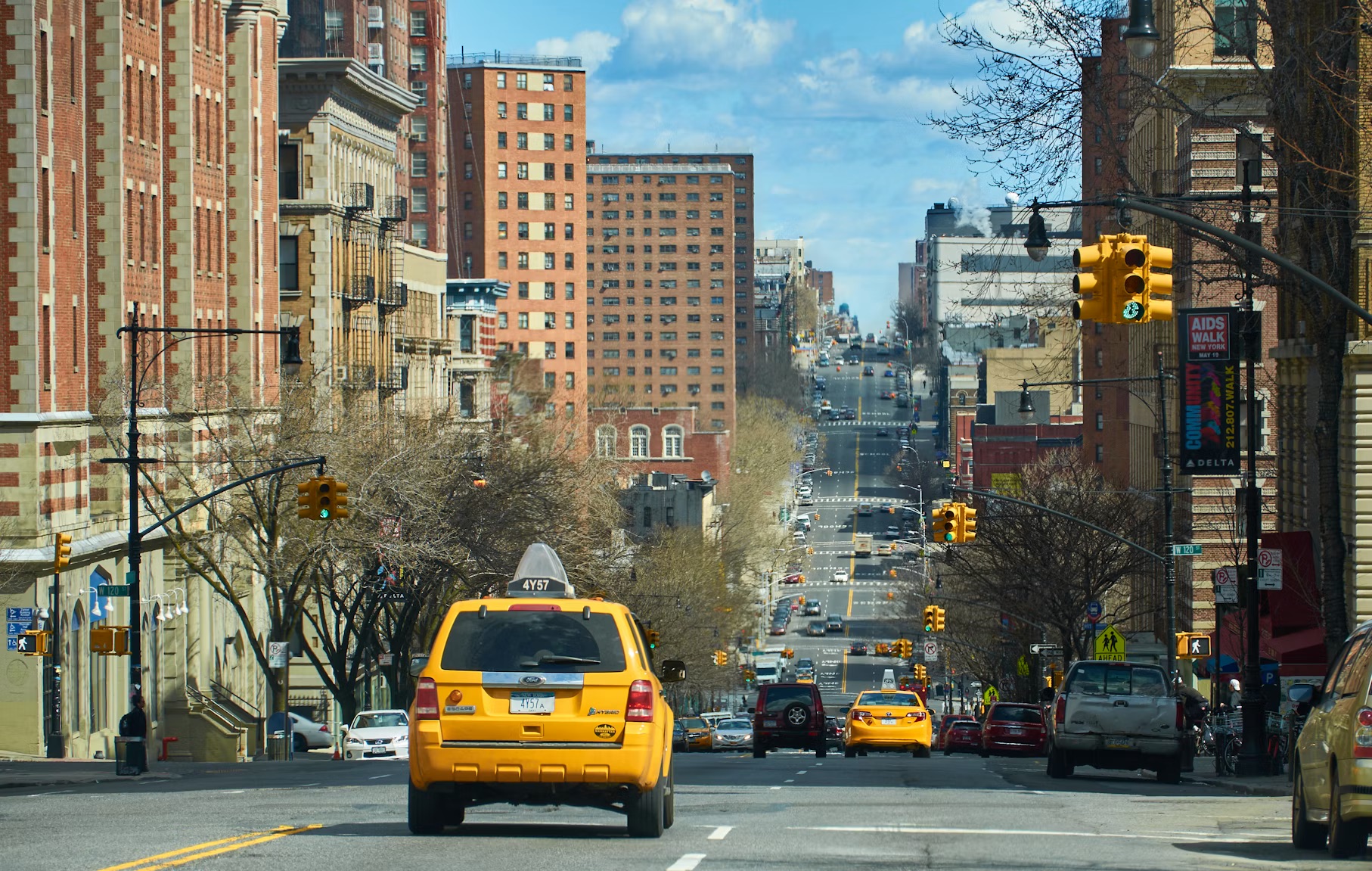
The United States is a vast and diverse country, offering a wide range of transportation options to explore its cities, national parks, and everything in between. Whether you’re venturing across state lines, exploring metropolitan hubs, or seeking scenic routes, understanding the various transportation methods available will help ensure you make the most of your visit. This guide offers a clear, practical overview of how to get around the U.S., helping you choose the best mode of transport based on your needs, budget, and travel style.
U.S. Transportation Overview: Choosing the Right Option
When it comes to getting around the U.S., the best option depends on several factors, including your itinerary, time constraints, budget, and personal preferences. While the U.S. offers an impressive variety of transportation methods, such as flying, driving, buses, and trains, each has its benefits and limitations.
Flights: Speed and Convenience for Long Distances

If your travel involves covering long distances between major cities, flying is often the most efficient choice. The U.S. has an extensive network of domestic flights, and major airlines such as American Airlines, Delta, and Southwest provide frequent services to cities across the country. Air travel is particularly useful for trips between distant destinations like New York to Los Angeles or Chicago to Miami, where driving would take days rather than hours.
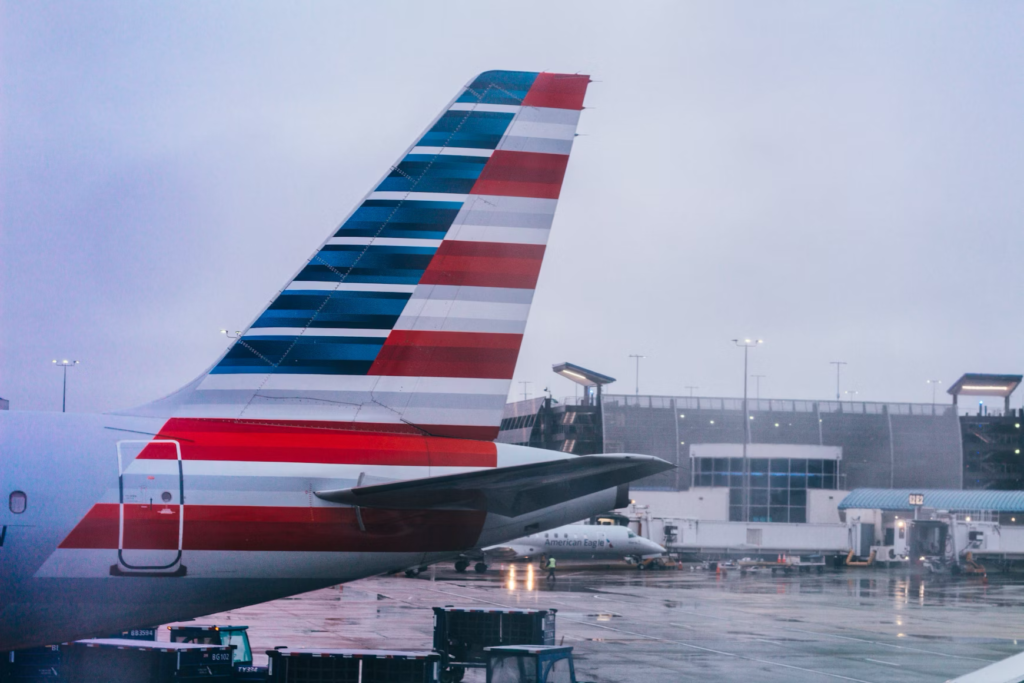
For first-time travelers, booking flights in advance is key to securing the best prices. Budget airlines like Spirit Airlines or JetBlue can offer lower fares, but be mindful of additional fees for baggage and seat selection. Consider flying during non-peak times (for example, mid-week or outside of holidays) to avoid crowded airports and higher ticket prices.
Road Trips: Flexibility and Scenic Routes

For those who want flexibility and the opportunity to explore the U.S. at their own pace, a road trip is an iconic American experience. Renting a car is often the best way to visit national parks, coastal areas, and rural destinations. Renting a car is simple and affordable, especially for shorter distances or if you’re traveling in a group or family. Major car rental companies such as Enterprise, Hertz, and Avis provide easy options for booking a vehicle and picking it up at airport locations.


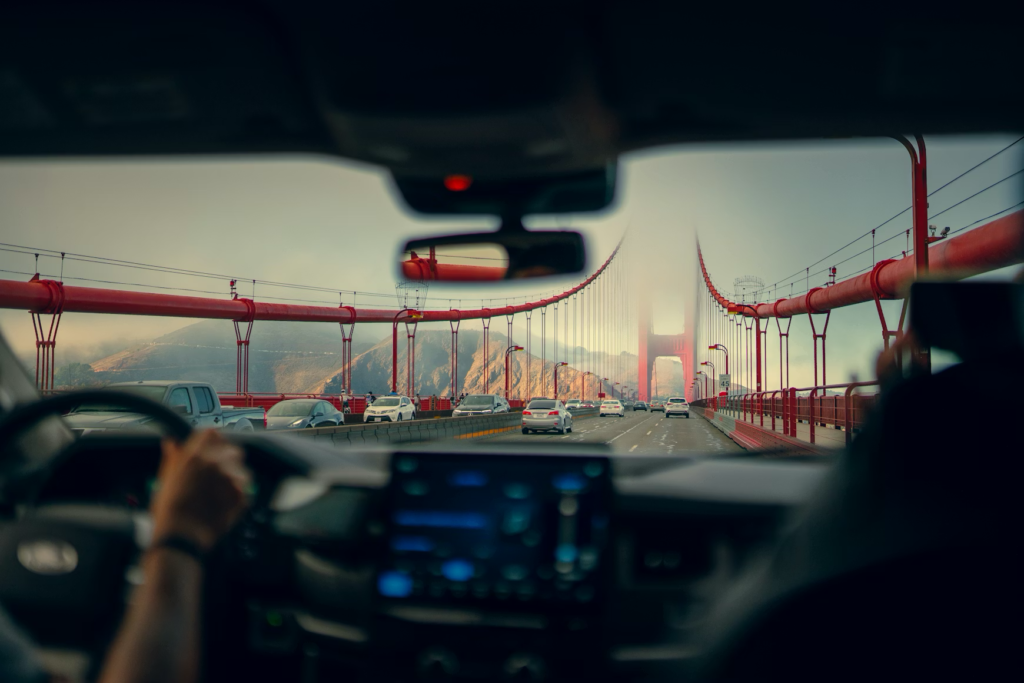
The U.S. boasts numerous scenic routes, such as the Pacific Coast Highway, Route 66, and the Blue Ridge Parkway, which are perfect for leisurely drives. For those planning to visit national parks like Yellowstone or Grand Canyon, driving gives you the freedom to stop at viewpoints, take detours, and immerse yourself in the natural surroundings without relying on public transportation.
However, long road trips can be tiring, and driving in big cities can be challenging due to heavy traffic and limited parking. Make sure you plan your route, check for rest stops along the way, and be prepared for long hours behind the wheel.
Public Transit: Convenient in Urban Areas
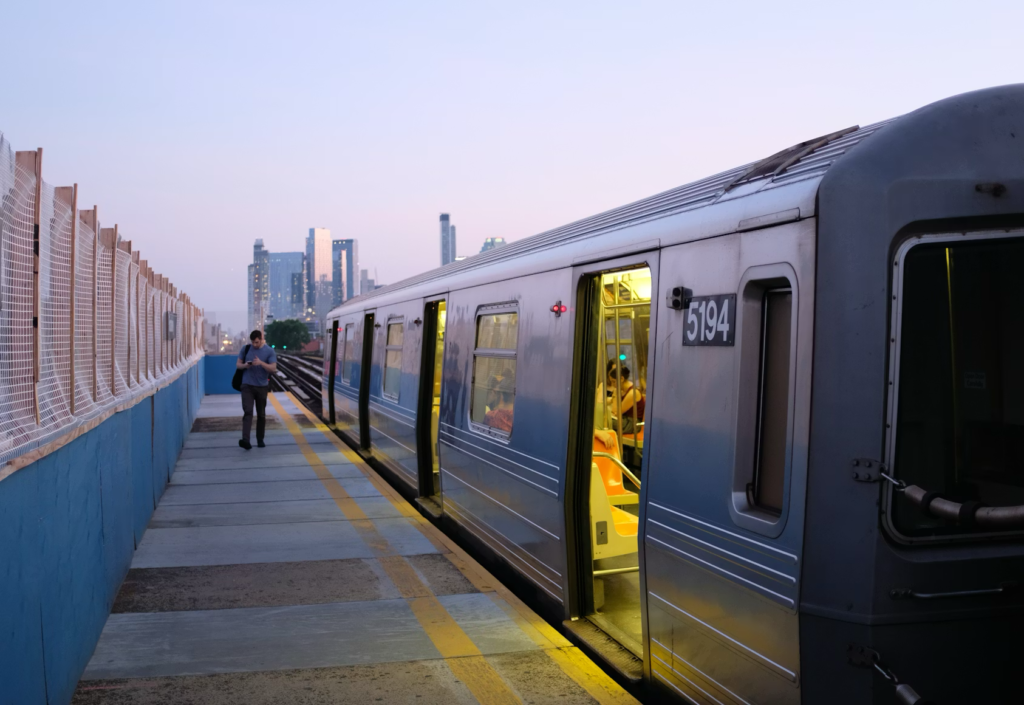

For travelers exploring major cities like New York, San Francisco, or Chicago, public transportation is an excellent choice. The U.S. has well-established subway systems, buses, and trains in cities that are reliable and cost-effective. For example, New York City’s subway provides 24/7 service and connects key neighborhoods across the city, while San Francisco’s Muni offers an easy way to navigate the city’s hilly terrain.
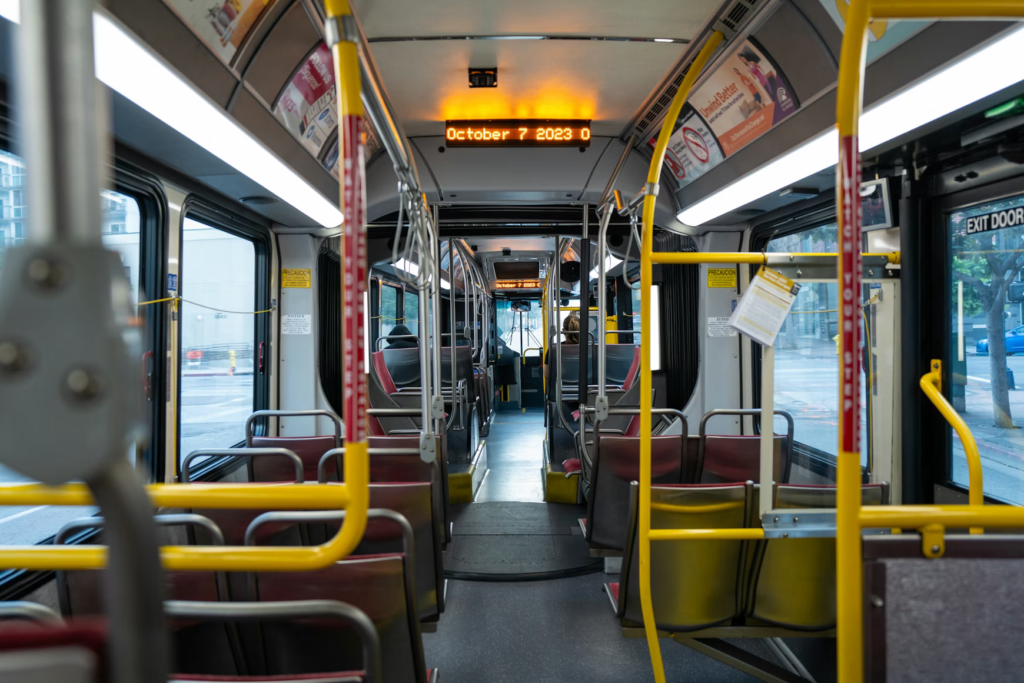
If you’re planning to stay in a metropolitan area for a few days, purchasing a MetroCard (in New York) or a day pass for unlimited bus and subway rides can save you money. Public transportation in smaller cities or rural areas, however, may be less reliable or non-existent, so always check routes and schedules in advance.
Amtrak and Long-Distance Train Travel
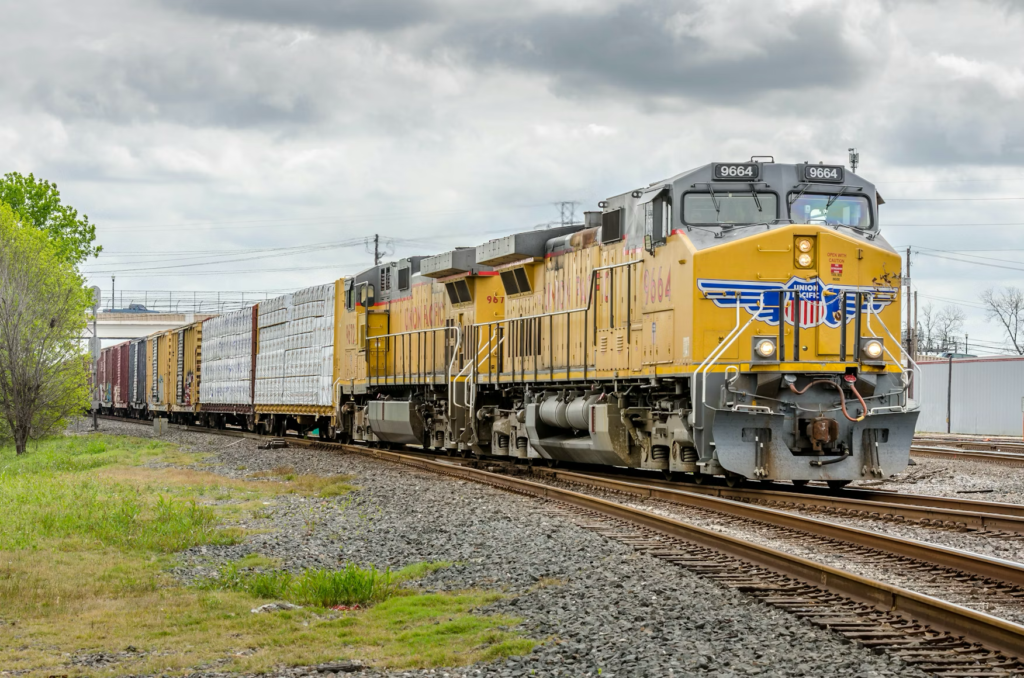
Traveling by train in the U.S. offers a slower, more scenic alternative to flying or driving. Amtrak, the national rail service, operates long-distance routes between major cities, including the California Zephyr (Chicago to San Francisco) and the Empire Builder (Chicago to Seattle). Train travel is a great option for those who prefer a relaxed journey with expansive views of the countryside. Amtrak’s sleeper cars also provide the opportunity to rest during long trips, and the trains often have dining cars and free Wi-Fi on certain routes.
While Amtrak provides an enjoyable experience for scenic travel, train journeys in the U.S. can be significantly slower and more expensive than other modes of transportation. Additionally, Amtrak routes are limited, particularly in rural areas, so train travel may not be the most convenient for those with a time-sensitive itinerary.
Budget-Friendly Transportation: Making the Most of Your Money
Buses: A Cost-Effective Option for Intercity Travel

For those on a tighter budget, long-distance buses can be an affordable way to travel between cities. Companies like Greyhound, Megabus, and FlixBus offer intercity routes at very competitive prices. Buses are generally slower than trains or flights but can be a good option for short-to-medium distance travel when flexibility and cost are more important than speed.
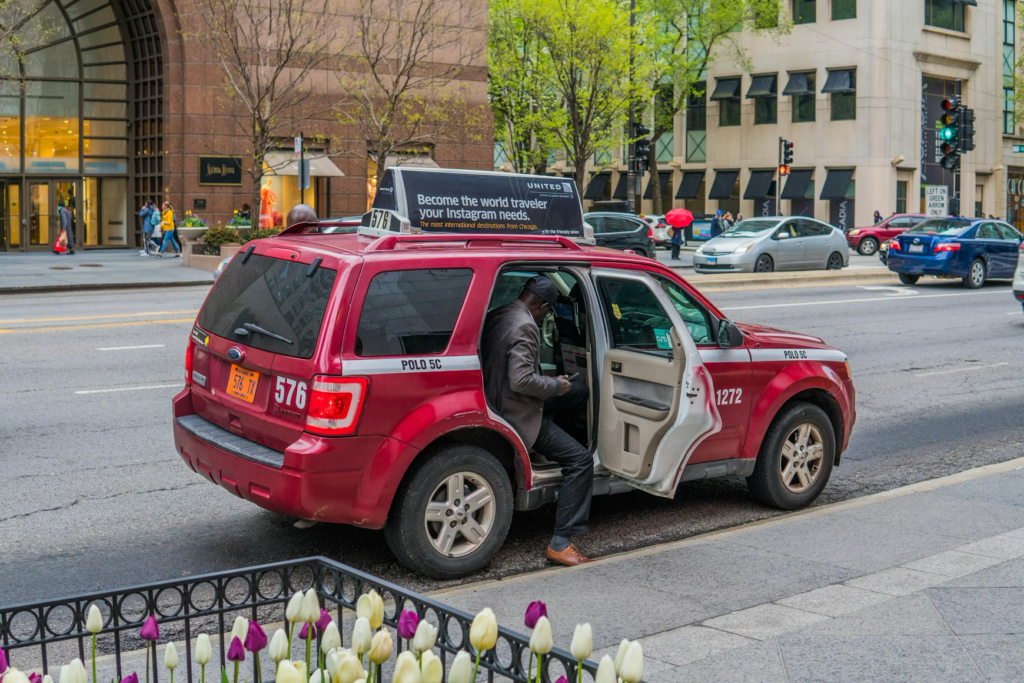
Ridesharing services like Uber and Lyft are widely available in major cities, providing flexibility for shorter distances. These services are more affordable than taxis and offer a convenient way to get around urban areas, especially for solo travelers or small groups. Keep in mind that ridesharing fares can surge during peak times, so planning ahead can help you avoid higher prices.
Carpooling: Saving Money with Ride-Sharing
For travelers seeking a more affordable way to travel long distances, carpooling or using services like BlaBlaCar (a popular option in Europe that is also gaining popularity in the U.S.) is becoming an increasingly viable option. Carpooling offers a way to save on gas and share travel costs with others. This can be especially useful for trips that are outside of major urban areas, where public transportation options are more limited.
Planning for Accessibility and Safety
Traveling around the U.S. also involves considering accessibility, particularly for individuals with mobility challenges. Many public transportation systems in major cities, such as New York’s subway, offer wheelchair-accessible stations, buses, and elevators. However, it’s important to check for accessible services in advance, as some regions may have limited options.
When using ridesharing apps like Uber or Lyft, you can also opt for their accessible ride services for wheelchair users. However, ensure to confirm availability, as these services may not be as widespread in smaller cities or rural areas.
Conclusion: Navigating the U.S. with Ease
Getting around the U.S. is relatively straightforward, but your choice of transportation will depend on your travel needs, budget, and preferences. Whether you’re flying between cities, renting a car for a road trip, or using public transport in cities, understanding your options and planning ahead will ensure a smooth and enjoyable journey.
Flights are best for long distances, while trains and buses offer scenic routes at more leisurely paces. Public transportation is ideal for city exploration, and renting a car provides maximum flexibility for remote and natural destinations. For those on a budget, buses, carpooling, and ridesharing are excellent choices for saving money while still enjoying the convenience and freedom of travel.
By understanding the pros and cons of each transportation method, first-time visitors to the U.S. can confidently choose the best way to navigate the vast country. Whether you’re embarking on a long road trip, hopping between cities, or exploring urban landscapes, the U.S. offers a wide variety of travel options to suit every type of traveler.
Related Articles
- US Travel Destinations 2026: Best Places to Visit by Month
- Best Time to Visit the U.S.: A Complete Seasonal Guide for Travelers and Weather Insights
- Best Scenic Train Rides in the U.S. and Beyond: Top Routes for Unforgettable Journeys
- Exploring the American Southwest: Must-See Destinations, Scenic Road Trips, and Adventure Ideas