
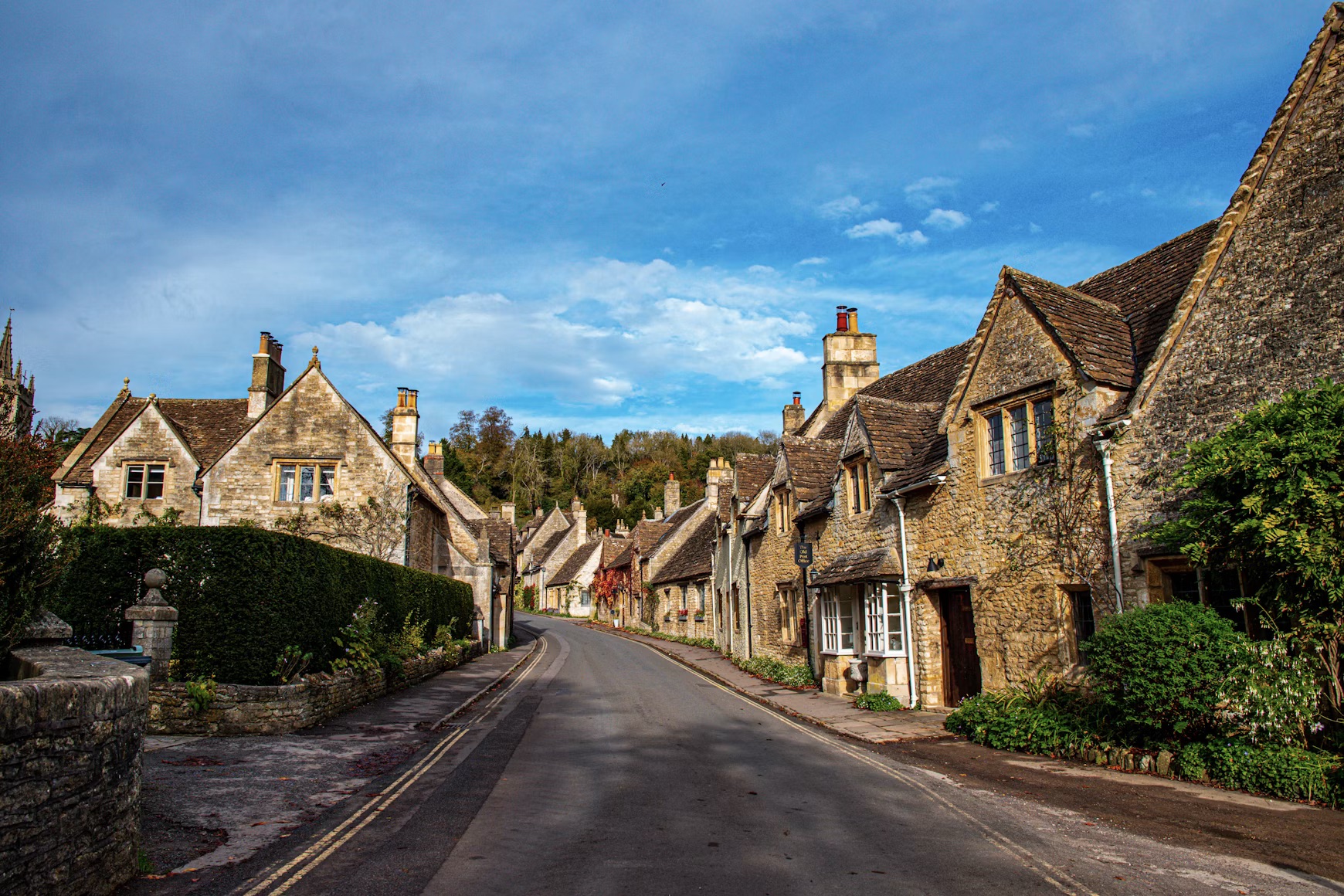
The best time to visit the UK for most first-time travelers is late spring (May to early June) or early autumn (September). You’ll get mild weather, long days, and smaller crowds and lower prices than in July and August. Summer is best for festivals and the longest days, while winter is the cheapest season outside the Christmas period and a great choice for city breaks, museums, and Christmas markets.
With a variety of climates across England, Scotland, Wales, and Northern Ireland, the right timing also depends on where you’re going and what you want to do. Below you’ll find a quick seasonal overview, a month-by-month breakdown, regional differences, and practical tips to help you plan your first trip.
Best Time to Visit the UK at a Glance
| Season | Avg. Daytime High (London) | Crowds | Prices | Best For |
|---|---|---|---|---|
| Spring (Mar–May) | 12–19°C (54–66°F) | Moderate, busy at Easter | Mid-range | Gardens, city breaks, bluebell walks |
| Summer (Jun–Aug) | 22–24°C (72–75°F) | Very high | Highest | Festivals, long days, coast and hiking |
| Autumn (Sep–Nov) | 11–20°C (52–68°F) | Moderate to low | Mid to low | Fall colors, hiking, arts and culture |
| Winter (Dec–Feb) | 8–9°C (46–48°F) | Low, busy around Christmas | Lowest, except holidays | Christmas markets, museums, theatre |
Temperatures are approximate long-term averages for London. Scotland and northern England are usually a few degrees cooler, so check the Met Office forecast before you travel.
UK Weather Month by Month
- January: Cold, gray, and quiet. Post-Christmas sales and some of the year’s lowest flight and hotel prices.
- February: Still cold with short days. Prices stay low, except during the mid-February school half-term.
- March: Early spring flowers and changeable weather. Easter can fall in late March or April, bringing busier attractions.
- April: Blossom season, with bluebell woods starting to flower from mid-April. Expect crowds during the Easter holidays.
- May: One of the best months to visit. Long days, gardens at their peak, and the Chelsea Flower Show in late May. Note the two bank holiday weekends.
- June: The longest days of the year, with London sunsets after 9 pm. Wimbledon begins in late June. Warm weather arrives before the main school holidays.
- July: Usually the warmest month and one of the busiest. Scottish schools break up in late June, and English schools in late July.
- August: Peak season. The Edinburgh Festival Fringe runs all month, and Notting Hill Carnival takes over West London on the August bank holiday weekend.
- September: An excellent month for first-timers. Early September is often still warm, and crowds drop once schools go back.
- October: Autumn colors and the BFI London Film Festival. The late-October school half-term is busier.
- November: Short, damp days, but Bonfire Night fireworks on November 5 and Christmas lights and markets opening from mid-month.
- December: Festive markets, lights, and Hogmanay in Edinburgh on New Year’s Eve. Prices spike around Christmas and New Year, and most public transport doesn’t run on Christmas Day.
>>> See more: 15 Best Places to Visit in August USA (2026): End-of-Summer Secrets
Weather and Seasons in the UK: What to Expect Throughout the Year
The UK has a temperate maritime climate, meaning that its weather can be unpredictable year-round. Rain is possible in every season, so a waterproof jacket is worth packing whenever you go. That said, each season has distinct advantages depending on the activities you enjoy and the kind of atmosphere you’re looking for.
Spring (March to May): Mild Temperatures and Blossoming Beauty
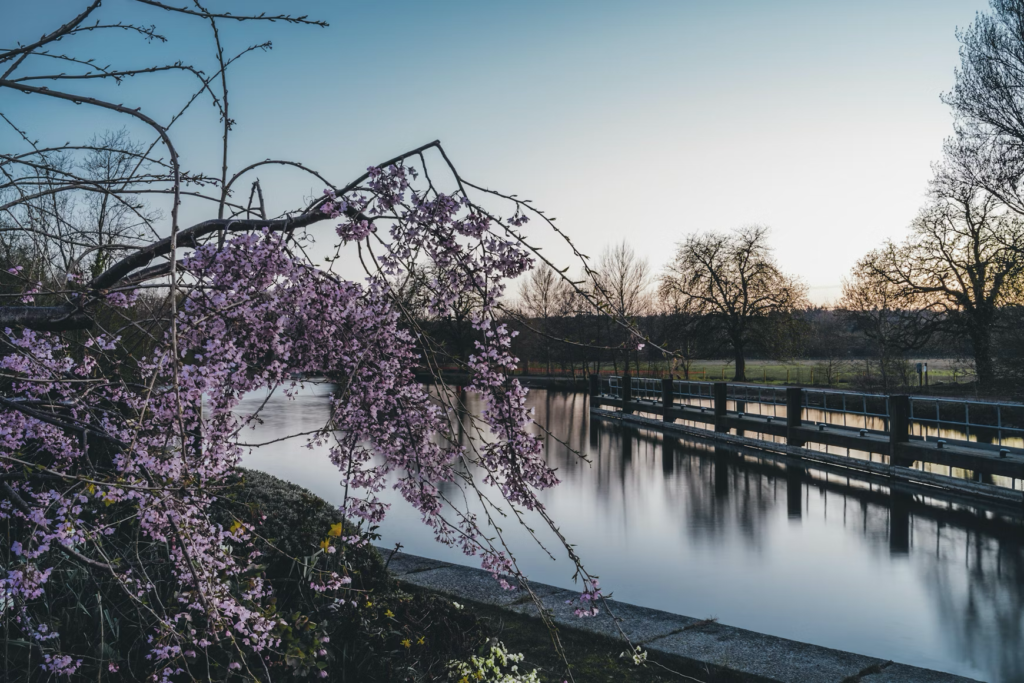
Spring is one of the most popular times to visit the UK, as the weather is generally mild and pleasant. Average daytime highs in London climb from around 12°C (54°F) in March to 19°C (66°F) in May, and spring tends to be drier than autumn and winter. The countryside begins to bloom, and cities like London, Oxford, and Bath showcase beautiful gardens and parks filled with spring flowers.
Spring is an excellent time for walking tours, garden visits, and iconic sites like Kew Gardens or St. James’s Park. From mid-April through May, bluebell woods carpet the countryside, and the Chelsea Flower Show in late May attracts garden lovers from around the world. Outside the Easter holidays, you’ll find shorter lines at major attractions than in summer.
Summer (June to August): Warm Weather and Festivals
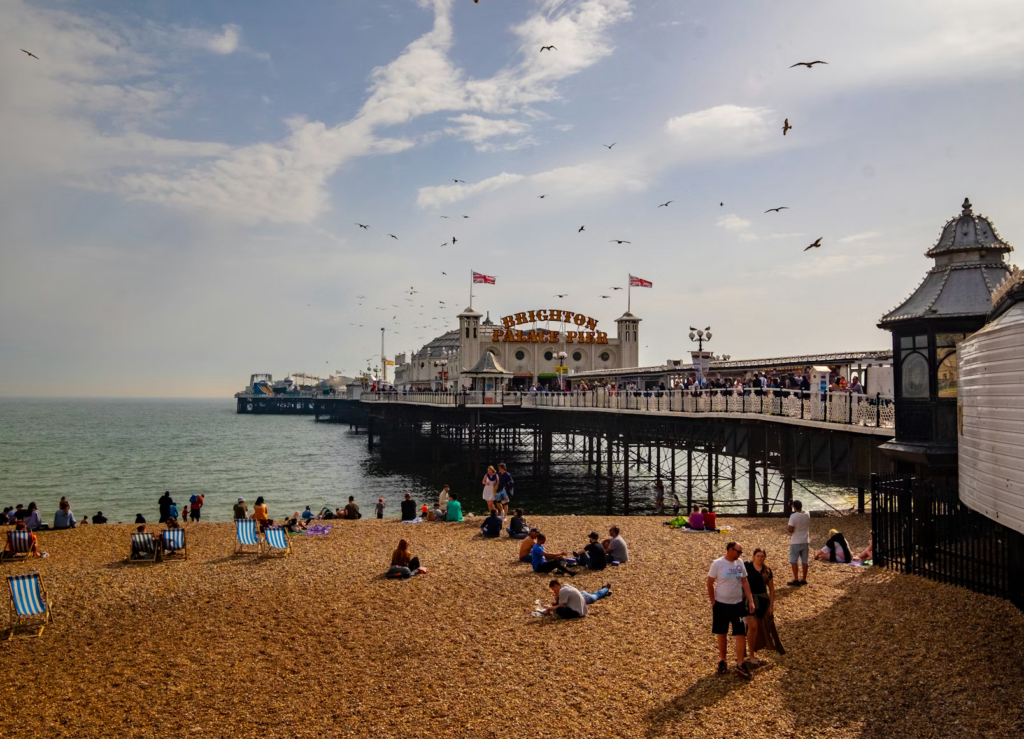
Image source: Unsplash
Summer is the peak tourist season in the UK and offers the warmest weather of the year, with average daytime highs of around 22–24°C (72–75°F) in London and a little cooler further north. Days are long, with daylight lasting well into the evening, which gives you plenty of time for sightseeing.
This is the season for big events. The Edinburgh Festival Fringe fills the Scottish capital with performances throughout August, and Notting Hill Carnival brings music, costumes, and Caribbean food to West London over the August bank holiday weekend. Glastonbury Festival usually takes place in late June, but 2026 is a planned fallow year. The next edition is scheduled for June 23–27, 2027, and tickets typically sell out months in advance.
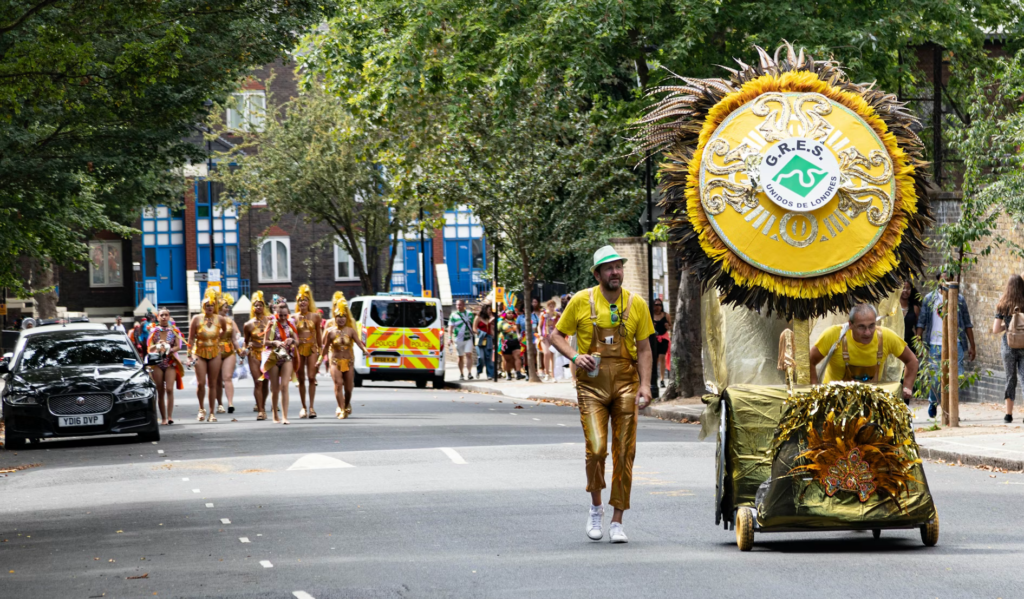
Image source: Unsplash
The trade-off is cost and crowds. School holidays push up prices for accommodation and attractions, especially in London, Edinburgh, and popular coastal areas like Cornwall. Summer can still bring rain showers, so packing layers and an umbrella is recommended. If you’re heading to the Scottish Highlands, bring insect repellent, as midges are common from early summer into September.

Autumn (September to November): Crisp Weather and Fall Foliage

Autumn is arguably one of the best times to visit the UK, especially for those seeking comfortable temperatures and fewer tourists. September is often still warm, with London highs around 20°C (68°F), before temperatures cool to around 11°C (52°F) by November. Cities such as Cambridge and York are perfect for strolls along historic streets and through leafy parks.
Autumn is also the season for fall foliage. Forests and parks across Scotland, Wales, and the Cotswolds turn red, orange, and gold, usually peaking from mid-October into early November. It’s a good time for wine lovers too, as many English vineyards run harvest-season tours and tastings in September and October.
Culture picks up again after the summer break, with the BFI London Film Festival in October and Bonfire Night fireworks on November 5. Since this is the shoulder season, accommodation prices are often lower and crowds thinner than in summer, though the late-October school half-term can be busy.
Winter (December to February): Cold but Cozy, with Holiday Magic
Winter in the UK is cold and damp rather than extreme. London highs hover around 8°C (46°F), nights are often close to freezing, and Scotland and the north are colder still. Days are short, with only around eight hours of daylight in London in December and even less in Scotland. Snow is occasional in most cities but more common in the Scottish Highlands.
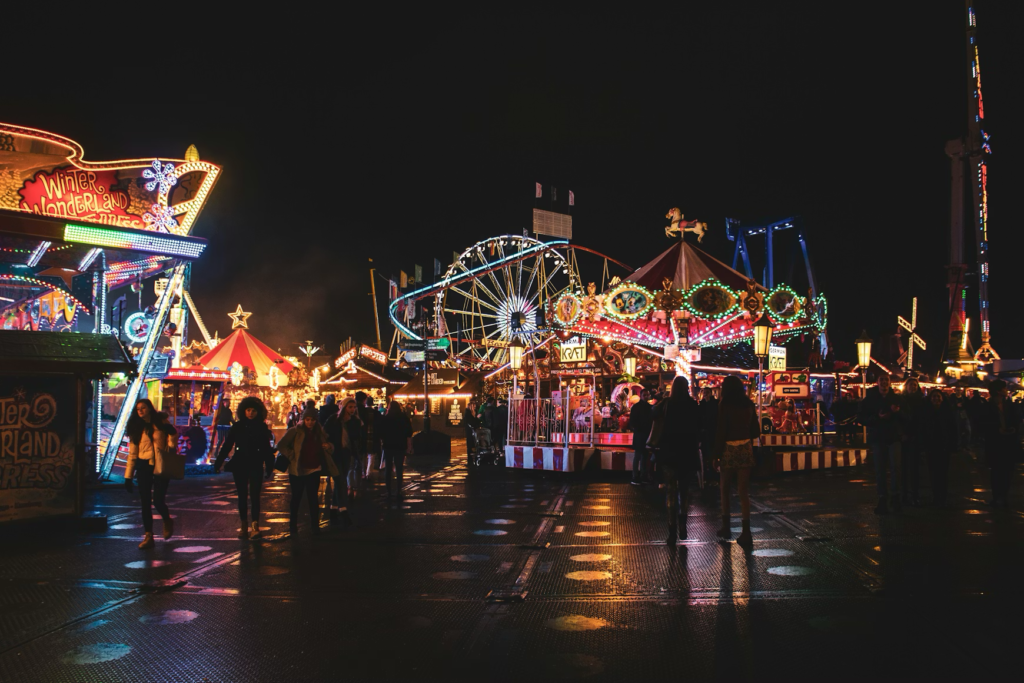
Image source: Unsplash
London’s Christmas markets, such as those at the Southbank Centre and Hyde Park’s Winter Wonderland, are highlights of the festive season, with holiday food, handmade gifts, and festive lights. Edinburgh’s Christmas Market is another magical spot, and the city’s Hogmanay celebrations make it one of the most popular places in the UK to see in the New Year.
While winter isn’t ideal for long hikes, it’s an excellent time for cultural experiences, with fewer tourists in major museums and galleries like the British Museum and National Gallery. It’s also the season for cozy pubs, hearty traditional dishes, and theatre in London or Stratford-upon-Avon.
January and February are usually the cheapest months to visit, but prices rise sharply between Christmas and New Year. Plan ahead for Christmas Day itself, when most public transport doesn’t run and many attractions close. If you enjoy winter sports, Scotland’s ski centres, such as Cairngorm Mountain, Glenshee, and Nevis Range, open when snow conditions allow.
How the Best Time Varies Across England, Scotland, Wales, and Northern Ireland
England
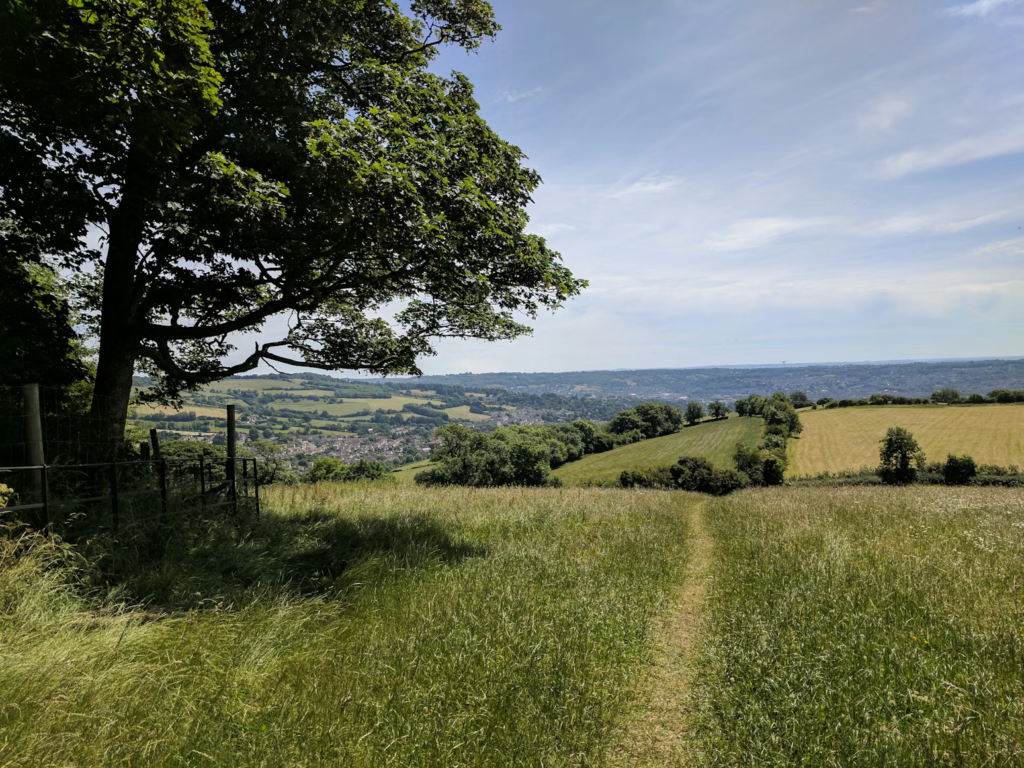
Southern England has the mildest weather in the UK, and London works well year-round. For the countryside, the Cotswolds and Cornwall are at their best from May to September, but Cornwall’s beaches and villages get very crowded in August.
Scotland
Scotland is cooler and, on the west coast, wetter than the rest of the UK. May, June, and September are ideal for the Highlands, with long days and fewer midges than in midsummer. Edinburgh is at its busiest during the August festivals and at Hogmanay, so book accommodation early if you plan to visit then.
Wales
Wales is best for hiking from late spring to early autumn. Eryri (Snowdonia) National Park is especially popular in summer, but mountain weather changes quickly in any season, so check the forecast before heading up.

Northern Ireland
The Giant’s Causeway and the Causeway Coast are best from May to September, when days are long and coastal walks are more comfortable. Winter brings strong winds and frequent rain along the coast.
When to Visit Based on Specific Interests
Outdoor Activities and Nature Exploration

For hiking, cycling, or exploring the countryside, late spring and early autumn are ideal. These seasons offer mild weather and fewer crowds, allowing for relaxed walks through gardens, parks, and nature reserves. The Lake District and Eryri (Snowdonia) are two of the most popular national parks for walking. Summer is also good for outdoor adventures, especially in Cornwall or the Cotswolds, though it tends to be much busier.
Cultural Festivals and City Life
Summer is the peak season for festivals, concerts, and outdoor events in London, Edinburgh, and Manchester. If you’re a fan of theatre and comedy, the Edinburgh Festival Fringe in August is unmissable. Autumn offers a good mix of cultural events and slightly lower crowds, while winter is ideal for museums, galleries, and West End shows.
Quiet Escapes and Off-Peak Travel
If you prefer a quieter experience, January to early March and November are the best times to avoid crowds, especially in cities like Bath, Oxford, and York. With fewer tourists and lower prices, you can enjoy cultural sights at a more relaxed pace. Autumn also offers a peaceful experience in rural areas, where the weather is still comfortable for exploring.
Cheapest Time to Visit the UK (and When to Avoid)
The cheapest times to visit are January, February (outside the mid-February half-term), and November. The most expensive and crowded periods are the summer school holidays, Easter, the weeks around Christmas and New Year, and major events such as the Edinburgh festivals in August.
- Avoid bank holiday weekends if you want quieter attractions and cheaper stays.
- Book train tickets early. Advance fares are usually much cheaper than buying on the day.
- Travel midweek for lower hotel rates, especially outside London.
- Book Edinburgh accommodation months ahead if you’re visiting in August or for Hogmanay.
Frequently Asked Questions
What is the best month to visit the UK for the first time?
May and September are the best all-round months for a first trip. Both offer mild weather, long days, and fewer crowds than July and August.
What is the rainiest time of year in the UK?
Autumn and winter are usually the wettest seasons, particularly in western Scotland, Wales, and northwest England. Rain can fall at any time of year, though, so pack a waterproof jacket whenever you visit.
When is the UK most crowded?
July and August are the busiest months, followed by the Easter holidays and the Christmas and New Year period. Popular spots like London, Edinburgh, and Cornwall are especially crowded in August.
Is it worth visiting the UK in winter?
Yes, if you focus on cities. Winter is great for museums, theatre, pubs, and Christmas markets, and January and February offer some of the lowest prices of the year. It’s less ideal for countryside hiking because of the short days and wet weather.
So, When Should You Visit the UK?
For most first-time visitors, late spring and early autumn offer the best balance of weather, daylight, crowds, and cost. Choose summer if festivals and long days of sightseeing matter most, and you don’t mind paying more. If winter holiday magic and cozy indoor experiences appeal to you, December is the time to embrace the festive atmosphere, while January and February are best for keeping costs down.
By aligning your travel dates with the experiences you want to enjoy, you can ensure a memorable and well-timed first visit. For more inspiration, explore our UK travel guides, and check our packing guides before you go.