
Singapore, a city-state known for its striking skyline, multicultural heritage, and commitment to sustainability, is a fantastic destination for first-time visitors. From lush gardens and temples to a rich food scene and high-tech attractions, Singapore offers something for every type of traveler. While the city is easy to navigate, it’s important to understand its unique cultural and logistical aspects to make the most of your first visit. This guide provides deeper insights into Singapore’s key attractions, practical travel tips, and advice for getting the most out of your stay.
Understanding Singapore’s Unique Blend of Tradition and Modernity
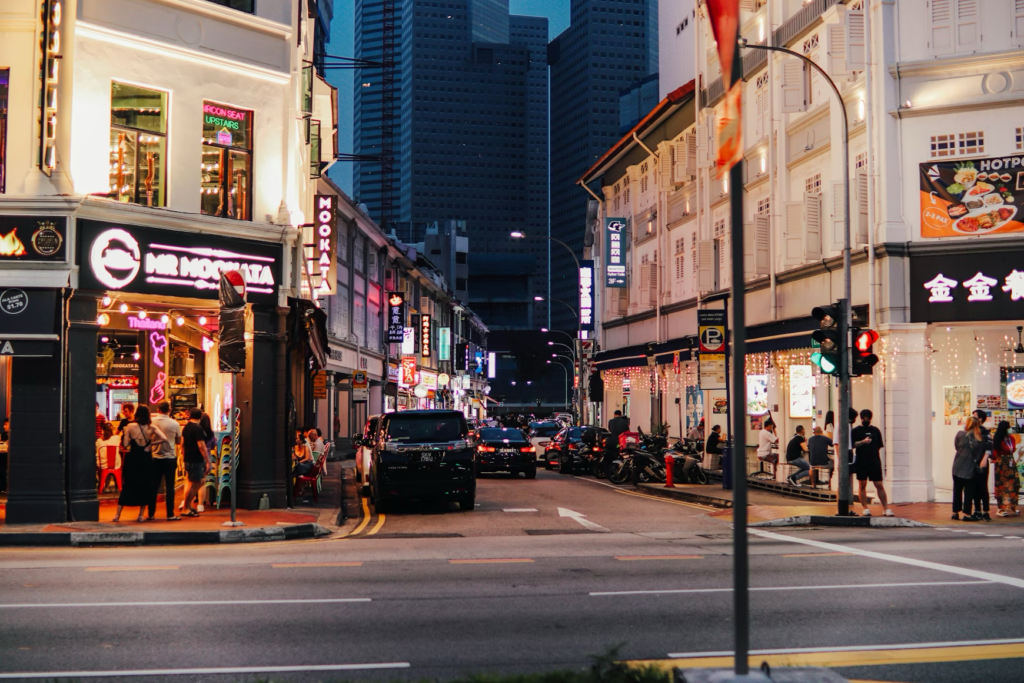
Singapore is a dynamic city that has skillfully blended its historical roots with cutting-edge modernity. As a global financial hub with a deep cultural history, the city offers a blend of traditional Chinese, Malay, Indian, and Western influences. This fusion can be seen not only in its architecture but also in its food, customs, and daily life. Understanding this blend is key to appreciating the many facets of Singapore, from its diverse neighborhoods to its world-class attractions.
Cultural Diversity
Singapore is a melting pot of cultures. You’ll find Hindu temples, Buddhist shrines, and Islamic mosques in close proximity, reflecting the city’s rich multicultural fabric. Chinatown, Little India, and Arab Street are neighborhoods where you can walk through centuries-old markets, visit places of worship, and immerse yourself in diverse culinary traditions. These areas provide an opportunity to see Singapore’s harmonious coexistence of multiple cultures.
Urban Development and Sustainability
While Singapore’s cityscape is dominated by gleaming skyscrapers, it also places a strong emphasis on green spaces. Known as a “City in a Garden,” Singapore is famous for its lush parks, vertical gardens, and eco-friendly designs. This balance of urban development and nature is an integral part of the city’s identity, offering both modern convenience and natural beauty in close proximity.
Must-See Sights: A Deeper Dive into Singapore’s Highlights
Gardens by the Bay: Nature Meets Technology

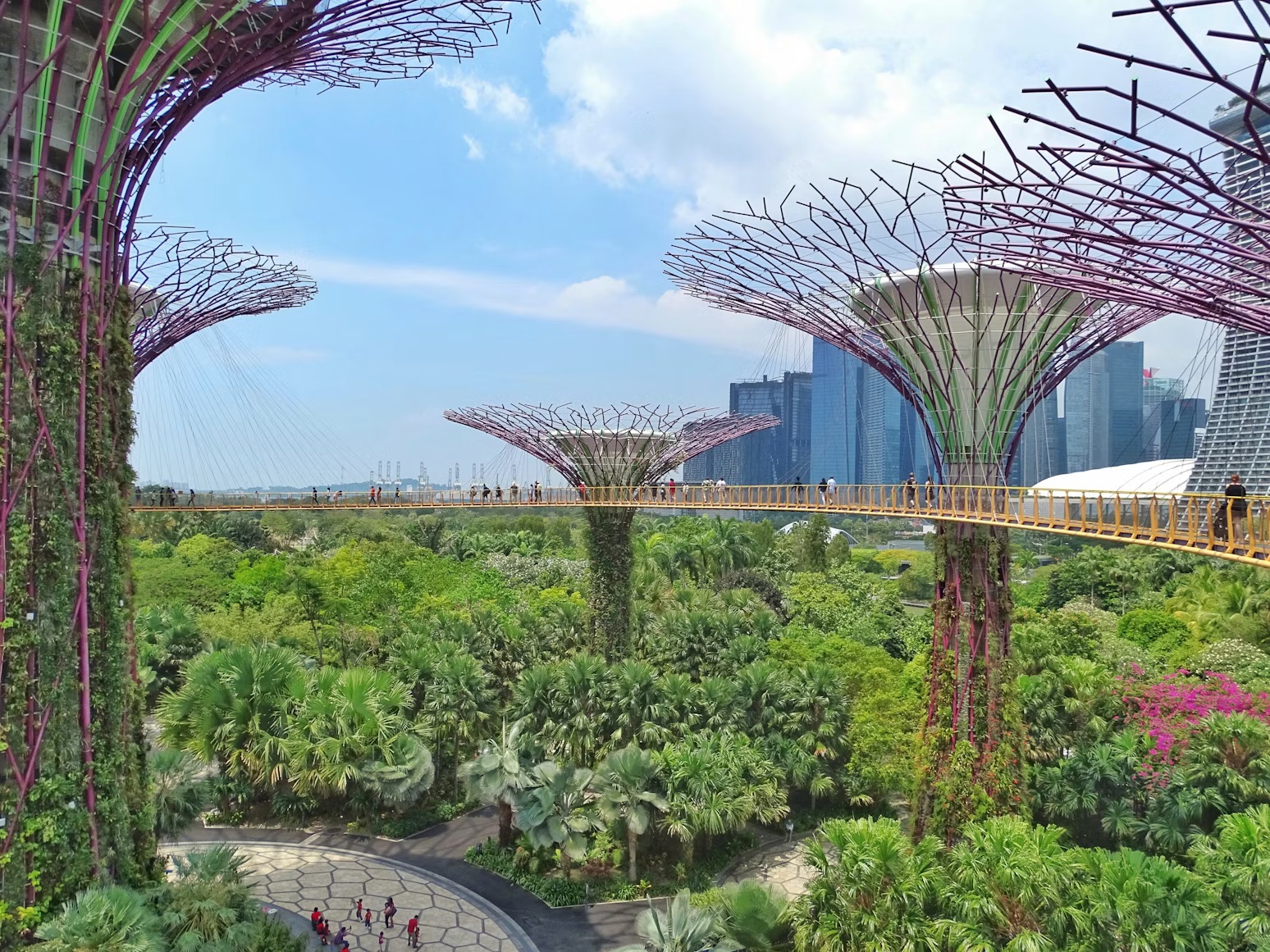
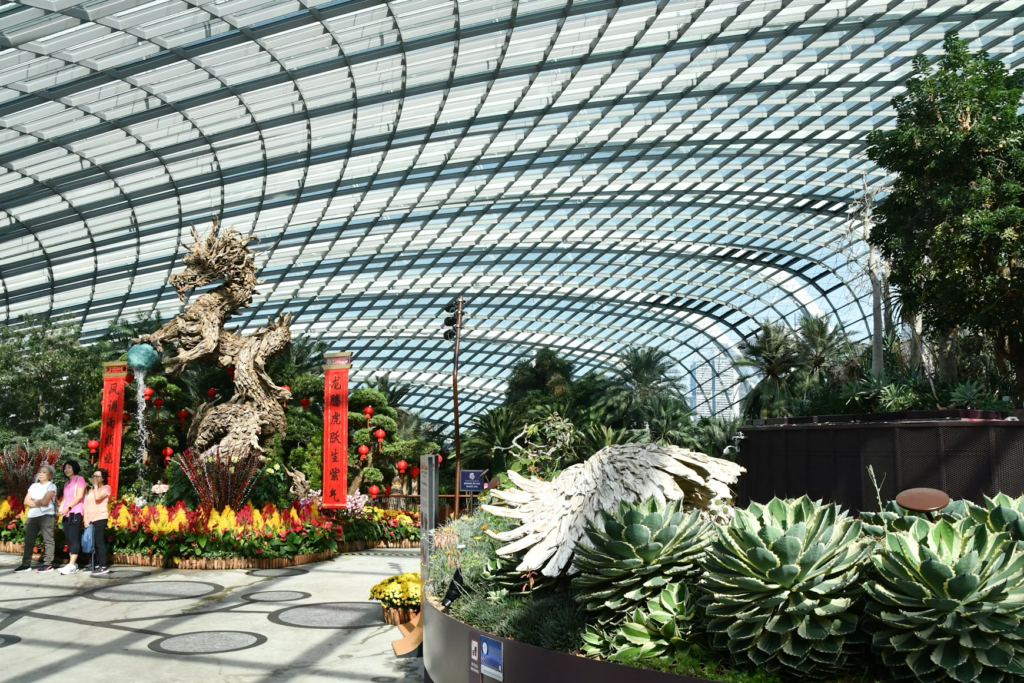
Gardens by the Bay, one of Singapore’s most iconic attractions, is a stunning example of how technology and nature can coexist. While the Supertree Grove is perhaps the most photographed feature, the two cooled conservatories: Flower Dome and Cloud Forest, offer a diverse range of plant species in a controlled environment. The Cloud Forest houses a 35-meter waterfall, and the Flower Dome showcases flora from various climate zones, providing an immersive experience that blends environmental education with visual awe.

For a truly different experience, visit in the evening when the Supertrees come alive with a light and sound show. It’s not only a display of technological marvel but also an expression of Singapore’s commitment to sustainable urban planning.
Marina Bay Sands and the SkyPark
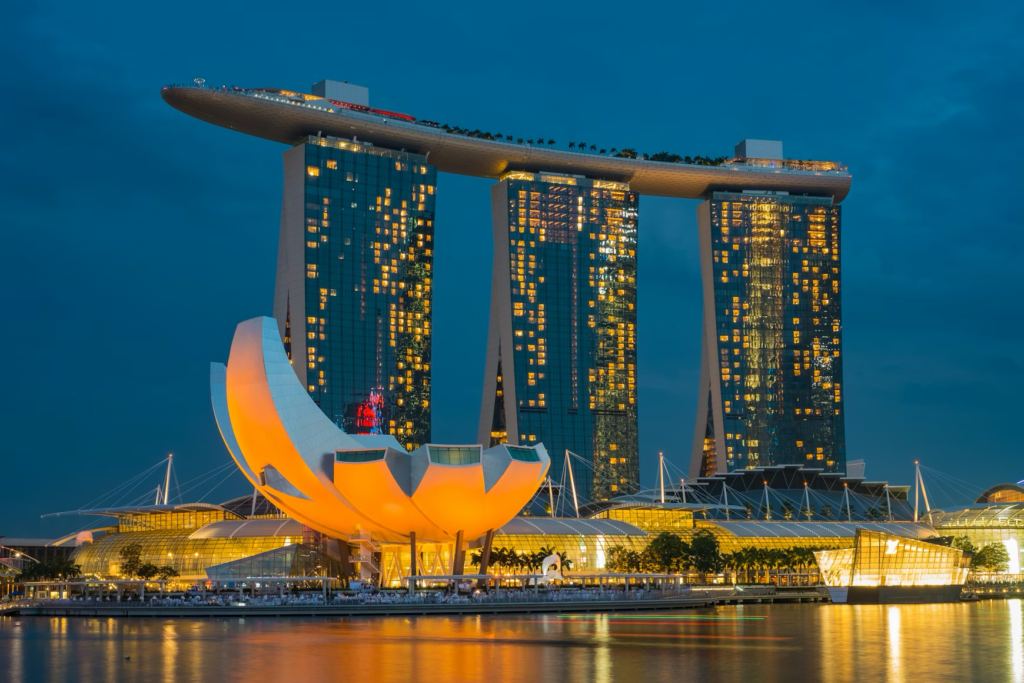

Marina Bay Sands is the epitome of modern luxury in Singapore. Known for its iconic rooftop infinity pool and sweeping views of the skyline, the building is a must-see for first-time visitors. While staying at Marina Bay Sands itself may be pricey, visitors can access the SkyPark for an incredible bird’s-eye view of the city without the premium hotel cost.
The ArtScience Museum and the nearby Gardens by the Bay are also worth visiting when in the area. The museum’s futuristic design and thought-provoking exhibits explore the intersection of art, science, and technology, making it an ideal stop for anyone interested in innovative ideas and creative exhibitions.
Sentosa Island: Fun for All Ages
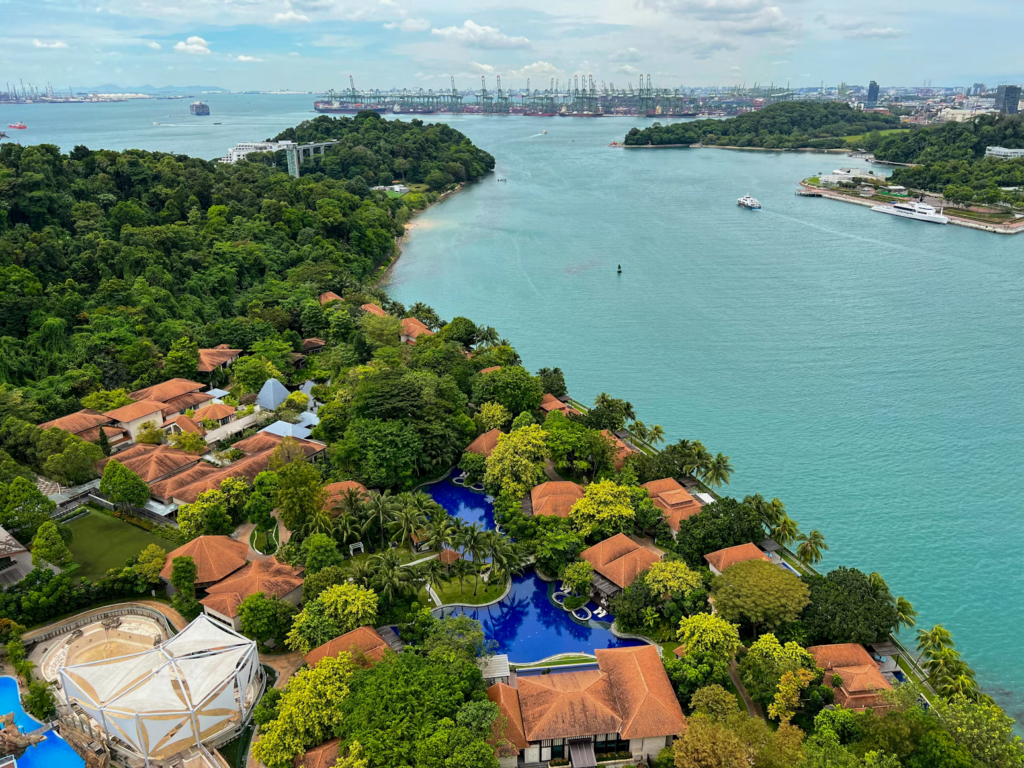
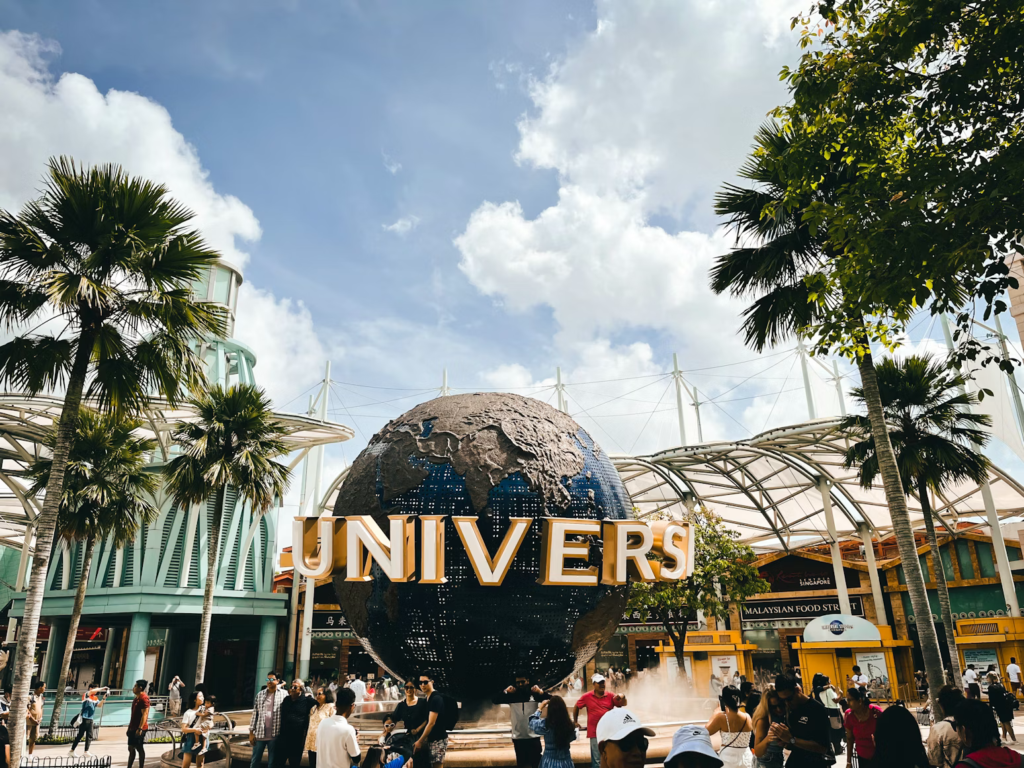
Sentosa Island is home to a range of family-friendly attractions, including Universal Studios Singapore, the S.E.A. Aquarium, and Adventure Cove Waterpark. However, beyond the typical resort-style entertainment, Sentosa also offers natural beauty in the form of beaches and nature trails. Tanjong Beach is less crowded than other beaches in Singapore and offers a more peaceful atmosphere for relaxation.

For those interested in history, Fort Siloso, a preserved WWII military site, provides insight into Singapore’s role during the war and offers a unique blend of history and natural surroundings.
Chinatown and Little India: A Cultural Exploration


To dive deeper into Singapore’s cultural fabric, Chinatown and Little India provide an excellent opportunity to experience the local way of life. Chinatown is home to the Buddha Tooth Relic Temple and several local markets, where visitors can purchase traditional Chinese herbs, tea, and art. The temple’s unique architecture and serene ambiance make it a perfect spot to learn about Buddhist traditions.
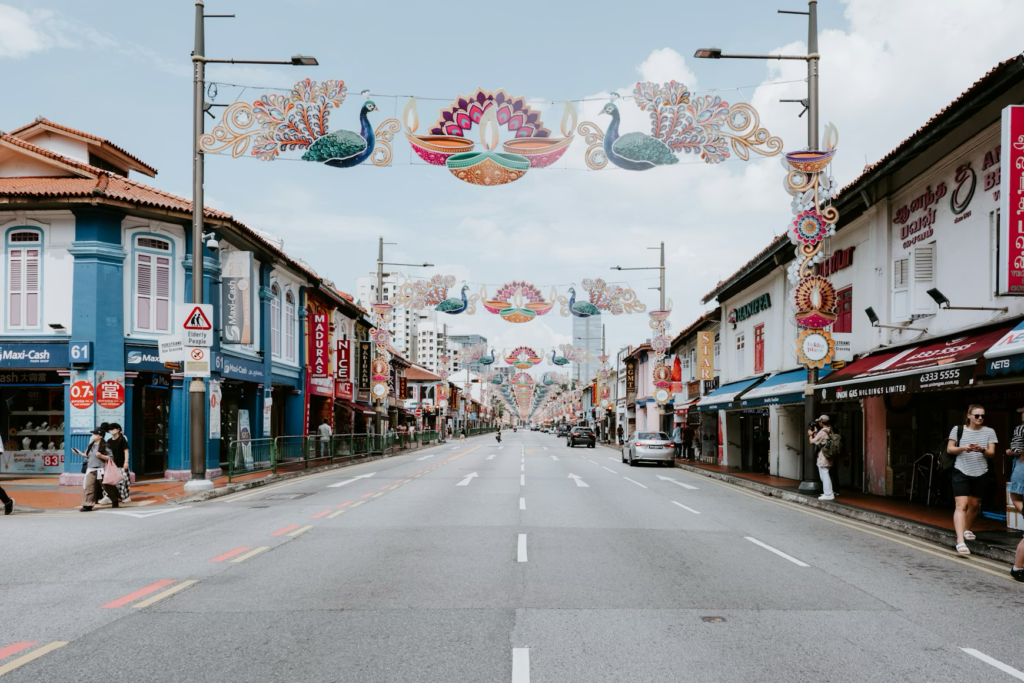
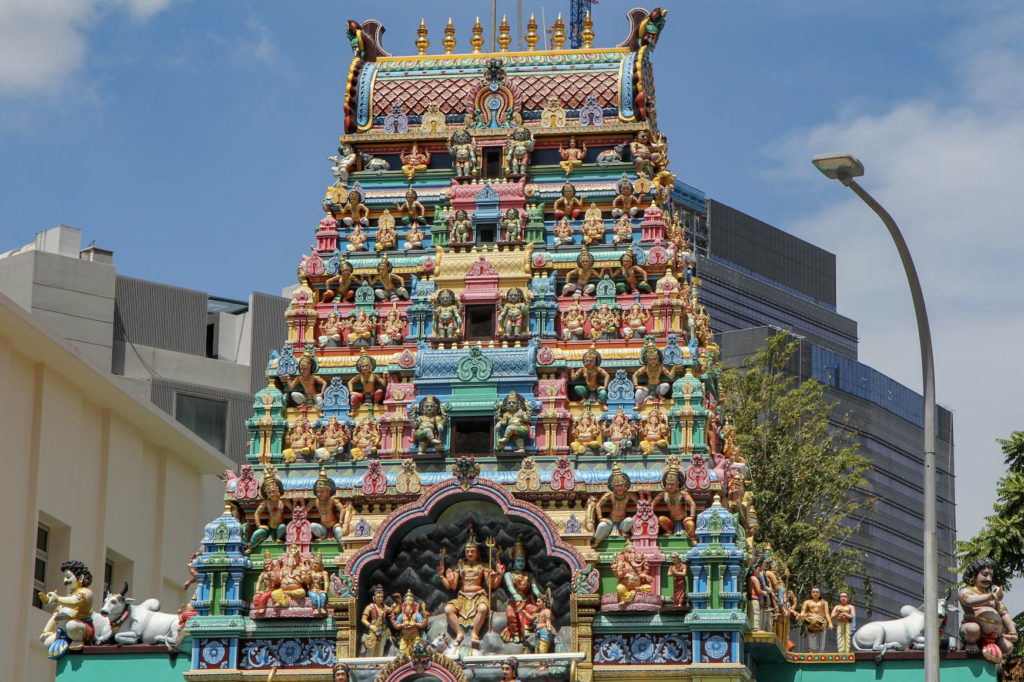
In Little India, you’ll encounter colorful markets, fragrant spice stalls, and vibrant temples such as the Sri Veeramakaliamman Temple, showcasing Indian cultural and religious practices. The area is also home to several Indian restaurants offering authentic dishes like roti canai and biryani.
Essential Travel Advice: Practical Tips for First-Time Visitors
Navigating Singapore: Efficient Transportation Options

Getting around Singapore is convenient, thanks to its well-established public transportation system. The MRT (Mass Rapid Transit) is the most efficient way to travel between neighborhoods and attractions. Purchasing an EZ-Link card or Singapore Tourist Pass will grant you unlimited travel on the MRT and buses, making it easy to explore the city on a budget. For those staying in central locations, walking or taking short rides via Grab, Singapore’s popular ride-hailing app, is also an affordable and convenient option for getting around.
Managing the Weather: Packing for Singapore’s Tropical Climate

Singapore’s tropical climate is hot and humid year-round, with occasional afternoon showers. It’s essential to pack light, breathable clothing made from natural fabrics like cotton or linen. An umbrella or light raincoat is advisable for those visiting during the rainy season, typically between November and January. While sunscreen is necessary, many public spaces like shopping malls and public transport stations are air-conditioned, so bring a light jacket for the cool indoors.
Cultural Etiquette: Respecting Local Norms
Singapore is a multicultural society, and respecting local customs is important when interacting with residents. For example, when visiting religious sites such as temples or mosques, it’s important to dress modestly and remove your shoes before entering. In restaurants, it’s common not to tip, as service charges are included in the bill.
When addressing people, use titles such as “Mr.” or “Ms.” followed by their surname, as this is considered more respectful than using first names, especially in formal settings. Additionally, be mindful of your volume in public spaces, as Singaporeans tend to value a more reserved and polite demeanor.
Managing Costs: Budgeting for a First-Time Visit
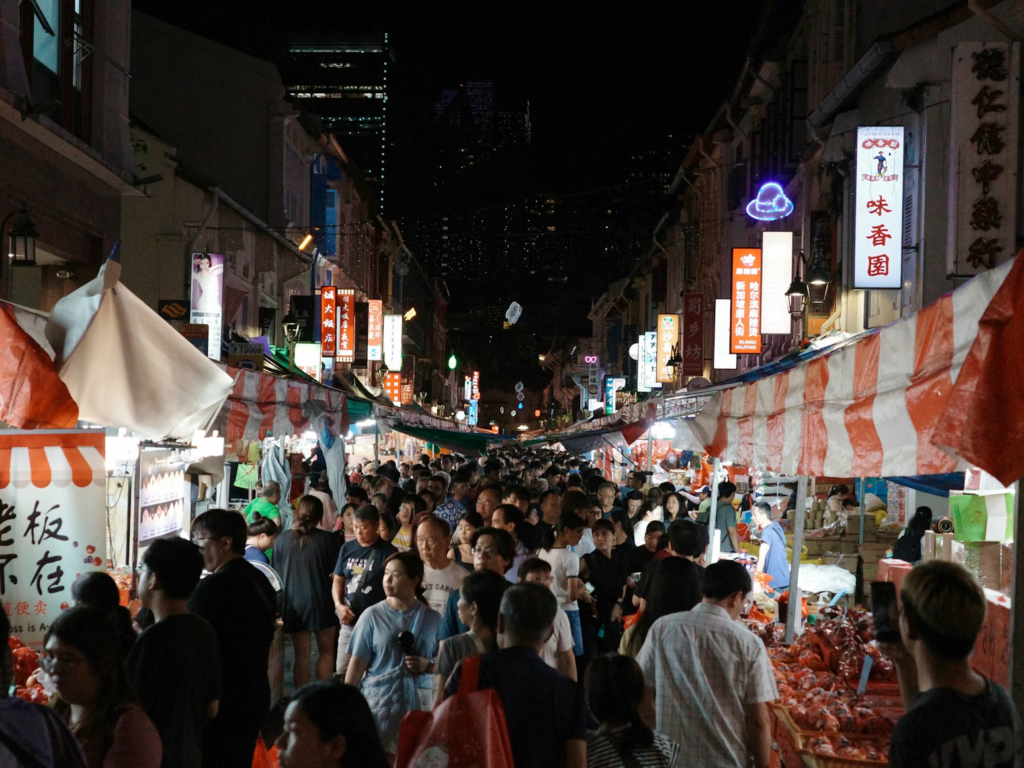
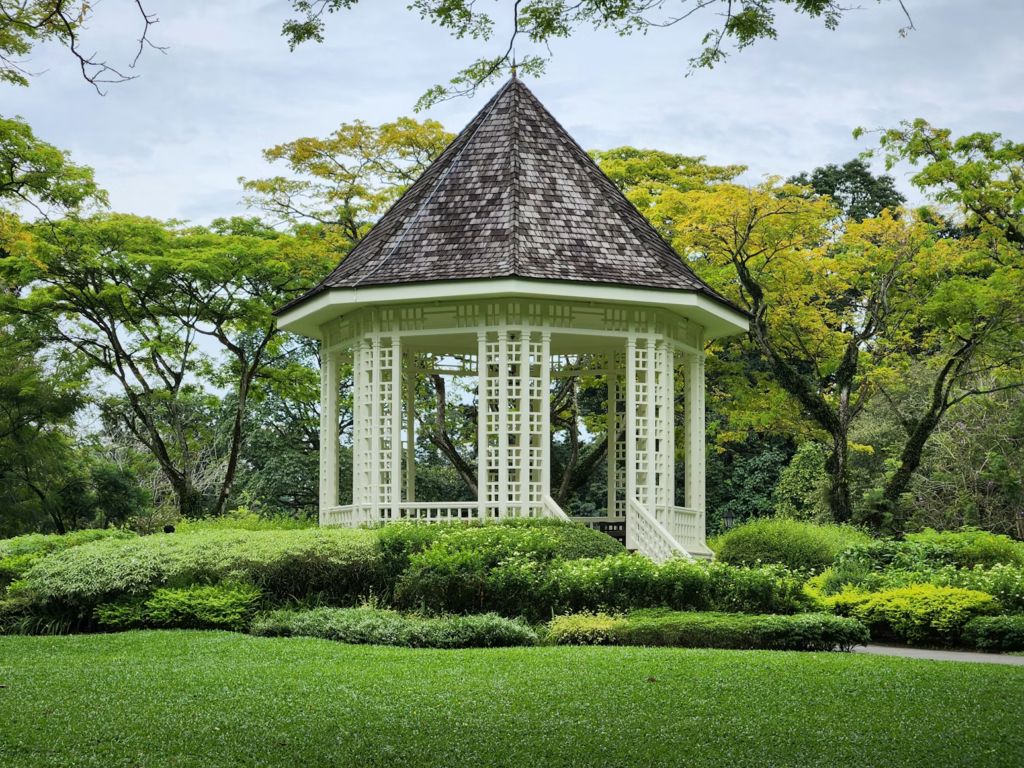
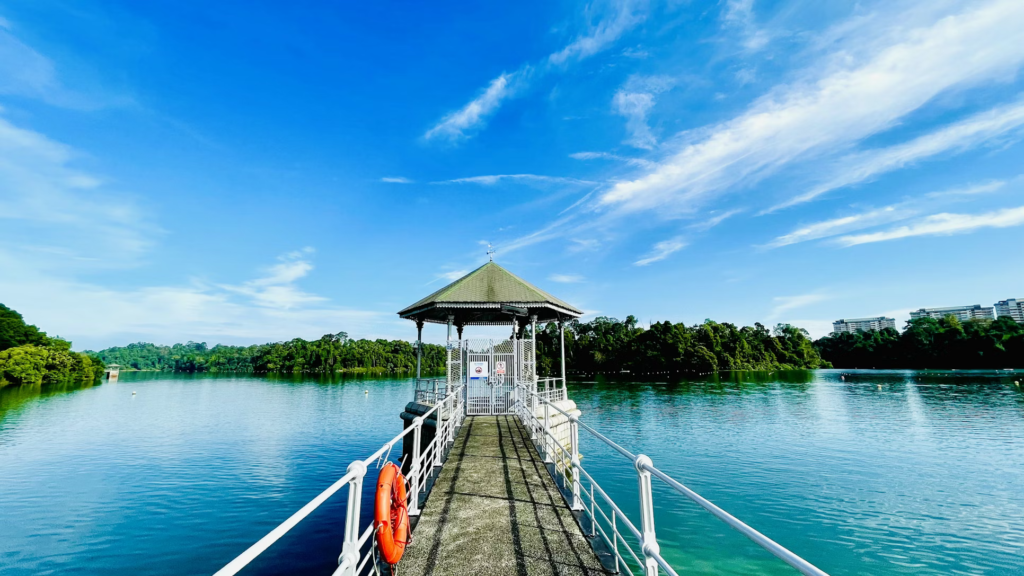
While Singapore is known for its luxury offerings, there are plenty of ways to experience the city on a budget. Hawker centers, such as Maxwell Food Centre and Chinatown Food Street, offer authentic local dishes like Hainanese chicken rice, laksa, and satay for a fraction of the price of sit-down restaurants. Exploring free attractions like Singapore Botanic Gardens or MacRitchie Reservoir can also help you save on entry fees.
Accommodation options range from budget hostels to mid-range hotels, and staying in neighborhoods like Bugis or Chinatown provides easy access to attractions and public transport, without the higher prices of the Marina Bay area.
Conclusion: Planning a Memorable First Visit to Singapore
A first-time visit to Singapore is an exciting opportunity to explore a city that balances modernity and tradition. By prioritizing iconic landmarks like Gardens by the Bay, Marina Bay Sands, and Sentosa, as well as cultural gems in Chinatown and Little India, you can create a well-rounded itinerary that offers both sightseeing and cultural immersion. With practical tips on transportation, packing, and cultural norms, you’ll be well-prepared for a smooth and enjoyable trip. By balancing iconic attractions with local experiences, you can fully embrace the vibrant, diverse spirit of Singapore.