

Japan’s four distinct seasons: spring, summer, autumn, and winter offer a wide array of experiences that appeal to all types of travelers. Whether you’re planning your first visit or returning to explore new aspects of the country, understanding what each season offers can help you decide when to go based on your personal interests and travel style. This guide will break down what you can expect throughout the year in Japan, from the beauty of cherry blossoms in spring to the serene snow-covered landscapes in winter.
Spring: A Blooming Spectacle (March to May)
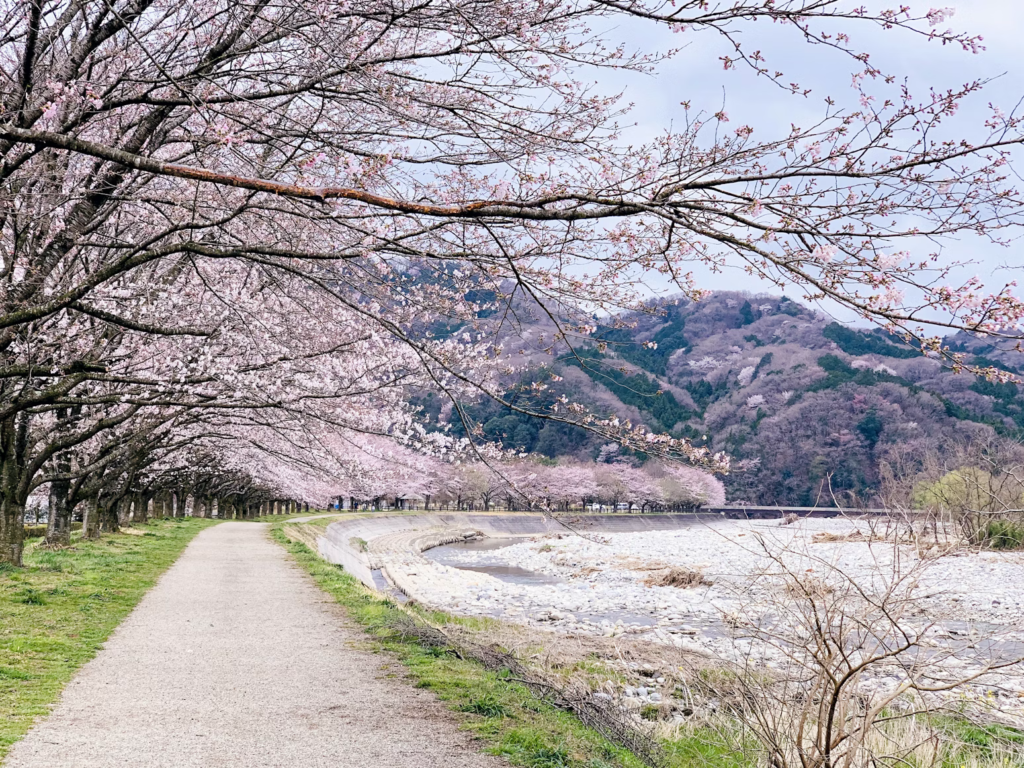
Spring in Japan is synonymous with cherry blossoms (sakura), one of the country’s most iconic seasonal phenomena. The cherry blossom season typically begins in late March and peaks in early April, with parks and streets across the country adorned in a delicate blanket of pink and white petals. Major cities like Tokyo, Kyoto, and Osaka host vibrant cherry blossom festivals, where visitors can enjoy hanami (flower viewing) under the trees, accompanied by picnics and celebratory drinks.

Beyond sakura, spring in Japan is a time of renewal. The weather is mild, with temperatures ranging from 50°F to 70°F, making it ideal for outdoor activities. Spring also offers opportunities to explore rural areas like the Japan Alps, where hiking and nature walks take you through lush landscapes dotted with wildflowers.

However, spring is one of the most popular travel seasons, so expect crowds at major sightseeing spots. To avoid congestion, consider visiting lesser-known areas like the Iya Valley or the Shikoku region, where you can enjoy similar seasonal beauty in a quieter setting.
Summer: Festivals and Vibrant Landscapes (June to August)

Summer in Japan can be hot and humid, especially in cities like Tokyo and Osaka, where temperatures can exceed 90°F. The rainy season, known as tsuyu, typically occurs from June to mid-July, bringing heavy rains that last for about a month. While this can dampen some outdoor activities, the rain also enhances Japan’s lush, green landscapes, making it a beautiful time to explore the countryside.
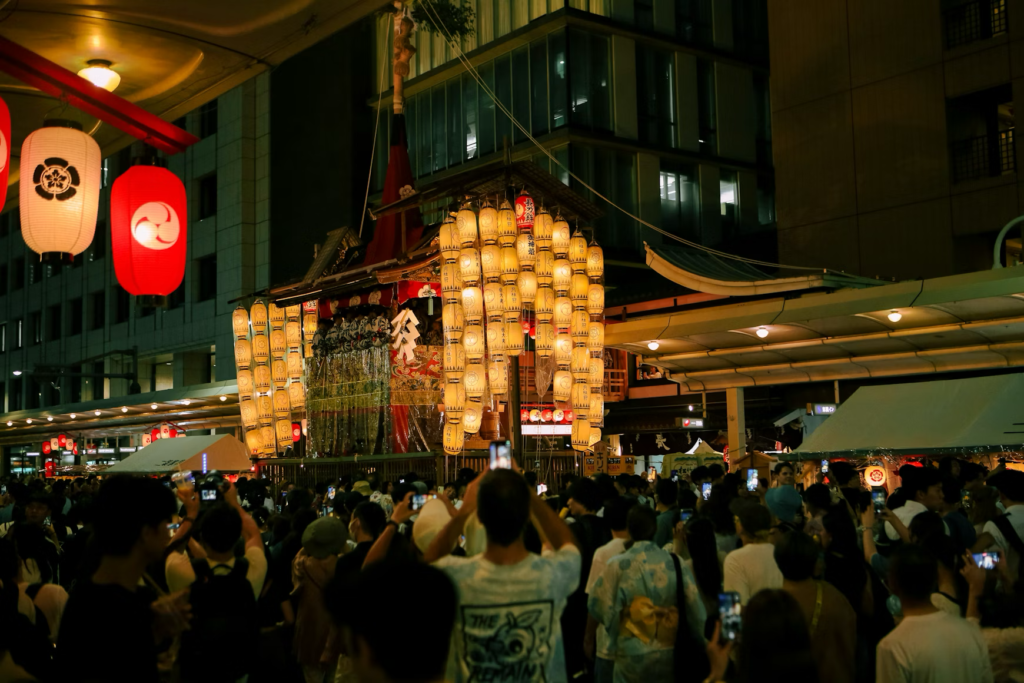
As the rainy season ends, Japan’s summer festivals take center stage. The Gion Matsuri in Kyoto, one of Japan’s most famous festivals, features elaborate parades, traditional music, and religious ceremonies. Additionally, fireworks festivals (hanabi taikai) are held across the country, offering visitors a chance to enjoy Japan’s stunning pyrotechnic displays while soaking in the lively atmosphere of summer nights.
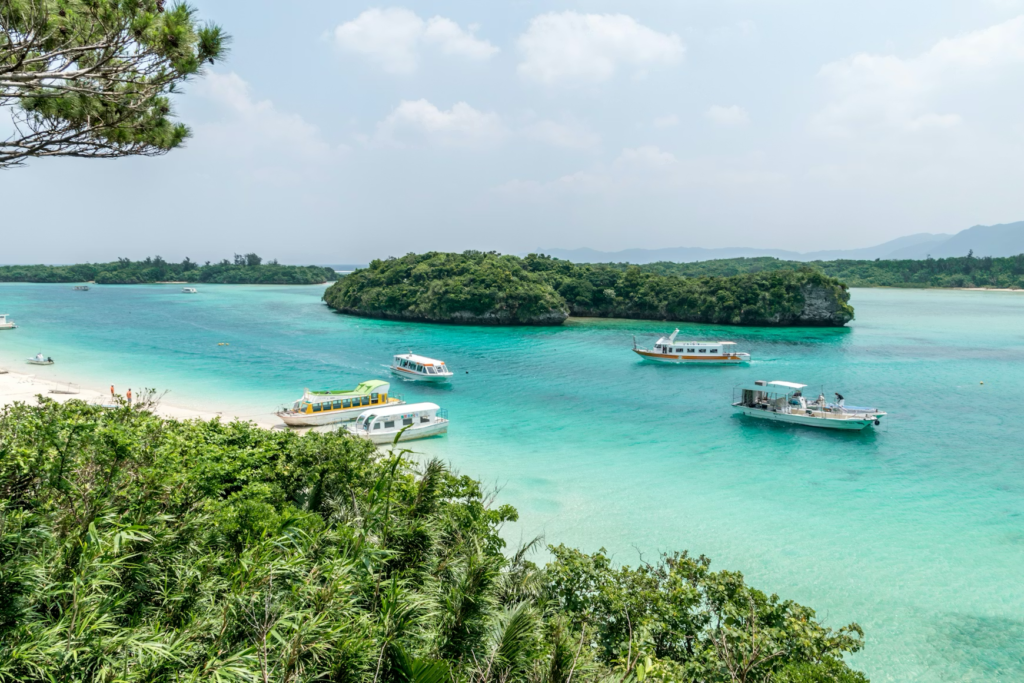
For those who enjoy outdoor activities, summer is a great time for hiking in regions like the Japanese Alps or exploring coastal areas like Okinawa. If you prefer cooler temperatures, consider heading to the northernmost island of Hokkaido, where summer temperatures are more bearable, and the lavender fields are in full bloom.
Autumn: Nature’s Colorful Canvas (September to November)


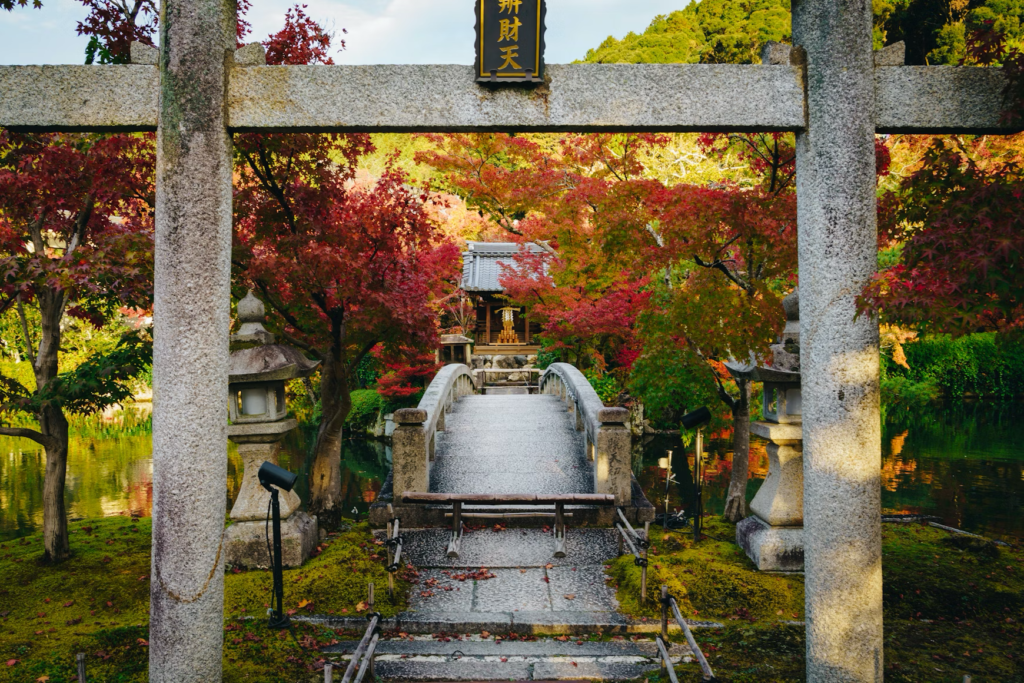
Autumn in Japan is a season of breathtaking natural beauty. As the temperatures cool, the country transforms into a canvas of vibrant autumn leaves. The koyo (autumn foliage) season peaks in November, with areas like Kyoto, Nikko, and the Japanese Alps offering spectacular views of red, orange, and yellow leaves. Many visitors travel to these areas for the picturesque landscapes and tranquil atmospheres that autumn brings.

Along with the stunning foliage, autumn is a time for harvest festivals and food-centric celebrations. In cities and towns across the country, you’ll find seasonal delicacies such as matsutake mushrooms, persimmons, and chestnuts featured in meals. This is the perfect time for food lovers to experience Japan’s seasonal cuisine.
The weather during autumn is crisp and pleasant, with temperatures averaging between 50°F and 70°F. If you prefer milder weather, early autumn (September to October) is ideal. However, this period also coincides with typhoon season, so it’s essential to check the weather forecast and plan accordingly. Late autumn offers cooler but generally more stable weather.
Winter: Snowy Landscapes and Onsen Relaxation (December to February)

Winter in Japan is a magical time, especially for those who enjoy snow sports or seeking relaxation in an onsen (hot spring). In northern regions such as Hokkaido, you’ll find world-renowned ski resorts like Niseko, famous for its light powder snow, offering excellent skiing and snowboarding opportunities. The snow-covered landscapes of this region also make it a dream destination for photographers.

Beyond skiing, winter in Japan is perfect for those looking to unwind in an onsen. Areas like Hakone, Ibusuki, and Beppu are famous for their hot springs, where you can soak in steaming mineral-rich waters while surrounded by snowy mountains.
Japan’s winter festivals are another highlight. The Sapporo Snow Festival, held in February, is an internationally recognized event, with elaborate ice sculptures and snow displays attracting tourists from around the world.
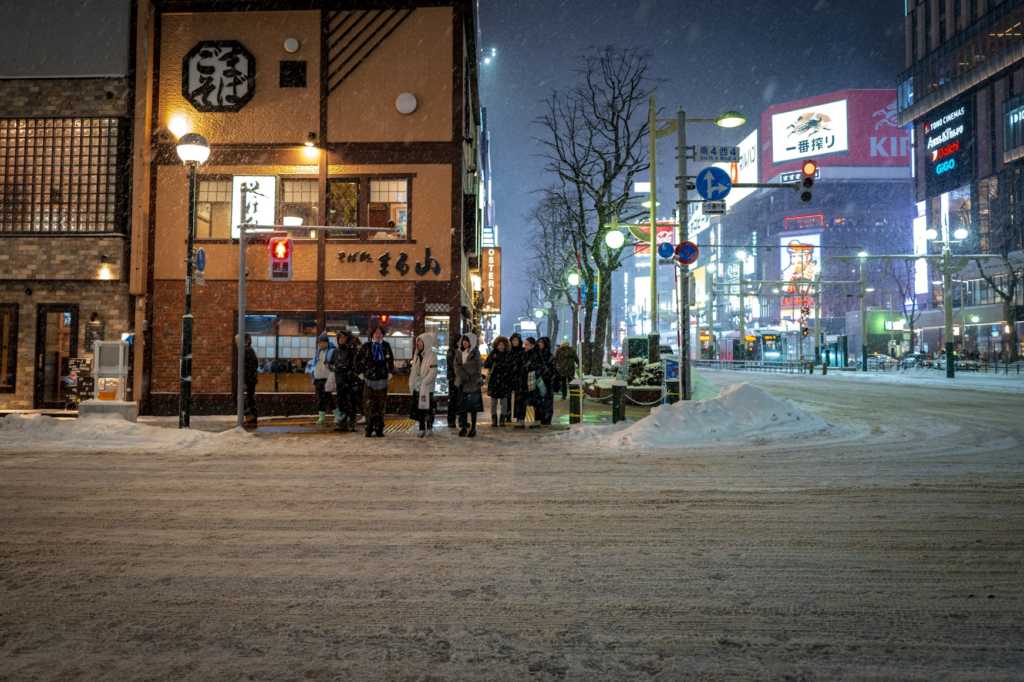
Temperatures in winter can range from 30°F to 50°F, depending on the region, with colder temperatures in the north. The southern regions like Okinawa remain mild, making it a good alternative if you aren’t fond of the cold. If you’re planning to visit during winter, pack appropriately for the chilly weather, especially in the mountainous areas where snowfall is heavy.
Choosing the Best Time to Visit Japan
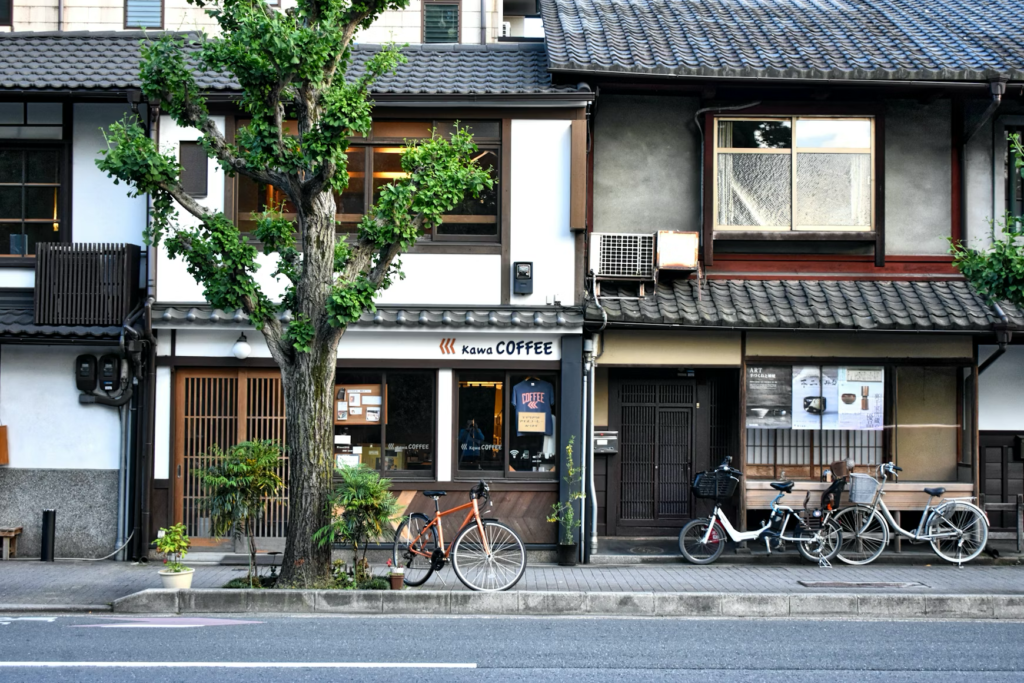
The best time to visit Japan ultimately depends on your interests. For those captivated by nature and festivals, spring and autumn offer unforgettable experiences with cherry blossoms and vibrant foliage. Summer is a fantastic option for those who enjoy lively festivals, fireworks, and hiking, though it comes with high humidity and potential typhoons. Winter, with its snowy landscapes and onsen experiences, is perfect for those looking for a peaceful retreat or snow adventures.
When planning your trip, it’s essential to consider the season’s weather conditions, regional differences, and the activities you want to prioritize. Japan’s efficient transportation system makes it easy to travel between regions, so even if you visit during a peak season, there are ways to avoid crowds by exploring lesser-known areas.
Final Thoughts
Japan’s seasons provide a diverse range of experiences, ensuring that no matter when you visit, there’s something unique to enjoy. By understanding what each season offers and aligning it with your personal interests, you can craft a memorable travel experience in this beautiful country. Whether you’re exploring cherry blossoms in spring or relaxing in a hot spring during winter, Japan’s ever-changing landscape will make every visit special.