


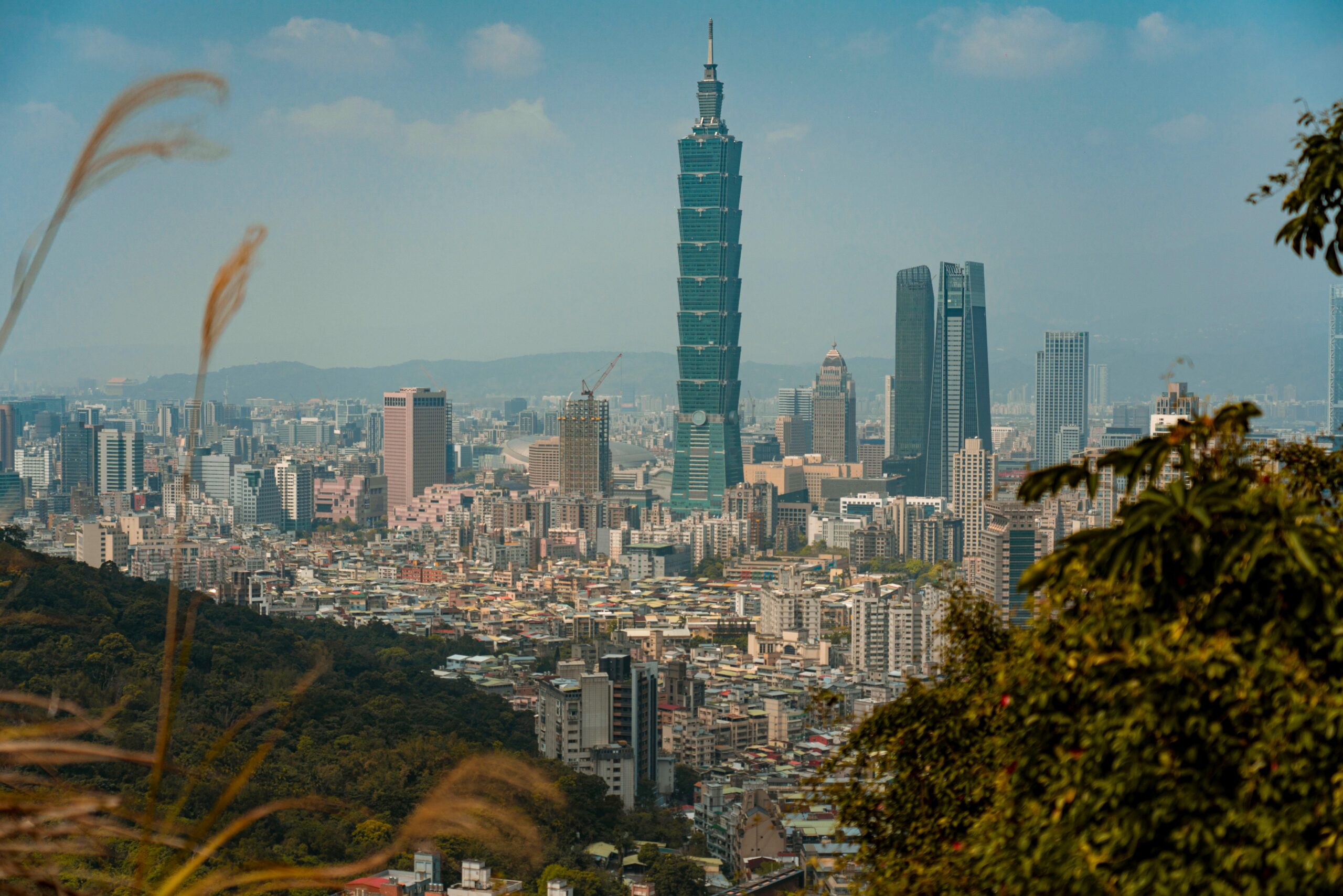
Taiwan often feels easy to enter, with movement settling quickly into something familiar as transport works smoothly and distances remain manageable, creating the early impression that time can be compressed without consequence. The first days move lightly, filling themselves without much effort as repetition gradually enters the day and routine begins to take hold. The question of how long to stay in Taiwan forms gradually, as days begin to echo one another, movement settles into something familiar, and anticipation gives way to a quieter sense of continuity.
The Early Stretch of Momentum
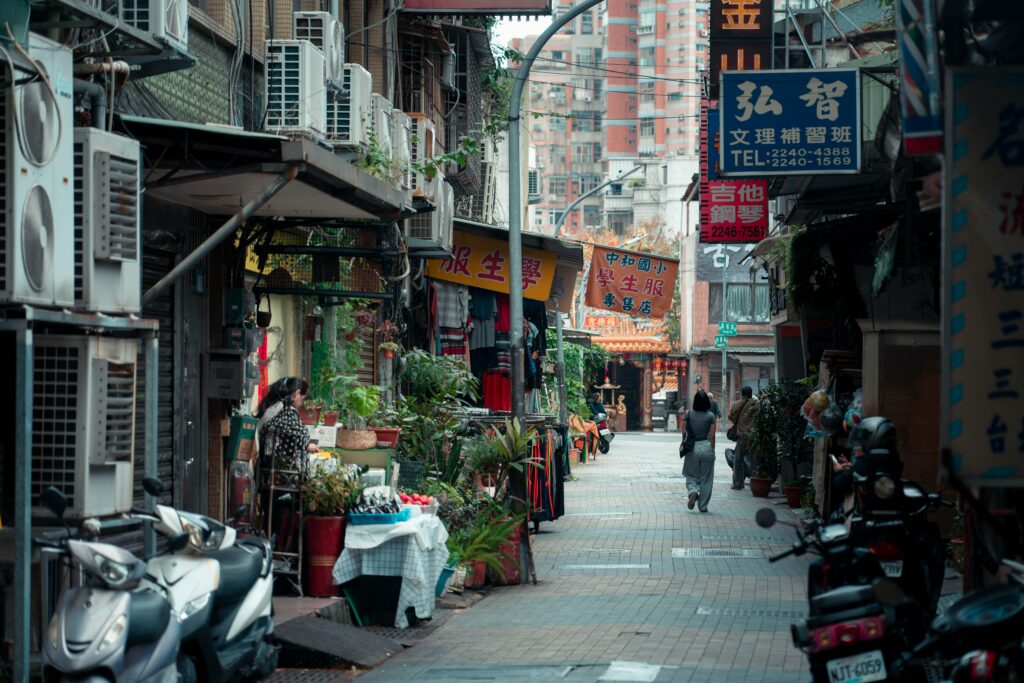
At the beginning, Taiwan carried momentum naturally. In Taipei, attention gathers through small variations, neighborhoods and meals falling into place as daily movement stays compact. Day trips settle neatly, and logistics remain quiet enough for the day to stay open.

During this phase, time feels generous. The city offers just enough change to keep attention engaged, and travel still carries the promise of difference, even as routes begin to repeat and habits start to form quietly in the background.

When Patterns Begin to Surface

As days stack, patterns take shape. Morning routines settle, transit becomes familiar, and cafés and streets return with a soft consistency that only repetition makes visible. Movement carries on, tracing familiar ground as the days begin to fold inward. This repetition comes through ease and through the growing absence of friction that once demanded active attention. The day continues to function smoothly, carrying itself more lightly as it goes.
Extending Beyond the Urban Rhythm

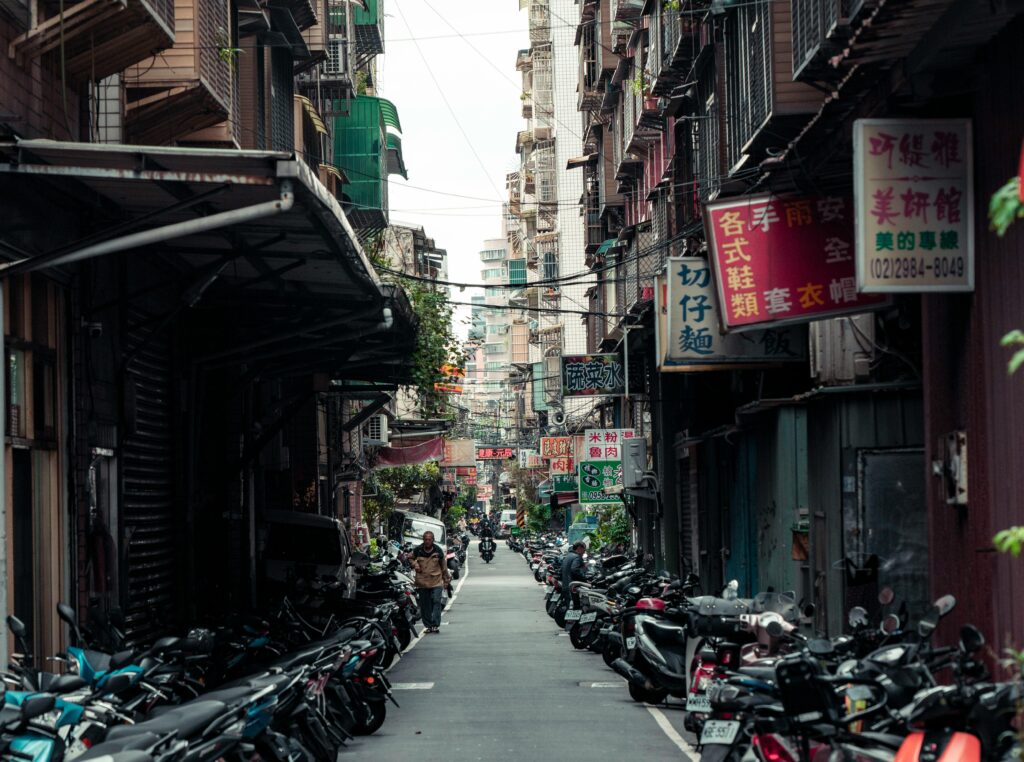
Leaving the city introduces variation gradually. Travel days stretch time, transfers begin to shape the day, and landscapes shift as movement takes on more weight. With longer stays, these changes have time to settle, and places begin to connect through routine as differences soften into continuity.

The Point Where Time Levels Out
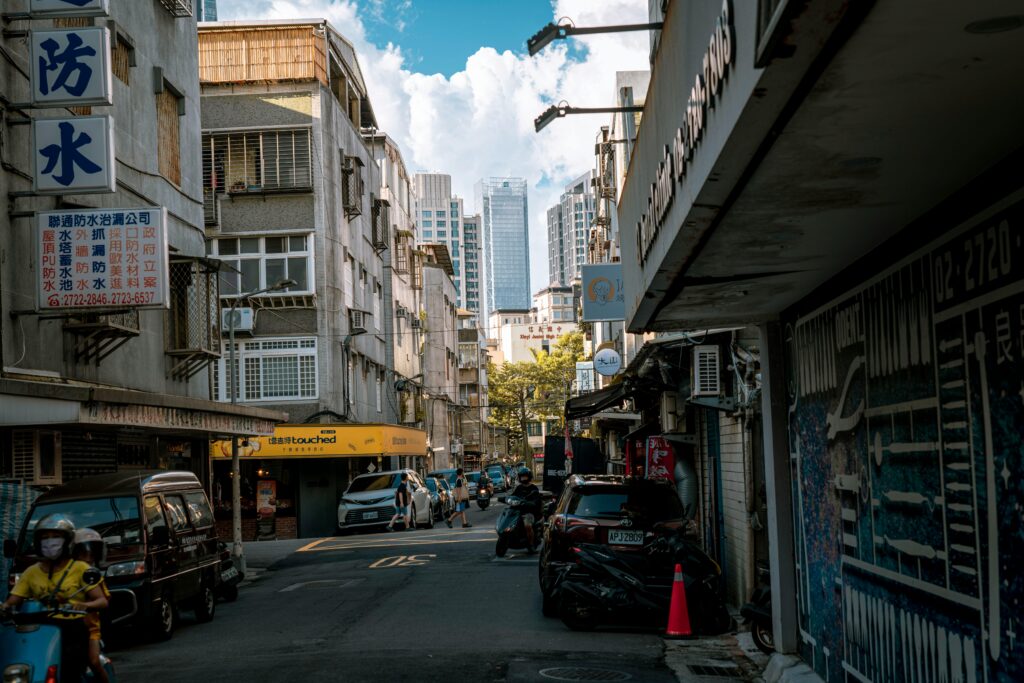

There is a point when adding days no longer changes the feel of the trip in obvious ways. Taiwan remains comfortable, navigable, and present, while the sense of progression slows. Days hold together easily, settling into a more contained shape. This is often where travelers begin to adjust pace, either by slowing down further or by moving on, depending on how much repetition they feel comfortable carrying.
Finding the Right Length
How long you stay in Taiwan becomes clearer through attention to pace. As days repeat, time begins to take on different qualities, sometimes carrying momentum, sometimes easing into familiarity, each shaping the experience in its own way. A sense of having stayed long enough settles in quietly through repetition, as the days begin to feel complete without asking for more.
