


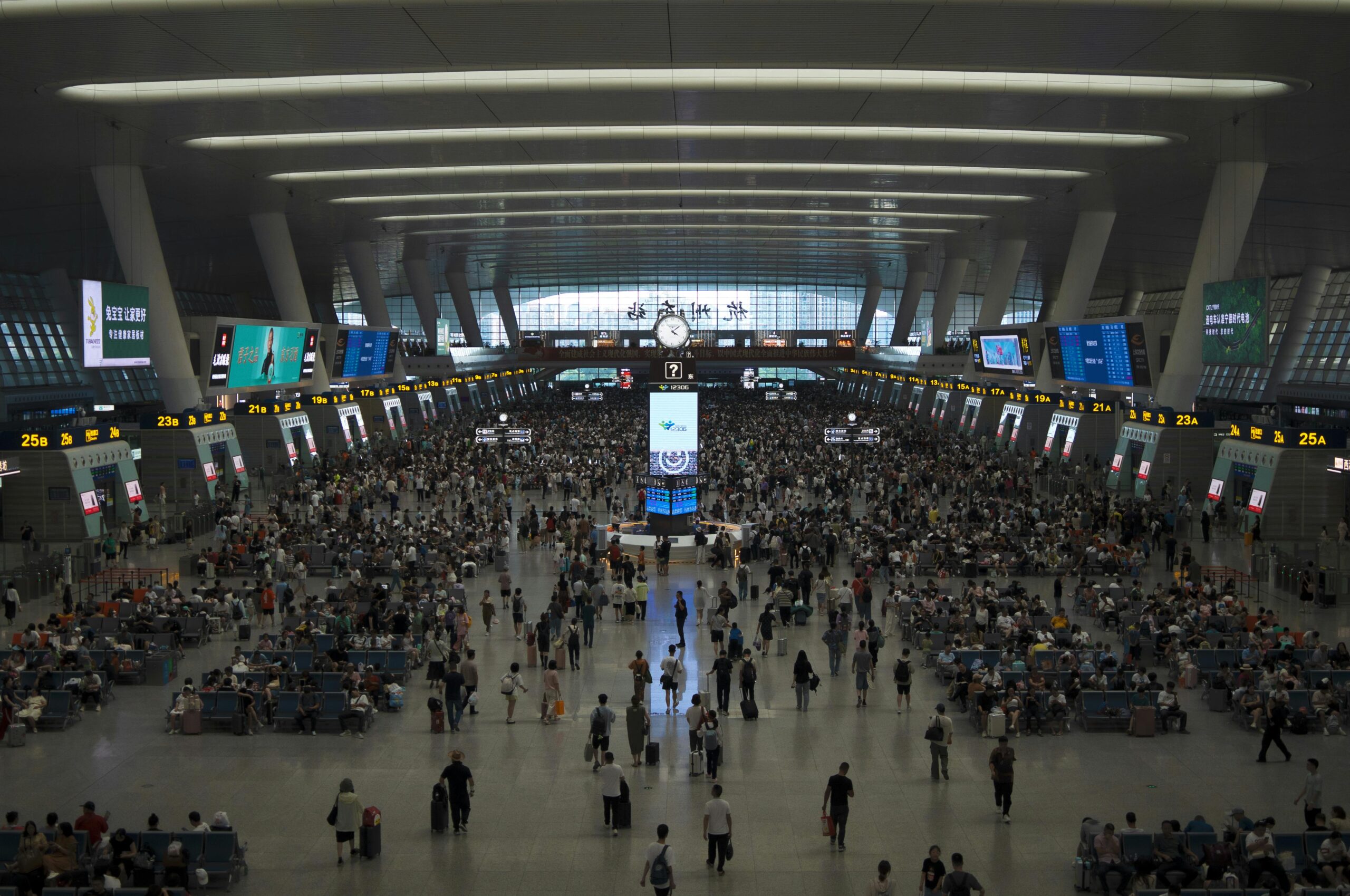
Getting around China is often imagined through distance, measured in kilometers between cities or hours on a map. In practice, the experience takes shape through scale, through how vast places feel once movement begins. Movement stretches because volume, coordination, and timing quietly expand every transition once the journey is underway. Days often carry past the point of departure, stretching through stations, queues, transfers, and arrival flows, with motion continuing long after the vehicle stops.
How Scale Reshapes the Day

In China, travel days tend to carry their own weight. Major stations operate like small cities, absorbing thousands of travelers at once, with security checks, boarding procedures, and platform access shaping the pace before the journey even starts. Trains and flights run reliably, though the surrounding movement often extends the experience beyond the timetable. What looks efficient on paper unfolds gradually in practice, as each step connects into the next, turning even short distances into full segments of the day.
High-Speed Rail and the Feeling of Continuity
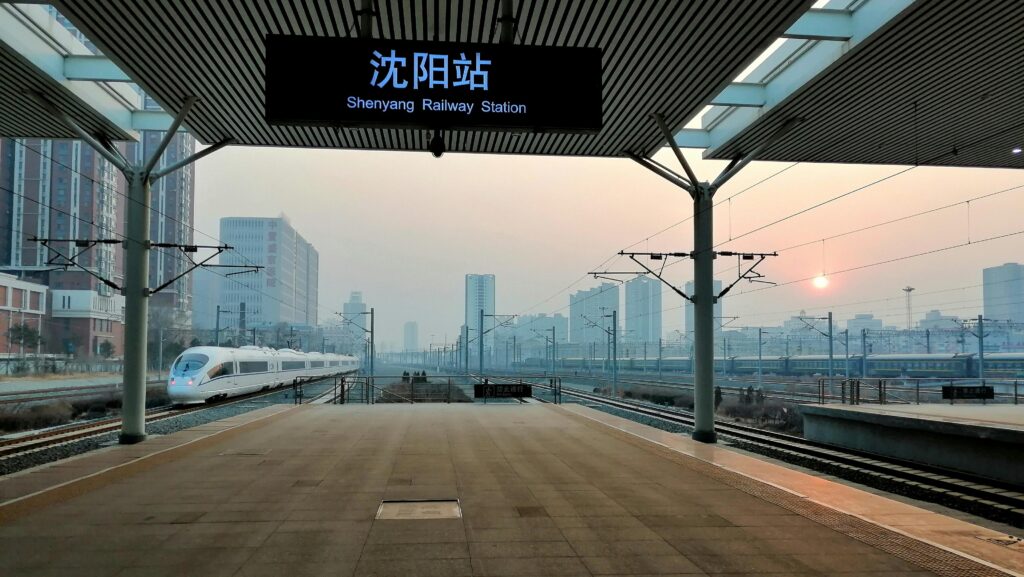
High-speed rail defines long-distance movement across much of the country.

Trains move quickly, schedules remain consistent, and cities link together with impressive reach. The experience extends well beyond the journey itself. Stations sit far from city centers, boarding adds layers of process, and arrival flows continue well past the platform. Rail travel stretches into a continuous corridor, where movement carries from platform to platform and the day continues to move with it.
Air Travel and the Weight of Transitions

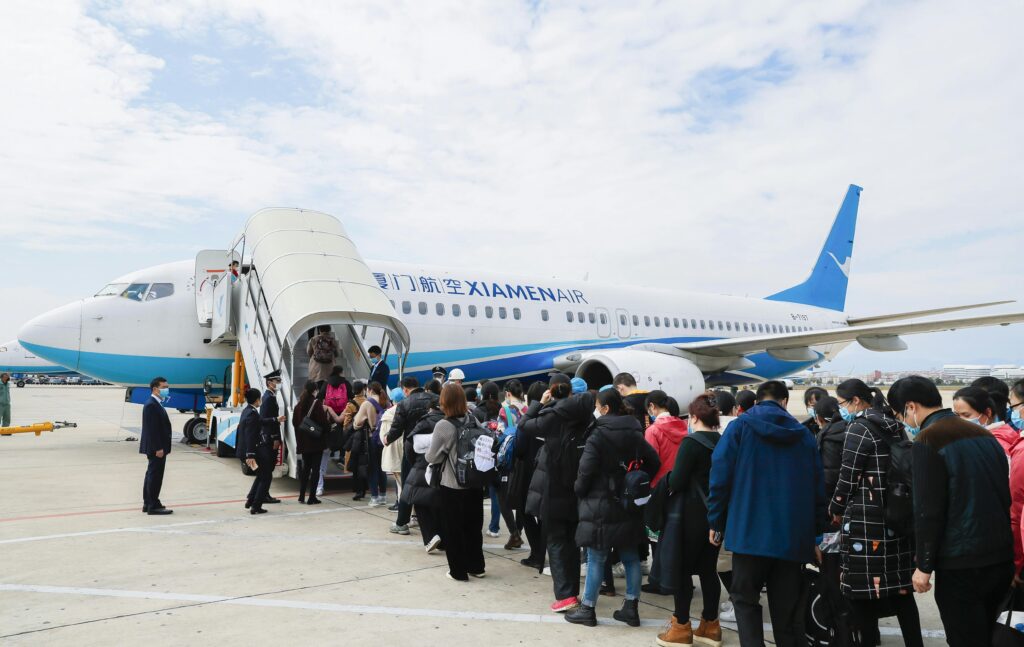
As distances widen, flights take on a different sense of scale through the infrastructure around them. Airports require time to enter, navigate, and exit. Security, boarding, and ground transfers accumulate quietly, stretching the travel window outward. The flight itself may be short. The movement around it stretches well beyond the time spent in the air.
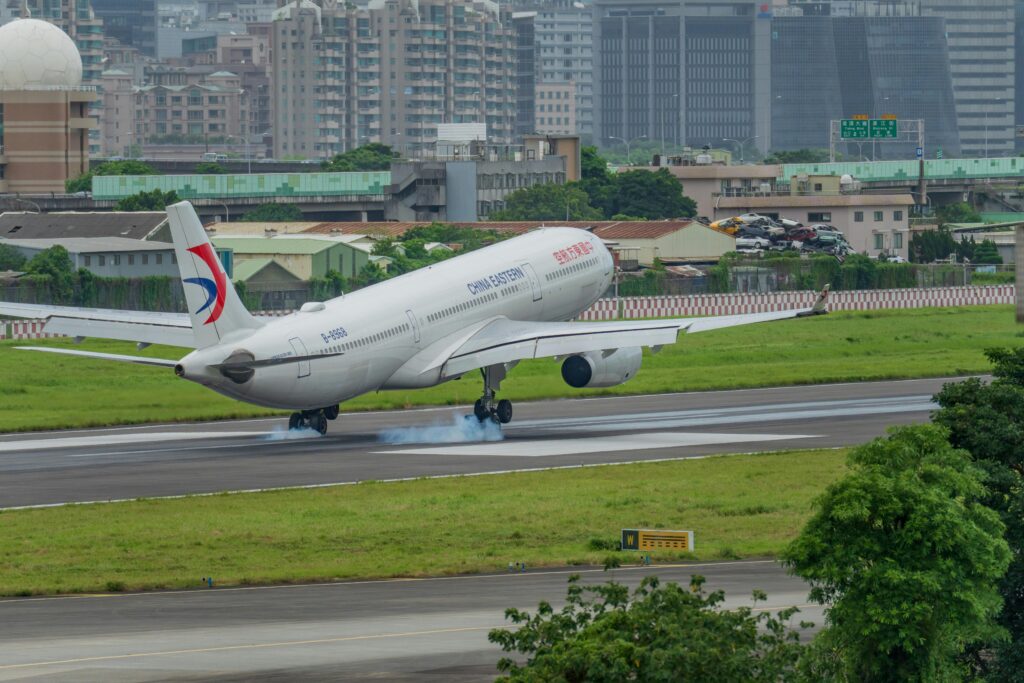
Cities That Move Vertically and Horizontally
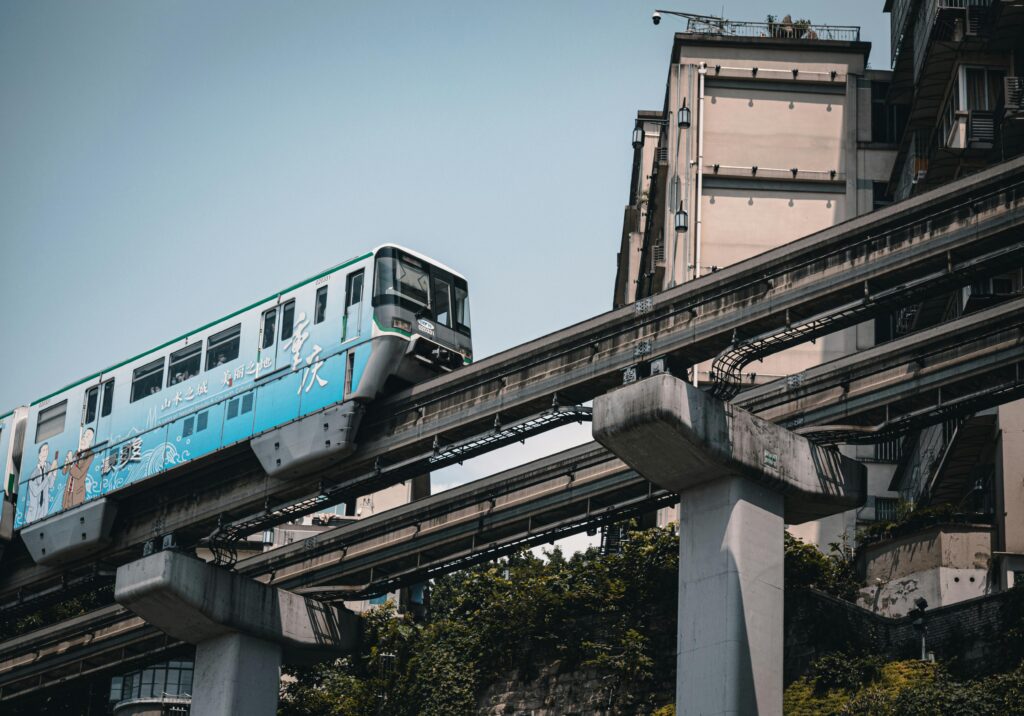
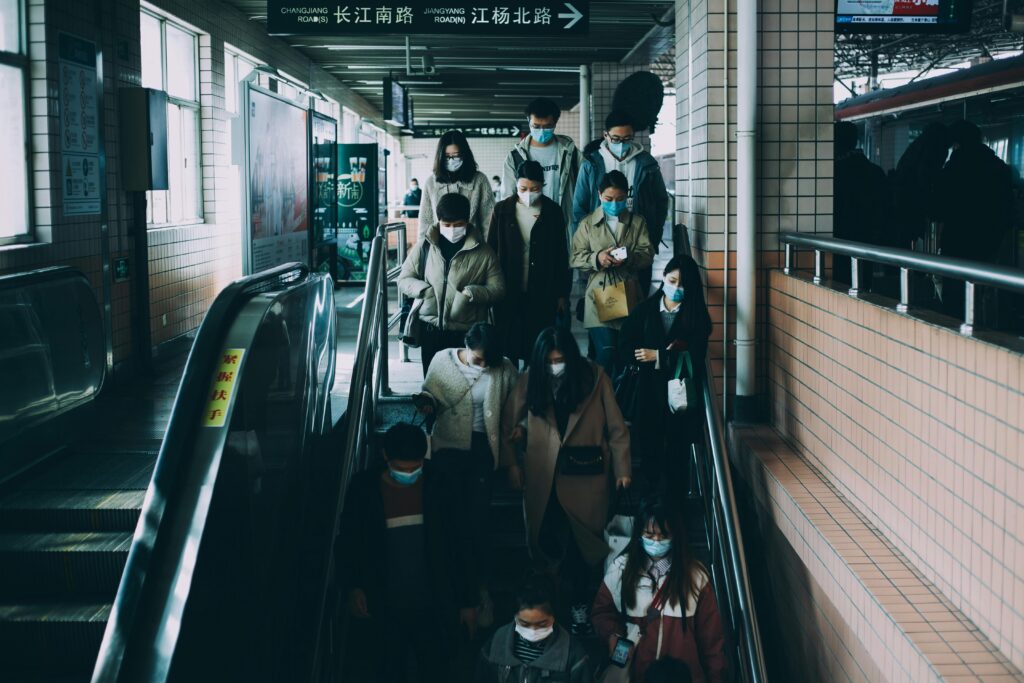
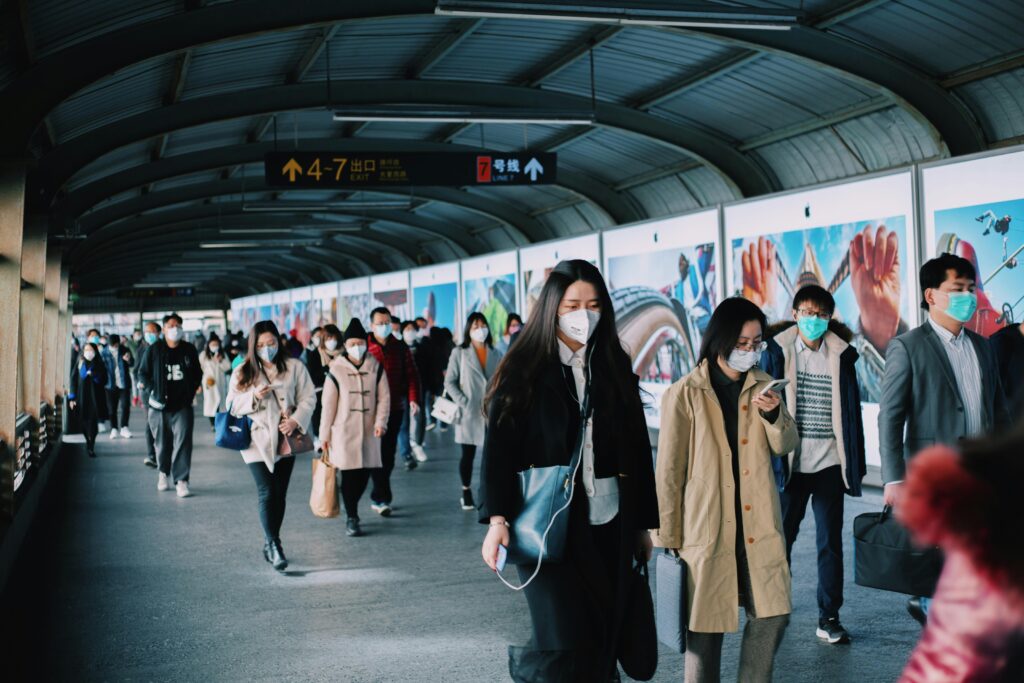
Urban transport in China operates across multiple layers at once. Metro systems run deep underground and wide across the city, connecting neighborhoods efficiently while absorbing large volumes of daily movement. Transfers remain functional as crowds funnel through shared spaces, stretching the experience over time. Movement stays smooth, with effort increasingly directed toward maintaining orientation inside systems designed to handle scale.

Planning With Fewer Moves
Because movement carries weight, planning benefits from restraint. Fewer city changes allow rhythm to settle. Longer stays reduce the number of full-scale transitions required, easing how days connect to one another. Routes that minimize backtracking and avoid unnecessary transfers tend to preserve energy over time.
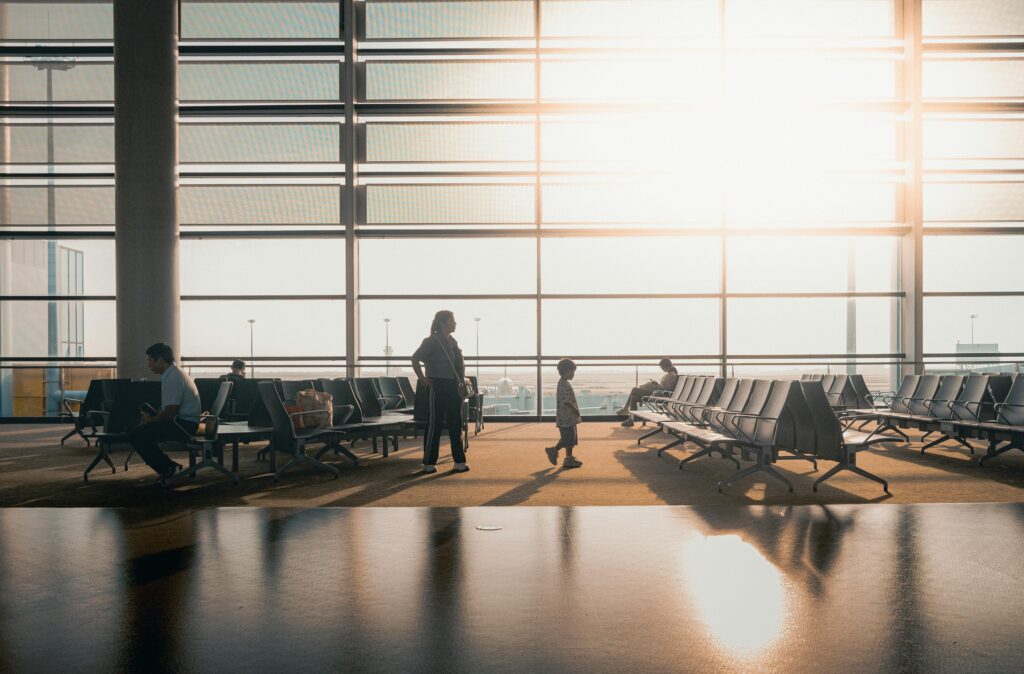
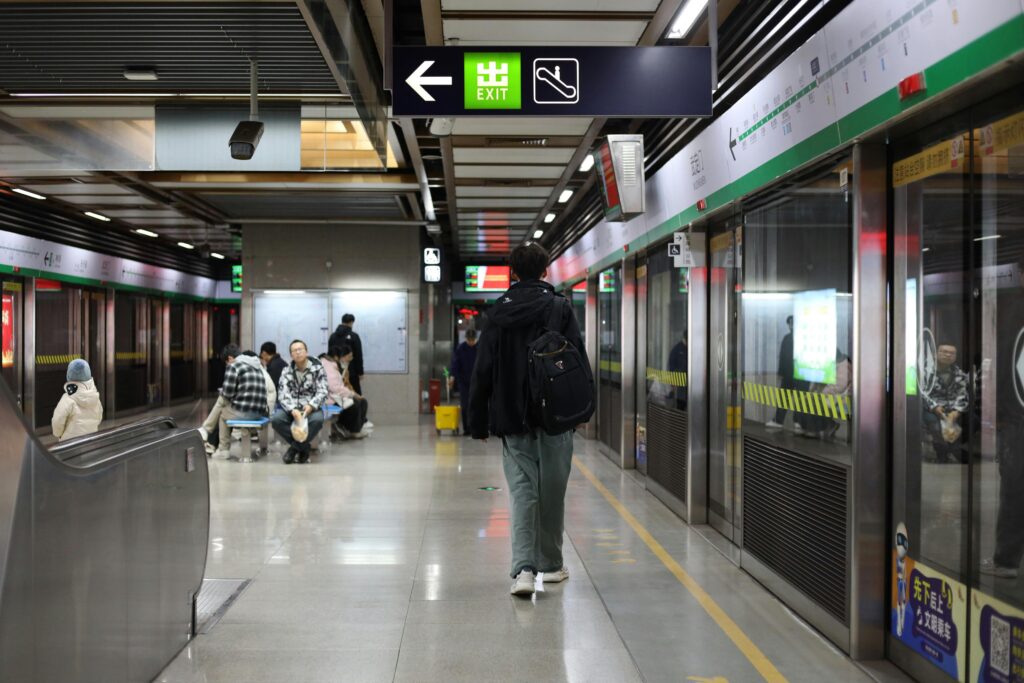
Travel becomes less about covering ground and more about allowing movement to integrate naturally into the trip.
When Scale Becomes the Primary Consideration
In China, transportation planning works best when scale replaces distance as the primary lens. The country functions impressively, though it asks travelers to account for how much shared movement exists at any given moment.

Days open more easily when transitions are limited. They feel heavier when movement stacks repeatedly without pause. Understanding that shift often defines how travel through China feels, long before the destination itself fully comes into view.
