


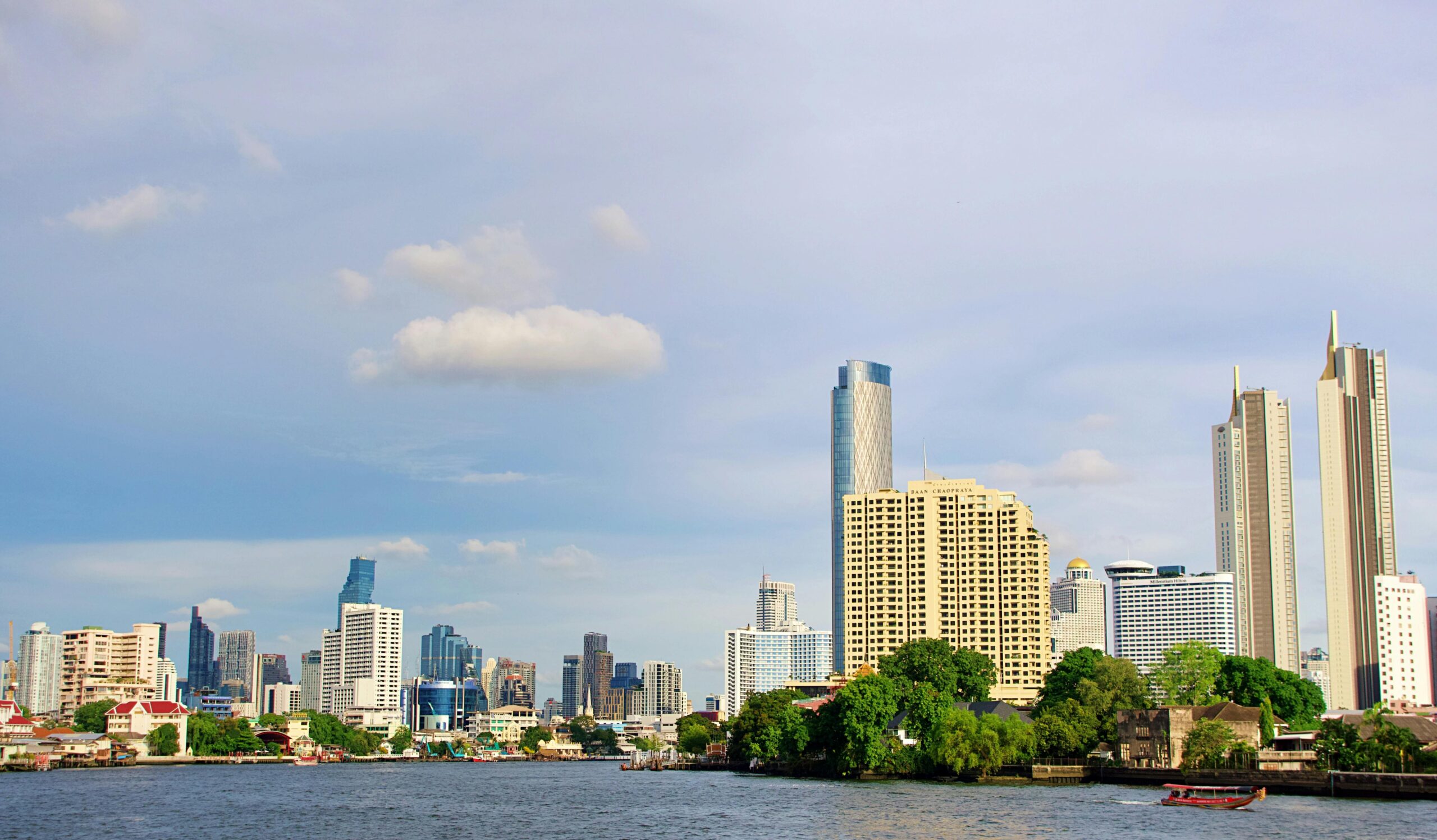
Thailand is often described as a cheap travel destination, and in many ways that reputation still holds. Meals can be inexpensive, transport is accessible, and accommodation spans a wide range of price points. What tends to surprise travelers is how quickly spending adds up once the trip begins to move.
Budgeting for Thailand works best when it shifts away from daily numbers and toward how money behaves across the full length of a trip. Costs rarely feel heavy in isolation. They accumulate through movement, convenience, and repetition, often without drawing attention to themselves. Understanding this dynamic is key to planning a Thailand trip that feels financially comfortable from start to finish.
Why Thailand Feels Affordable at First
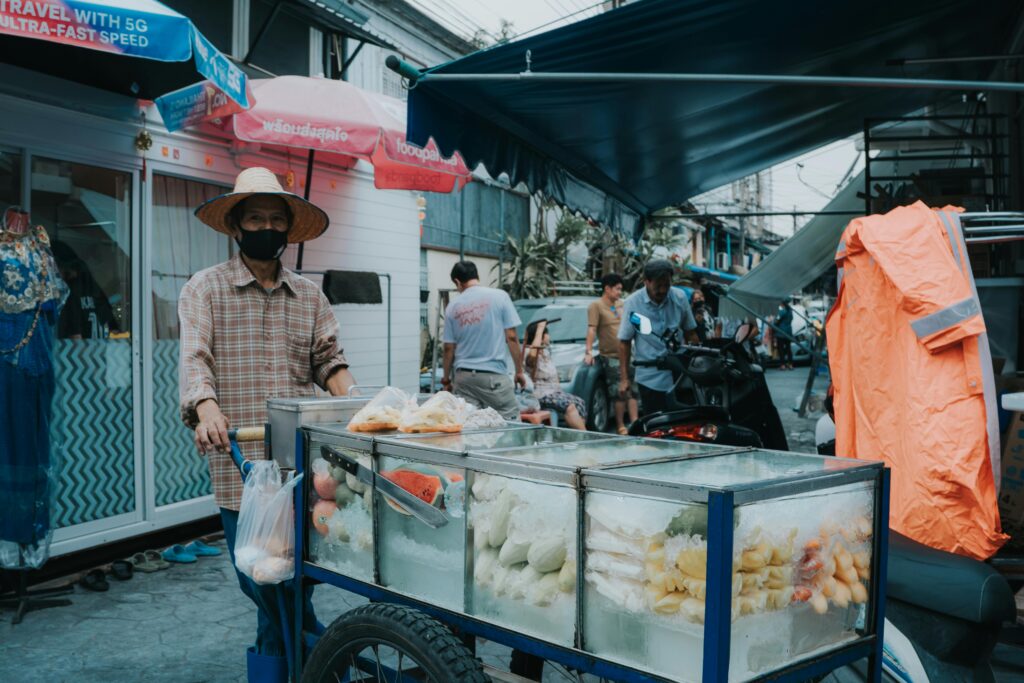
On arrival, Thailand often feels easy on the wallet. Street food is widely available, short rides cost very little, and basic accommodation delivers strong value for the price. Early days tend to reinforce the idea that money will stretch far without effort.
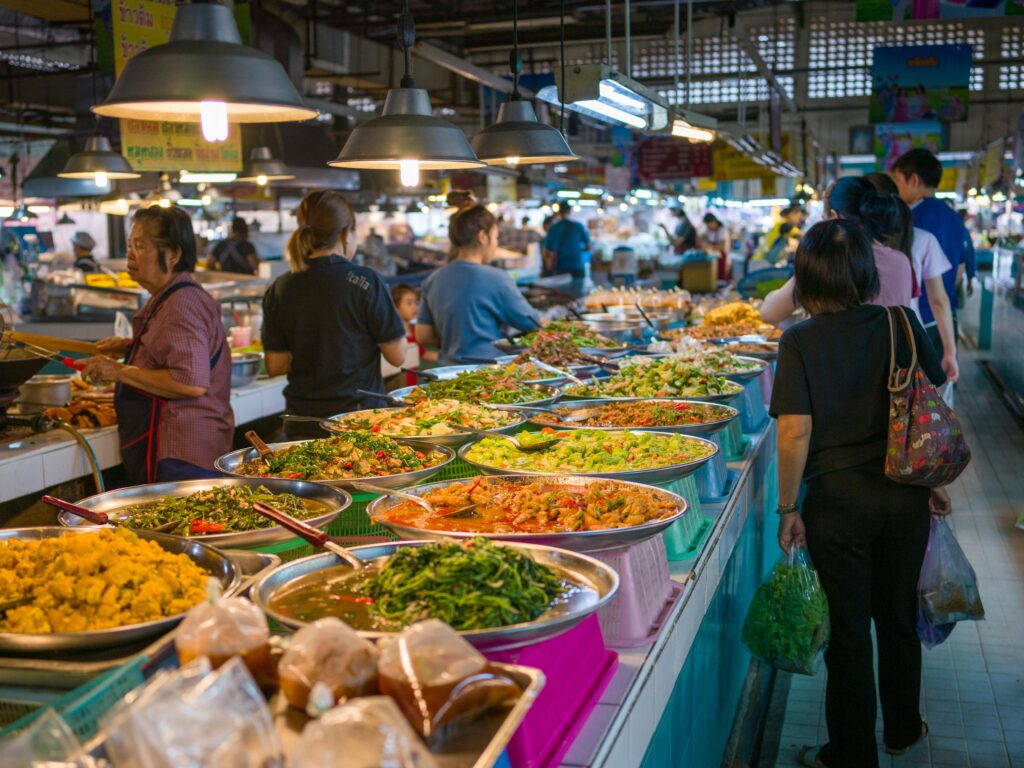
This initial comfort can shape expectations. Travelers move freely, say yes to activities, and adjust plans spontaneously. None of these choices feel expensive on their own, and that is where Thailand’s budget dynamic begins to take shape. Spending feels light because it rarely demands a single large decision.
Where Costs Quietly Build

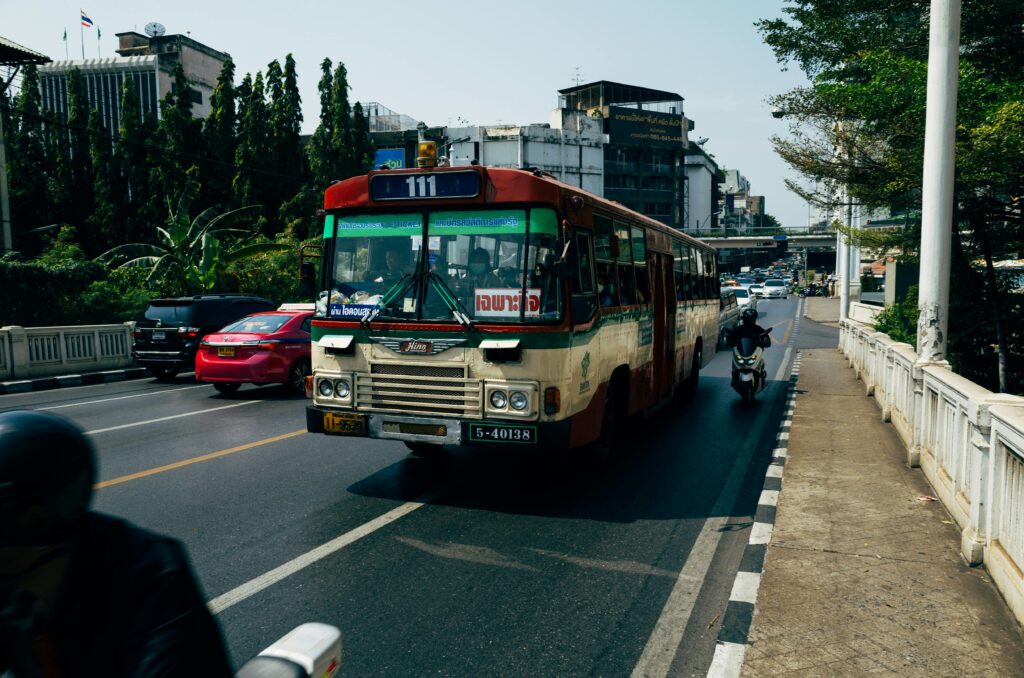
As the trip continues, costs stop feeling like spikes and start layering quietly in the background. Transport becomes the expense you barely register at first, with short rides repeating, flights quietly replacing long overland stretches, and boats or transfers appearing between destinations. Each decision feels reasonable on its own, almost invisible, yet together they begin to occupy far more of the budget than expected.

Accommodation follows a similar pattern. Thailand offers excellent value, but location and timing matter. Central areas, islands, and peak travel periods raise nightly costs without dramatically changing the experience on paper. Over several nights, the difference becomes clear.
Activities tend to sit somewhere in between. They’re often optional, almost ignorable at the start, but once you ease into a few, they quietly become what defines the rhythm of daily spending.
Daily Budgets vs Trip Budgets

Thailand is often framed through daily spending ranges, which can be misleading. A daily budget may look manageable while the overall trip total stretches further than expected. This is especially common on shorter trips, where flights, transfers, and tours carry more weight per day.
Looking at the full trip cost brings a clearer, more realistic perspective. Accommodation style, how many places you move between, and the pace of travel quietly shape spending over time. A slower trip with fewer transitions often ends up costing less overall, even when daily expenses feel higher. Budgeting becomes easier once the trip is seen as a structure.
Comfort Levels and Trade-Offs

Thailand supports a wide range of travel styles, and spending often shifts once comfort becomes part of the trip. Moving from basic accommodation to something more comfortable changes nightly costs quickly. Taxis, short flights, and easy transfers add up quietly as the days pass.

These choices shape how the trip feels. Over time, certain comforts start to matter more than others, and the budget tends to follow those preferences naturally. Most trips settle into higher spending in a few places, while the rest stays relatively simple.
Regional Differences That Matter

Thailand doesn’t cost the same everywhere. Large cities, beach destinations, and popular islands consistently demand more than northern or inland regions. Seasonal demand intensifies these differences, especially during peak travel months.

Planning your route with cost variation in mind helps prevent surprises. Mixing higher-cost regions with more affordable ones often keeps spending steady without limiting experience. Budget pressure tends to follow patterns of movement and destination choice, emerging gradually as the trip unfolds.
Planning for What Actually Adds Up
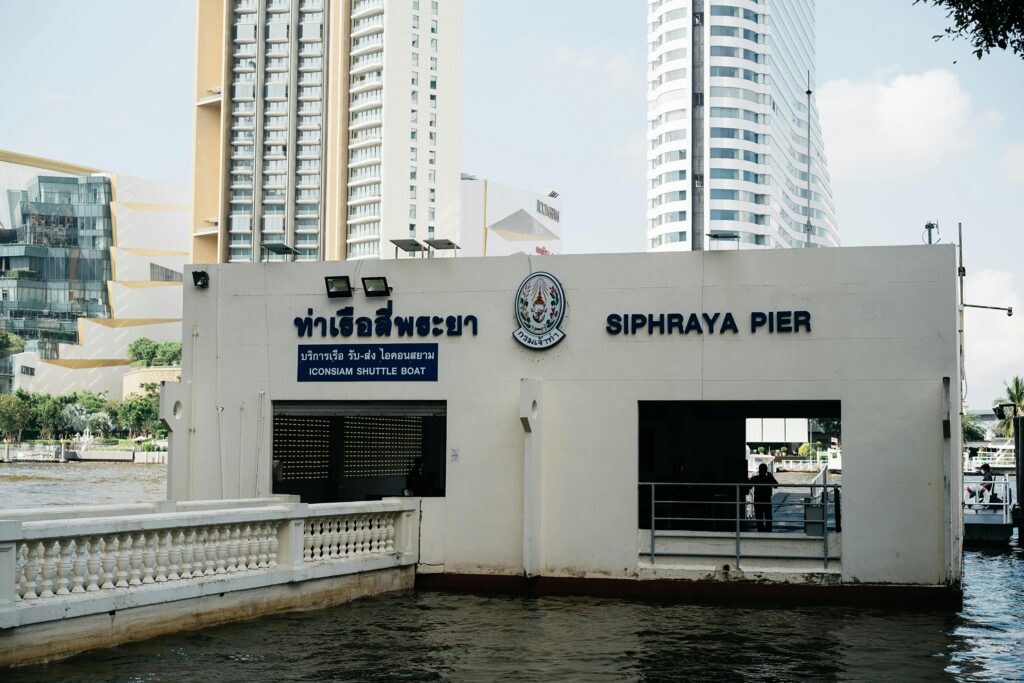
The most effective Thailand budgets account for the quiet expenses. Transfers, entrance fees, boat rides, convenience purchases, and short stays all add weight over time. These costs tend to pass quietly as they appear, becoming part of the final number without much notice.
Leaving room for flexibility makes the trip easier to manage. A budget that allows for adjustment feels lighter than one that demands constant calculation, even if the total ends up slightly higher. Thailand rewards travelers who plan for flow.
Making Thailand Feel Affordable in Practice

Thailand remains a good value, especially when compared to destinations with similar infrastructure and variety. That value becomes clear when spending aligns with travel rhythm. Fewer moves, longer stays, and clear comfort priorities usually result in a trip that feels both rich and manageable.
In Thailand, cheap often shows up less as low prices and more as flexibility. Understanding how costs behave across a trip helps Thailand’s affordability carry through the journey, staying present as the days pass.
Related Articles
Where to Stay in Bangkok: Hotels That Manage Scale and Urban Intensity
