


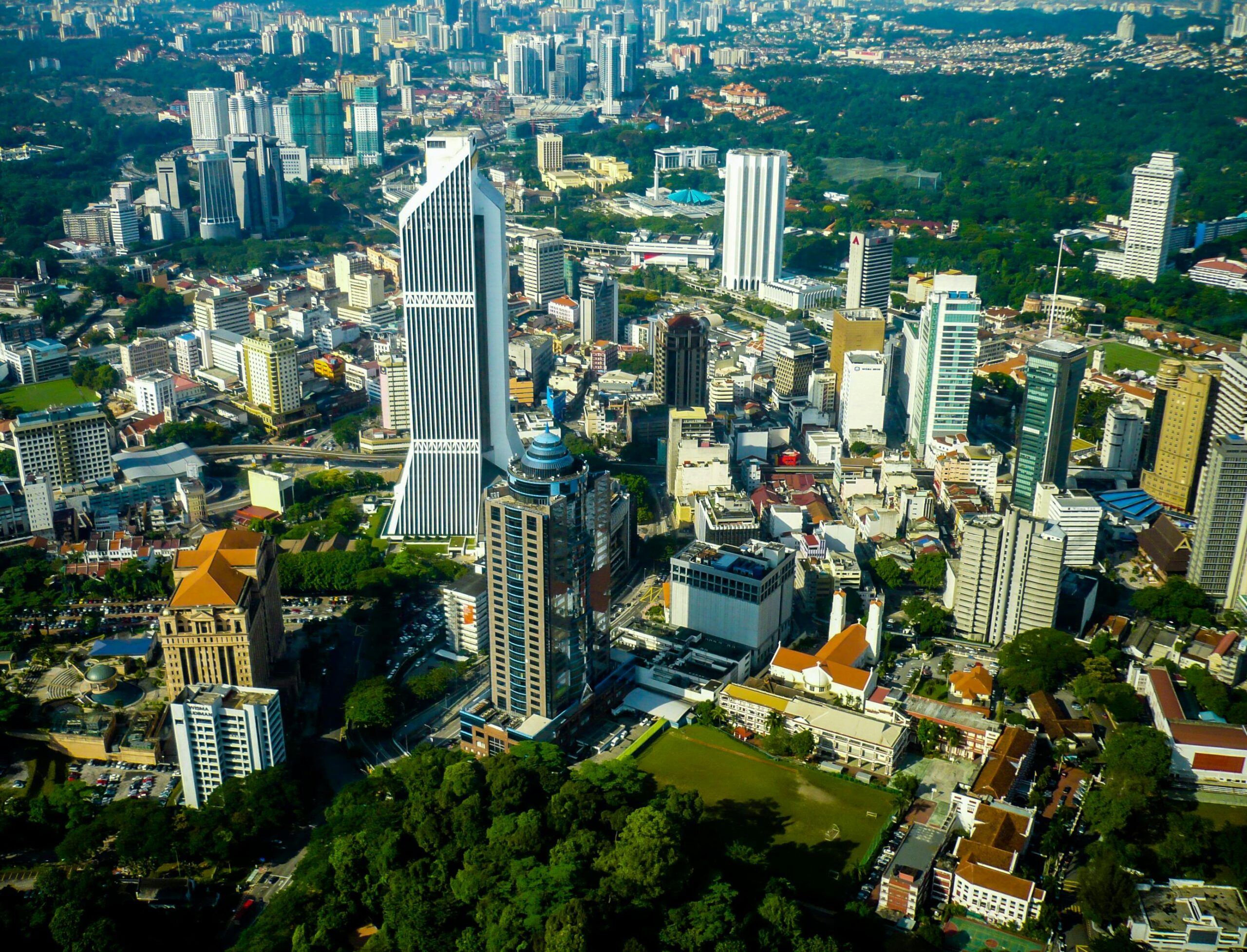
Malaysia is often planned through weather first, with rainfall charts and monsoon seasons shaping early assumptions about the best time to visit Malaysia. That focus usually feels logical before arrival, when timing appears to be the main variable to control. Once the journey begins, attention starts to drift away from forecasts and toward how the days actually move, how transitions feel, and how easily plans hold together as locations change.
What becomes clear over time is that weather rarely determines whether a day works. It influences pace, energy, and timing, though the experience itself is shaped more consistently by movement, by how often routes shift, and by how much effort is required to connect one place to the next.
When Weather Fades Into the Background
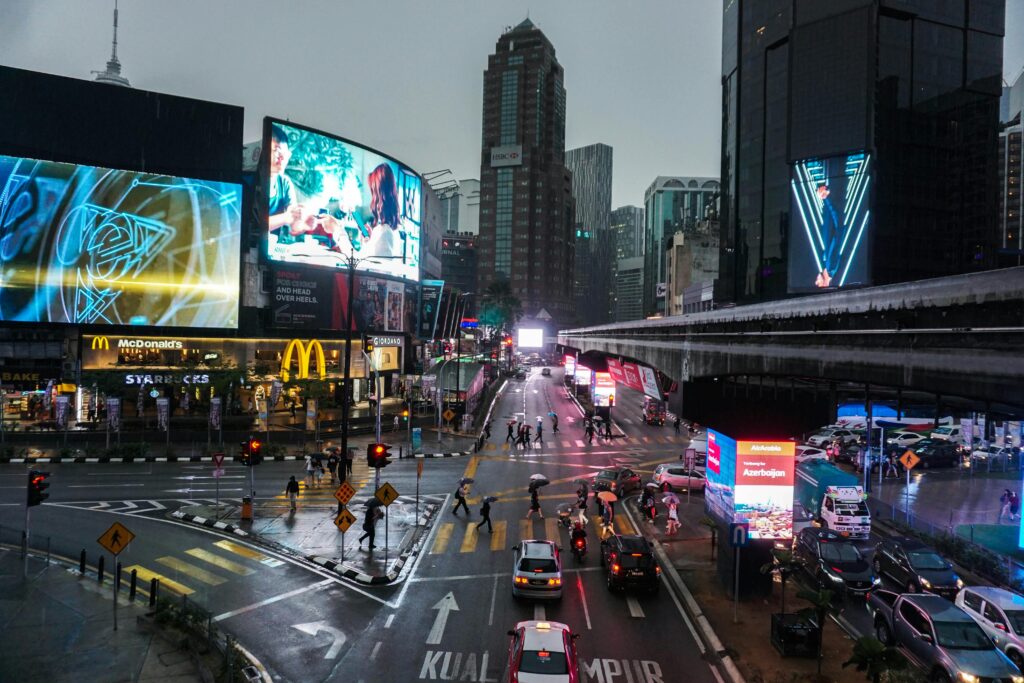
There are periods when weather settles into the day, moving quietly alongside everything else. Showers pass through quickly, heat rises and recedes in cycles, and plans continue with small adjustments that don’t interrupt the flow. Time outside remains workable, and the day holds its shape as long as expectations stay flexible.

During these stretches, cities move smoothly, with reliable transport and small shifts in weather gently adjusting the timing of the day. Movement stays steady, and attention rarely needs to return to the forecast once the day has started.
How Movement Begins to Shape the Experience

As travel extends beyond city centers, timing begins to assert itself through logistics. Ferry schedules narrow, sea crossings settle into longer cycles, and overland journeys stretch across the day. Together, these shifts shape how smoothly days connect, gradually influencing energy and pacing as the trip continues.


Rain shifts the feel of routes, humidity settles into the body, and travel days begin to carry more weight as repetition builds. Over time, the experience starts to hinge on how routes move through the season, shaping the day through pace and accumulation.
Regional Rhythms and Daily Flow
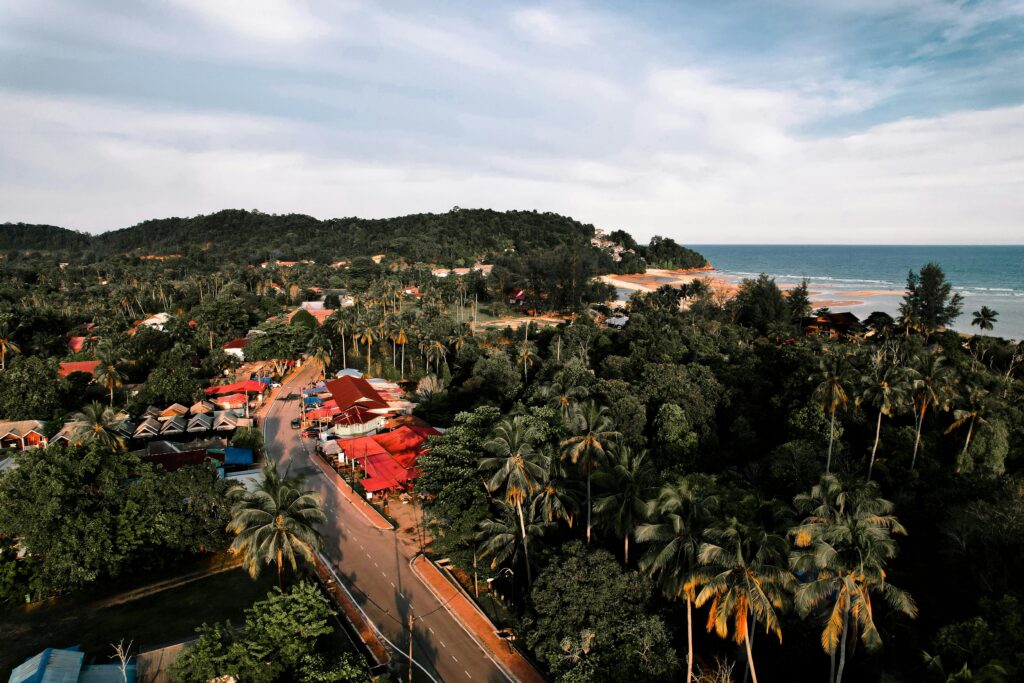
Malaysia unfolds unevenly across its regions. Some areas move with little friction, while others ask for more adjustment at the same time. Along the west coast, cities often allow days to move with relative ease, while the east coast islands follow cycles that shape when movement opens or closes. In Borneo, distance, terrain, and scale begin to set the pace, giving travel a weight that builds steadily across the days.
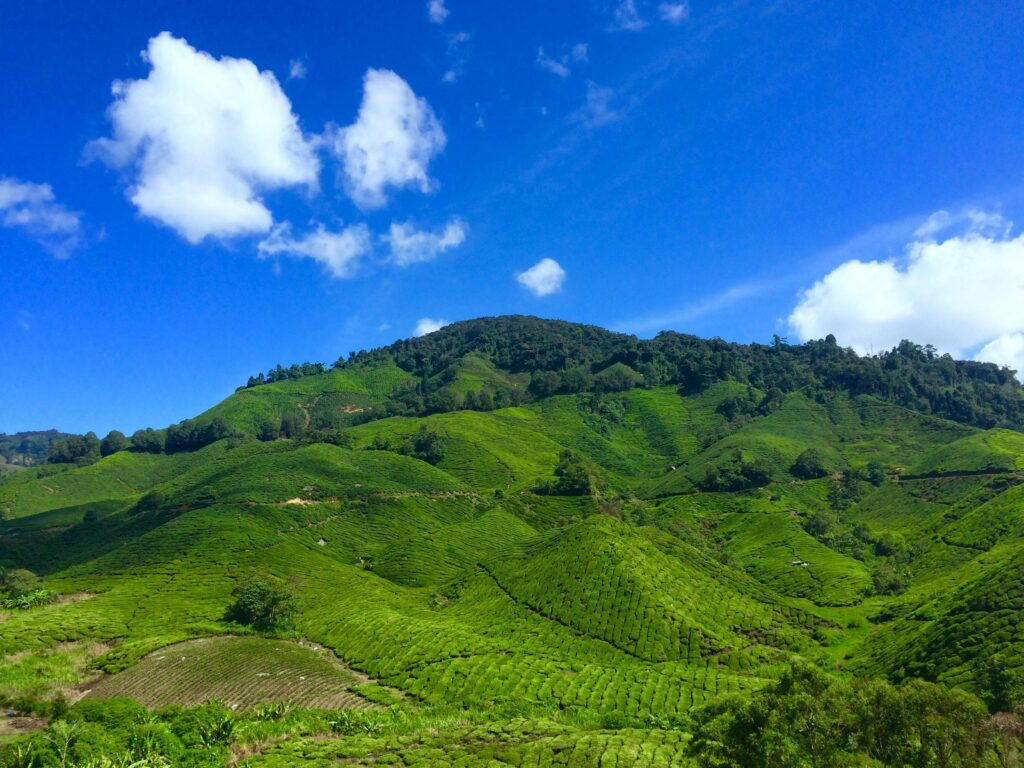
These differences surface gradually. Transit stretches, days fill at different speeds, and staying present begins to take more effort as locations change. Timing becomes something felt through experience.
Crowds, Transitions, and the Shape of the Day
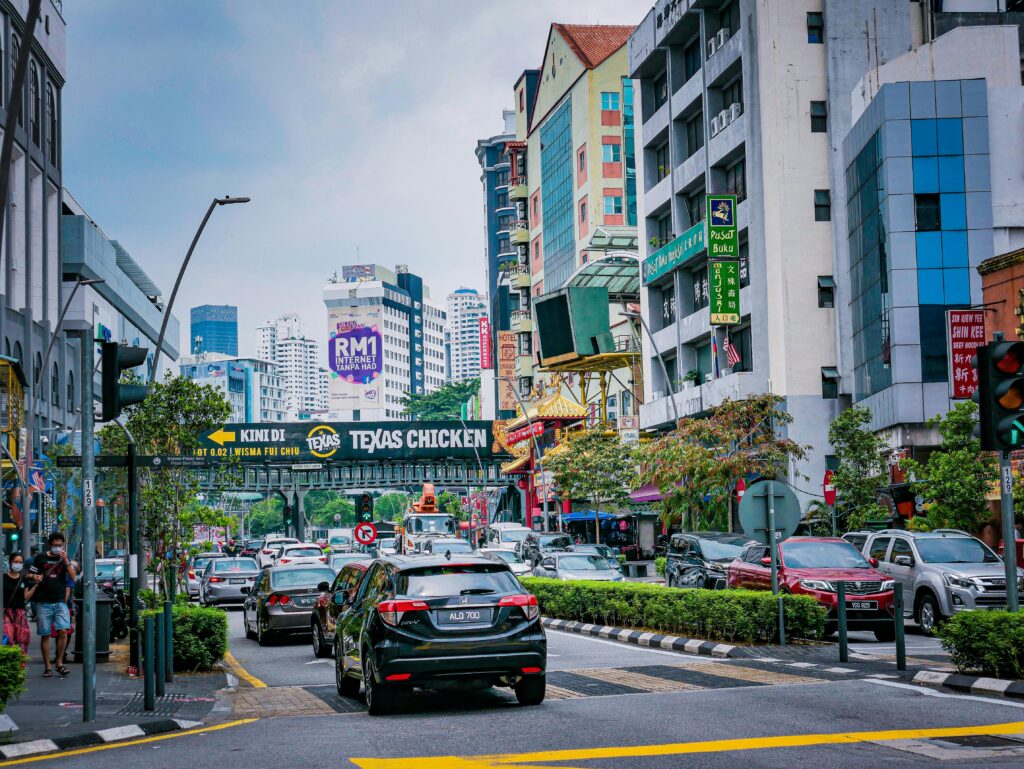
Certain periods bring more shared movement across the day. Routes grow busier, popular stops fill earlier, and transitions begin to take longer, gently tightening how the day moves from one plan to the next and how much space remains between them.
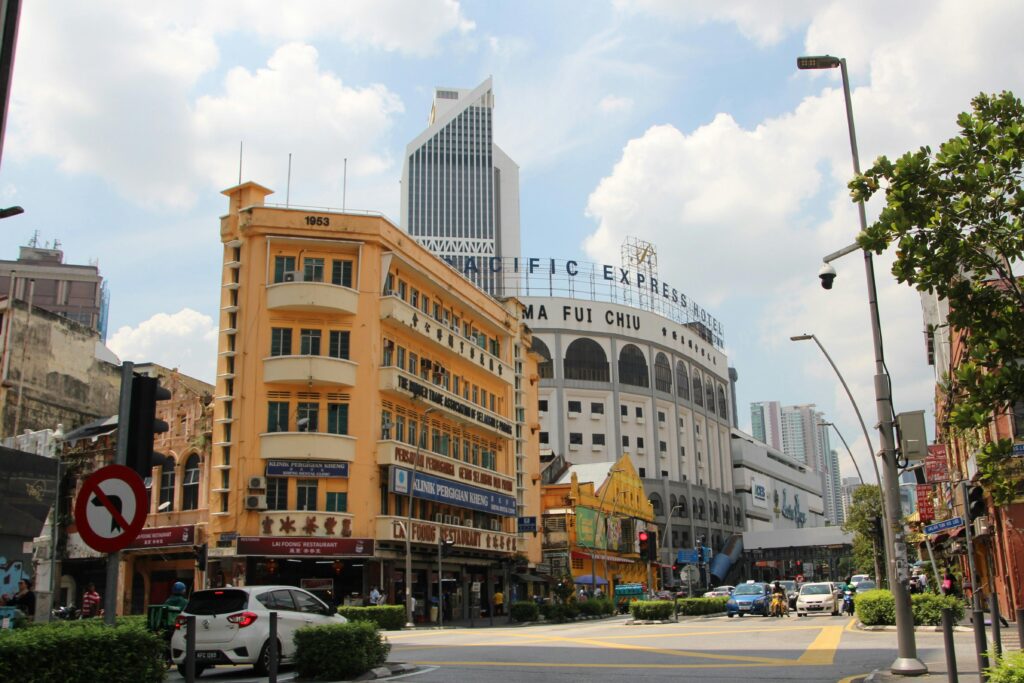
At quieter times, the same routes feel noticeably more forgiving. Days open gradually, with time settling easily between activities as pace begins to ease. Over several days, this shift shapes how the experience accumulates.
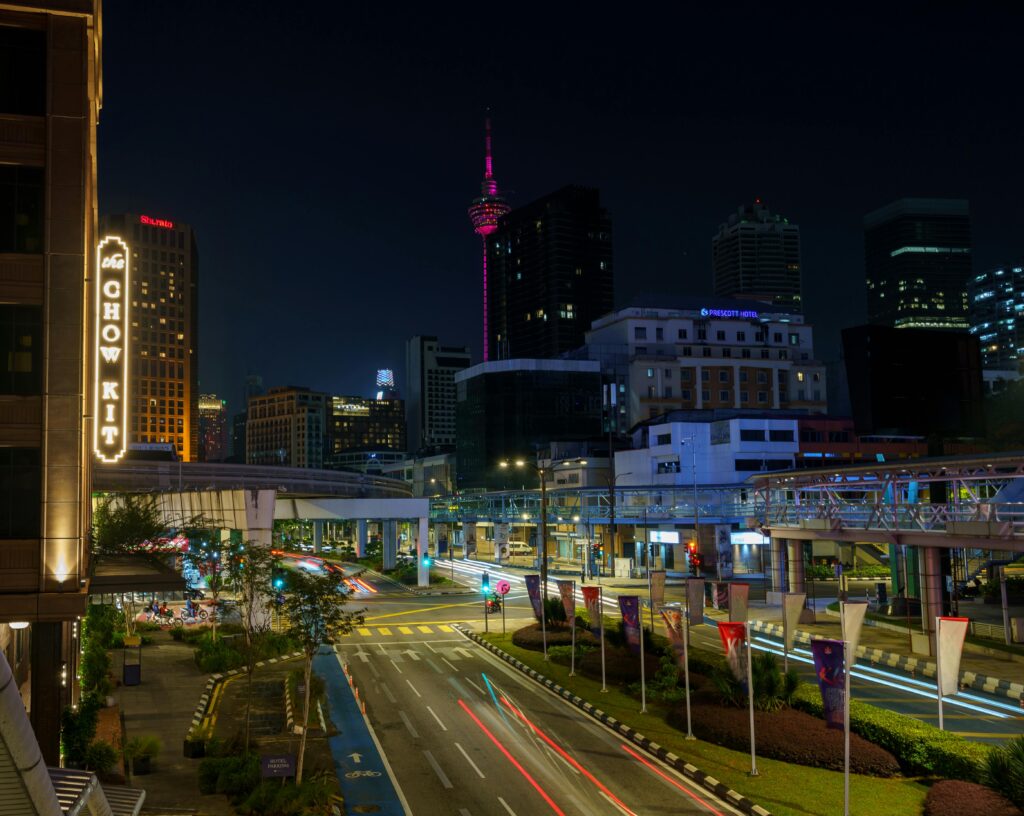
What First-Time Visitors Tend to Notice
For first-time visitors, Malaysia often feels less constrained by season than expected. Rain and heat work their way into plans without fully taking them over, and the country begins to feel manageable as routes are chosen with care and movement stays realistic.
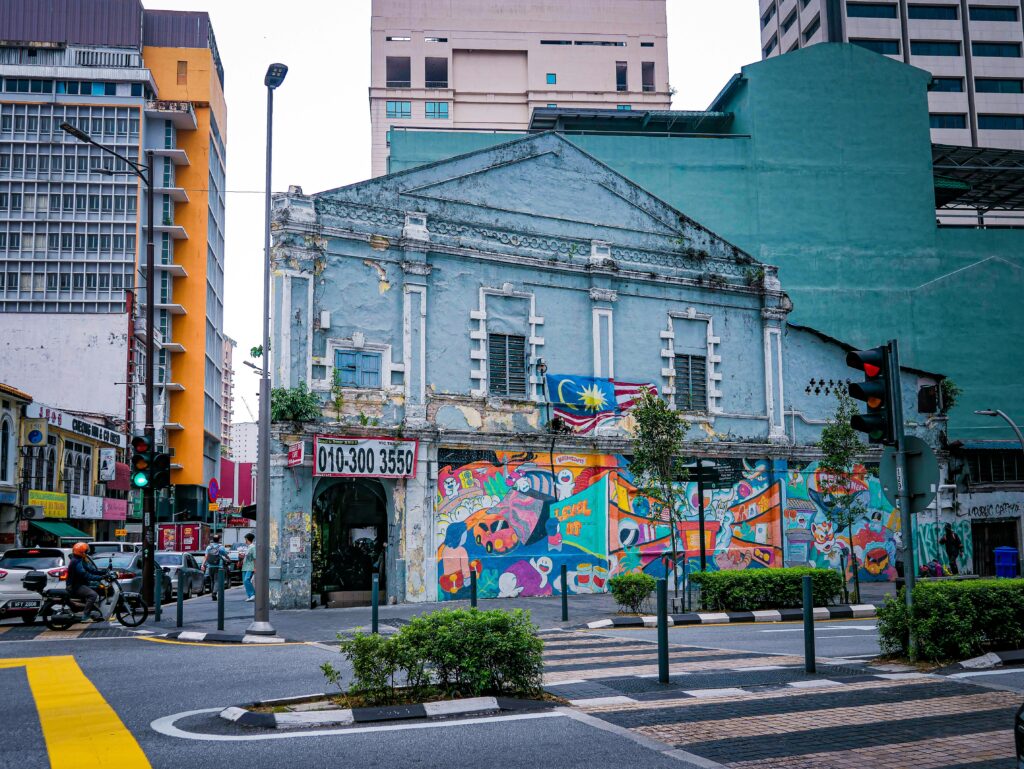

Trips with fewer transitions settle more quickly. Longer stays give the days time to take shape, and flexibility leaves room for variation to pass through. Together, these choices shape the experience steadily as the trip unfolds.
Choosing Timing Through Movement

Deciding the best time to visit Malaysia becomes clearer when timing is viewed through movement. Where you plan to go, how often you change locations, and how much energy goes into connecting places begin to shape the trip early on. Weather stays present throughout, and movement gives the days their structure. Malaysia responds best when timing supports how you travel, allowing the experience to unfold without resistance as days repeat and patterns settle.
