


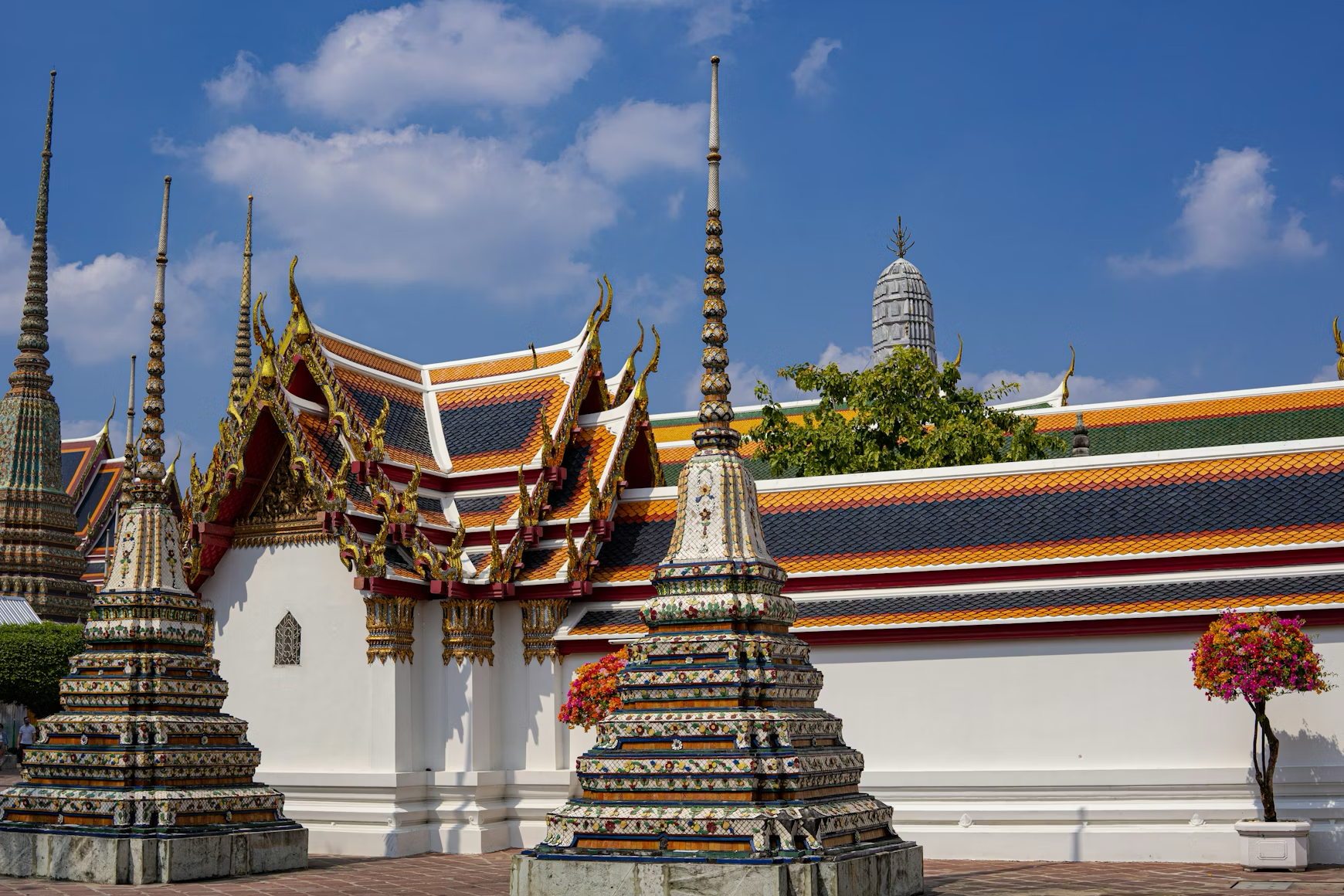
Thailand is a country of immense cultural richness, with a deep heritage shaped by its history, religion, and traditions. For travelers seeking more than just beach vacations or city explorations, experiencing Thailand’s culture provides an enriching journey into its local customs, spiritual practices, and vibrant festivals. This guide will help you navigate the cultural experiences Thailand has to offer, focusing on temples, local traditions, and festivals that allow travelers to connect more deeply with the country’s heritage.
Temples: The Spiritual Heart of Thailand
Thailand’s temples aren’t just architectural wonders; they’re centers of spiritual and cultural significance. These sacred spaces offer travelers an opportunity to witness Thailand’s deep-rooted Buddhist practices, along with the profound beauty and tranquility that temples bring to the country’s cultural landscape.
Wat Pho: The Reclining Buddha
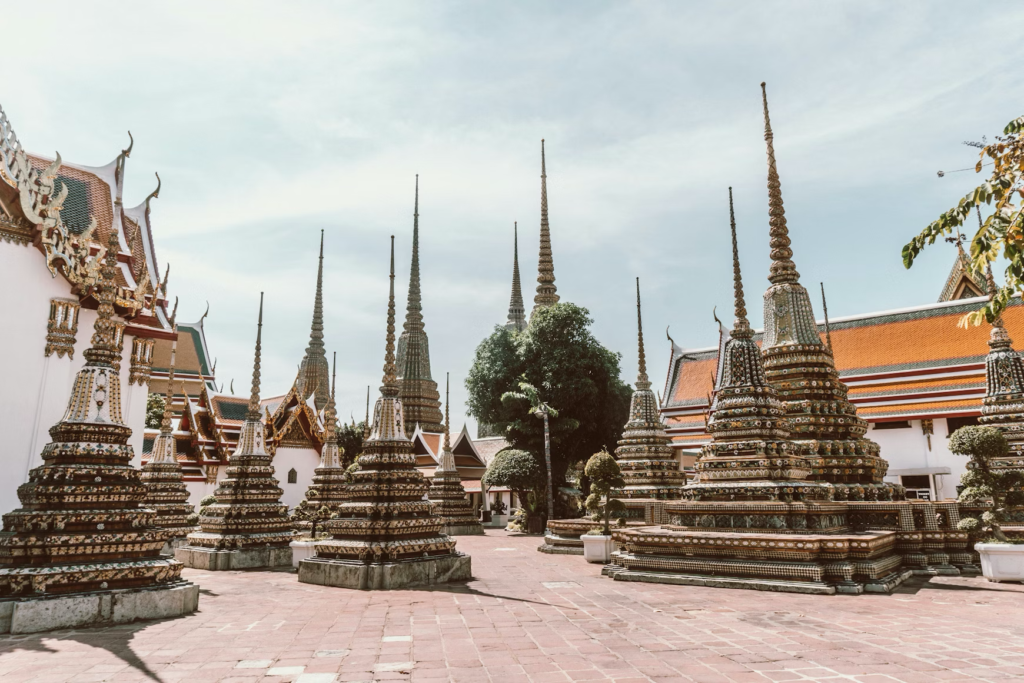
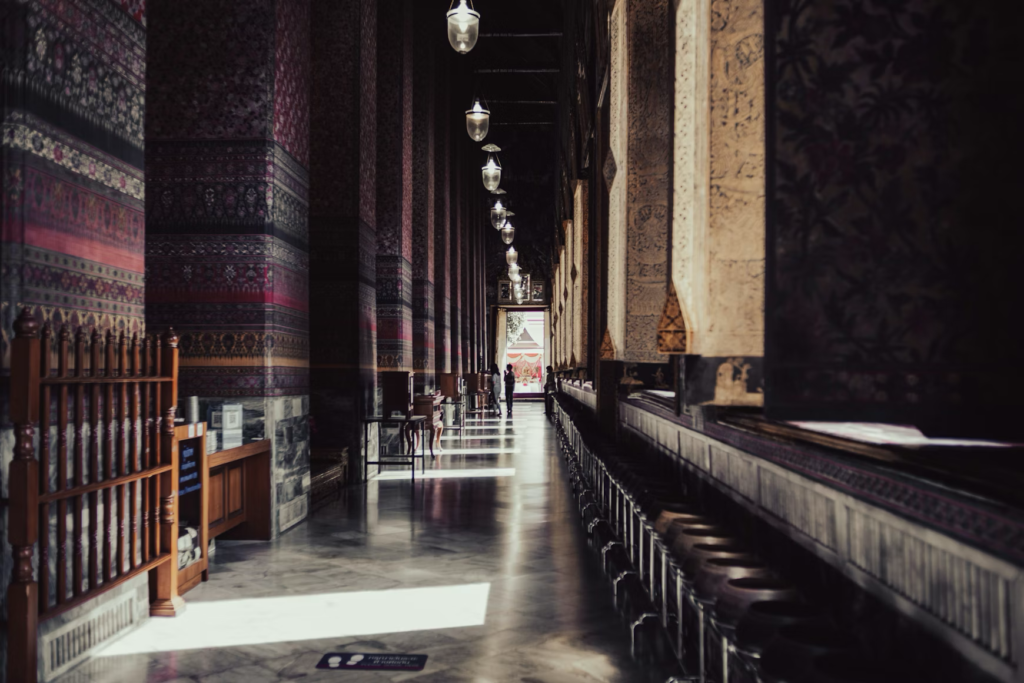
One of the most iconic temples in Thailand, Wat Pho in Bangkok, is home to the Reclining Buddha, a massive gold-leafed statue that stretches 46 meters in length. This temple, considered one of the oldest and largest in Bangkok, also serves as a center for traditional Thai massage. For visitors interested in Buddhism and Thai wellness practices, Wat Pho offers a unique opportunity to explore both spiritual and healing traditions. The temple is also a great place to learn about the teachings of the Buddha and Thai medicine through its educational programs.
Wat Phra That Doi Suthep: A Temple in the Hills
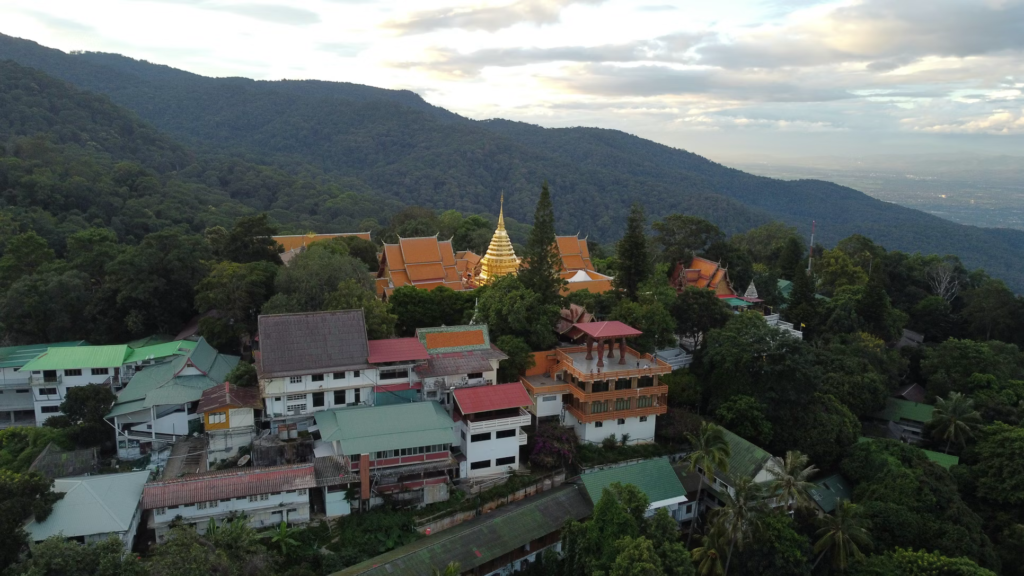

Located just outside Chiang Mai, Wat Phra That Doi Suthep is one of the most revered temples in Thailand. Perched on the top of Doi Suthep Mountain, the temple offers breathtaking views of the city below. Visitors to this temple often partake in the ritual of climbing the 306-step staircase, which symbolizes the journey to enlightenment. The temple is not only a spiritual site but also a place where visitors can learn about Northern Thailand’s history and cultural practices.
Wat Arun: The Temple of Dawn
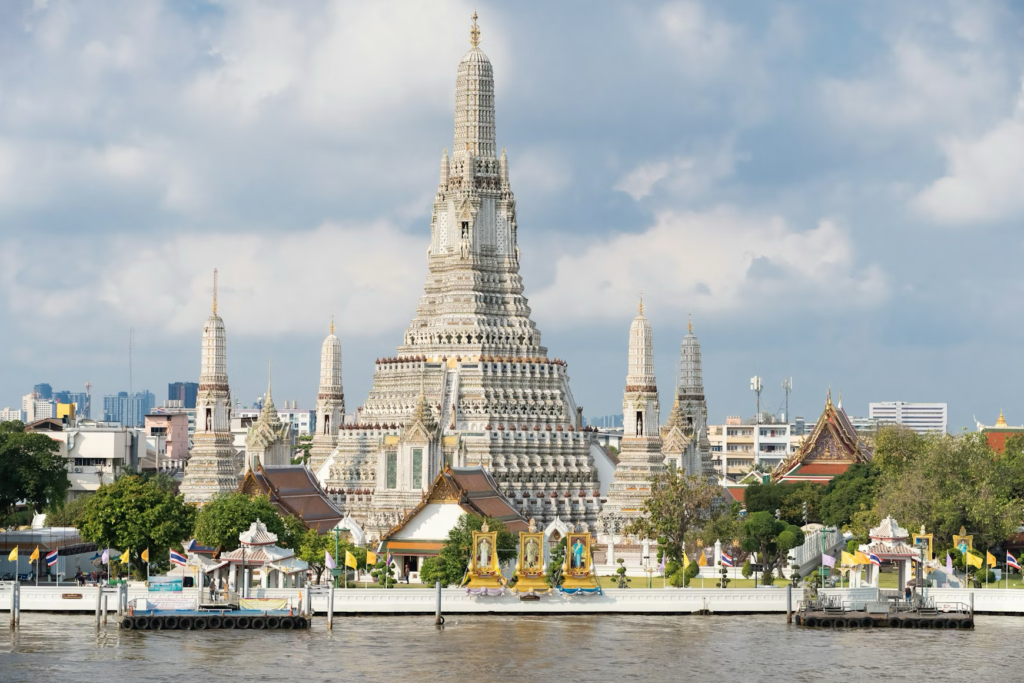
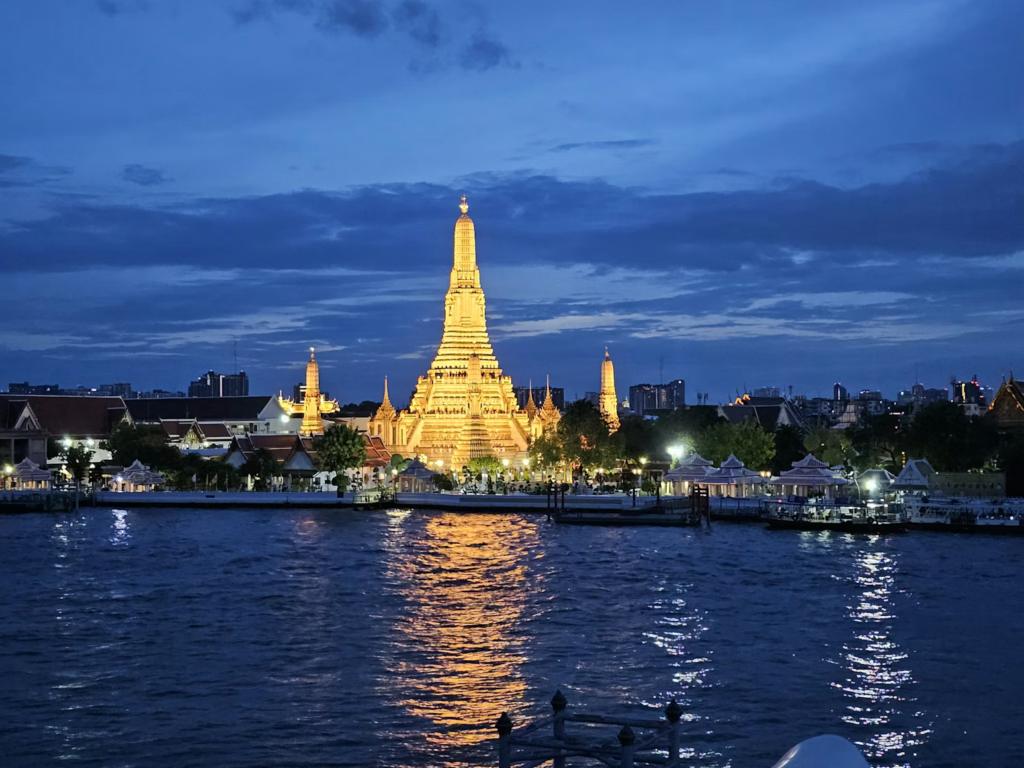
Standing majestically along the Chao Phraya River in Bangkok, Wat Arun (the Temple of Dawn) is one of Thailand’s most famous landmarks. Known for its towering spires, decorated with intricate mosaics, Wat Arun offers a glimpse into the artistic and architectural prowess of the Ayutthaya period. While visiting, take time to explore the temple’s detailed artwork and its connection to the Hindu and Buddhist beliefs that have influenced Thai culture.
Local Traditions: Engaging with Thai Heritage
Thai culture is deeply rooted in traditions that are practiced daily by its people. Participating in these traditions gives travelers a closer connection to the heart of Thailand and an understanding of its values.
The Thai Royal Family and Respectful Customs

The Thai Royal Family plays a significant role in the country’s culture, and showing respect for the monarchy is deeply ingrained in everyday life. Visitors should be mindful of the cultural norms surrounding the royal family, such as standing during the national anthem and avoiding any form of disrespect.
Thailand also has an official gesture of greeting known as the wai, where hands are placed together in a prayer-like position, and a bow is made. Understanding and practicing the wai, especially when greeting elders or showing respect at temples, is a meaningful way to connect with Thai customs.
Thai Cooking: A Deep Dive into Flavor
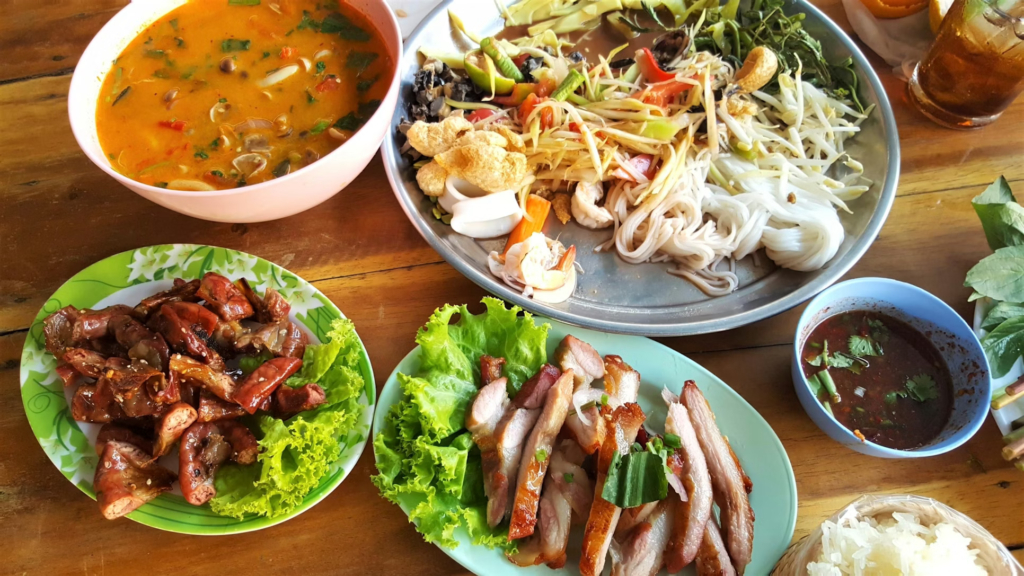
For those wanting to explore Thailand’s food culture, participating in a Thai cooking class is an immersive way to learn about the country’s culinary traditions. These classes, often taught by local chefs in areas like Chiang Mai or Bangkok, provide hands-on experiences where travelers can learn to cook iconic dishes such as Pad Thai, Tom Yum, and Green Curry. Thai cuisine is rich in flavors, with a balance of sweet, salty, sour, and spicy tastes, reflecting the complex cultural influences of the region. Cooking classes also offer a chance to visit local markets, where ingredients are fresh and authentic, deepening the cultural immersion.
Thai Massage: Ancient Healing Traditions
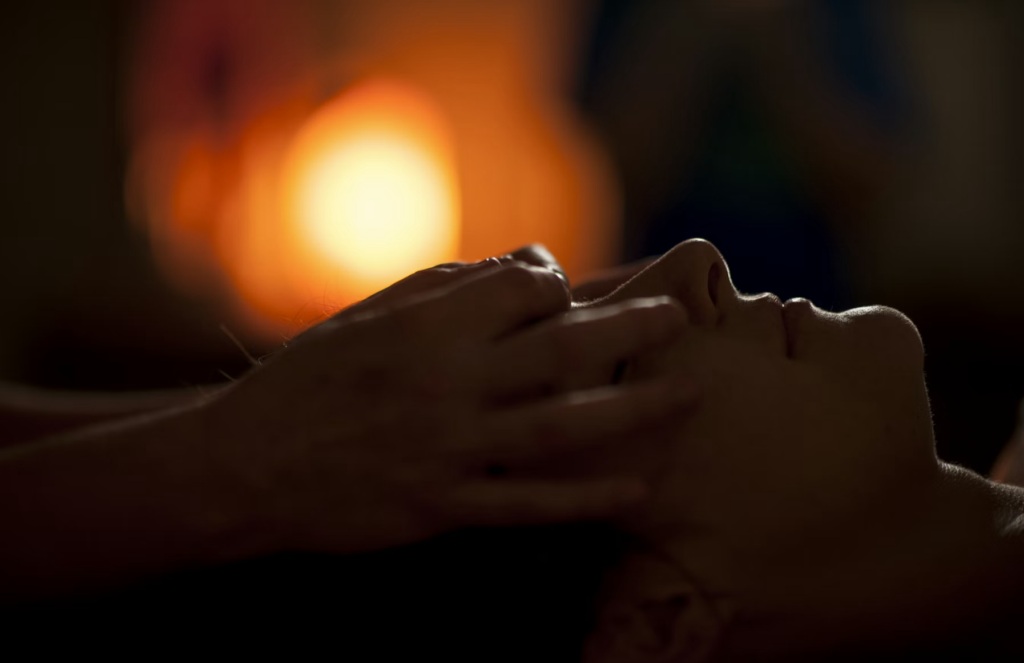
One of Thailand’s most renowned traditions is traditional Thai massage, which combines acupressure, stretching, and deep tissue massage to heal the body and mind. This practice, which dates back to ancient times, is not only a form of relaxation but also a spiritual experience rooted in the principles of Thai medicine. Many temples and wellness centers across Thailand offer authentic Thai massage, making it an essential cultural experience to consider when traveling in the country.
Festivals: Vibrant Celebrations of Thai Culture
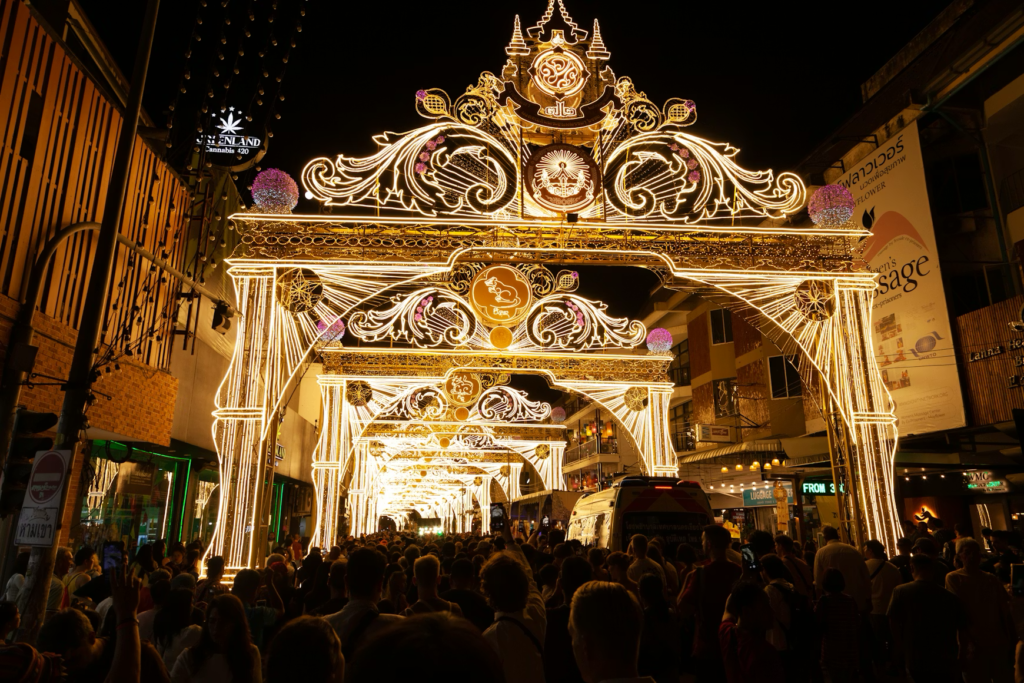
Thailand’s festivals are an exciting way to experience the country’s traditions in full swing. These festivals carry deep cultural and religious meanings, providing visitors with insights into the values and practices of Thai society.
Songkran: Thai New Year Water Festival
Songkran, the Thai New Year, is perhaps the most famous festival in Thailand. Held every year from April 13 to 15, it’s known for its water fights, which symbolize the washing away of bad luck. During Songkran, cities like Bangkok, Chiang Mai, and Phuket come alive with water splashing in the streets, as both locals and tourists participate in this joyful celebration. While the festival is fun and playful, it also has a spiritual side, as people visit temples to offer prayers, make merit, and pay respect to elders.
Songkran offers a unique opportunity for cultural immersion, as it’s a time when families come together, and local traditions are honored. Understanding the deeper significance of the festival, such as the rituals associated with cleansing and renewal, adds a meaningful layer to the experience.
Loy Krathong: The Festival of Lights
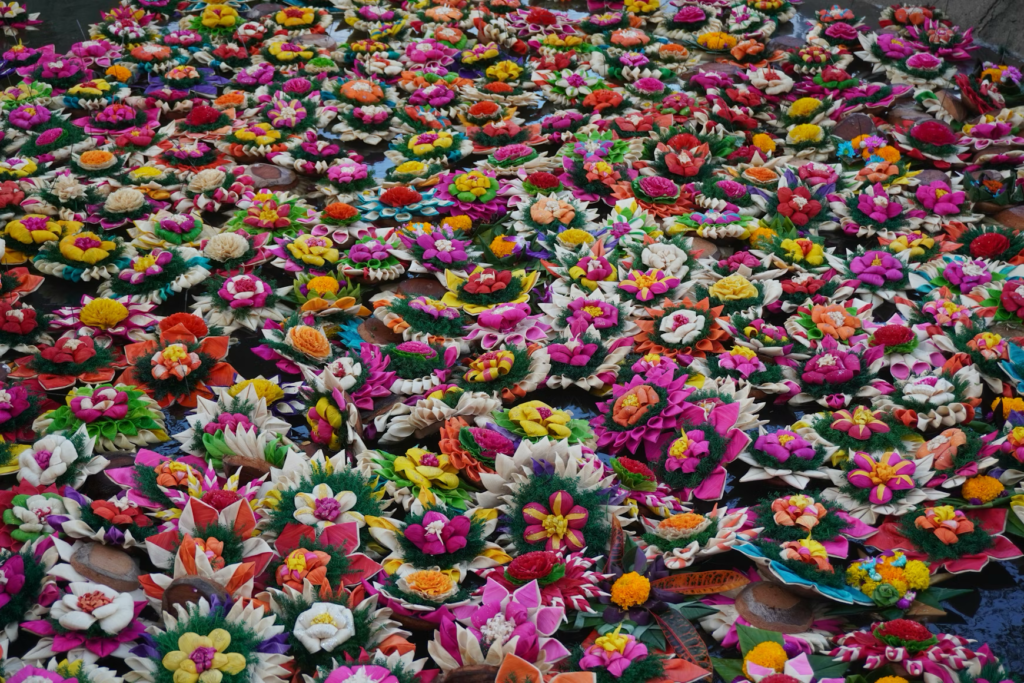
Another major festival in Thailand is Loy Krathong, celebrated on the full moon night of the 12th month of the Thai lunar calendar (usually in November). During Loy Krathong, people release beautifully decorated floating baskets, known as krathongs, onto rivers and lakes to honor the water spirits and ask for forgiveness for past mistakes. It’s a festival filled with lanterns, candles, and fireworks, symbolizing the release of negativity and the welcoming of new beginnings.
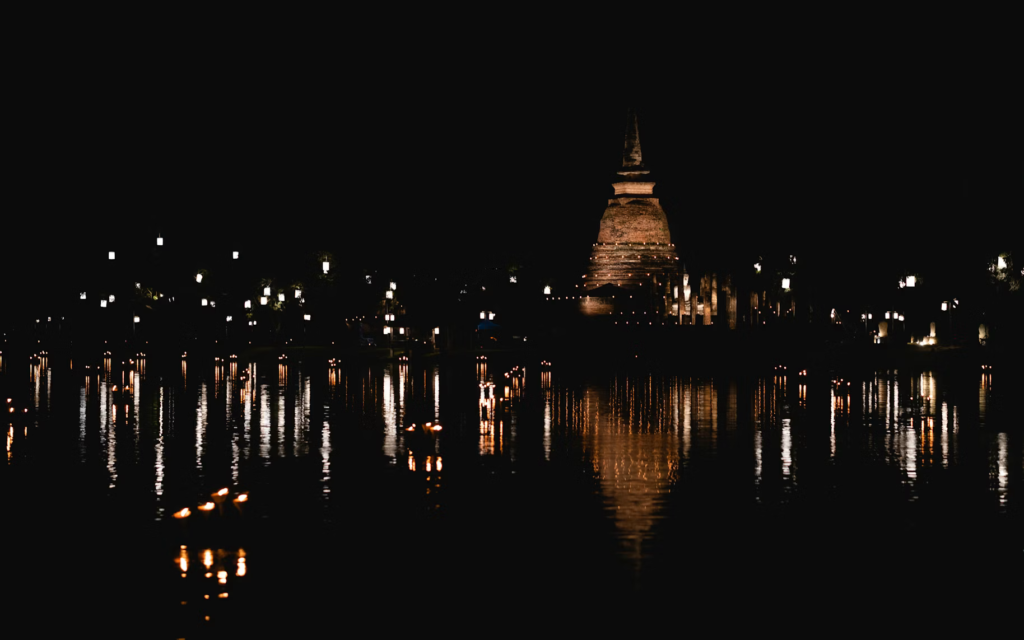
This festival is an ideal time to experience Thai spirituality and connect with local communities. It’s particularly special in cities like Chiang Mai, where thousands of sky lanterns light up the night sky, creating a stunning visual display.
Phi Ta Khon: Ghost Festival of Northern Thailand
For a more unique cultural experience, Phi Ta Khon is a traditional ghost festival held in Dan Sai in Northeastern Thailand. The festival involves vibrant parades, costumes, and performances, with participants dressing up as spirits or ghosts. Rooted in Buddhist and animist beliefs, Phi Ta Khon is celebrated with local rituals and storytelling. The festival is not only visually striking but also offers an opportunity to witness the deep cultural and spiritual practices of rural Thai communities.
Conclusion: Embracing the Richness of Thai Culture

Experiencing Thailand’s culture is an enriching and immersive journey that goes beyond typical sightseeing. Whether exploring the serene atmosphere of temples, participating in local traditions, or joining in vibrant festivals, each experience offers a deeper connection to the country’s heritage.
When planning a cultural experience in Thailand, consider your personal interests, whether it’s the spiritual side of the country, the culinary traditions, or the lively atmosphere of its festivals. Engaging in these authentic cultural practices will provide a deeper, more meaningful connection with Thailand, making your visit all the more rewarding. Understanding local customs, participating respectfully, and timing your visit to coincide with the country’s major festivals will ensure that your journey through Thailand is both insightful and memorable.
