


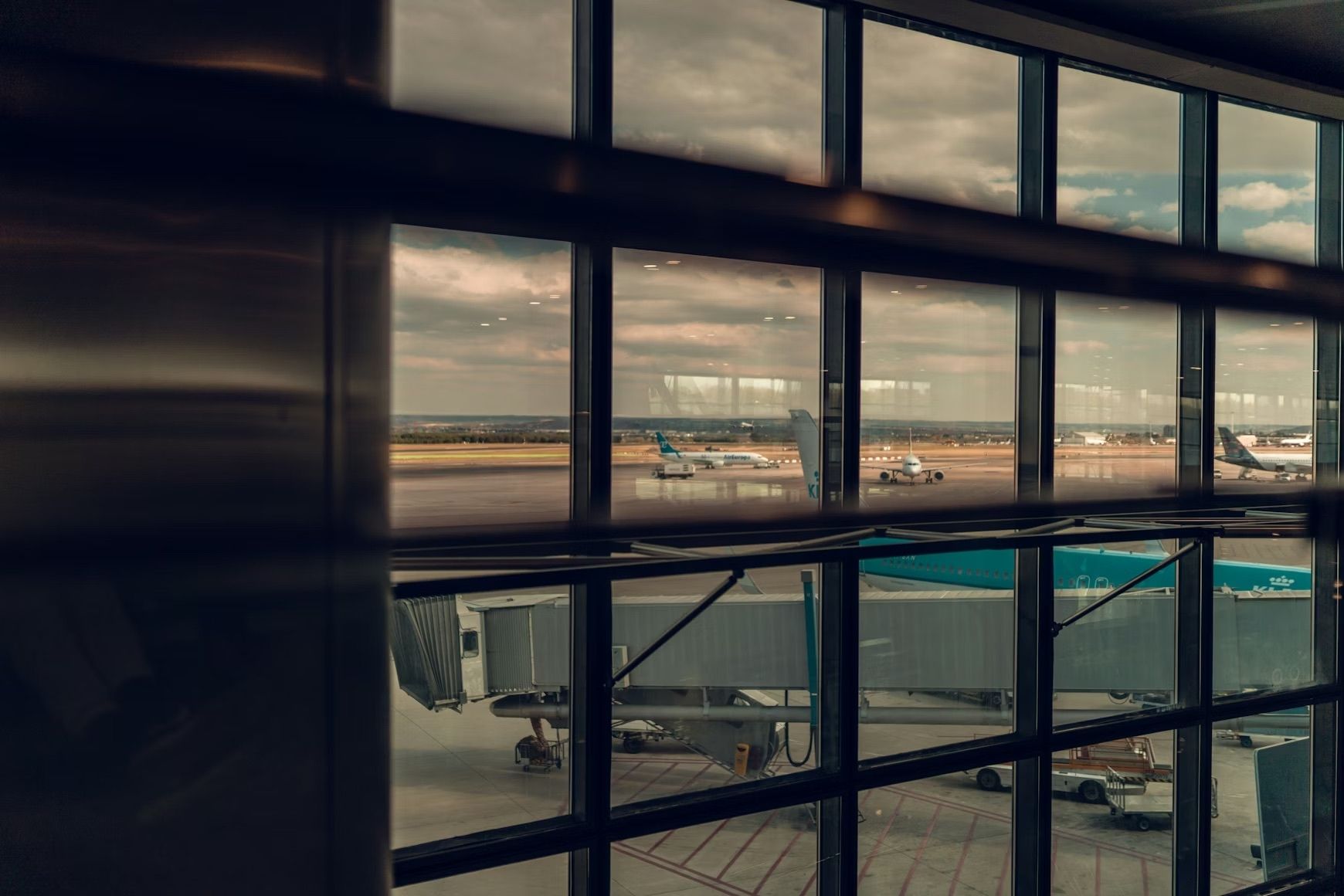
Haneda and Narita are often discussed as clear winners and losers. Most of the time, how the choice feels depends more on mood and timing. These airports sit at the edge of the same city in very different ways. That difference shows up most clearly on arrival, on departure, and in the small decisions you make when your energy is already a little thinner than usual.
For travelers coming from Singapore, this question tends to surface once plans are already forming. You have a hotel in mind, an arrival or departure window that feels workable, and a quiet preference you can’t fully justify yet. This piece gives that preference a clearer shape, so the airport you choose supports the version of Tokyo you actually want to live inside.
What you’re really choosing
At a practical level, the choice is often talked about as distance. In real life, it feels more like rhythm. An airport changes the way your last day in Tokyo holds together, the way you handle luggage and time, the way you arrive at the terminal, and the kind of space you want around you before you board.
Some travelers want the final hours in Japan to feel unbroken, with the city still close enough to stay present until the very end. Some want a longer runway of transition, a stretch of travel that gently pulls the trip to a close before they step onto the plane. There isn’t a right or wrong approach. Each one carries a different emotional texture.
Haneda as a departure experience
Haneda tends to suit travelers who want their last day to stay compact and manageable. The city feels near, and that closeness changes the tone of the hours before departure. You can keep your day simpler, return to the airport without turning the trip back into a long transit, and arrive with a little more of yourself intact.
Inside the airport, the experience often feels calm and modern in a way that encourages wandering without effort. People who enjoy arriving early and treating the terminal as part of the day usually find enough to do. The space invites a slower pace, the kind that pairs well with a final meal, small shopping, and the quiet satisfaction of being on time without feeling like the day asked too much of you.
This airport also appeals to travelers who like flexibility on departure day. When you already feel tired from walking, packing, and checking out, a closer airport can make the day feel less fragile. Time and attention are still required, with more room to hold the margin.
Narita as a departure experience
Narita suits a different kind of traveler, and it often rewards people who make peace with the idea of the airport being part of the day. The journey out can feel like a gradual step away from Tokyo, something some travelers genuinely enjoy. It acts as a buffer, allowing the trip to close in a gentle, orderly way. For some, that space feels relieving.
Narita also has a reputation for being an airport where you can spend time without feeling rushed. Travelers mention food halls, shopping, and the general sense that it can handle crowds while still giving you room to breathe, depending on when you pass through. For anyone who arrives early and treats the terminal as a place to settle in, Narita can feel like a small world with its own momentum.
This is also where a practical preference quietly matters. Many travelers choose Narita because their flight timing is better, their route is direct, or the overall plan fits more smoothly around it. In those moments, Narita starts to make sense as an anchor. The airport itself is rarely the difficult part. The extra effort comes from getting there on time. The part that asks more of you sits outside the terminal, in the effort required to reach it at the right time.
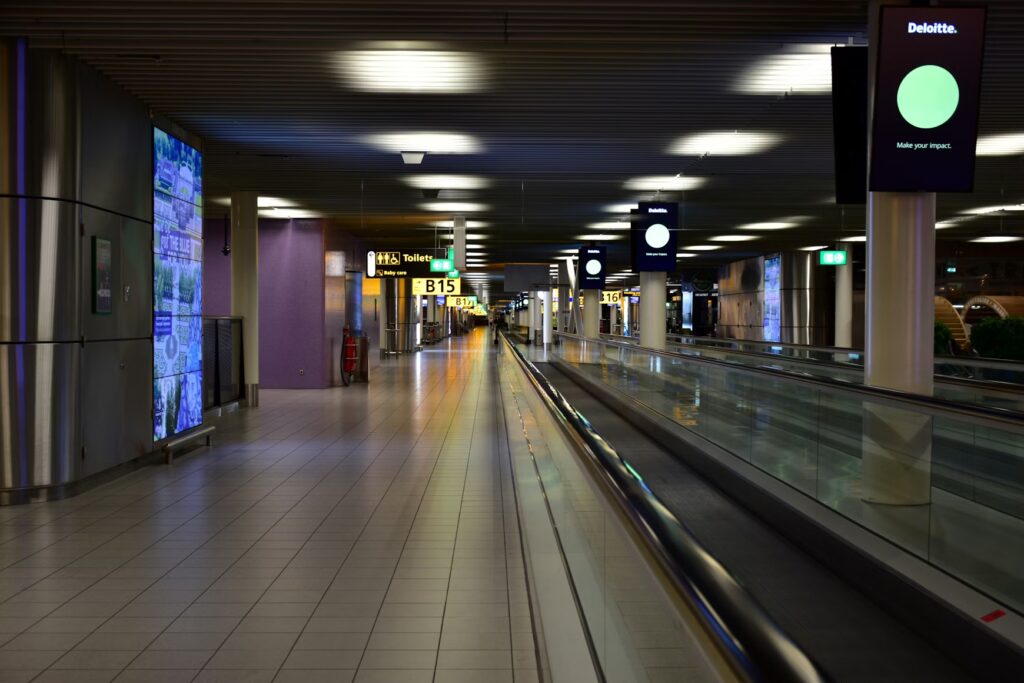
The last-day question people underestimate
A lot of the conversation comes down to the idea of squeezing in “one more hour” in Tokyo. On paper, a later departure looks like extra time in the city. In practice, the city doesn’t always behave like a neat container you can stretch by sixty minutes.
Your last day tends to include packing, luggage storage, check-out logistics, walking with a slightly different kind of tiredness, and the mental load of watching the clock. Some travelers love a long final day and carry it easily. Some feel the day grow heavy long before they reach the airport.
This is where the airport choice becomes personal. A closer airport can help a long last day feel more realistic. A farther airport can make a long last day feel sharper, with more edges and more timing to hold in your head. There are no guarantees. Still, the pattern shows up often enough to matter.
Where you stay changes the story
A common assumption places Haneda as the obvious pick for anyone staying in central Tokyo. In reality, “central” still contains many different starting points, and some neighborhoods connect to Narita in a way that feels surprisingly straightforward. For certain areas in the north and east, Narita’s rail links can line up cleanly with a hotel routine, especially when you prefer a single, direct ride with space for luggage.
For other parts of the city, Haneda fits naturally into the day. You move toward it without needing to replan your final hours. You finish lunch, pick up bags, take a straightforward route, and step into the terminal with your mind already shifting toward home. That’s why the right choice rarely comes from a rule. The airport that feels easy is the one that fits the life you’re living in Tokyo on that trip.
If you care about “fun” inside the airport
When people ask which airport is more enjoyable to spend time in, they usually mean something simple. They want good food, interesting shops, a place that feels pleasant while waiting, and an atmosphere that makes the hours pass without annoyance.
Narita tends to be described as having more of a full terminal ecosystem, the kind that can hold you for a while. Haneda is often described as enjoyable in a calmer way, with its own design touches and spaces that feel more like a curated extension of the city.
The part worth noticing is your own travel personality. Some travelers like to arrive early and explore an airport the way they would explore a neighborhood. Some travelers want the airport to be a clean, efficient corridor that leads to a gate. Your answer to that question often decides which terminal feels “fun.”

A quiet factor that changes everything
A direct flight often matters more than the airport itself. The difference usually comes from how the journey holds together. Direct flights reduce the number of moving parts you carry in your head. They make departure day feel simpler. They lower the chance that your final hours in Japan turn into a chain of tight decisions.
When the only direct option lands in Narita, many travelers accept Narita happily. When the only direct option lands in Haneda, Haneda becomes the easy choice. The airport then feels like a detail inside a decision that already makes sense.
How to choose without overthinking it
Haneda often fits travelers who want their last day to stay intact, with less distance between Tokyo and the moment they step into the terminal. It supports a departure day that feels compact and less mentally expensive.
Narita often fits travelers who value a clear, structured exit from the city, who enjoy having a longer transition, or who simply have a flight option that aligns better with the way their trip is built. It supports a departure day that feels like a gradual closing chapter. Tokyo works with either airport. Your trip stays strong when the airport matches your timing, your neighborhood, your energy, and the kind of last day you want to remember.
Closing thought
Most people leave Japan carrying the memory of the city with them. The airport matters in the way it shapes your final hours and the condition you arrive in when the journey home begins. When that part feels steady, the trip closes gently, and you carry Tokyo with you in a quieter, cleaner way.
