


Singapore to Seoul is an easy route to imagine impulsively. The flight feels close enough to be possible, the trip feels long enough to be worth it, and the whole idea carries a kind of momentum that makes planning feel optional.
That mood can be the best part of the decision, right up until you start booking and begin to notice how quickly “tomorrow” changes the shape of the day. Prices rise, choices narrow, baggage and seats begin to matter more than you expected, and the route stops being a simple ticket and becomes the first part of the trip’s rhythm.
For most last-minute travelers, the question tends to center on how steady the arrival feels. That steadiness shapes whether Seoul begins softly, or whether the travel day continues spilling into what follows.
How this flight tends to feel in the body
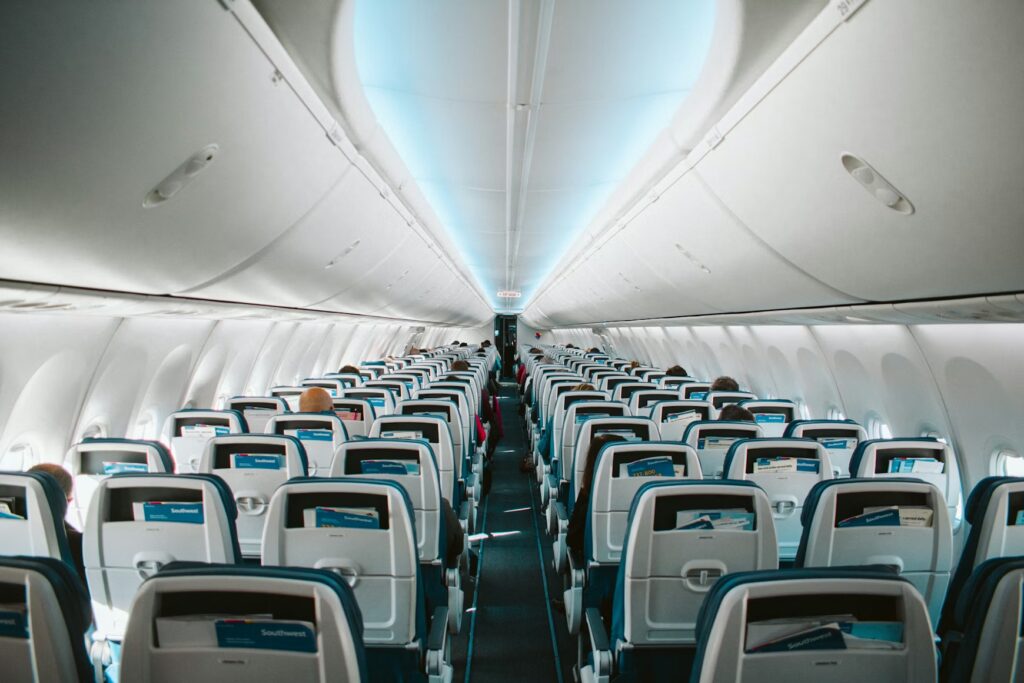
This route sits in a middle distance that keeps you awake more than you plan. The cabin hours move in familiar blocks, meals, screens, small stretches of rest that pass through rather than fully settling. If you sleep, it’s usually light and broken, the kind of rest that helps without resetting you.
Arrival often feels clean in a practical way. You can read signs, follow the flow, make decisions without needing to stop and recover. At the same time, a little energy has already been spent. It shows up in pace more than mood, in how long you want to stand still, how much you want to carry, how quickly you want the city to begin asking things of you.
On a last-minute trip, that detail matters because the first day usually includes setup. Transit cards, SIM or eSIM, cash decisions, map habits, the small infrastructure of a week that’s supposed to be flexible.
Why last-minute tickets change what “comfort” means
When people talk about comfort on this route, they often mean the obvious things, seat space, food, entertainment, the feeling of being looked after. Those things matter, especially if you’re sensitive to tight seating for this length of flight.
The last minute changes the emphasis. Comfort starts to look more like the ability to keep the travel day contained. If the flight runs as planned, even a bare-bones ticket can feel fine when your expectations match the experience. If anything shifts, the day becomes more about support, communication, and how quickly the situation resolves itself without pulling your attention away from the trip you’re trying to have.
That difference is easy to ignore when you’re booking fast, then very hard to ignore when you’re standing in an airport trying to keep tomorrow from turning into later.
Budget carriers and full-service airlines on this route
Budget flights work for a lot of people here, especially travelers who bring their own entertainment and treat food as something they handle themselves. The flight is long enough that you’ll notice what you didn’t buy, but not so long that you can’t plan around it.
Full-service airlines tend to make the day feel quieter overall. The route holds together more smoothly, with fewer small decisions pulling at your attention while you’re in transit. You land with more mental space intact, which is a real advantage when you plan to stay flexible on the ground and make decisions as you go.
Some travelers find a middle ground, choosing a few points of comfort and letting the rest stay minimal. A better seat, a baggage allowance that matches reality, a version of the ticket that feels less fragile when the trip is already close.
Arrival in Seoul when you’re trying to keep plans loose

For trips shaped by wandering, shopping, food, museums, parks, and small decisions made along the way, arrival carries a particular weight. What matters is steadiness. The airport portion tends to feel manageable once you’re moving, especially when you arrive with the basics ready. Seoul tends to open more smoothly when the right tools are in place early, shaping how those first hours actually feel. When you have those in place, the trip starts feeling like a place you can move through.
That’s one reason many experienced travelers keep day one gentle. They let the city meet them at walking speed, then build intensity later, when the transit system and neighborhoods have started to feel familiar in the body.
How the flight day affects a week of minimal reservations
A last-minute Seoul trip often looks like a simple list at first. Markets, shopping streets, museums, parks, maybe an amusement park day, maybe a spa or a clinic appointment if you feel like it. The city carries enough texture that the week begins to fill itself, without much reference to a list.
The experience shifts with the way you arrive. When the landing feels steady, curiosity has space to lead the first evening. When you land slightly worn down, you still do things, but the choices become narrower, more convenience-driven, more likely to cluster around whatever is closest to where you’re staying. The route quietly shapes the first day, and that first day often sets the tone that follows.
Who this route tends to suit when booked at the last minute
It tends to suit travelers who are comfortable letting the trip organize itself as it unfolds. A bit of uncertainty feels manageable, walking comes easily, and the first day doesn’t carry anything time-sensitive. The experience tightens for those who rely on precise timing, feel exposed when support thins out, or arrive late with ambitious plans still in mind. It also tightens when people book close in and expect the day to behave as if it had been padded with extra time.
A quiet truth about flying Singapore to Seoul on short notice
When you book Seoul late, it’s tempting to treat the flight as a necessary hurdle before the real trip begins. In practice, the flight day is already part of the trip’s mood.
If you choose a version of the route that matches how you travel, the day stays contained and Seoul opens up gently, one neighborhood at a time, one small plan at a time, without the feeling that you need to catch up to your own itinerary. If you choose a version that fights your needs, the city still gives you a good week, but the first hours ask for more patience than you expected. On a last-minute trip, that first softness is often the thing people don’t realize is worth protecting.
Related Articles
First Time in Seoul: What the City Teaches You Before You Understand It
