
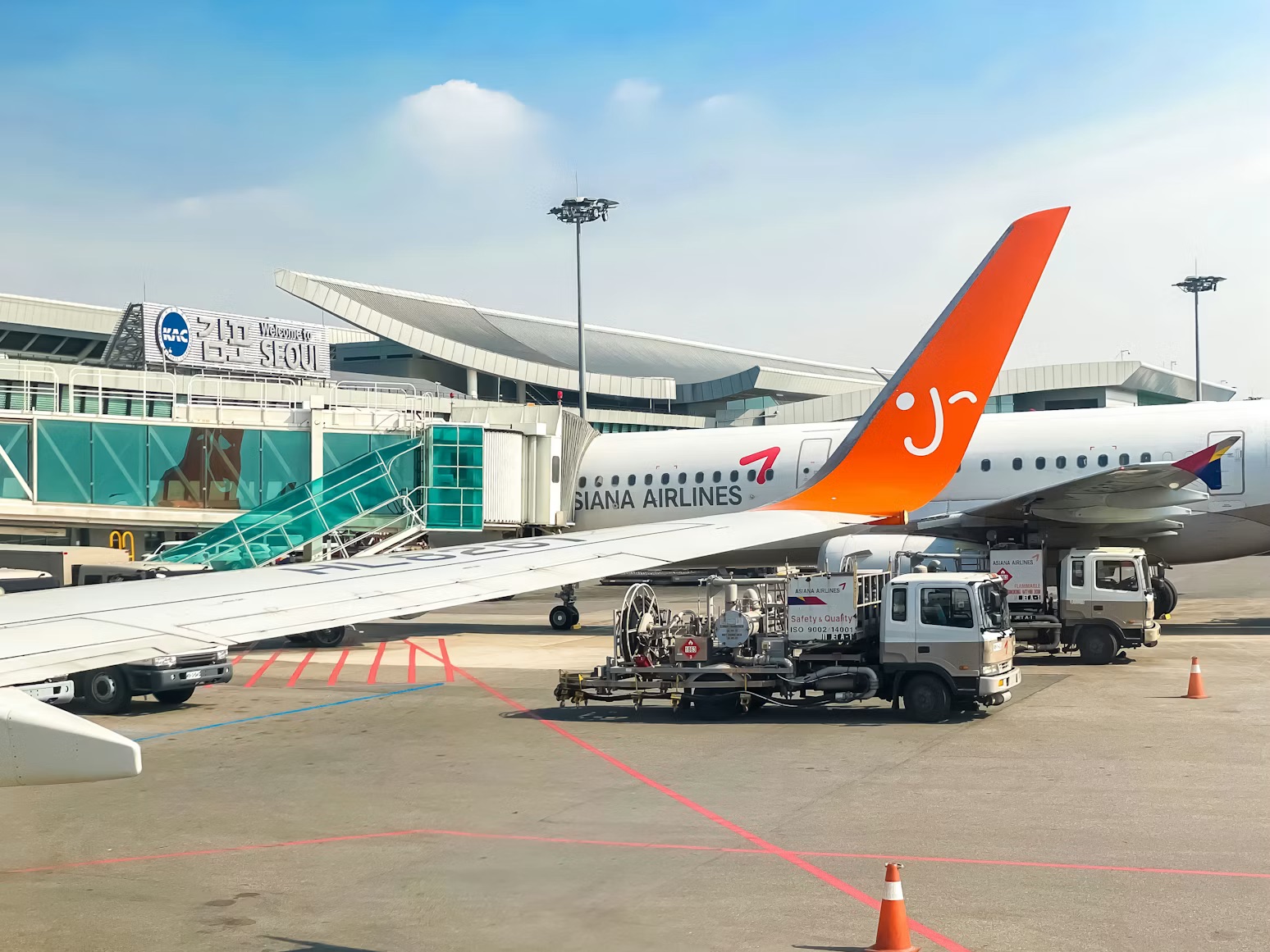
Flying from Japan to Seoul often appears as a small adjustment inside a longer journey. It slips easily between cities, shows up across frequent schedules, and carries little sense of a heavy decision. Many travelers place it into their plans almost casually, treating it as a short movement between stops, with the sense of transition registering more quietly as the journey unfolds.
That lightness carries into the air. The flight moves along quietly, guided by routines that feel familiar and undemanding. Time moves forward without fully dissolving. The body stays oriented enough to follow what comes next, and arrival feels like a gentle shift in direction.
Arrival passes quietly. Movement continues from gate to corridor, from signs to exits, with attention already narrowing toward what needs to be done next. Immigration, baggage, and onward transport take their place within that flow, and the distance from Japan loosens gradually rather than falling away all at once, leaving room for something new to take form. The route carries energy forward in a slightly altered shape.
How the flight tends to settle in the body
Most travelers remain awake through much of this flight, with rest appearing briefly and passing without depth. The body stays upright and present, ready to move again once the plane lands, which keeps the transition feeling clean as it continues into the terminal space.
Walking through the airport remains easy. Directions register without effort, decisions stay small, and pace eases on its own as awareness shifts toward the surroundings. This change is easy to overlook while planning, though it becomes clearer once movement through the space begins.
Departure cities and the continuity of the journey
Flights to Seoul leave from many points across Japan, and that flexibility quietly shapes how the journey holds together. Departing from Tokyo often keeps a sense of continuity, especially when the trip has been anchored there, allowing movement to fold inward rather than stretch outward again through additional travel.
Departures from Osaka, Fukuoka, or other regional cities soften the closure of the Japan portion. Travel continues forward, the feeling of retracing steps never fully appears, and momentum remains intact without needing to reset. What matters is less the city itself than how complete the Japan leg feels before boarding.
Gimpo and Incheon as arrival experiences
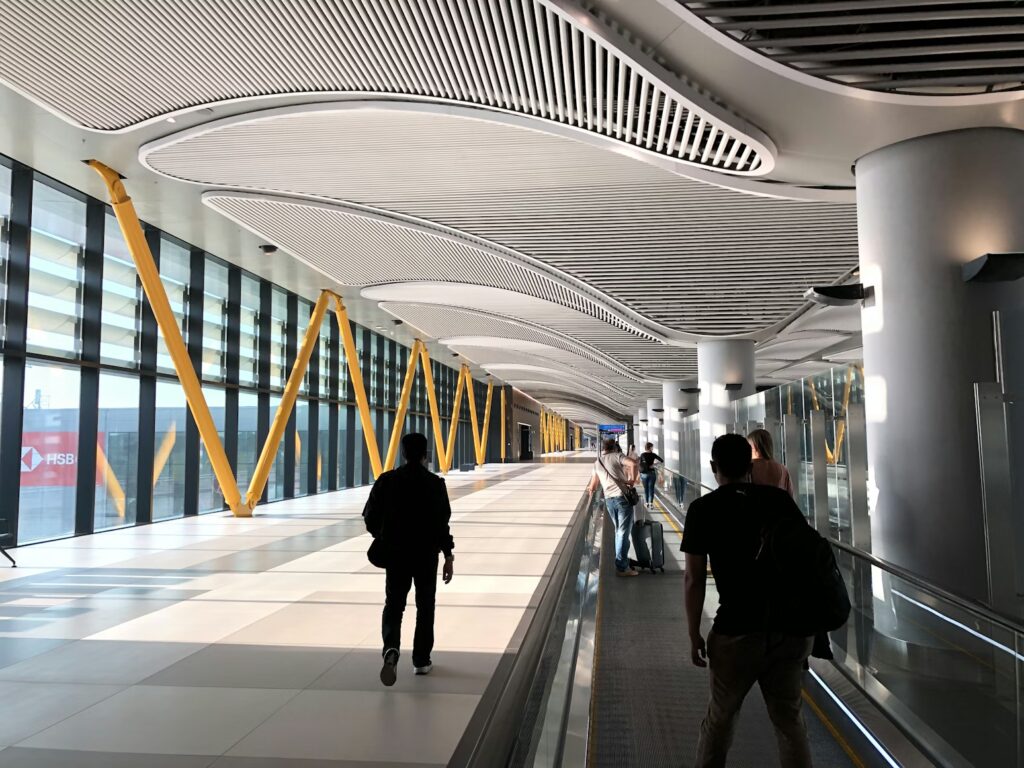
Gimpo places the city close. The distance between arrival and accommodation shortens, and Seoul begins to feel present sooner, particularly when energy is limited or plans continue the same day. Movement into the city settles quickly, with little space for arrival to remain abstract.
Incheon extends that movement. More ground passes before the city takes shape, and arrival stays procedural for longer. For travelers arriving steady, this often blends into the journey without friction. For those arriving late or carrying a full day behind them, the transition stretches slightly before easing.
Both airports function smoothly. The difference shows itself in how long arrival remains a process before it turns into place.
Airline choices and how arrival unfolds
On a route this short, inflight details fade, and attention shifts to how the arrival into Seoul unfolds. Full-service carriers often keep the experience contained, with calm cabins and predictable rhythms that allow arrival to unfold without interruption. Budget airlines fit naturally when schedules align cleanly, and the journey stays straightforward as long as timing holds. When plans shift, attention stays on logistics longer, and arrival takes a little more time to settle. Both approaches tend to sit comfortably within the route when expectations remain aligned.
Placing Seoul within a longer Japan trip
For travelers weaving Seoul into a Japan itinerary, timing shapes how the transition is felt. Visiting Korea mid-trip keeps Japan open, with another adjustment waiting on the return. Placing Seoul at the end allows the Japan portion to settle fully before the shift, letting one chapter close before another begins. Each pattern holds, with mental space forming between places as the route moves gently and the shift becomes clearer after you land.
A quiet truth about this crossing
Japan to Seoul moves lightly. The body stays capable as arrival carries on, and attention continues forward without pause. The shift forms through pace, settling gradually as movement continues. When the transition stays unforced, Seoul meets you at the rhythm you bring with you.