


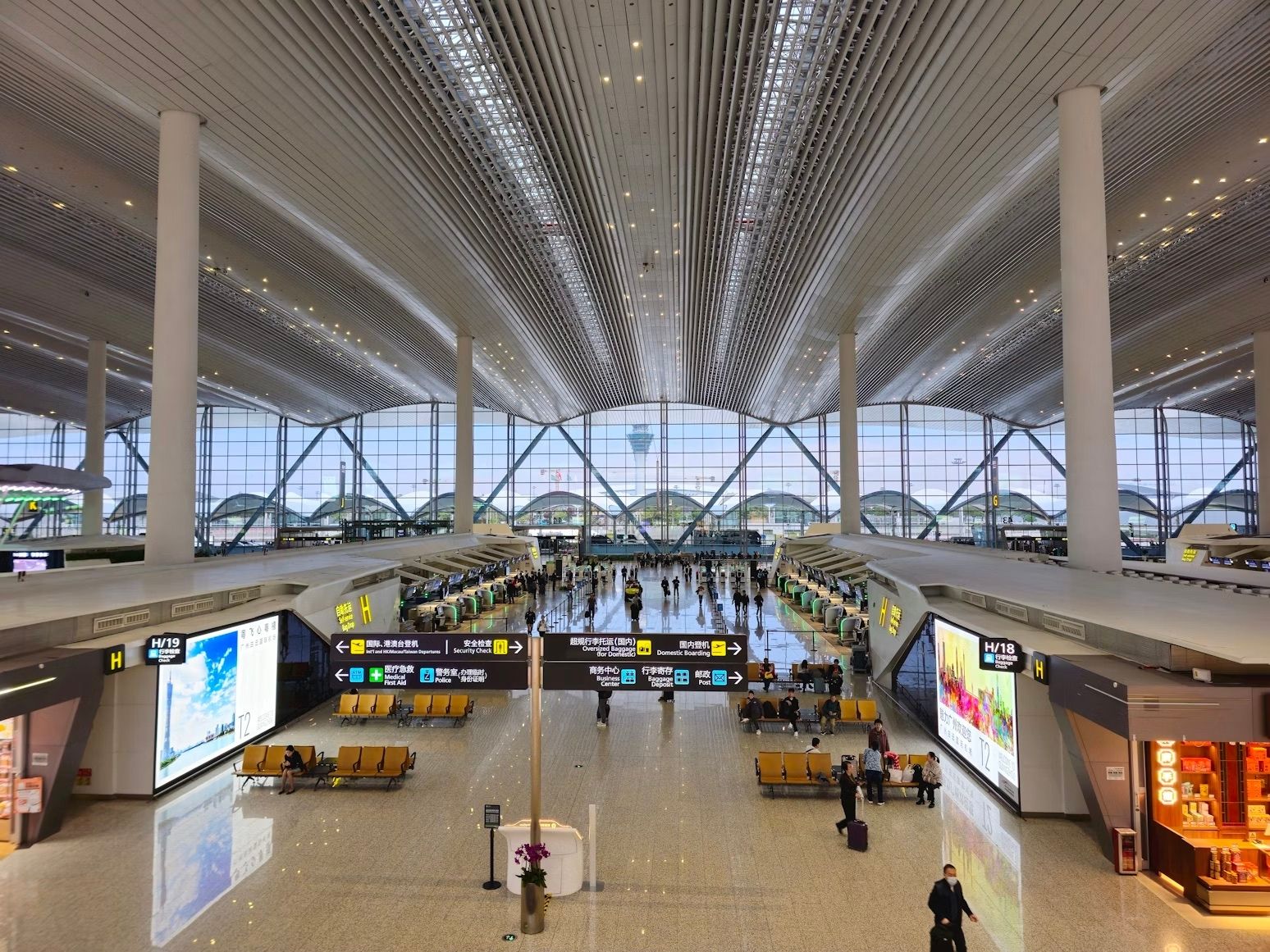
Arriving at Kansai International Airport can feel surprisingly calm, or strangely draining, with the difference often shaped by factors outside your control. The same terminal can give two completely different first impressions of Japan depending on which flights land around the same time, what season you arrive in, and how many people are funneled into the same immigration hall at once.
If you’re landing in the evening, the airport can carry a particular kind of tension. You’ve already been travelling for hours, you’re mentally switched into arrival mode, and your body is ready to be done. Kansai can feel efficient and straightforward as the line moves along, at least at first. At other times, the airport quietly absorbs what would have been your first night in Osaka.
This is why Kansai works best when you arrive with enough time to stay calm, even if the airport decides to run slowly.
The part that surprises people
Many travelers do one thing that feels responsible: they prepare their entry paperwork ahead of time, keep everything ready, and expect that this will translate into a fast exit. That preparation usually makes the final interaction at the counter quick. What tends to stand out is everything surrounding it.
When several full flights land close together, the line into immigration can swell into a long, snaking queue that barely looks like a system. At that point, your preparation is still useful, though the real limitation becomes capacity. It stops being a personal efficiency problem and turns into a crowd and timing problem. This is often when people start reworking their evening plans, as time begins to drift out of reach.
Heat, air, and why it can feel harder than it should
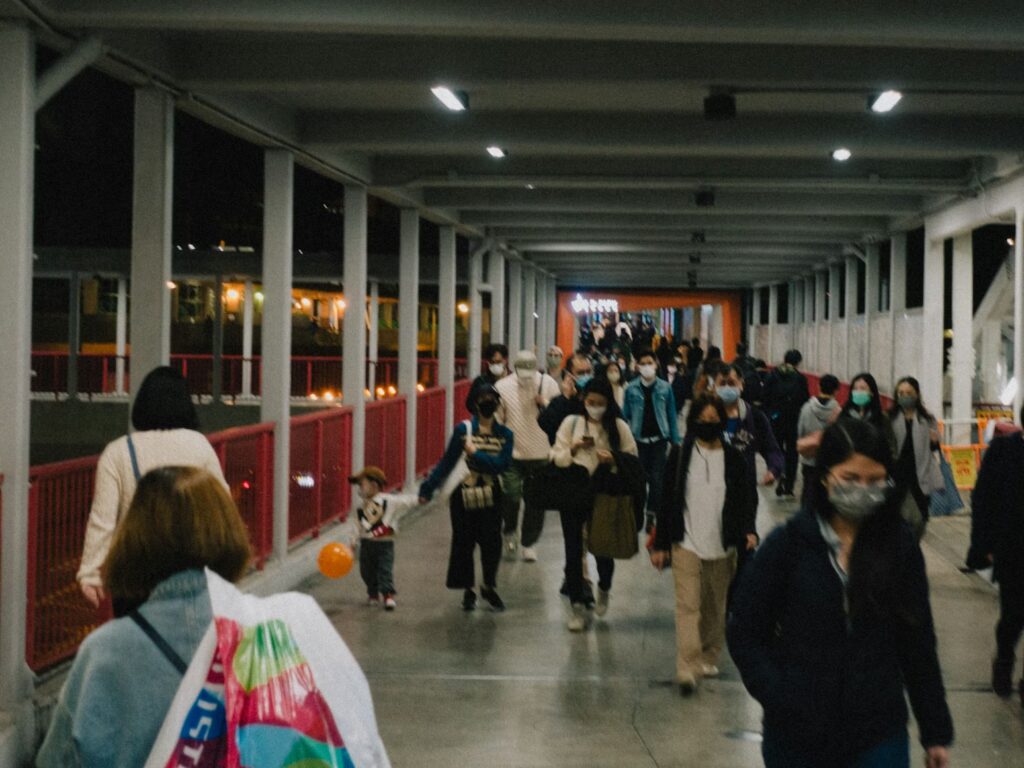
A detail that shows up in real experiences is how the arrivals area can feel physically uncomfortable at the wrong time. Even with counters open, the space can feel warm, crowded, and slow-moving. In that atmosphere, waiting becomes unexpectedly tiring. The body reacts anyway. After landing, forward motion matters. Standing still quietly alters the tone of the night.
The hidden time sinks after immigration
Immigration can move quickly but the overall arrival time still stretches as the next steps gather quietly. Baggage claim takes its time. SIM pickup might pass without friction, or pause briefly while you wait for service. Small stops begin to stack, and before long you look up and realize the night is leaning closer to late-train deadlines than you expected.
Kansai feels most efficient when arrivals stay clean and unburdened. If you’re arriving late, every extra stop carries more weight. It changes the arrival from a walk-forward flow into a sequence of small decisions made while tired.
Late-night arrivals and the train clock
For many travelers, anxiety around Kansai gathers around the clock, especially the pressure of catching a comfortable last train into the city. The trains do run late enough for many arrivals, and plenty of people land around 9 p.m. and still make it into Osaka without drama. The stressful version happens when the airport runs long and you lose the buffer you thought you had. When the timeline tightens, the airport takes on a different weight. The night feels narrower. Decisions come faster, and the easy glide into the city gives way to urgency.
A more realistic way to think about arrival

What tends to help most is stopping the habit of thinking in minutes and starting to think in windows. For Kansai, a comfortable arrival window is one that absorbs unpredictable lines, a slower baggage claim, and a small extra task, while still leaving enough margin to move into Osaka without rushing. That cushion can feel generous when Kansai is moving well. When the halls fill and pressure builds, it becomes what preserves the evening.
The small choices that make arrival feel lighter
Travelers who arrive more smoothly at Kansai usually keep airport tasks to a minimum. Connectivity is handled in advance, or reduced to a brief stop, and the train ride into the city is treated as the final stage of arrival, with enough time protected around it. That difference explains why the same itinerary can feel calm for one person and overwhelming for another. Kansai responds closely to timing.
When Kansai becomes the better choice
Despite the horror stories, Kansai can also be one of the easier major arrivals in Japan on the right day. Outside peak travel periods, many people move from plane to train quickly. Some describe it as surprisingly smooth, especially when they travel light and keep their airport tasks minimal. The airport’s value becomes clearer when your trip is anchored in Osaka, Kyoto, or the wider Kansai region. In those cases, arriving here often makes the first day feel more direct and less stretched across the country.
A grounded expectation to carry with you
Kansai operates like a major airport built on tight systems. When arrivals stay balanced, those systems hold. When too many travelers arrive at once, the strain becomes visible. Treating Kansai as a place that can move quickly, while holding space for slower moments, keeps the arrival steady. You get through, reach the city, and the first night in Osaka stays intact, as it should.
Related Articles
Tokyo or Osaka: Which City Fits Your Travel Style Once the Days Add Up
