


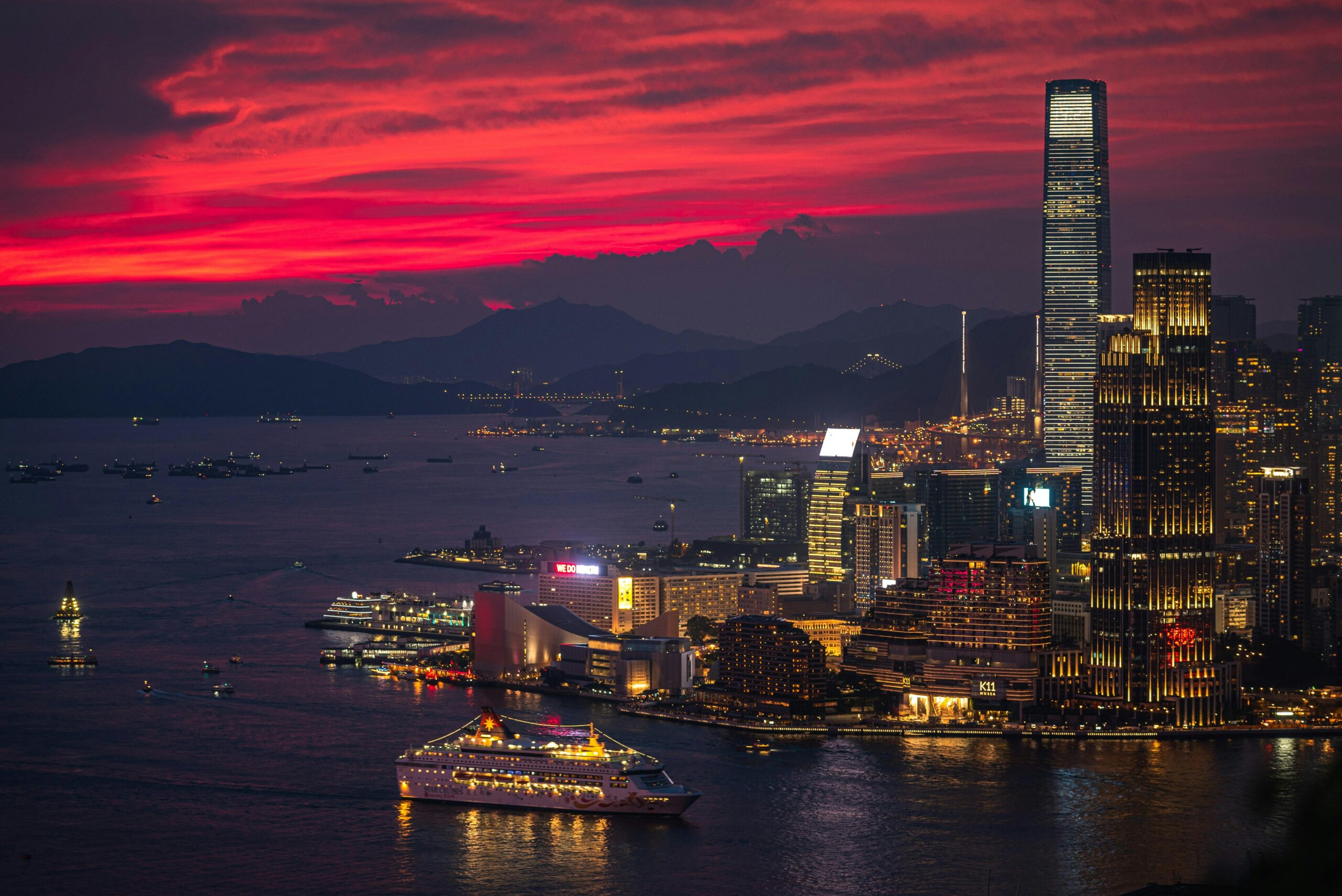
Hong Kong is often approached with confidence.
On a map, the city looks compact. English appears in expected places, and even transport diagrams seem readable before you arrive. For many travelers, it carries the promise of an easy first step into Asia, a city that works quickly and explains itself clearly.
The disappointment some people feel doesn’t usually arrive as a single moment. It accumulates quietly. A series of small frictions replaces the sense of fluency they expected, and the city begins to feel less generous than anticipated.
Living With the Density
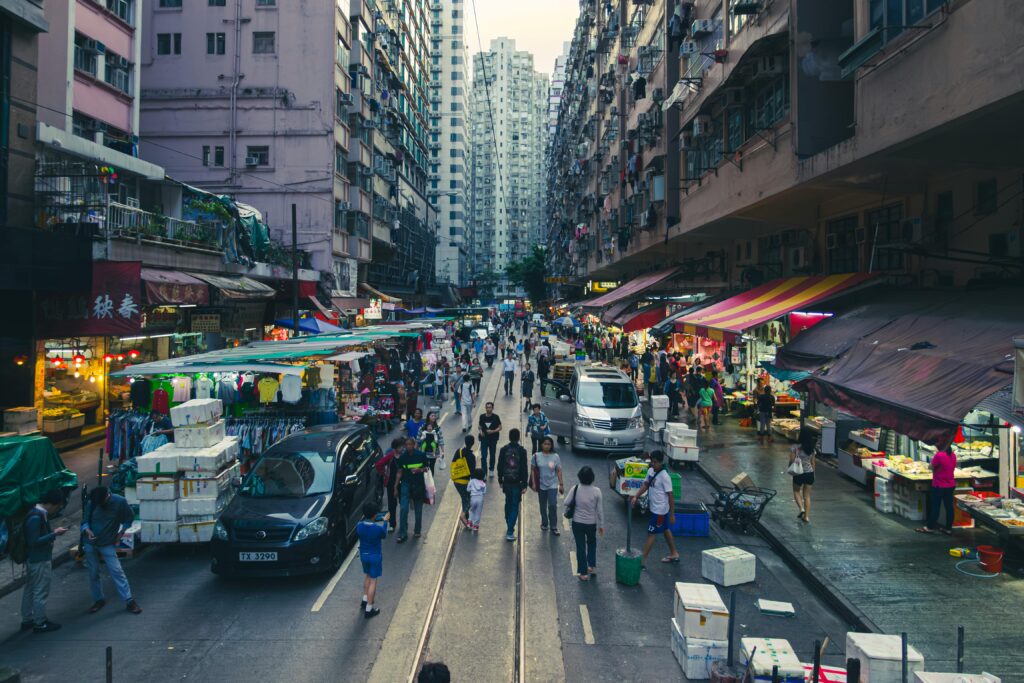
Even at its fastest, the city remains structured. Space feels tighter than photos suggest. Rooms quietly dictate how you move through the day, pavements narrow without warning, and restaurants hold a constant closeness that doesn’t lift even outside peak hours. After a few days, that proximity stops being abstract and starts to register in the body.
Density energises some visitors, especially early on. For others, its weight becomes noticeable after a few days, once novelty fades and the body starts keeping score.
When the City Stops Feeling Familiar
Hong Kong looks legible at first glance. English appears where you expect it, systems feel contemporary, and transactions move quickly. That initial sense of clarity doesn’t always hold once you begin relying on it.

Small gaps begin to appear once you rely on those systems fully. Prices climb faster than expected, rooms feel more restrictive than photos suggested, and restaurants that look casual often operate on unspoken rhythms that aren’t immediately clear. The city doesn’t slow down to confirm whether you’ve understood how things work.
Travelers who arrive expecting the city to translate itself often feel this shift most sharply.
The Limits of Highlight-Driven Trips

Many first-time visits are structured around famous views and condensed itineraries.
Victoria Peak, the harbor skyline, rooftop bars, and iconic ferry crossings carry much of Hong Kong’s global image. They’re part of the experience, though they pass more quickly than people expect. The rest is spent navigating transit corridors, waiting for tables, searching for space to pause.
When weather interferes, crowds thicken, or fatigue sets in, those highlights lose their balancing power. The city starts to feel harder than expected, even when nothing is technically wrong.
Cost as Emotional Friction
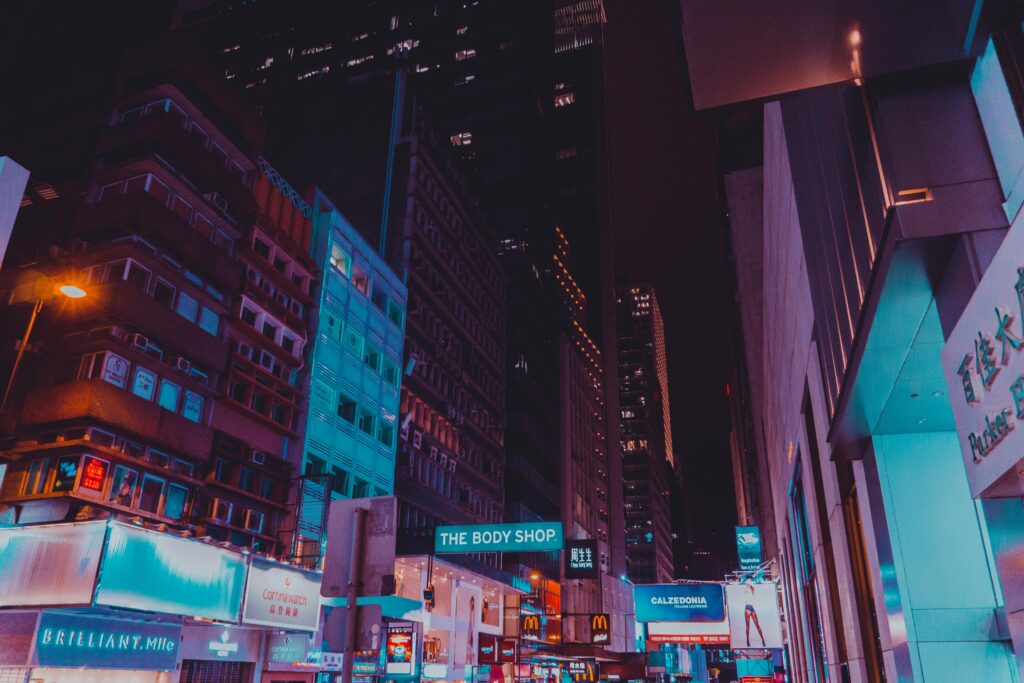
Hong Kong’s prices surprise people who arrive with outdated reference points. Meals, accommodations, and everyday purchases often feel heavier relative to what they deliver. Rooms begin to feel constrained relative to their price, and meals that seem casual at first start to add up over the course of a stay. Over time, this creates a quiet tension between spending and the ease people expect to feel. What tends to frustrate people is how much effort the experience seems to demand alongside the cost.
Social Distance and Surface Politeness
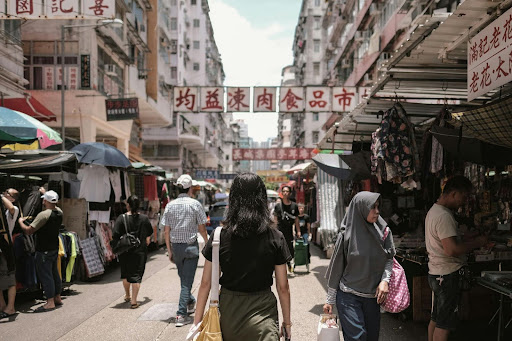
Daily life in Hong Kong is built around efficiency. Interactions tend to be short, crowded spaces leave little room for small talk, and movement in central districts is purposeful. Visitors who expect warmth to surface immediately sometimes experience this as coldness, at least at first.
Over longer stays, certain patterns start to emerge. The city moves with momentum, while connections take time to develop. When visits are brief, many travelers leave having understood the structure, but not the depth beneath it.
Who Feels the Disappointment Most
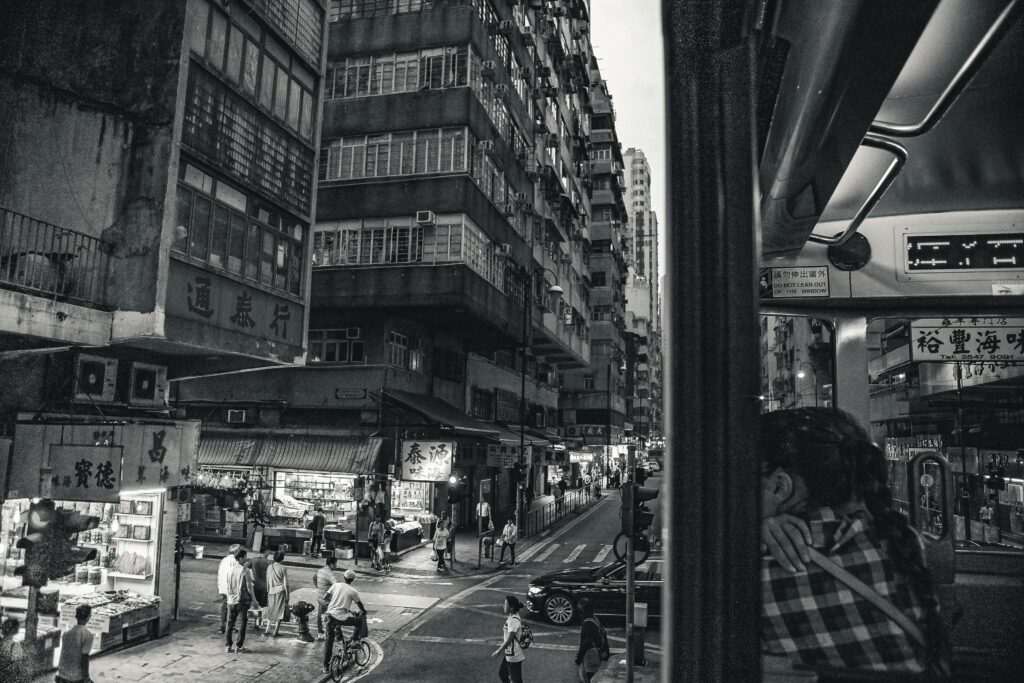
Disappointment tends to cluster among travelers who value spaciousness, emotional ease, and immediate orientation. Those who enjoy observing systems, adapting through repetition, and letting days unfold without tight schedules often experience the city differently. That gap shows up repeatedly in how differently people talk about the same trip.
When the City Makes More Sense
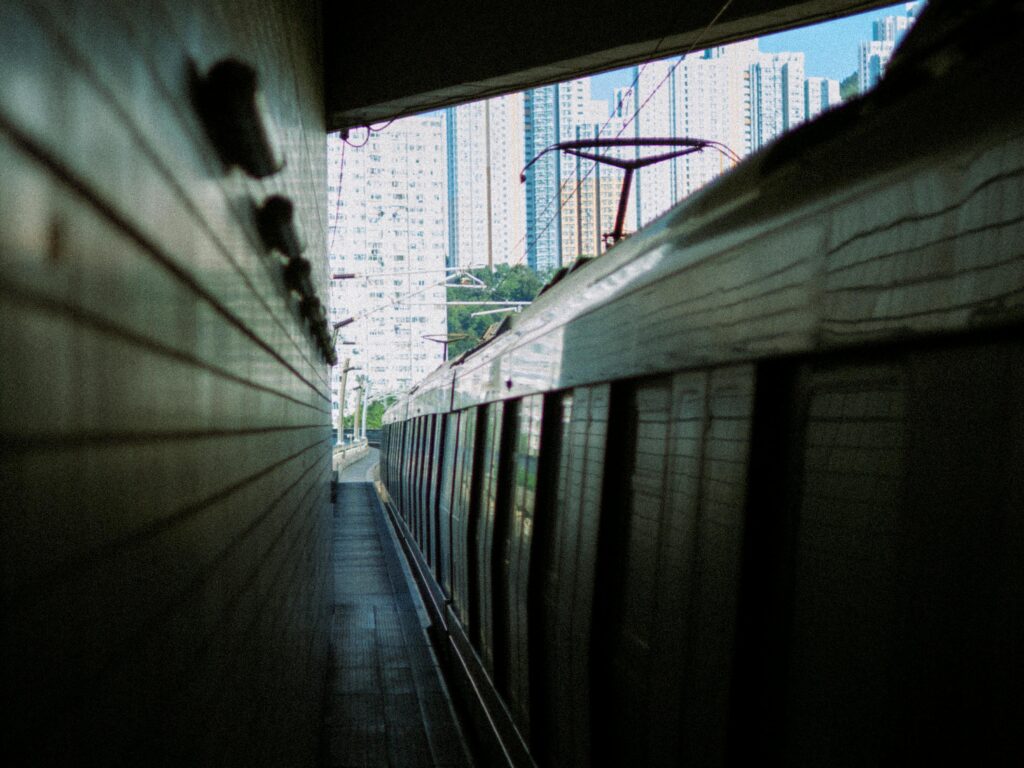
For some visitors, the shift arrives gradually. Once routines settle in and expectations adjust, the city softens. What initially felt abrupt becomes predictable, meals fall into familiar patterns, and moving through the city takes less effort. Others never reach that point, particularly during brief trips built around highlights and compressed schedules.
A Matter of Fit, Not Failure
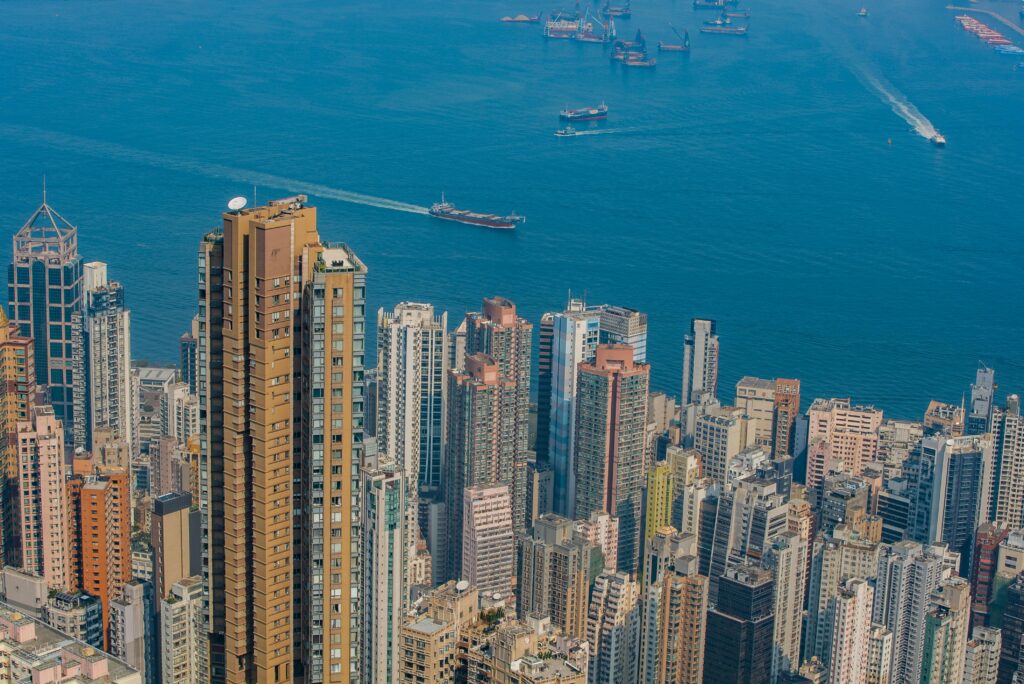
Hong Kong doesn’t reward every kind of traveler equally. It favors those comfortable with compression, pace, and indirect adaptation. Travelers who expect immediate ease or emotional spaciousness often leave unsettled, unsure why the experience felt heavier than anticipated.
That reaction says as much about expectations as it does about the city itself. Hong Kong doesn’t tend to meet visitors halfway. It opens up gradually, through repetition and familiarity. Some find that process energizing, while others experience it as work.
Related Articles
Is Hong Kong the Best Way to Experience China Without Going to Mainland China?
