


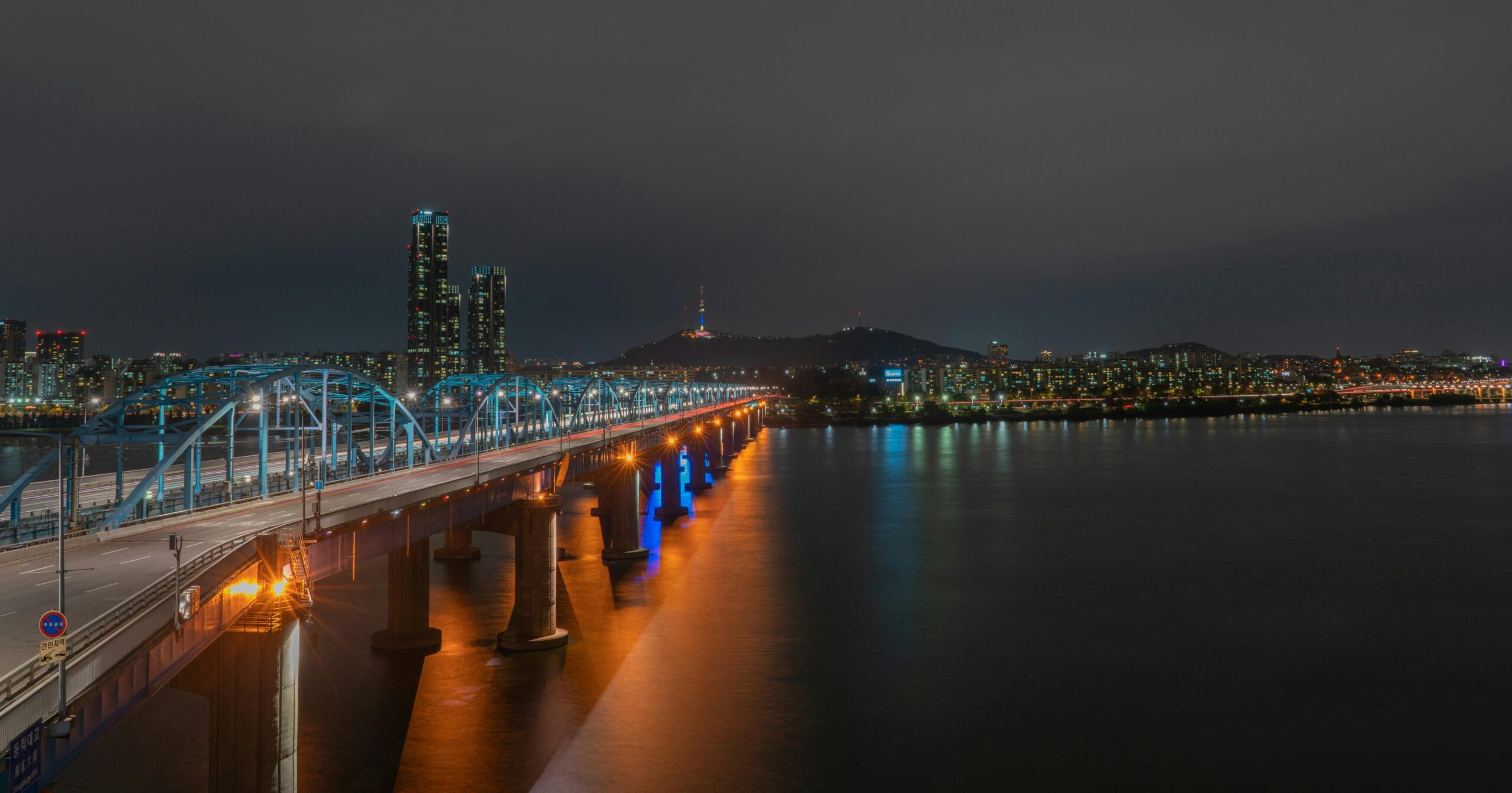
For many travelers, South Korea begins in Seoul and quietly stays there. Even when the itinerary stretches further, such as to Busan, Gyeongju, or Jeju, the country is often remembered through the pace and density of its capital. Seoul becomes the reference point everything else is measured against.

That perspective belongs more to planning than to being there. Once Seoul stops organizing the day, South Korea begins to register through smaller decisions and longer pauses. Mornings take shape without much thought, meals stretch a little longer, and there’s less pressure to keep deciding what comes next.
How Seoul Shapes Expectations
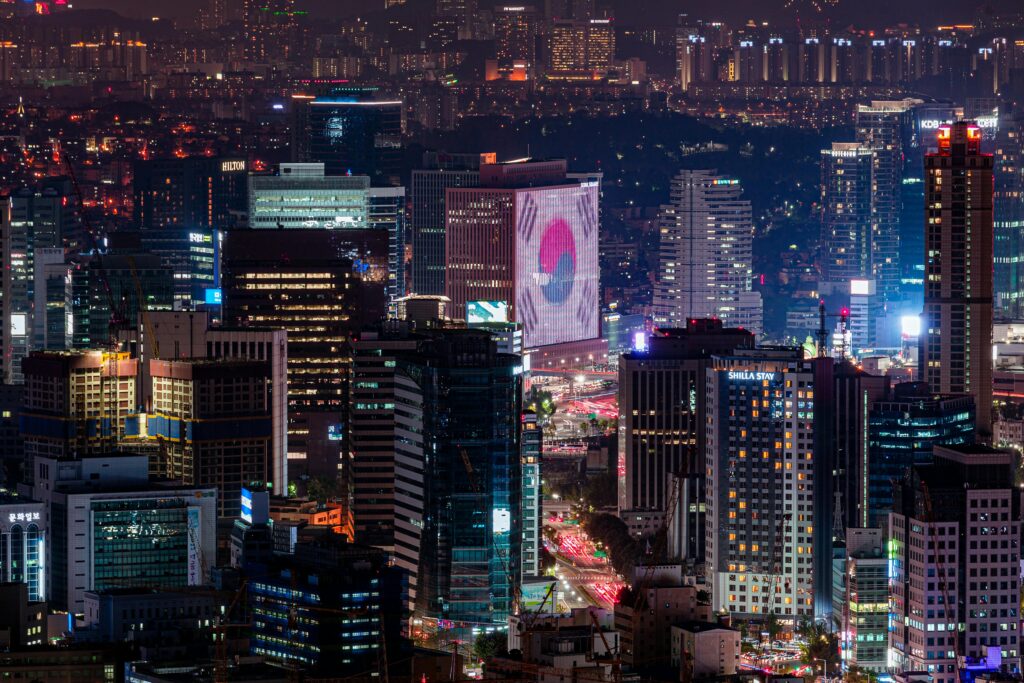
Seoul conditions you quickly. The city moves according to an internal logic that becomes easier to read with time. Trains run predictably, transfers fall into place, and cafés slip naturally into the spaces between work, errands, and evenings out. Even rest seems accounted for in how the city is set up.
At the beginning, the speed of the day works in your favor. You get used to moving quickly, slipping between places, and finishing days with the sense that nothing has really slowed you down. As long as you stay alert, Seoul tends to keep things moving.
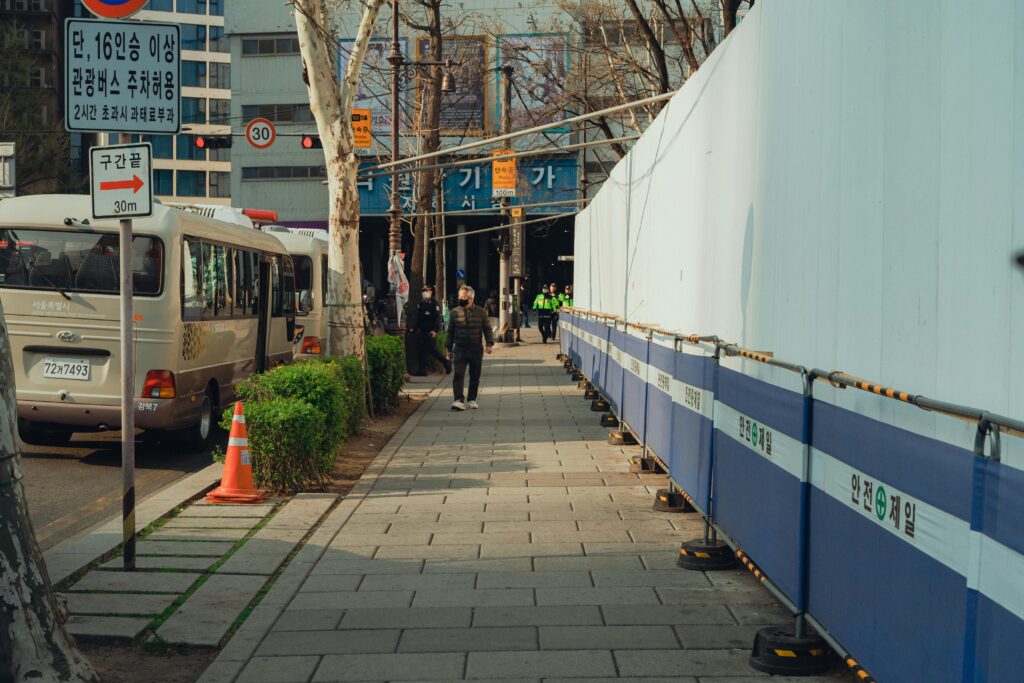
What Changes Once You Leave
The shift becomes noticeable the moment Seoul stops organizing your time.
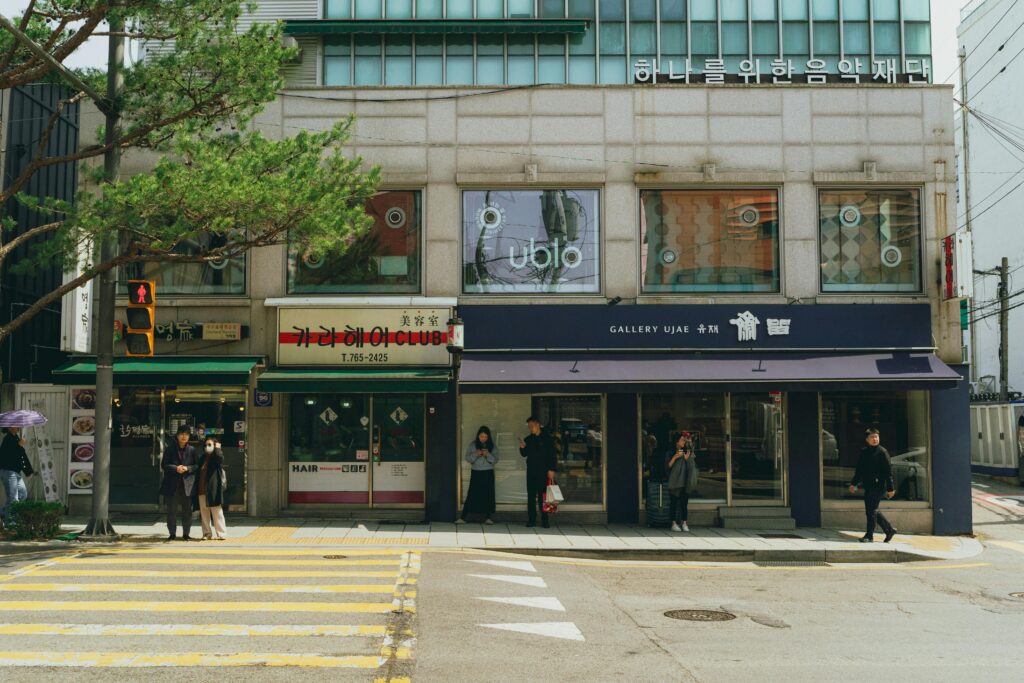
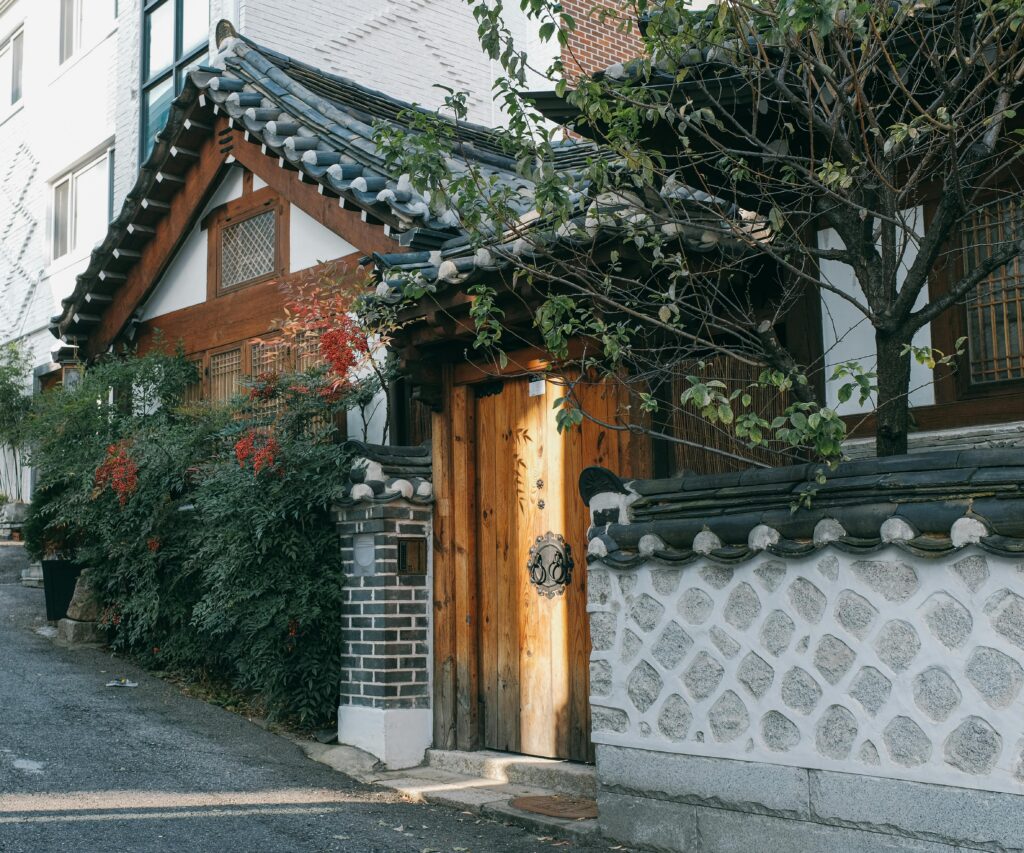
Walking through Gyeongju feels surprisingly ordinary. Tombs, temples, and neighborhoods overlap in ways that don’t ask for much attention at first. You notice things gradually, as part of the landscape, and the city gives you time to sit with them.
Busan brings a different adjustment. The city opens outward, shaped by the coastline and the space it creates. The port remains part of the everyday view, and movement spreads laterally instead of stacking on itself. As the day unfolds, even crowded areas seem to ease, making it easier to stay put without feeling behind.
Nothing feels inefficient or out of place. What changes is how little urgency ends up defining the day.

Life Without Constant Engagement
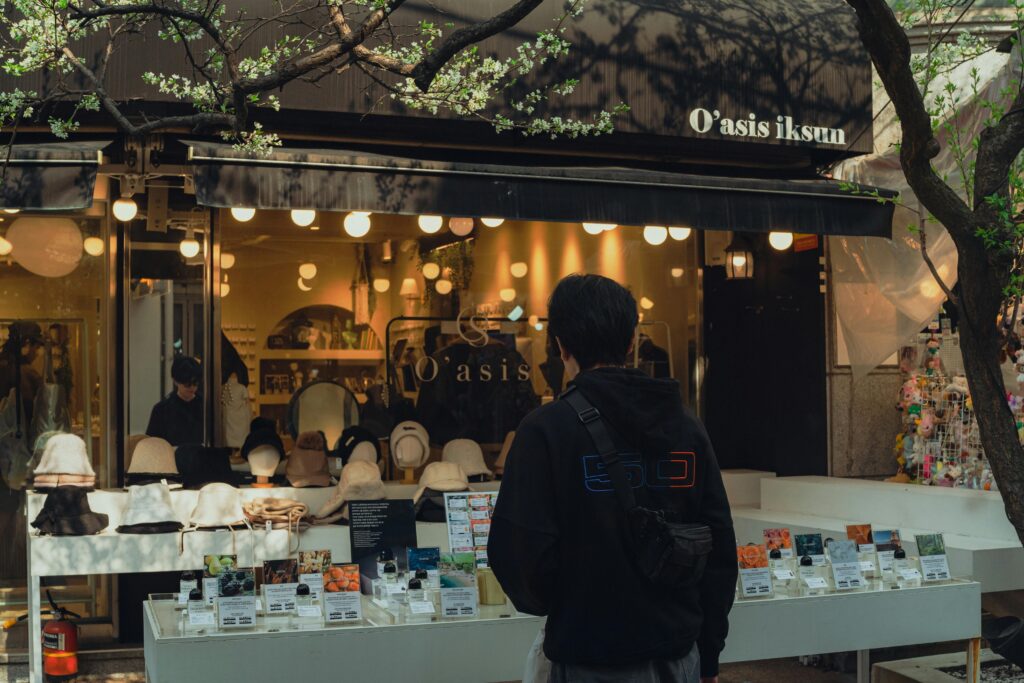
Outside Seoul, daily interactions feel simpler. Tourism exists in the background, leaving room for ordinary routines to remain intact. Conversations often start practically and drift into something warmer without much notice.
The shift shows up most clearly at the table. In Seoul, meals often move with purpose, shaped by efficiency as much as appetite. Elsewhere, eating becomes less contained, with conversations stretching on and plates left untouched a little longer, as if time itself isn’t waiting for the moment to end.

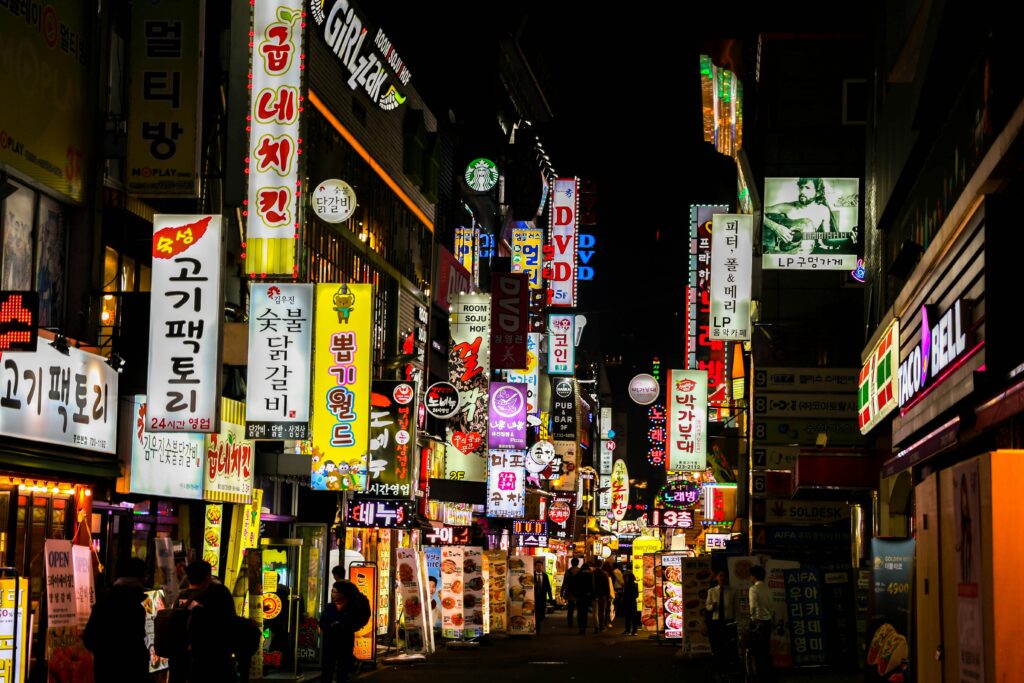
Evenings settle in the same way. Activity tapers off, streets grow lighter, and shops close when the day reaches its natural stopping point. With fewer directions to move in, attention tightens, and the night holds a simpler shape.
Distance as a Reset: Jeju Island
Jeju shifts the experience further. Physical distance from the mainland reshapes how time is felt almost immediately. Weather, terrain, and light begin to set the pace of the day. Movement slows and becomes more deliberate, guided by hills, wind, and long stretches of space.
On the island, time stretches in a different way. Hikes take longer than expected, drivers demand a bit more focus, and even brief outings seem to carry enough weight to stand on their own. Jeju feels open to visitors, but the island keeps moving on its own terms.
Jeju is often approached as a pause in the trip. Spending time there brings a different understanding into focus. As density thins out, daily routines begin to loosen along with it, suggesting how closely pace is tied to structure and space.
What Lingers Afterward

Travelers who remain in Seoul tend to leave impressed and energized, sometimes slightly worn down. People who spend enough time beyond the surface often talk about the country in quieter terms. The language shifts toward how the days held together once the need to keep moving began to loosen.
South Korea beyond Seoul continues to run smoothly, yet the days carry a lighter weight. Movement feels less managed, pauses arrive without planning for them, and it becomes easier to let one part of the day lead naturally into the next. The change is quiet, but it stays with you.
Seeing the Whole Country

Seoul remains an essential entry point. It’s where the country’s systems, cues, and social rhythms first come into focus, setting a reference point that carries beyond the capital. A trip shaped entirely by Seoul often carries the same intensity throughout. Stepping into other cities or landscapes changes that tone, allowing days to stretch and shift without the same sense of urgency.
For travelers trying to gauge whether South Korea fits them, attention often shifts toward the shape of the days themselves. What becomes clearer is how much the day is shaped in advance, and how much space exists between moments. South Korea becomes clearer once Seoul stops doing all the talking.
Related Articles
South Korea’s Unique Blend: Tradition and Modernity in Perfect Balance
