


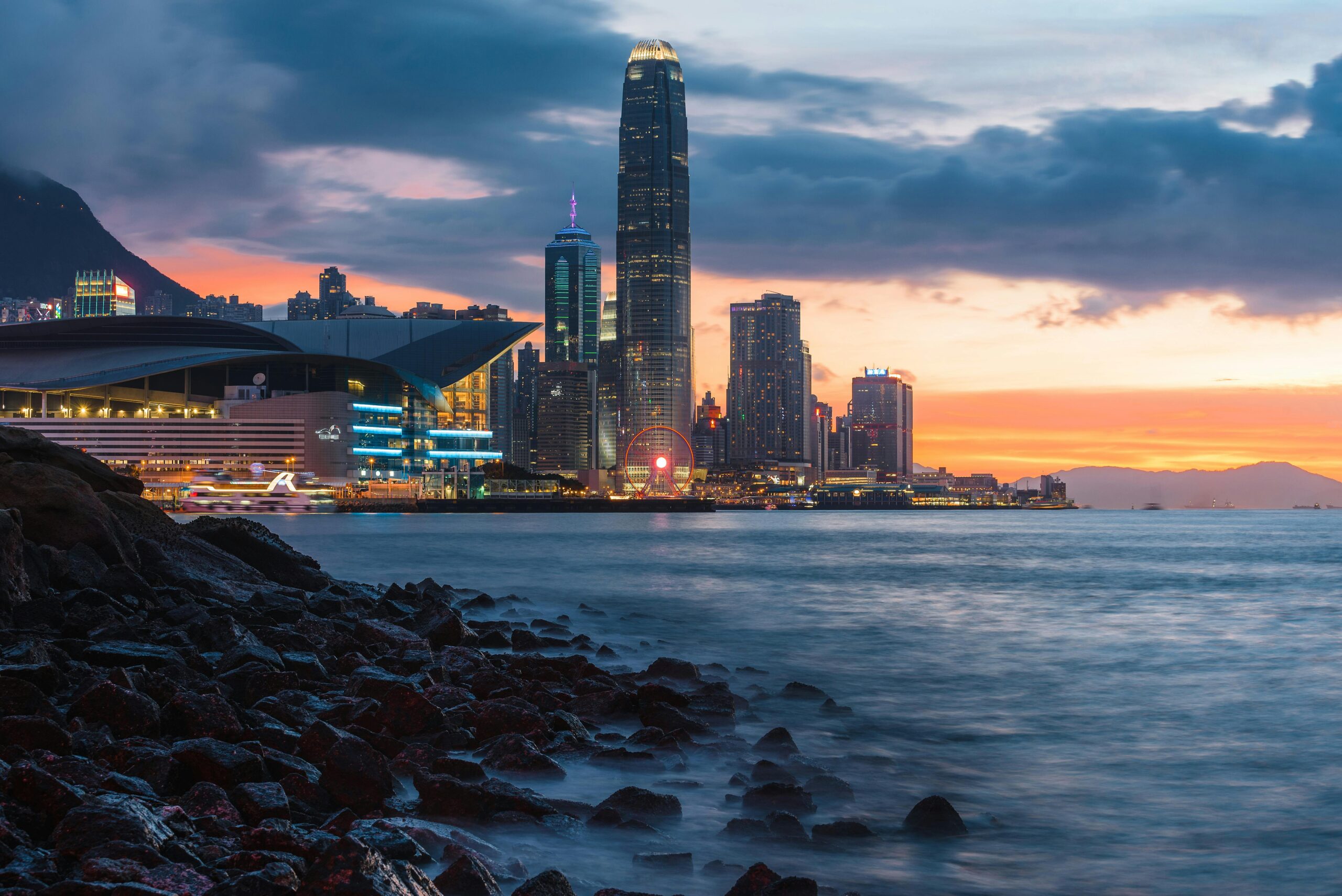
Hong Kong is often described through familiar phrases: East meets West, a city of contrasts, or old temples tucked beneath glass towers. Those lines capture the surface. What they don’t quite prepare you for is how the city reveals itself gradually, usually a day or two in, once you start moving through it.
For travelers who feel curious about China but hesitant to fully enter it, Hong Kong often becomes a way to ease into that experience at their own pace.
A City That Feels Familiar Before It Feels Foreign
In Hong Kong, Chinese culture is present from the moment you arrive. You hear it in the language, taste it in the food, see it in the daily rituals that continue regardless of who is watching. Yet at the same time, the city rarely asks you to relearn how to function.
Immigration tends to be smooth. Signage switches easily between languages. Public transportation runs with a kind of precision that settles you quickly. Your phone behaves normally, your apps load, and nothing about daily life needs to be re-engineered just to function.

For travelers coming from the U.S. or Europe, mainland China often requires a deeper adjustment, especially in the practical details of everyday life. The tools you rely on don’t always behave the same way, and even routine tasks tend to move more slowly.
Hong Kong absorbs much of that friction for you. It allows difference to exist without forcing constant adaptation. You’re exposed to a Chinese environment while remaining anchored to systems that feel intelligible. That balance is what makes the city feel approachable rather than overwhelming.
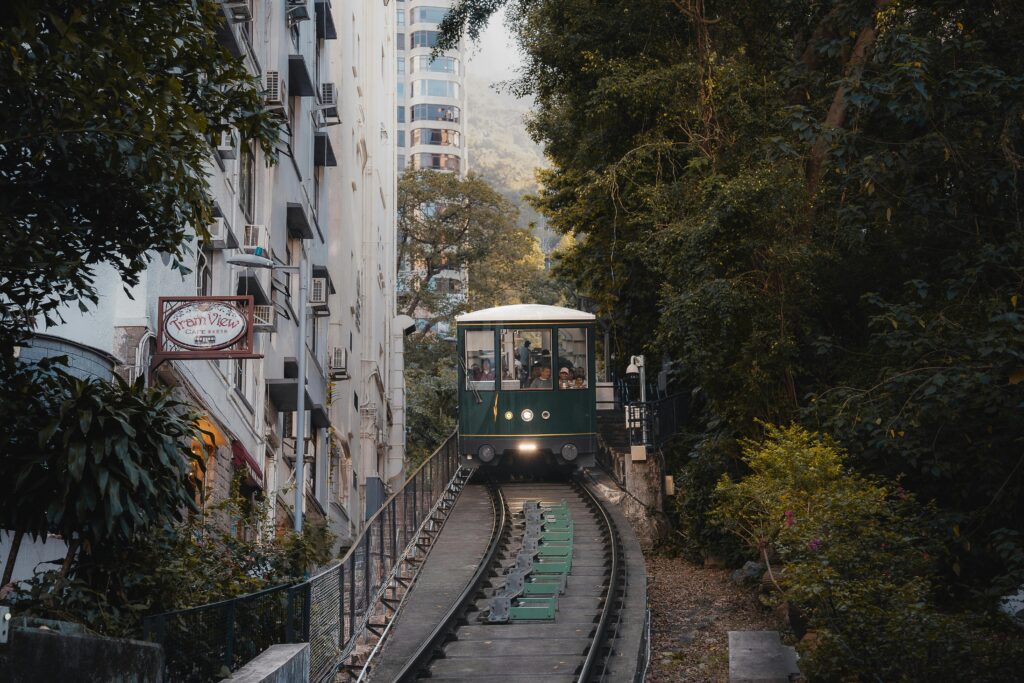
Learning Density Without Losing Your Bearings
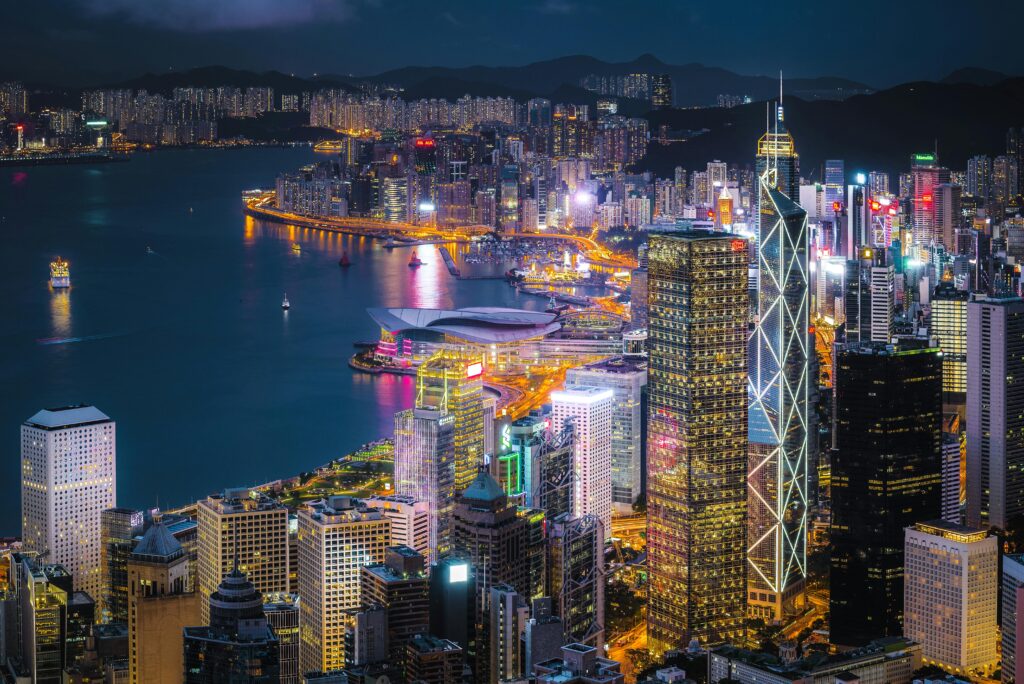
Hong Kong is among the most densely populated cities in the world. It grows vertically, compresses inward, and keeps moving. Streets are tight, buildings sit shoulder to shoulder, and space is rarely wasted. What surprises many visitors is how rarely that compression feels overwhelming.
After a while, the city stops feeling random. Movement gains rhythm, timing becomes reliable, and different neighborhoods begin to reveal themselves through pace rather than landmarks. Certain parts of the city carry a constant urgency, while other areas leave more room to breathe than you notice at first.
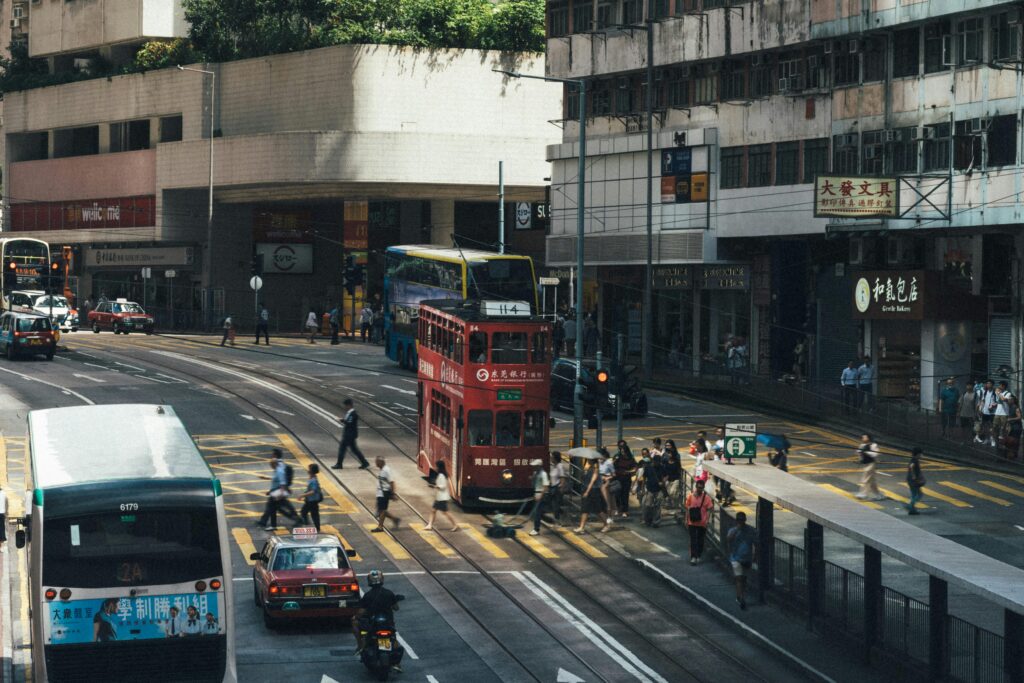
Hong Kong introduces scale in a way that allows you to adjust as you go. You aren’t dropped into a system that demands immediate mastery. Instead, the city teaches you through repetition. You learn which exits matter, which routes feel lighter, which moments of the day offer space. For travelers who are unsure how they’ll respond to China’s intensity, this learning process becomes quietly informative.
Cultural Exposure That Doesn’t Demand Total Immersion

One of Hong Kong’s defining qualities is its ability to let you step in and out. You can spend a morning in a traditional neighborhood, surrounded by markets, temples, and local routines that have little interest in visitors. By early afternoon, you might find yourself somewhere quieter, air-conditioned, and unexpectedly familiar. And then, within minutes, find yourself in a café or hotel environment that feels globally familiar.
The shift feels deliberate. The city is designed to hold both at the same time. In mainland China, cultural immersion tends to be continuous. Rewarding, yes, but mentally demanding. Every interaction carries weight and every decision requires translation, interpretation, and adjustment.
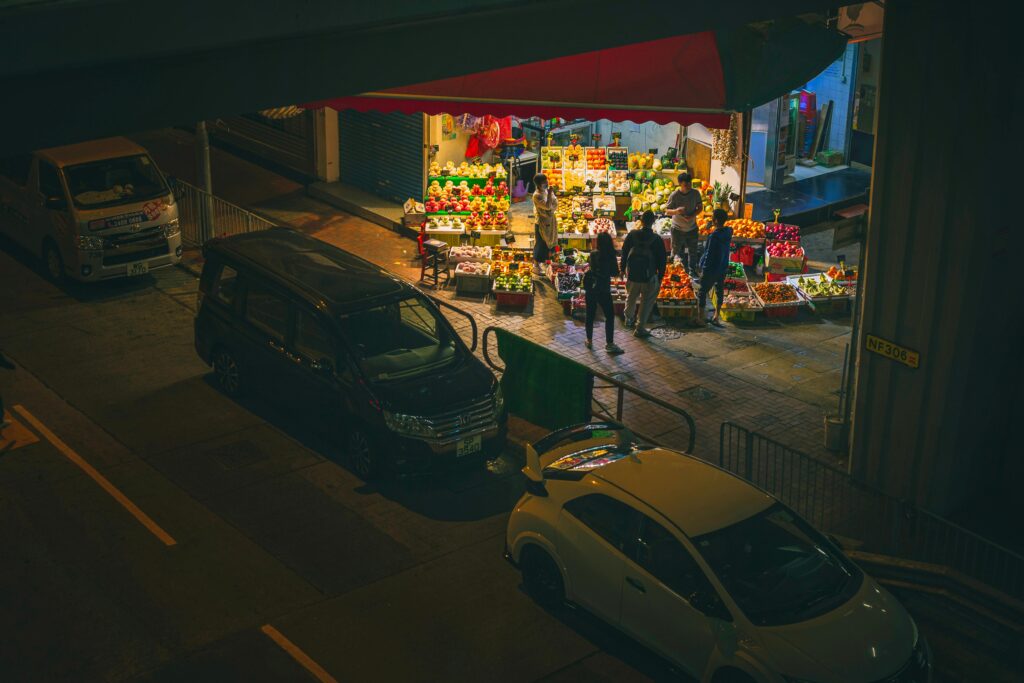
Hong Kong offers proximity without saturation. You decide how deeply to engage at any given moment. That choice alone changes how the experience feels over several days. For shorter trips especially, this flexibility often determines whether the city feels invigorating or exhausting.
Why Hong Kong Works So Well for Limited Time

Hong Kong reveals itself quickly. Within a few days, most travelers develop a working understanding of its geography, its flows, and its pressures. The city doesn’t require weeks to become legible. That clarity makes shorter stays feel complete rather than abbreviated.
In mainland China, trips often need more time to settle. Distances are wider, movement takes longer, and the experience unfolds at a slower pace before it begins to pay off. Hong Kong, by contrast, delivers a sense of orientation early on. For travelers considering whether to explore China more deeply, this distinction often ends up shaping the decision.
The Frictions That Still Exist
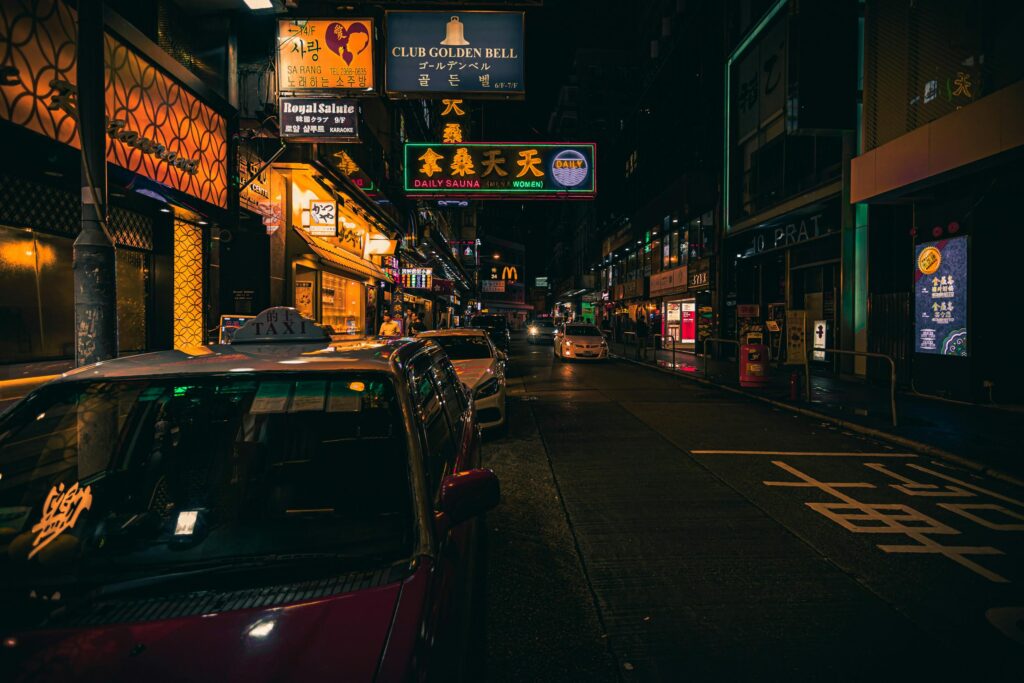
Hong Kong isn’t gentle. Rooms are compact, prices climb quickly, noise is a constant presence, and space is negotiated instead of freely given. The city rarely slows down to accommodate individual comfort, and that pressure can accumulate over time.
Some travelers feel energized by this environment. Others notice fatigue setting in after several days. But this, too, is part of what makes Hong Kong valuable.
The city doesn’t disguise the demands it places on you. It simply presents them in a form that remains manageable. In that sense, Hong Kong becomes a low-risk way to understand how you respond to density, speed, and compression.
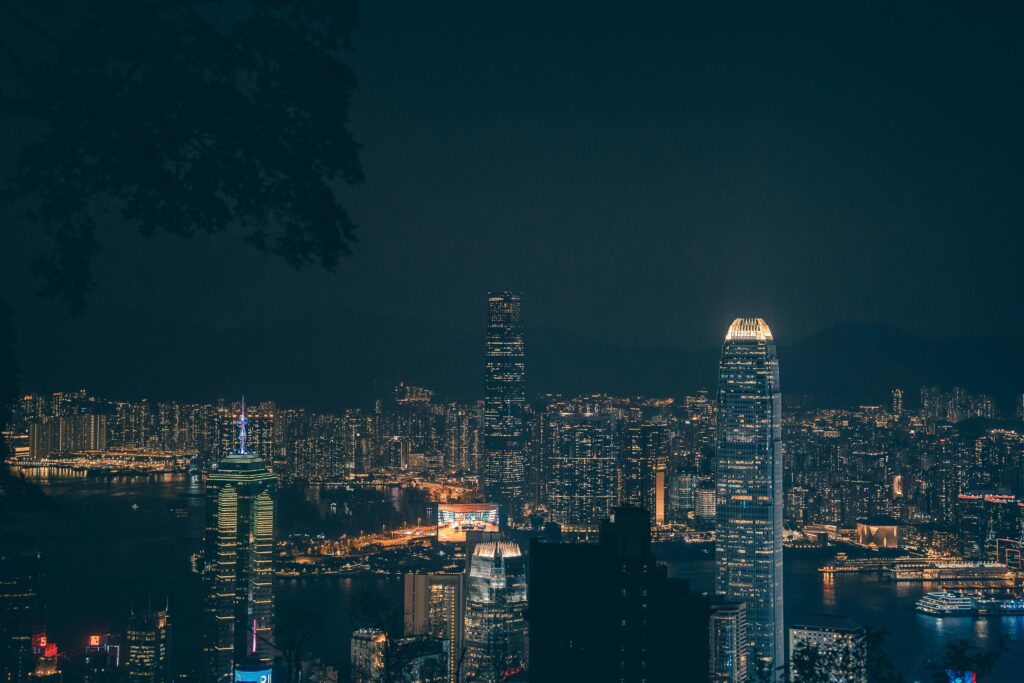
A City That Helps You Decide What Comes Next
Hong Kong is often approached as something to optimize: attractions, neighborhoods, transit routes. The part that stays with people usually isn’t found in any of those calculations.
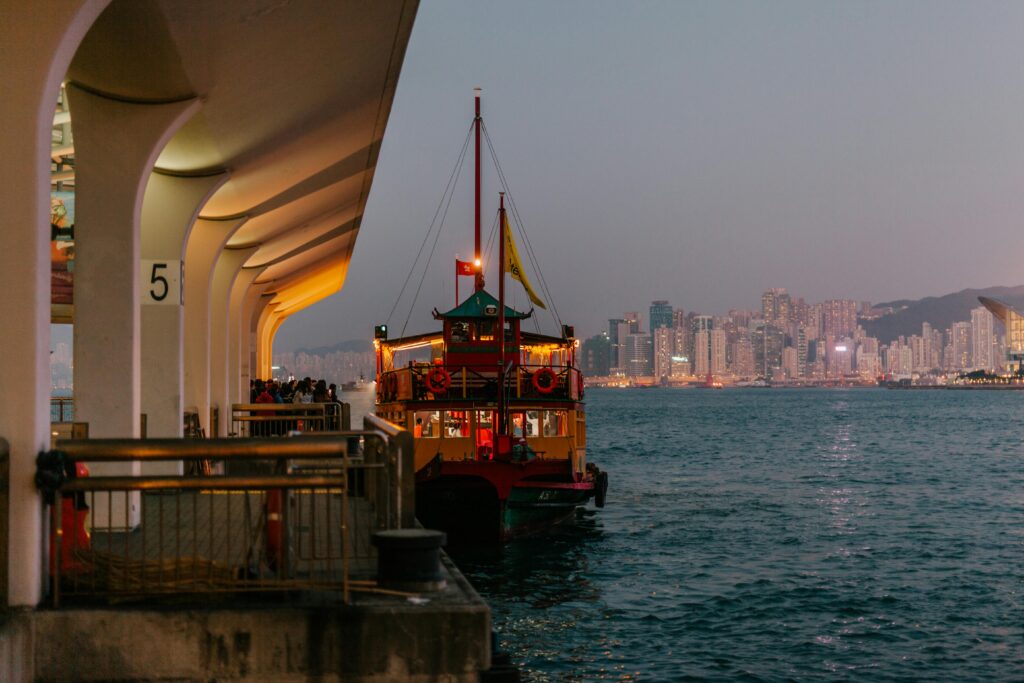
The city helps you answer a personal question: how much intensity you want, and under what conditions. You feel the cultural depth without needing to fully submerge yourself. The city stays structured and legible, without closing in on you.
Hong Kong works differently depending on who you are. For some, it’s enough on its own. For others, it opens the door to mainland cities. And for many, it’s a place worth returning to because curiosity can live there without turning into a promise. Hong Kong gives you a sense of what commitment to China might actually feel like.
