



Vietnam, a country where history is woven into the fabric of daily life, offers a rich and diverse cultural experience for every traveler. From the ancient temples that stand as silent witnesses to centuries of tradition, to the vibrant streets filled with modern energy, Vietnam’s culture is a unique fusion of old and new. Whether it’s through the country’s spiritual practices, its culinary delights, or its festivals that showcase a deep connection to its past, Vietnam invites travelers to explore its cultural heartbeat in every corner.
The Sacred Heart of Vietnam: Ancient Temples and Spiritual Practices

Vietnam’s cultural heritage is strongly shaped by its spiritual beliefs, deeply rooted in Confucianism, Buddhism, and Taoism. Temples and pagodas are scattered across the country, each carrying its own stories of devotion, history, and community. Among the most revered is the Temple of Literature in Hanoi, where scholars have come to pay homage to Confucius and to seek wisdom for over a thousand years. This place is not only a historical site but also a living testament to Vietnam’s reverence for knowledge, learning, and its commitment to preserving intellectual traditions.

Throughout the country, you’ll encounter various places of worship, including the Cao Dai Temple in Tay Ninh, where the fusion of Buddhism, Christianity, Taoism, and Confucianism creates a truly unique religious experience. This colorful and vibrant temple is a religious site and a reflection of Vietnam’s cultural openness and its embrace of diverse spiritual beliefs. These temples are places where the soul of Vietnam resides, quietly inspiring those who visit to reflect on the country’s deep spiritual roots.

The Power of Family: A Core Value in Vietnamese Culture
Family plays a central role in Vietnamese society, deeply influencing how people live, work, and celebrate. It’s a value passed down through generations and is reflected in daily interactions, festivals, and social norms. Respect for elders, the role of the family as a cornerstone of society, and ancestor worship are key aspects of Vietnamese culture that travelers encounter in their journey.

Ancestor worship, an essential practice in Vietnam, is celebrated during key times of the year, such as the Tết Festival (Vietnamese Lunar New Year). During this time, families gather to honor their ancestors and seek blessings for the year ahead. Visiting Vietnam during Tết is not only a way to see the country’s traditional practices in action but also a way to experience the joy, hope, and renewal that accompany this deeply spiritual celebration.
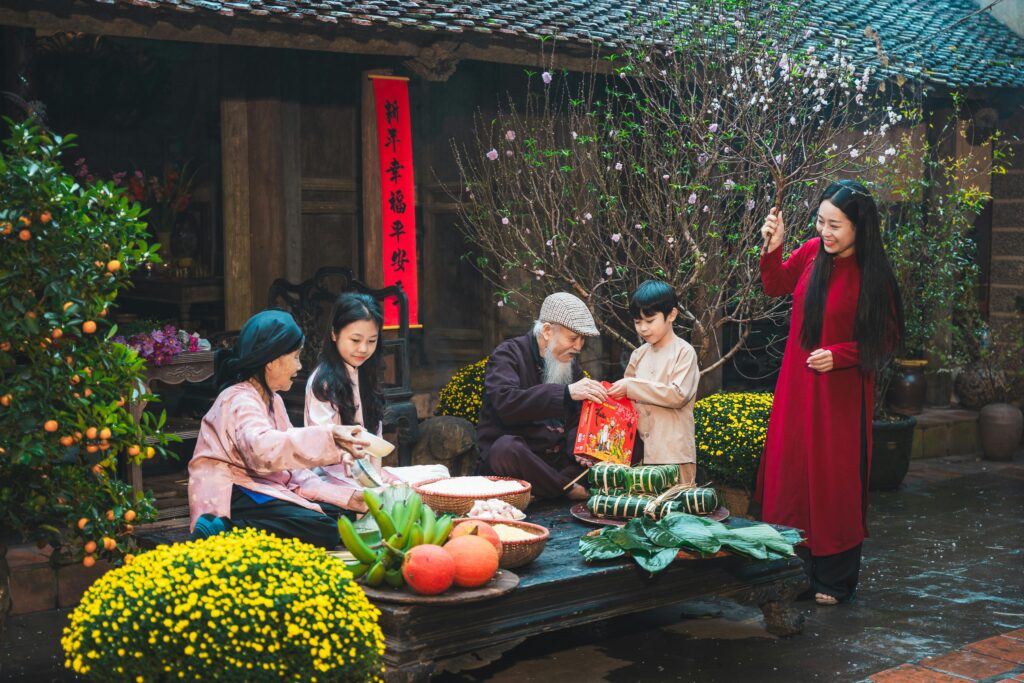
In rural villages, family ties are especially strong. The homes are often multi-generational, with grandparents, parents, and children living together, contributing to a sense of unity and continuity. Travelers are invited to witness this in the countryside, where life moves at a gentler pace and community ties are visibly stronger.
The Flavor of Vietnam: Culinary Traditions That Tell a Story
Vietnam’s cuisine is as much a part of its culture as its temples and festivals. The diversity of flavors, textures, and ingredients in Vietnamese food is a direct reflection of the country’s rich cultural landscape. From the bustling street food markets of Hanoi to the southern delicacies of Ho Chi Minh City, Vietnamese food is an integral part of the country’s identity.

Each region offers its own specialties, rooted in local traditions. Pho, the world-renowned noodle soup, has its origins in the north, where it has evolved from a simple, hearty dish into a symbol of Vietnamese culinary excellence. In the central region, Bánh Xèo (crispy pancakes) are a staple of local street food, often enjoyed with fresh herbs and dipped in a savory sauce. And in the Mekong Delta, the use of fresh herbs, fish, and coconut milk creates unique flavors that reflect the region’s lush, tropical environment.

Food in Vietnam captures the essence of the country’s history, people, and its way of life. Visiting local markets is an opportunity to dive deep into Vietnam’s culinary culture, where the sights, sounds, and smells come together to create an immersive experience. Whether you’re sipping coffee in a Hanoi café or tasting Bánh Mì from a street vendor in Ho Chi Minh City, food in Vietnam is an experience that tells the story of its people and their traditions.

Vietnam’s Festivals: A Celebration of Culture and Community

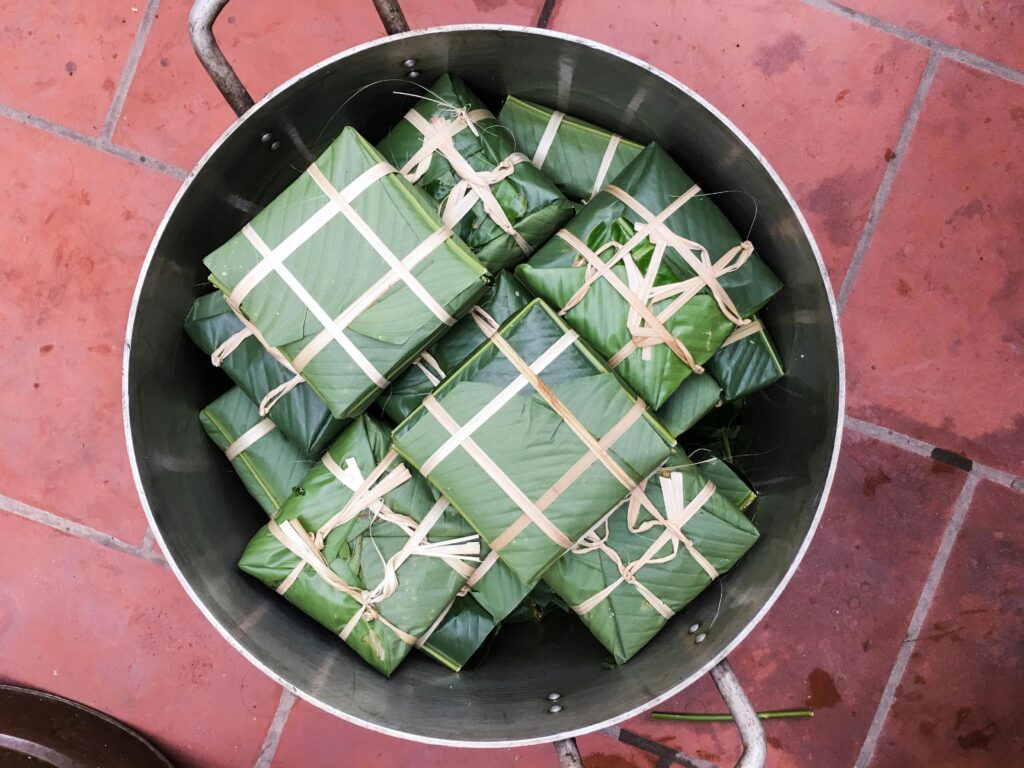
Festivals in Vietnam are cultural expressions that bring communities together, celebrating everything from the Lunar New Year to local harvests. Tết, the Vietnamese Lunar New Year, is the most significant celebration of the year. It’s a time for families to reunite, honor ancestors, and look forward to a fresh start. Streets are filled with colorful decorations, markets burst with activity, and families gather to share traditional foods like Bánh Chưng (square sticky rice cakes) and Mứt (candied fruits).
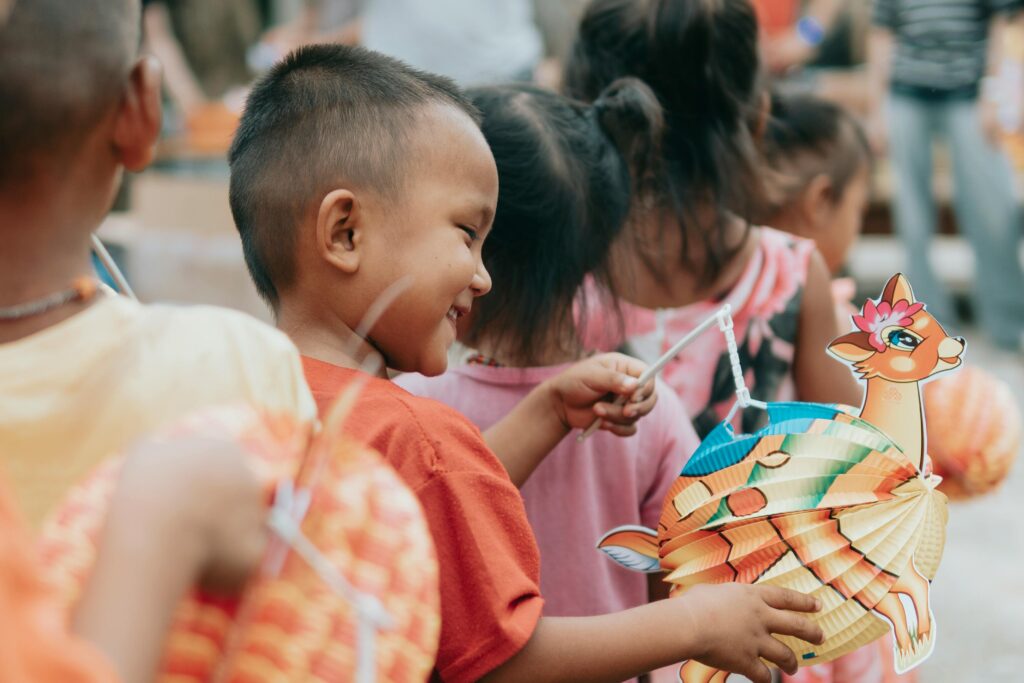
Another prominent festival is the Mid-Autumn Festival, which celebrates the harvest and is marked by the lighting of lanterns, dragon dances, and the sharing of mooncakes. This festival is particularly special for children, who look forward to receiving lanterns and taking part in the nighttime processions. The Mid-Autumn Festival offers travelers a chance to see another side of Vietnam, one that is both joyful and steeped in tradition.
For those interested in more regional celebrations, the Hue Festival in the central region showcases the cultural heritage of Vietnam’s former imperial capital, offering a mix of royal performances, traditional music, and art. These festivals are living, breathing parts of Vietnam’s identity, full of stories and meanings passed down through generations.

Modern Traditions: Vietnam Today
While Vietnam holds tightly to its traditions, it also embraces modernity in unique ways. In cities like Ho Chi Minh City and Hanoi, you’ll find a dynamic blend of the old and the new. The streets hum with the sound of motorbikes, alongside bustling tech startups and vibrant creative communities. The rapid urbanization and growth of Vietnam are shaping new traditions and cultural expressions that speak to the country’s evolving identity.

Young people in Vietnam are blending global influences into their lifestyles, from fashion to food, while maintaining a strong connection to their cultural roots. It’s a country where ancient customs coexist with contemporary ideas, creating a vibrant and optimistic atmosphere that invites both locals and visitors to explore the best of both worlds.
Engaging with Vietnam: A Journey Into the Heart of Its Culture

Vietnam’s culture is a tapestry of traditions, values, and modern expressions, woven together in a way that makes the country a fascinating destination for travelers. Whether you’re exploring the tranquil beauty of ancient temples, savoring the flavors of the country’s diverse cuisine, or participating in one of its colorful festivals, Vietnam offers an experience that is rich, immersive, and deeply rewarding.
For those who wish to go beyond the usual tourist attractions, Vietnam’s culture provides an endless array of opportunities to engage with its history and its people. By embracing both the ancient and the modern, travelers can unlock the true essence of Vietnam: a country that is proud of its past and optimistic about its future.
