


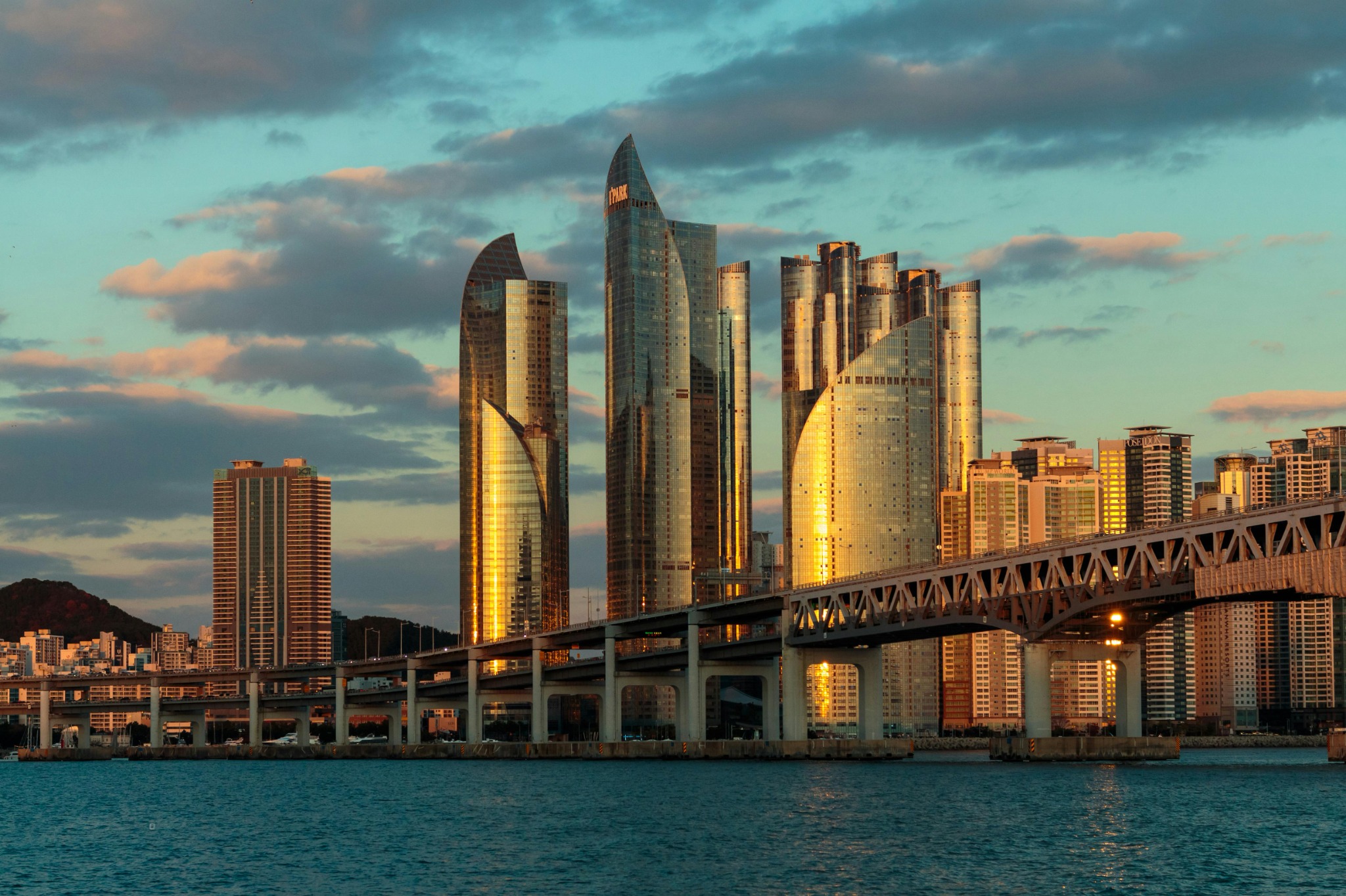
South Korea’s allure is no longer confined to Seoul’s buzzing streets. While the capital remains a dynamic metropolis, it’s the quieter, slower-paced cities outside Seoul that reveal Korea in its most human form. Busan, Gyeongju, and Jeju offer a refreshing contrast to the city’s frenetic energy, allowing travelers to experience a deeper, more grounded side of the country. Each of these places brings its own rhythm, inviting you to connect with the culture and natural beauty in different ways.
Busan: A Coastal City with Urban Charm
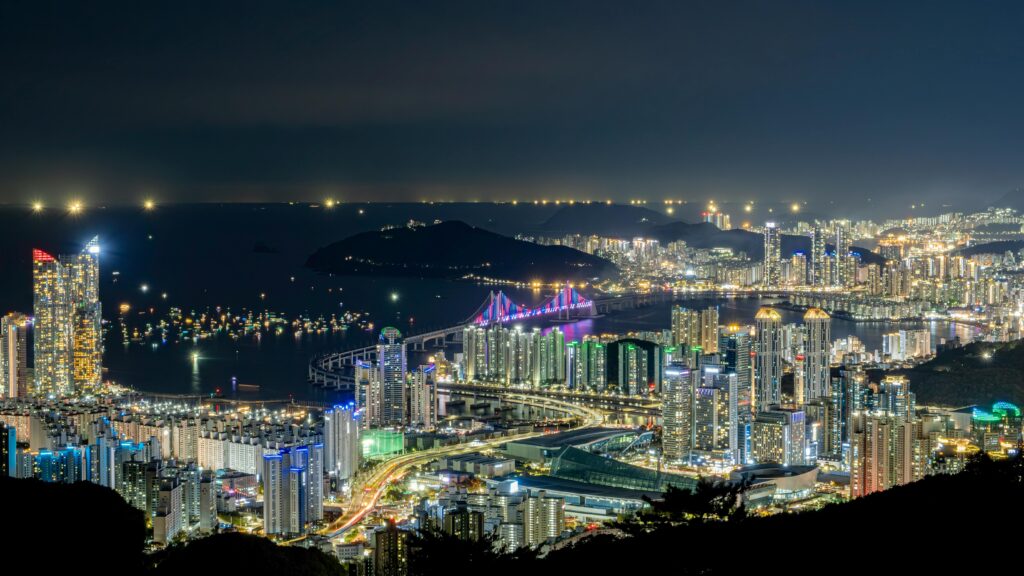
Busan, the second-largest city in South Korea, presents a unique blend of coastal life and urban vibrancy. While Seoul pulses with its rapid pace and modern architecture, Busan offers a more relaxed and approachable energy. The city’s beaches, such as Haeundae, are some of the best in the country, complete with an array of restaurants and beachside cafes where locals and tourists alike unwind.
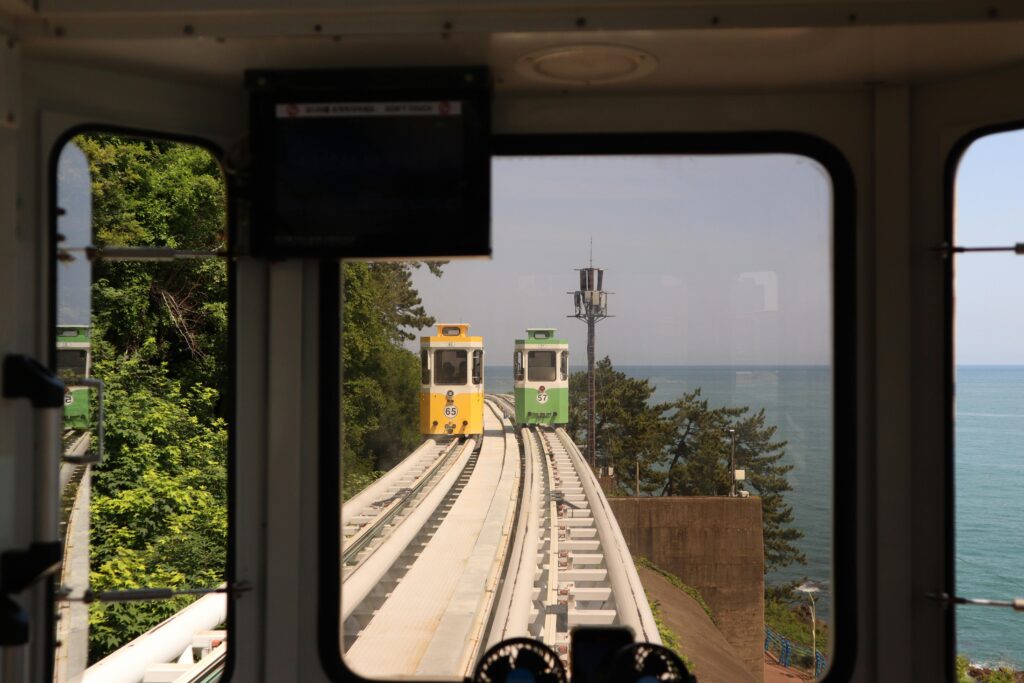
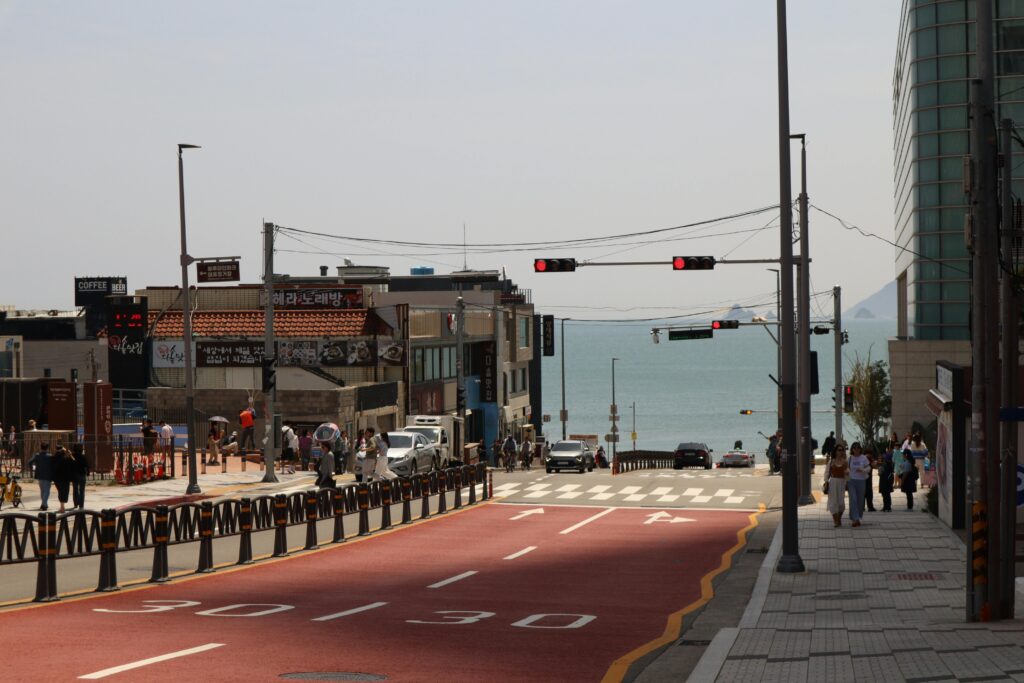
In Busan, you can feel the flow of the sea. The bustling Jagalchi Fish Market lets you experience the freshest seafood, while the colorful Gamcheon Culture Village brings a touch of art and history into the mix. But beyond the well-known spots, Busan offers a more human side of Korea that’s rarely highlighted in typical tourist guides. It’s a city that invites you to breathe easy, whether you’re strolling along the beach at sunset or exploring the quieter, lesser-known neighborhoods.
Gyeongju: A Glimpse Into Korea’s Ancient Heart
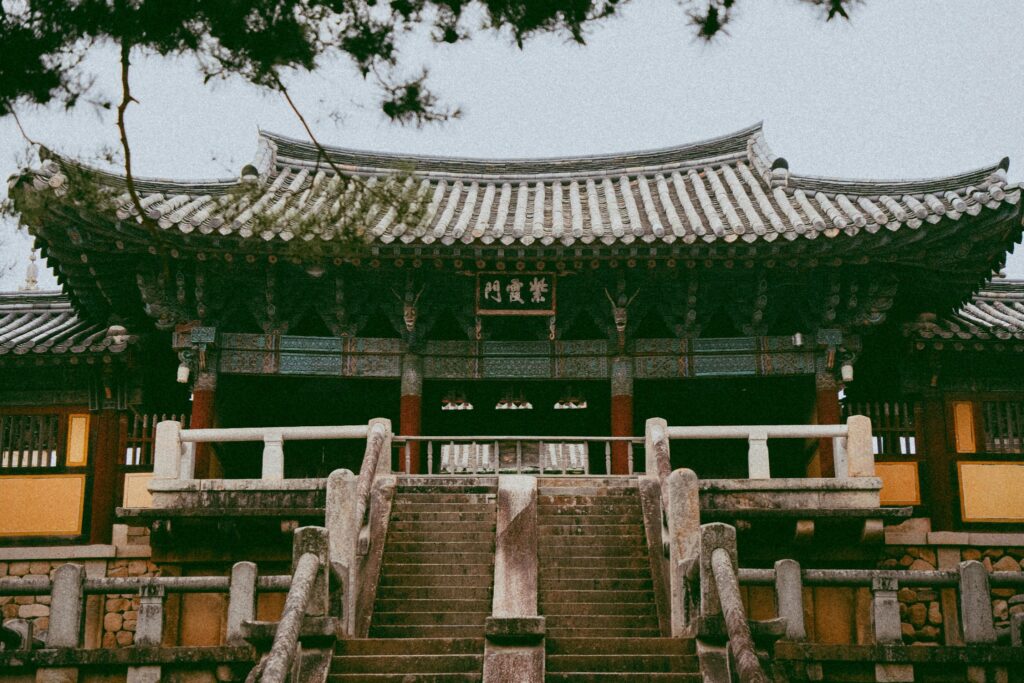
Gyeongju, often referred to as the “museum without walls,” provides an experience unlike any other in South Korea. Once the capital of the Silla Kingdom, it’s a treasure trove of ancient tombs, temples, and palaces. The city itself is deeply steeped in history, and the way it gently unfolds its past to you makes it feel alive in a way that few other cities do.

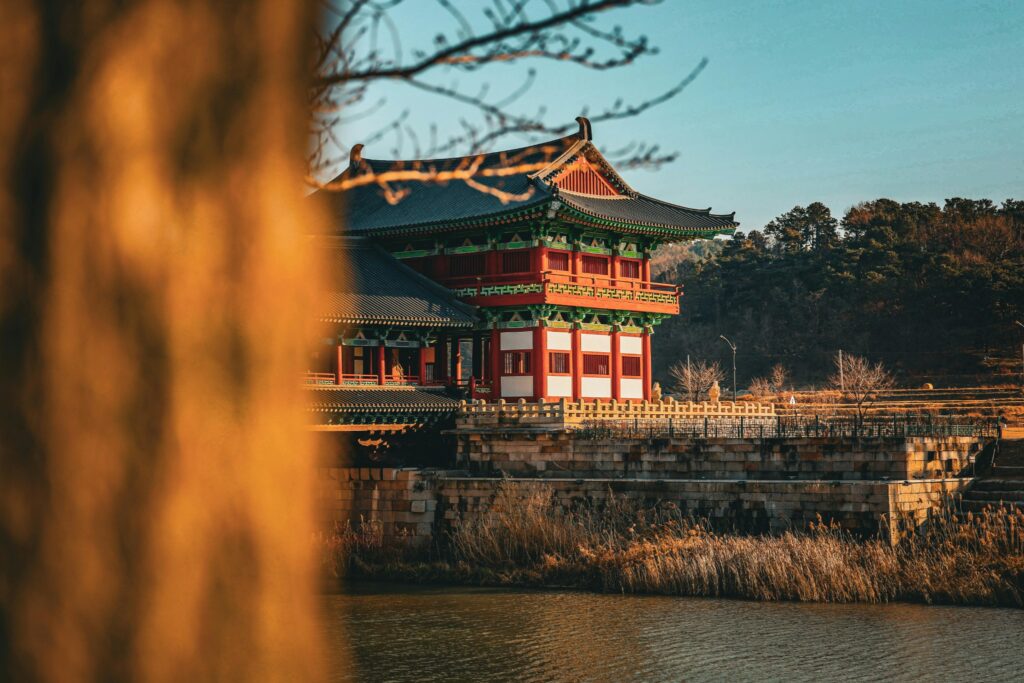
As you walk through Bulguksa Temple or visit the serene Anapji Pond, you’ll notice the pace here is slower, more deliberate. Gyeongju isn’t a city that demands your attention but instead invites you to pause and take in its beauty at your own pace. Unlike the energy-driven Seoul, Gyeongju’s charm lies in its ability to make history feel organic, unfolding naturally alongside modern life. The city seems to breathe with you, offering a welcome escape from the busy pace of Korea’s larger urban centers.
Jeju: The Island That Slows Time
If you’re drawn to natural beauty and want to experience a slower, more laid-back pace, Jeju Island is the perfect getaway. Known as “Korea’s Hawaii,” Jeju offers stunning landscapes that range from volcanic craters to peaceful waterfalls. The island’s subtropical climate creates an environment where time stretches out, inviting you to explore without the pressure of city schedules.
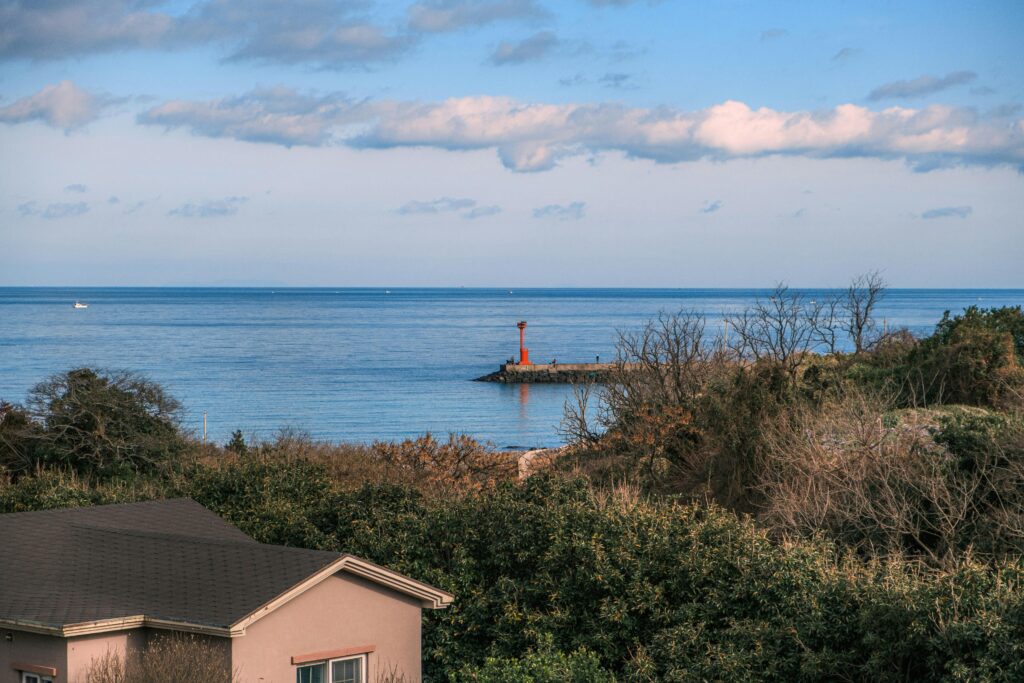
Jeju’s landscapes are its biggest draw. Hallasan Mountain, the island’s highest peak, offers unparalleled hiking opportunities, while Seongsan Ilchulbong, also known as Sunrise Peak, provides one of the most breathtaking views in the country at dawn. The island’s volcanic history is evident in places like Manjanggul Lava Tube and the iconic Udo Island, where you can rent scooters and explore at your own pace.
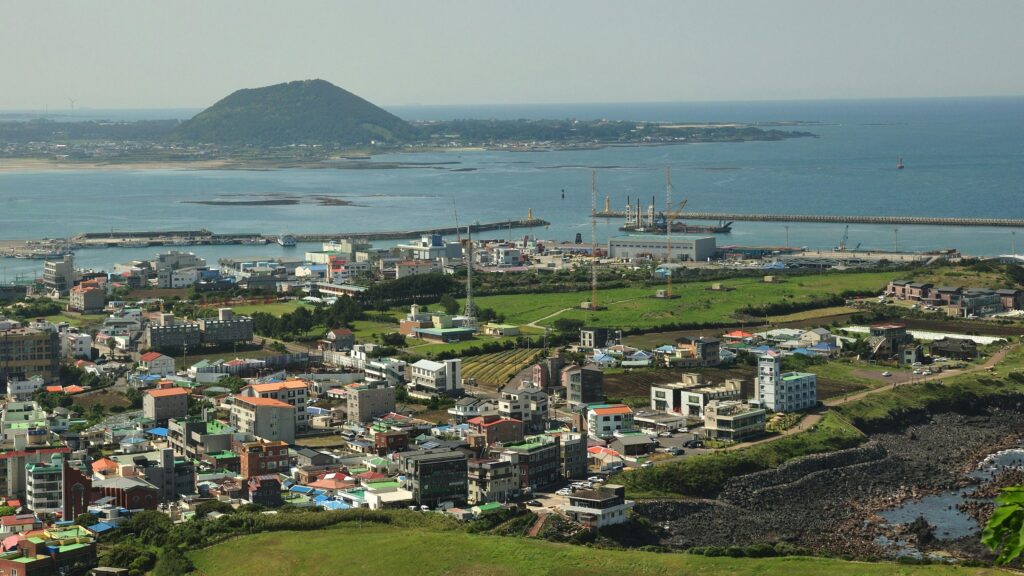
Jeju’s natural beauty is complemented by its unique cultural experiences, such as the Haenyeo, the fearless female divers who have preserved the island’s ancient tradition of harvesting seafood without modern equipment. Their skill and resilience offer a glimpse into a way of life that has sustained Jeju’s coastal communities for centuries. And with its world-class food scene, Jeju is also a paradise for food lovers, especially if you’re a fan of black pork and fresh seafood.

Where Korea Feels More Human
While Seoul pulses with South Korea’s modern energy, it’s Busan, Gyeongju, and Jeju that offer a more intimate, human experience. Each city presents its own rhythm: Busan blends coastal charm with urban vibrancy, ideal for those seeking a connection to both the sea and city life. Gyeongju, steeped in history, invites reflection with its tranquil atmosphere and deep ties to Korea’s past. Jeju, with its stunning landscapes and slower pace, offers a peaceful retreat, perfect for reconnecting with nature.
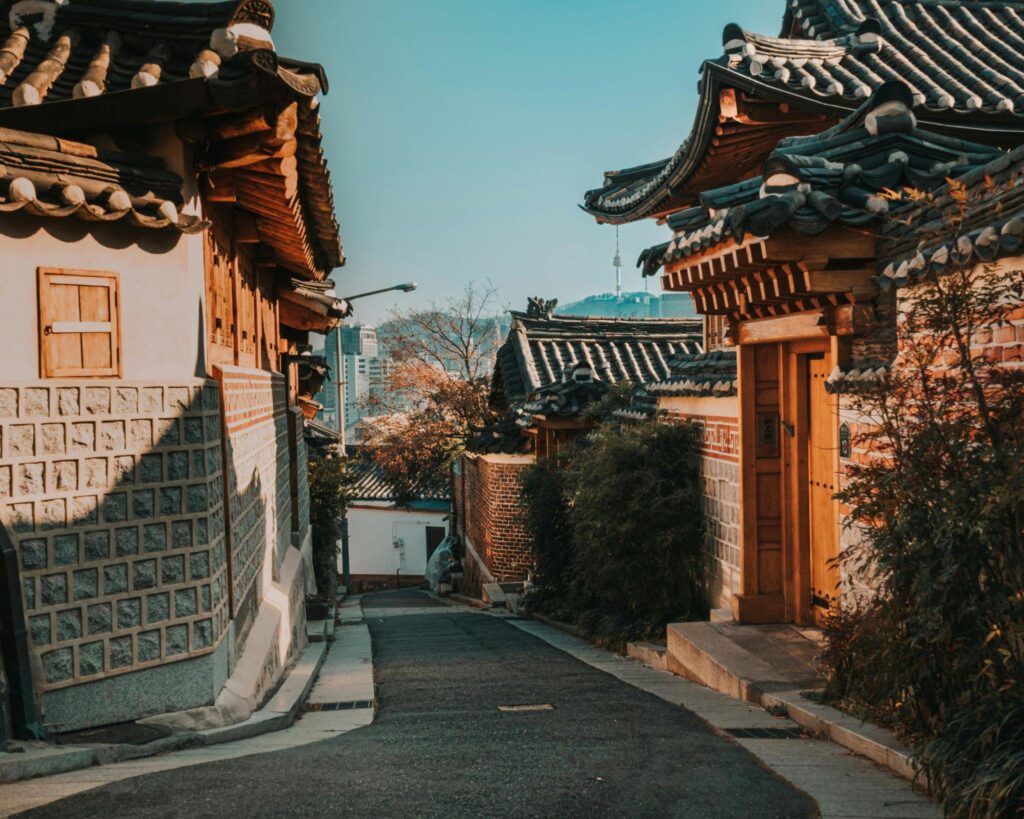
Choosing between these destinations depends on your desired pace and connection to Korean culture. Busan offers a dynamic mix of sea and city, Gyeongju allows you to step back in time, and Jeju provides a sanctuary where time slows down.

Regardless of where you go, stepping beyond Seoul reveals the true essence of South Korea, places that encourage personal connection, quiet reflection, and a deeper understanding of the land and its people.
Related Articles
South Korea’s Unique Blend: Tradition and Modernity in Perfect Balance
The Ideal Duration for Your South Korea Trip: How to Avoid Feeling Rushed
