

Singapore may be a small city-state, but it boasts a rich history and culture that rivals its modern skyline. While known for its towering skyscrapers, the city’s deep-rooted heritage offers a glimpse into a past that continues to shape its vibrant present. However, to truly understand Singapore, you must venture beyond the bustling streets and explore the cultural experiences that make this city so unique. From its neighborhoods steeped in history to the simple yet profound customs of its people, Singapore offers a fascinating journey into the heart of its diverse heritage.
Wandering Through Cultural Neighborhoods
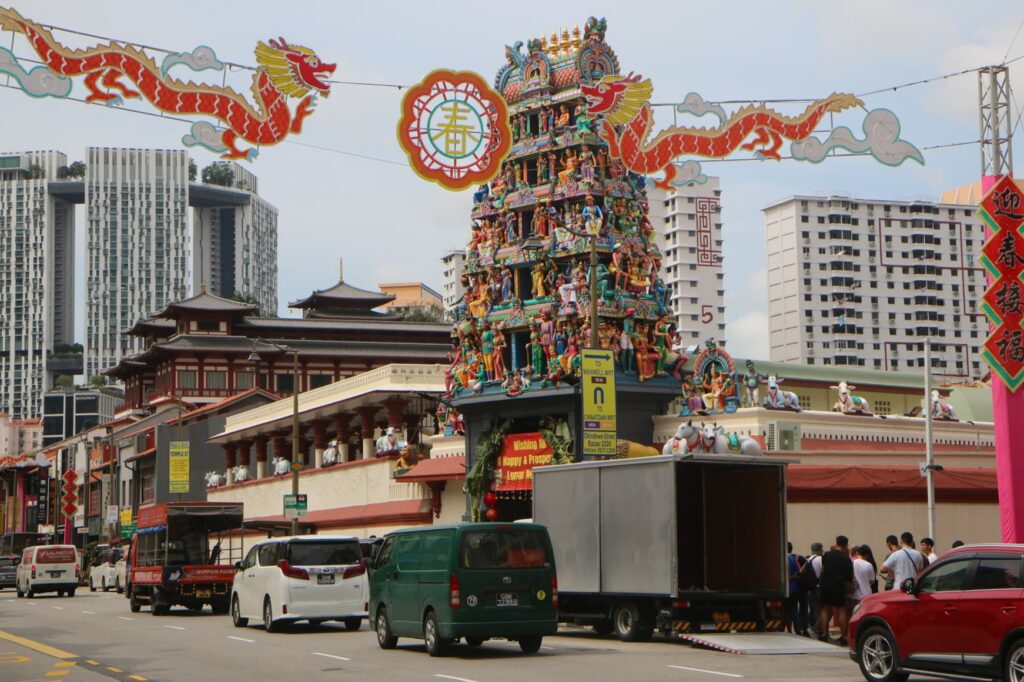
Singapore’s neighborhoods are living testaments to the city’s multicultural identity. Take Kampong Glam, for example. This district is a vibrant mix of history and modernity, where you can see the Sultan Mosque, a stunning symbol of the city’s Malay heritage, nestled among hip cafes and boutique stores. Kampong Glam has long been the center of Singapore’s Malay community, but over time, it has welcomed a diversity of cultures, making it a microcosm of the city’s evolving identity.
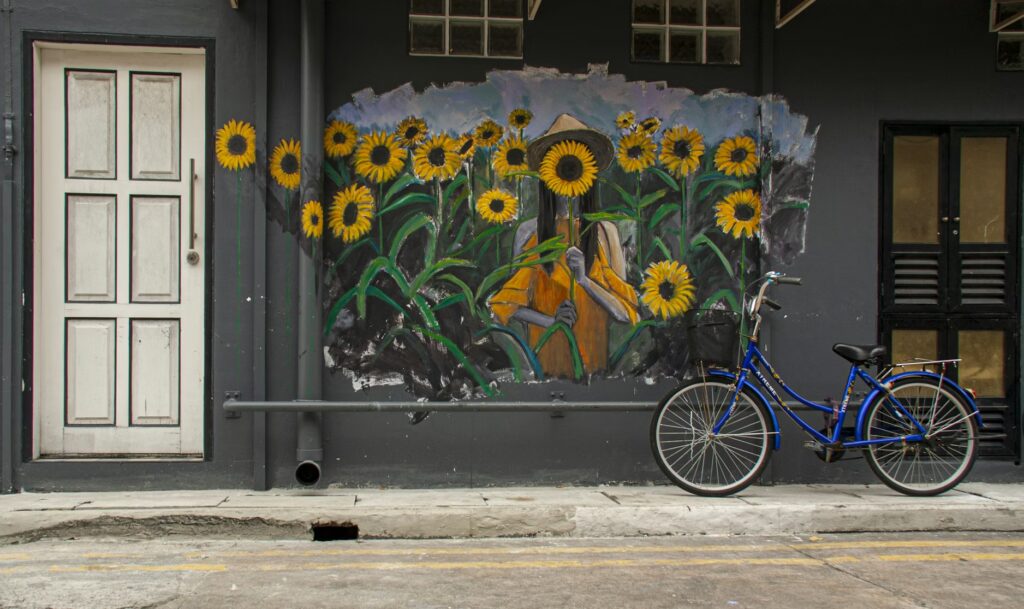
Not far from Kampong Glam, Little India offers another layer of Singapore’s rich cultural landscape. This neighborhood, with its colorful streets and fragrant markets, brings the sights, sounds, and flavors of India to life. It’s a place where the traditions of Hinduism, Indian culture, and the Indian diaspora continue to thrive in a rapidly modernizing city. From the elaborate temples to the vibrant festivals, Little India is an immersive experience for anyone looking to understand the heart of Singapore’s Indian community.

Food as a Cultural Reflection
Food in Singapore is more than just a way to satisfy hunger; it embodies the city’s rich blend of cultures. Singapore’s hawker centers are where the city’s culinary history comes alive. These food courts are filled with stalls serving dishes that span generations and cultures, from Hainanese chicken rice to laksa, and satay to char kway teow. Every dish tells a story of migration, cultural exchange, and the blending of flavors over time.
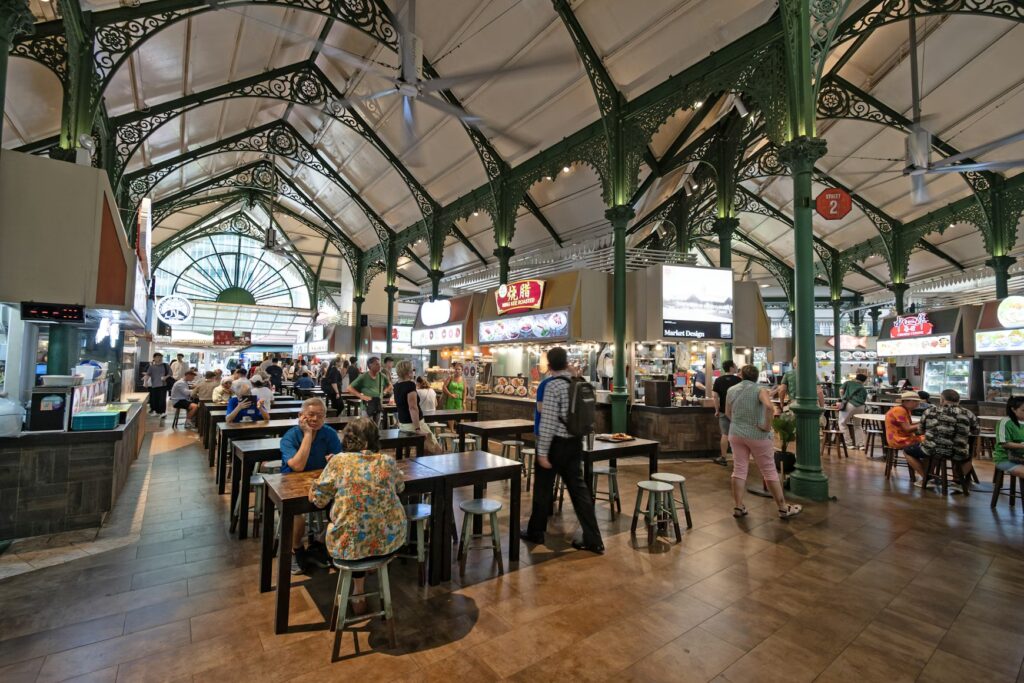
One of the most compelling aspects of Singapore’s food culture is how deeply it is rooted in daily life. Eating at a hawker center is a communal experience, where people from all walks of life come together to share a meal. When food is shared this way, it brings people closer together. It fosters a sense of community, where every moment reflects the diversity that makes Singapore unique.
Living Traditions: Connecting with the Past
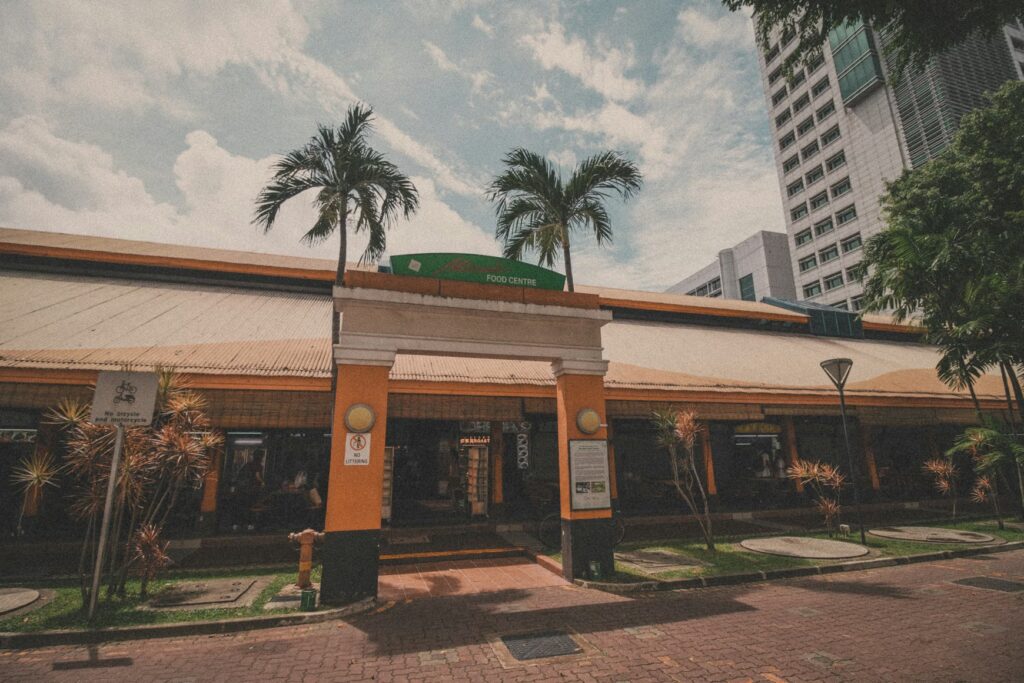
Singapore’s traditions are woven into the fabric of everyday life, not just found in museums or books. One such example is the practice of “chope-ing”, which is reserving a seat at a crowded hawker center with a tissue packet. This seemingly small custom reflects the community-oriented, pragmatic mindset of its people, and it’s just one of the many ways locals navigate the hustle and bustle of their daily lives.
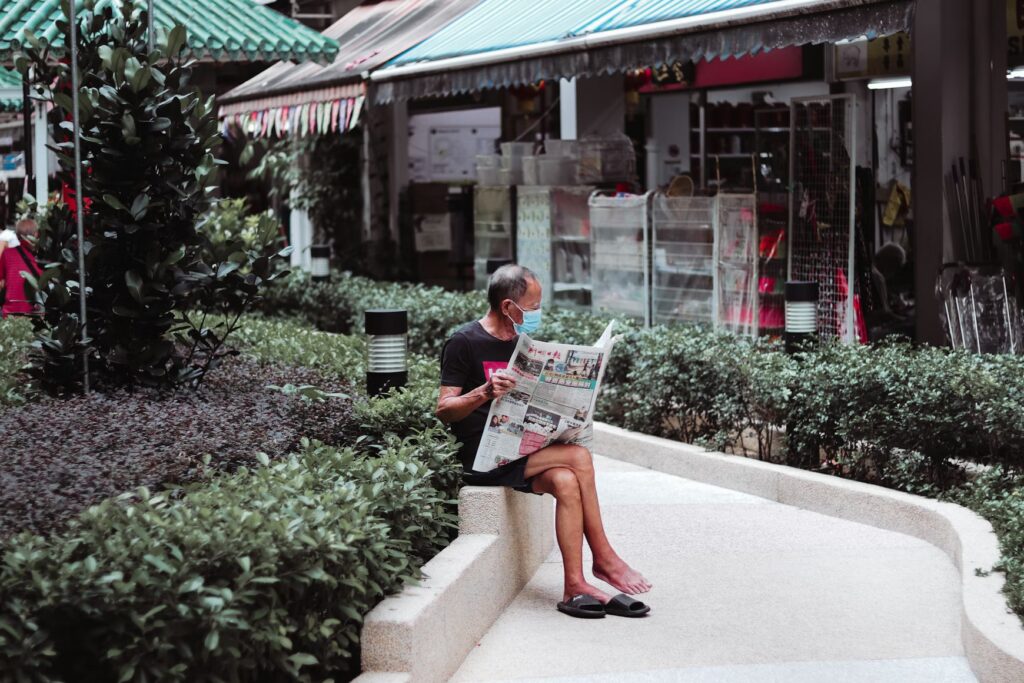
In Singapore, it’s common to address older individuals as ‘uncle’ and ‘auntie’, regardless of whether they are family. This tradition reflects the deep respect that locals have for their elders and underscores the importance of family and community in everyday life. You’ll see this practice not only in the streets but also in the warmth of the conversations at hawker centers, where people greet each other as if they’ve known each other for years.
Festivals: A Celebration of Heritage

Festivals are another vital way Singapore celebrates its cultural heritage. Chinese New Year, Deepavali, and Hari Raya Puasa are just a few of the celebrations that bring the streets of Singapore to life. During Chinese New Year, for instance, the city is filled with lion dances, the sound of firecrackers, and the vibrant red decorations that symbolize good fortune. These celebrations allow both locals to honor their traditions and visitors to immerse themselves in the vibrant cultural landscape of Singapore.


During Deepavali, visitors are invited to join in the decorating of homes with vibrant rangolis (traditional colorful patterns made from rice flour) and to light their own oil lamps, a symbol of the triumph of light over darkness. The streets of Little India are transformed into a sea of color, and visitors can also participate in the street processions and cultural performances that fill the neighborhood with music and dance.
Engage in Singapore’s Living Culture
To truly immerse yourself in Singapore’s culture, you must engage with the city’s traditions firsthand. A great way to do this is by participating in local activities. Consider joining a cooking class to learn how to prepare classic dishes like kaya toast or laksa. Alternatively, you could take part in a cultural walk through the city’s neighborhoods, where a guide will explain the history and significance of the places you visit. These experiences give you a deeper understanding of the customs and stories that have shaped Singapore’s identity.

Additionally, attending local performances, such as traditional dance or music festivals, is a great way to witness the living arts of Singapore. The city’s arts scene is thriving, with numerous festivals and performances happening throughout the year. Whether it’s a Chinese opera or a Malay wayang kulit (shadow puppetry performance), these events provide a glimpse into the cultural soul of Singapore.
A City of Cultural Harmony
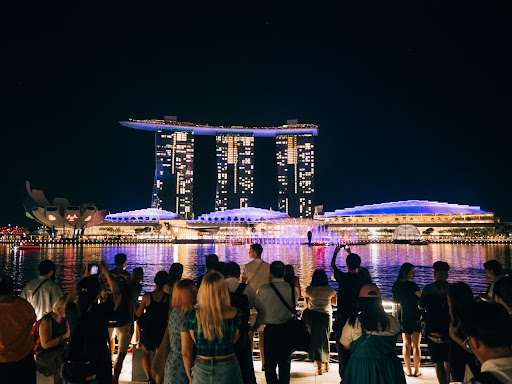
Singapore is a city where every corner holds a story, every meal is a celebration, and every tradition is a bridge between the past and the future. By embracing the living culture of this dynamic city, you will not only uncover its rich heritage but also become part of its evolving story.

Singapore invites you to experience its culture firsthand, with history, tradition, and modernity in constant dialogue, shaping a city that is both timeless and forward-thinking. For anyone eager to explore, Singapore is ready to welcome you with open arms, offering endless opportunities to discover the richness of its heritage.