
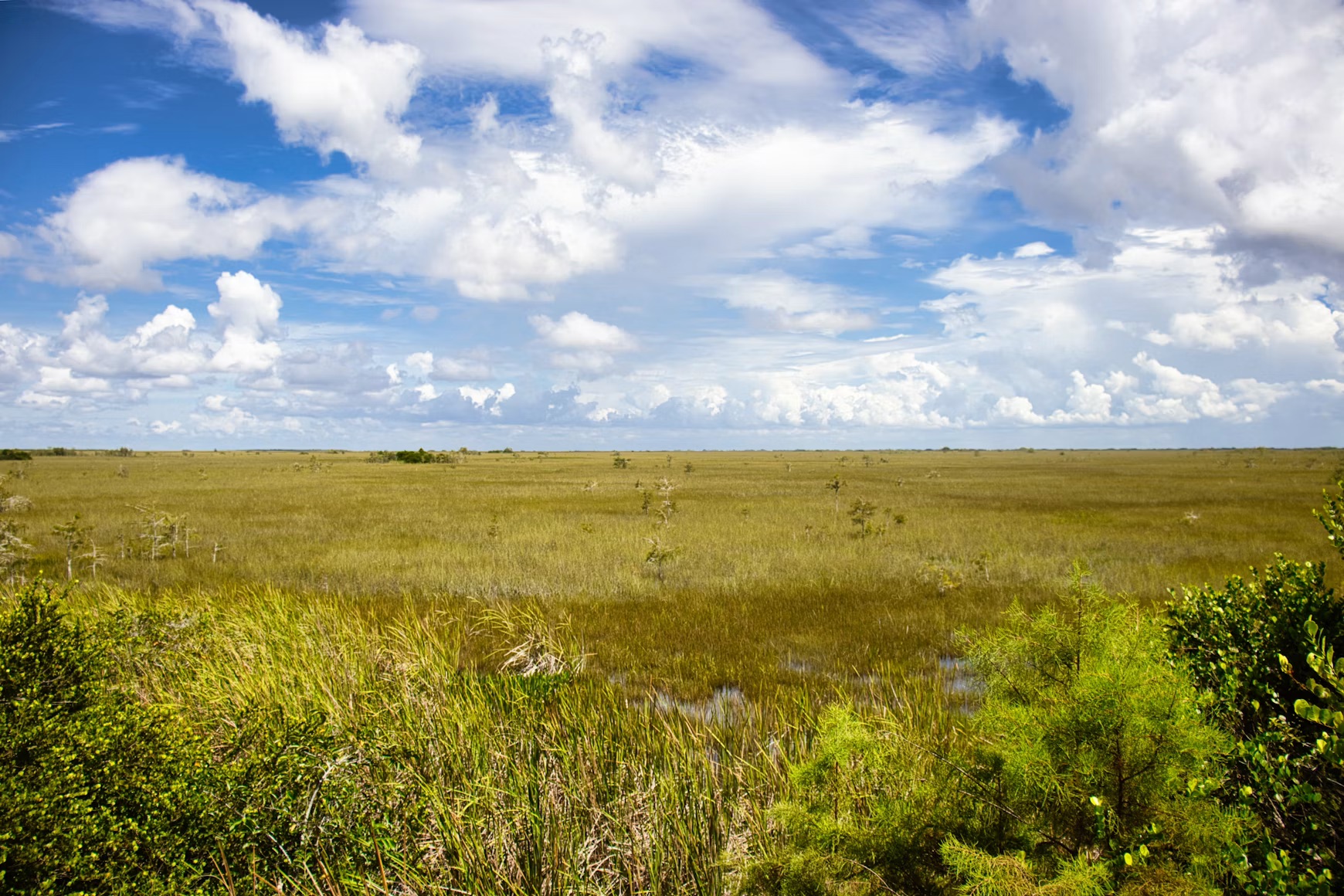
There is a common misconception about the national parks in Florida: the state has 11 sites run by the National Park Service, yet only 3 of them are true national parks. The other 8 are preserves, seashores, monuments, and memorials, no less worth visiting but not, by the official definition, parks. This 2026 guide walks through all 11, from ferry fares and free-entry days to the cannon-firing schedule at the old Spanish forts, so you can plan around what each place really is. And because a single summer storm can wash out a camping trip, it helps to check the statewide picture first in a companion guide to the best time to visit Florida.
The 2026 Florida National Parks Decision Matrix
Fees below are 2026 National Park Service rates at the time of writing and are subject to change; confirm on the official NPS site before you travel. Boat and ferry prices are set by private operators and vary.
Park | Type | Region | Best months | Entrance fee (2026) | Camping |
|---|---|---|---|---|---|
Everglades | True park | South | Dec–Apr | $35/vehicle (7 days) | Yes (tent and RV) |
Biscayne | True park | South | Year-round | Free | Yes (Boca Chita Key) |
Dry Tortugas | True park | Keys | Nov–Apr | $15/person plus ferry | Primitive |
Big Cypress | Preserve | South | Dec–Apr | Free | Yes (tent and RV) |
Canaveral | Seashore | Central | Nov–May | $20/vehicle | Yes (backcountry) |
Castillo de San Marcos | Monument | North | Year-round | $15/person | No |
Fort Matanzas | Monument | North | Year-round | Free | No |
Gulf Islands | Seashore | North | May–Sep | $25/vehicle | Yes (tent and RV) |
Timucuan | Preserve | North | Fall and spring | Free | No |
Fort Caroline | Memorial | North | Fall and spring | Free | No |
De Soto | Memorial | West | Dec–Apr | Free | No |
The 3 True National Parks in Florida
Only these 3 carry the full designation, and each is built around a completely different landscape: a river of grass, a submerged reef, and a fort marooned in open ocean.
1. Everglades National Park
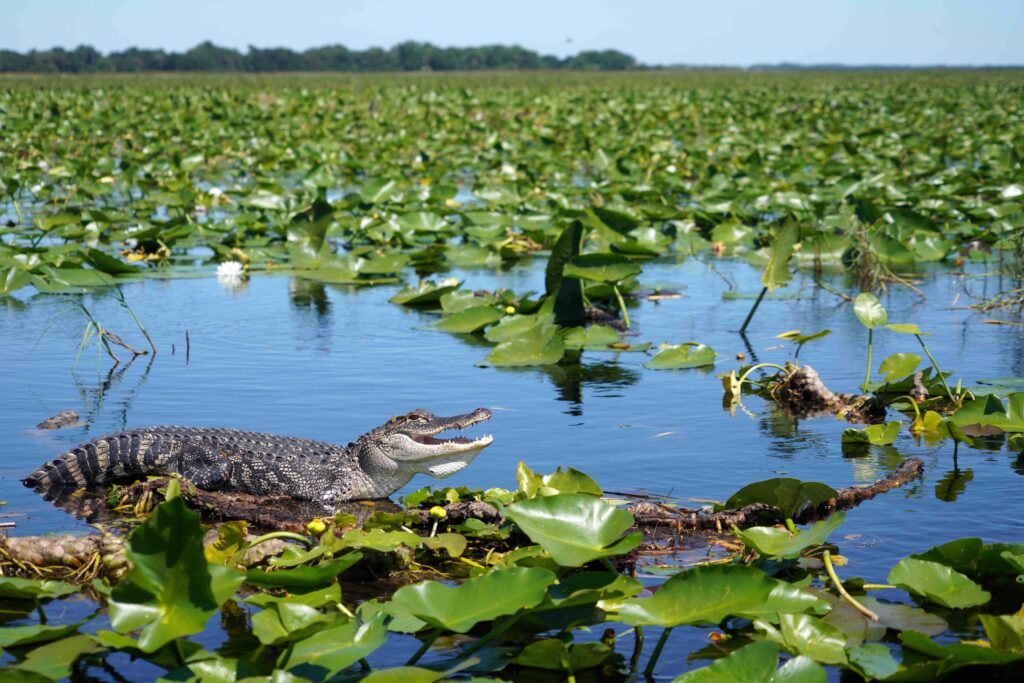
The first thing to understand about the Everglades is that it is really 3 parks wearing one name. The entrances near Homestead, at Shark Valley, and at Gulf Coast in Everglades City sit an hour or more apart, each opening onto a different face of the wetland, which is why trying to fold them into one afternoon is the classic first-timer mistake.
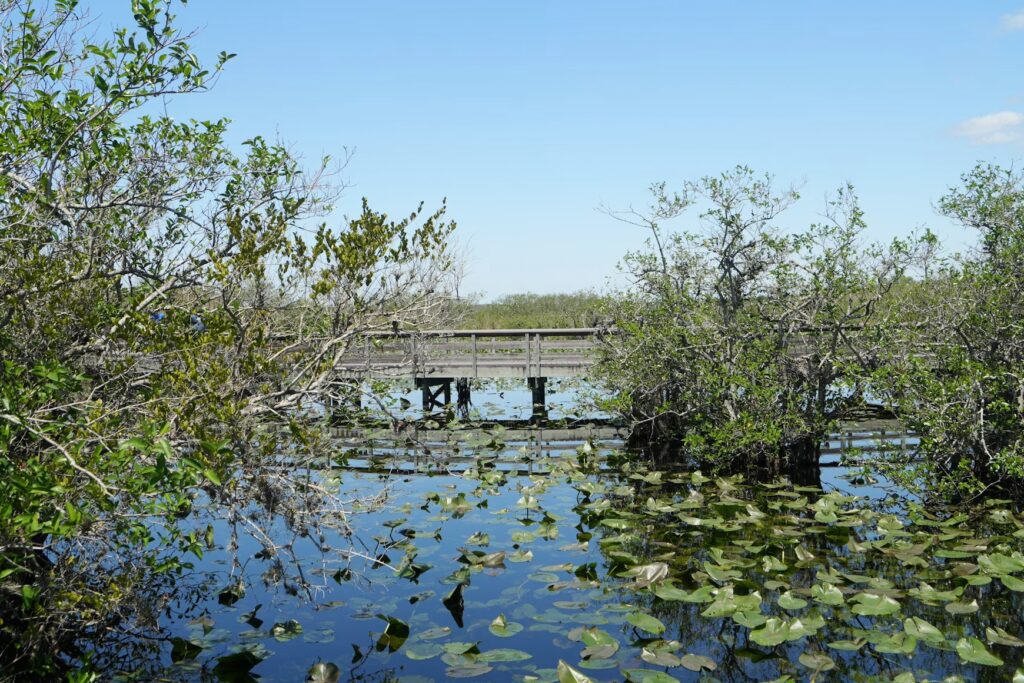
Give it a full day, or 2 if you want the boardwalks and an airboat both, and the effort pays off in a landscape found nowhere else: this is the only place on Earth where American alligators and American crocodiles share the same water, part of why it holds a rare triple listing as a UNESCO World Heritage Site, biosphere reserve, and globally important wetland. Timing counts as much as time here, so come in the dry season between December and April, when the mosquitoes retreat and animals crowd the shrinking gator holes. A vehicle is $35 for the week, and if you want to wake up inside the park you can tent at Long Pine Key or take an eco-tent at Flamingo.
2. Biscayne National Park
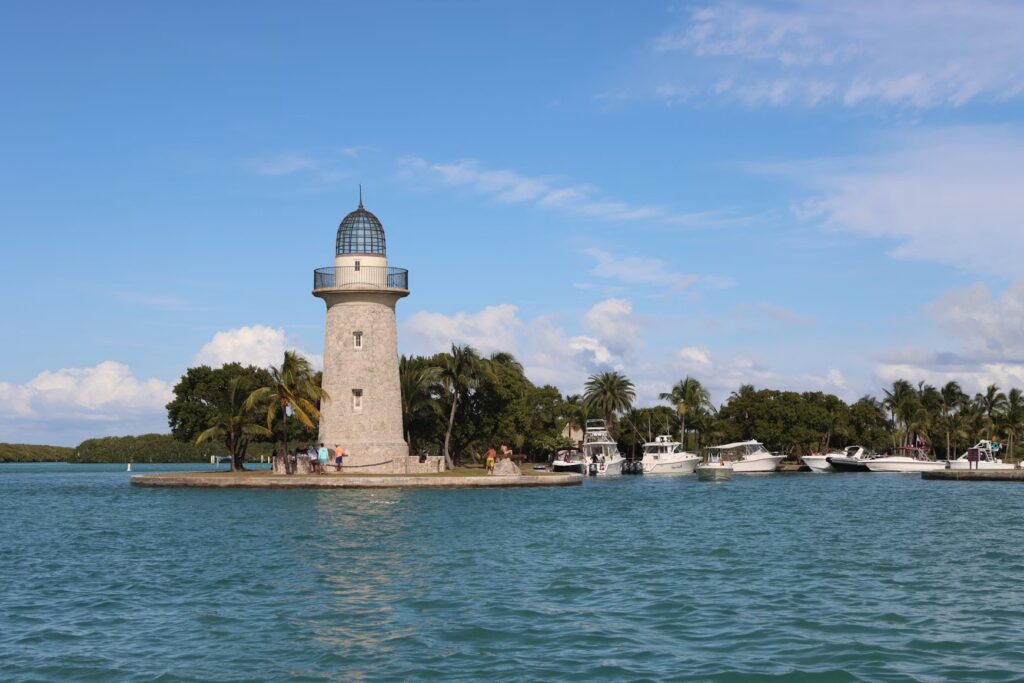
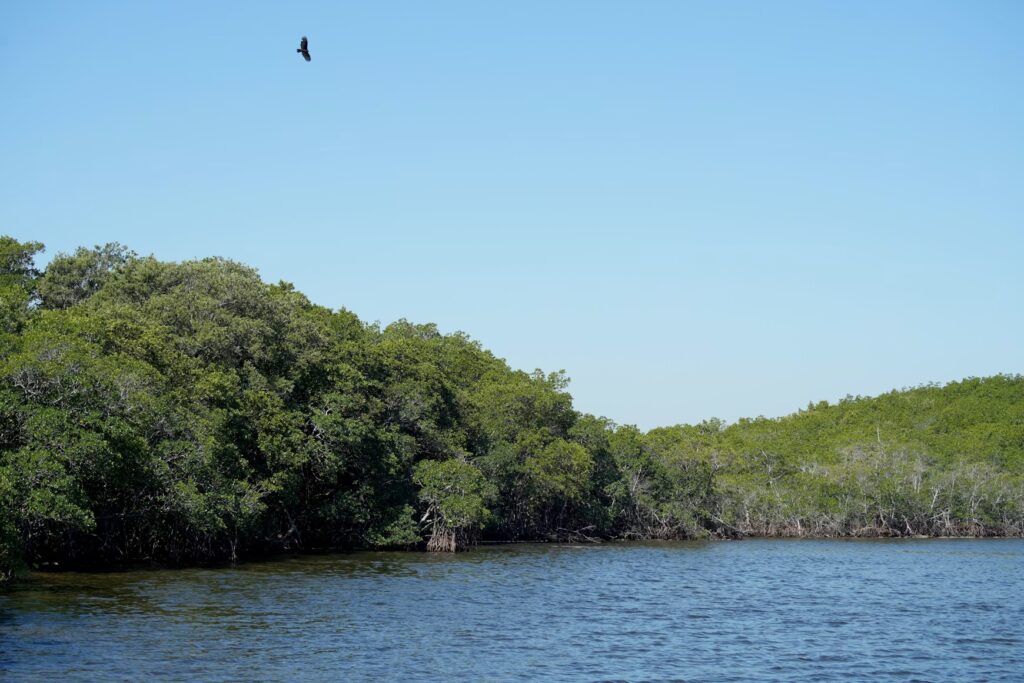
Biscayne asks you to rethink what a park visit even looks like, because roughly 95% of it is underwater and your time is spent on a boat rather than a trail. Budget a half day at least, since there is no drive-through and no self-guided route; the only way in is a trip with the Biscayne National Park Institute, usually $50 to $100 a person, out to the shipwrecks of its Maritime Heritage Trail or the coral of the only living barrier reef in the continental United States. If you have a full day and can snorkel, spend it, because the reef is the reason to come. On the way, it is worth a few minutes at Boca Chita Key, where a slim lighthouse built by a 1930s industrialist stands purely for looks and never held a working light. The park itself is free; what you pay for is the boat and the day.
3. Dry Tortugas National Park
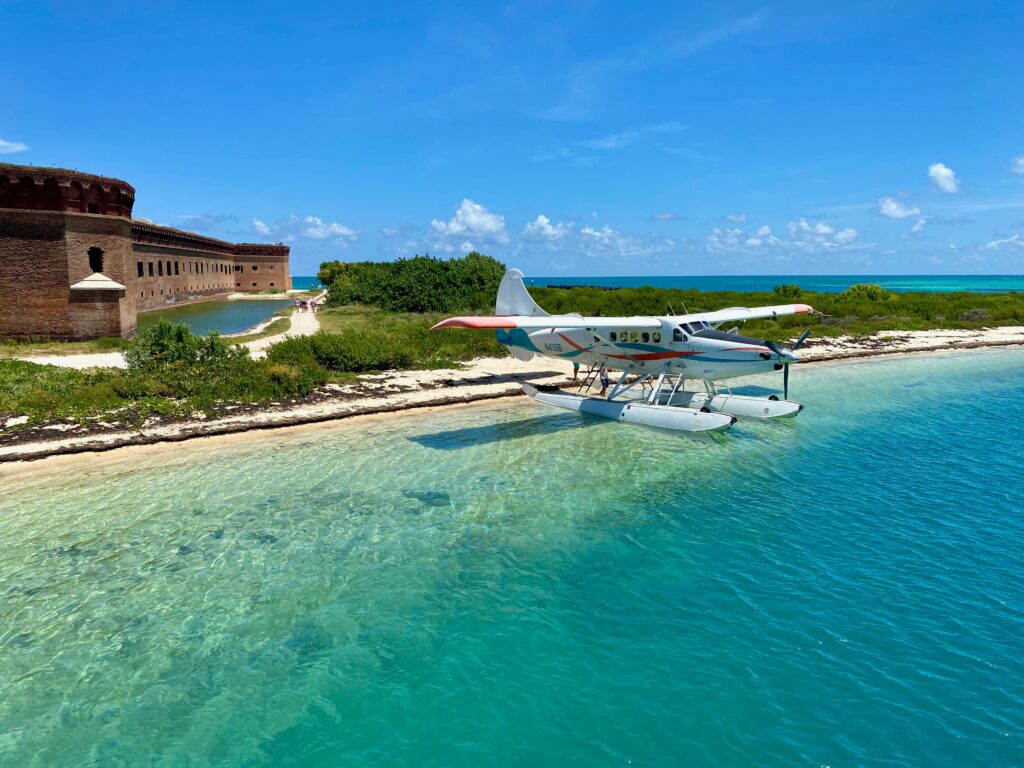
Dry Tortugas is a commitment, and that is the whole appeal. It lies nearly 70 miles west of Key West, so a visit runs as a full-day expedition: the Yankee Freedom ferry gives you roughly 4 hours on the island across a day that starts near sunrise, while a seaplane, at about $375, trades money for more time on the water. What waits out there is Fort Jefferson, the largest brick structure in the Americas at some 16 million bricks, which once held Dr. Samuel Mudd after he set John Wilkes Booth’s leg following the Lincoln assassination.
Since about 99% of the park is sea, the snorkeling off its walls is what most people remember. The park fee is only $15, but the ferry is closer to $200 round trip and books out 3 to 6 months ahead, so this is a trip to lock in early, and Bush Key closes for nesting birds from late winter into fall. Because the boat leaves at first light, plan a night in Key West beforehand, which a Key West timing guide can help you line up with the calmest seas.
The 8 Hidden Gems: Preserves, Seashores, Forts, and Memorials
When the headline parks fill up, these 8 quieter sites carry Florida’s nature and history with far more room to breathe, and most of them are free to enter.
4. Big Cypress National Preserve
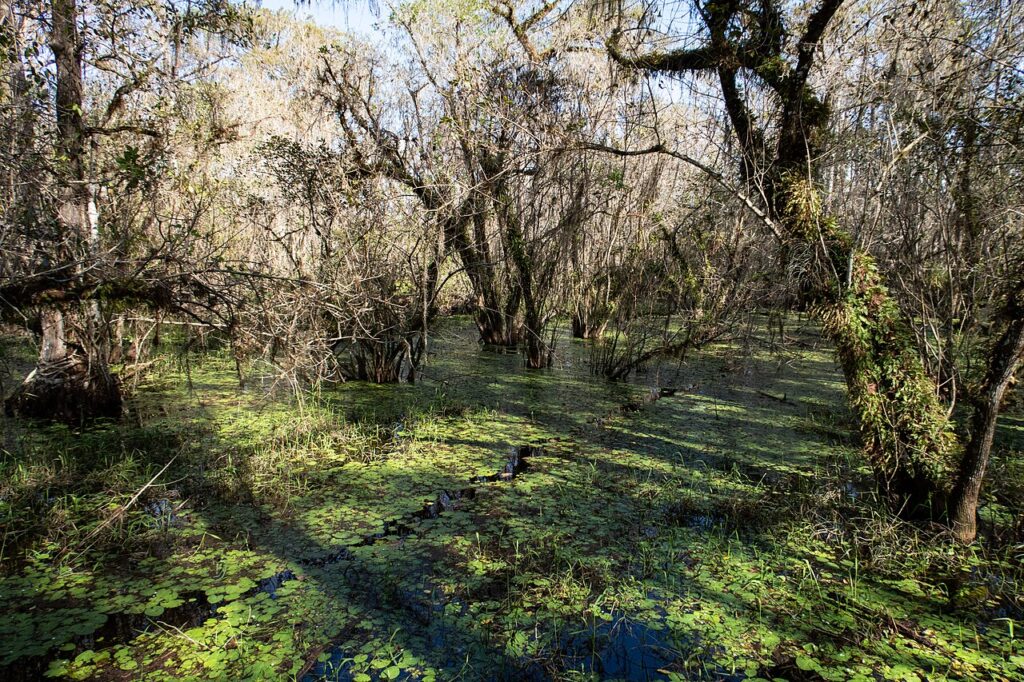
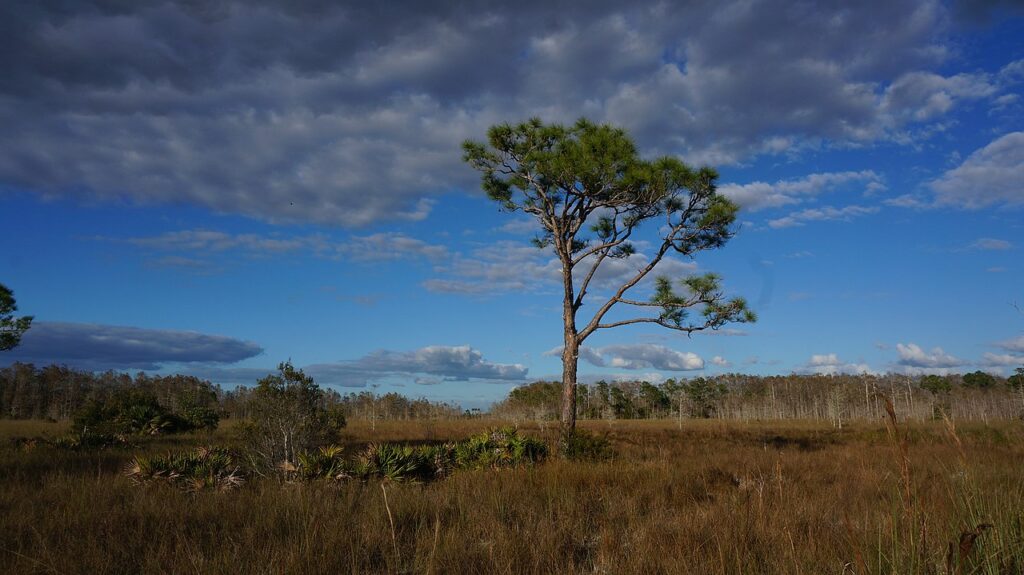
Big Cypress is the easiest add-on in South Florida, sharing a border with the Everglades along the Tamiami Trail, though as the first national preserve the country ever established, in 1974, it stands on its own too. Most visitors give it a half day, built around a slow drive down the unpaved Loop Road in the dry months of December through May, when alligators haul out to bask an arm’s length from the car. The smarter move is to stay past sunset, because Big Cypress is a certified International Dark Sky Park, and a night at the Midway or Monument Lake campgrounds puts you under one of the darkest skies in the state. Best of all for a tight budget, it costs nothing to enter, which makes it the free answer to its famous neighbor next door.
5. Canaveral National Seashore
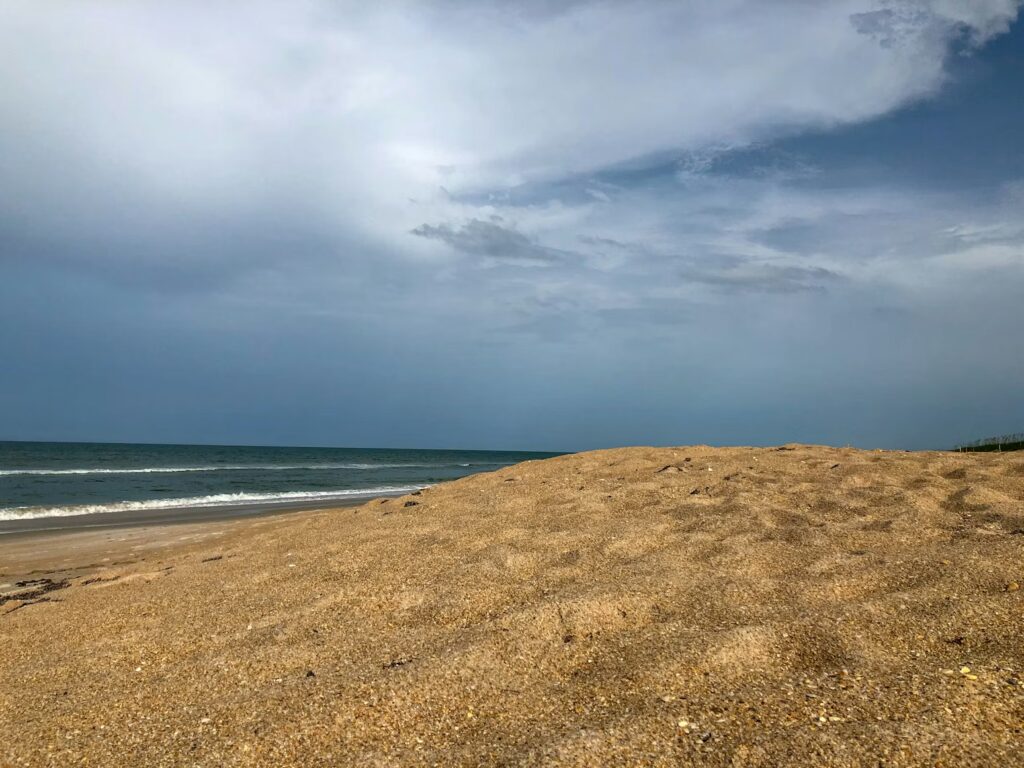
Canaveral works best as an unhurried beach half day, 24 miles of dune and open shore at Playalinda with not a hotel or snack bar to interrupt the view. What sets it apart is what shares the coastline: it is one of the country’s most important sea-turtle nesting grounds, and it backs onto the Kennedy Space Center, so the $20 parking fee occasionally comes with a rocket launch overhead. If a half day is not enough, you can paddle out to primitive campsites on the back-country islands and stay. Time it for a summer night and the neighboring Mosquito Lagoon does something stranger still, its water flaring neon blue with every stroke, which a guide to the best places to see bioluminescence in the US explains in full.
6. Castillo de San Marcos National Monument
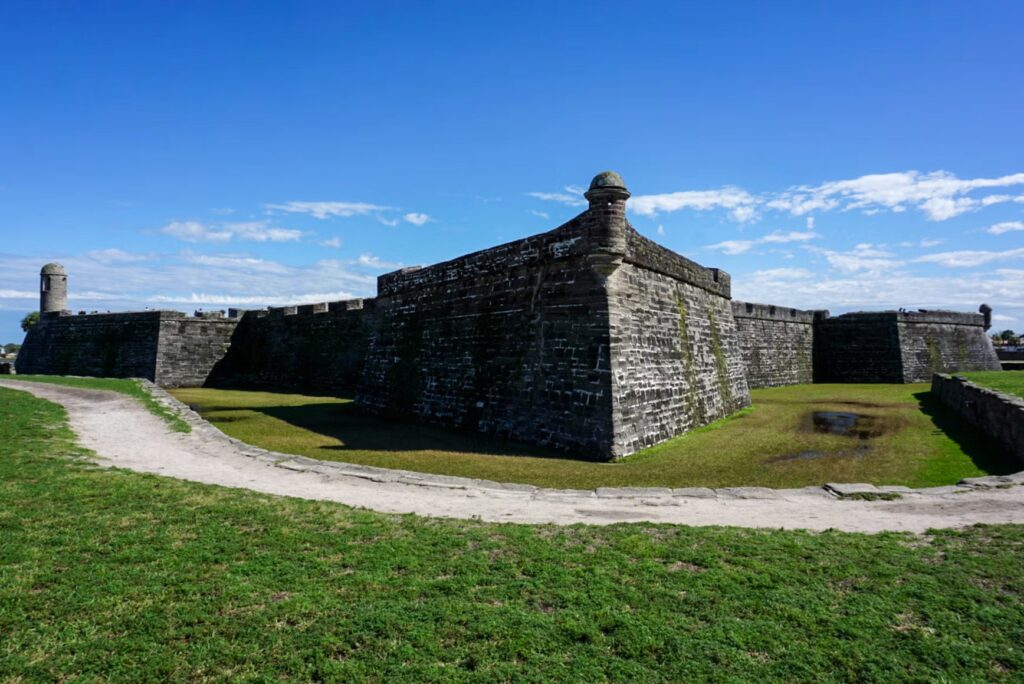
The Castillo de San Marcos is a 1-to-2-hour stop rather than a day of its own, and it is best folded into a walk through the old streets of St. Augustine around it. Give it that hour and the payoff is a fort more than 300 years old, the oldest masonry fort still standing in the continental United States, built from coquina, a soft shell rock that absorbed cannonballs instead of shattering, which is much of why it was never taken in battle. Try to come on a weekend, when rangers in 18th-century uniform load and fire the cannons, all for the $15 admission. There is nowhere to camp, so the city itself is your base, and its Spanish-era streets deserve a fuller look through a guide to Florida’s landmarks.
7. Fort Matanzas National Monument
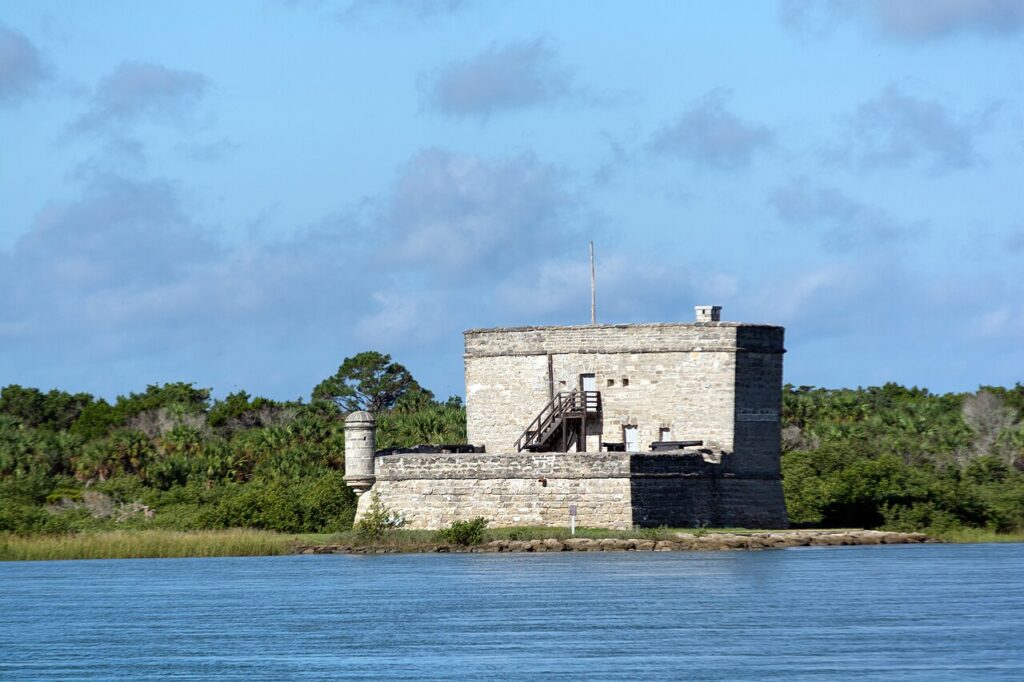
Fort Matanzas, about 15 miles south, is a quick 1-to-2-hour visit, but the whole thing hinges on a free ferry to the island tower, so arrive early. The no-cost seats are often gone by late morning, and the dock is easily knocked out by storms, which makes a glance at the NPS site before you drive out worth the trouble. The tower is small, and it is the name that carries the weight: matanzas is the Spanish word for slaughters, after Spanish forces killed shipwrecked French Huguenots on this inlet in 1565. It is a place to stand a while, take in the history, and move on, since no one stays the night.
8. Gulf Islands National Seashore
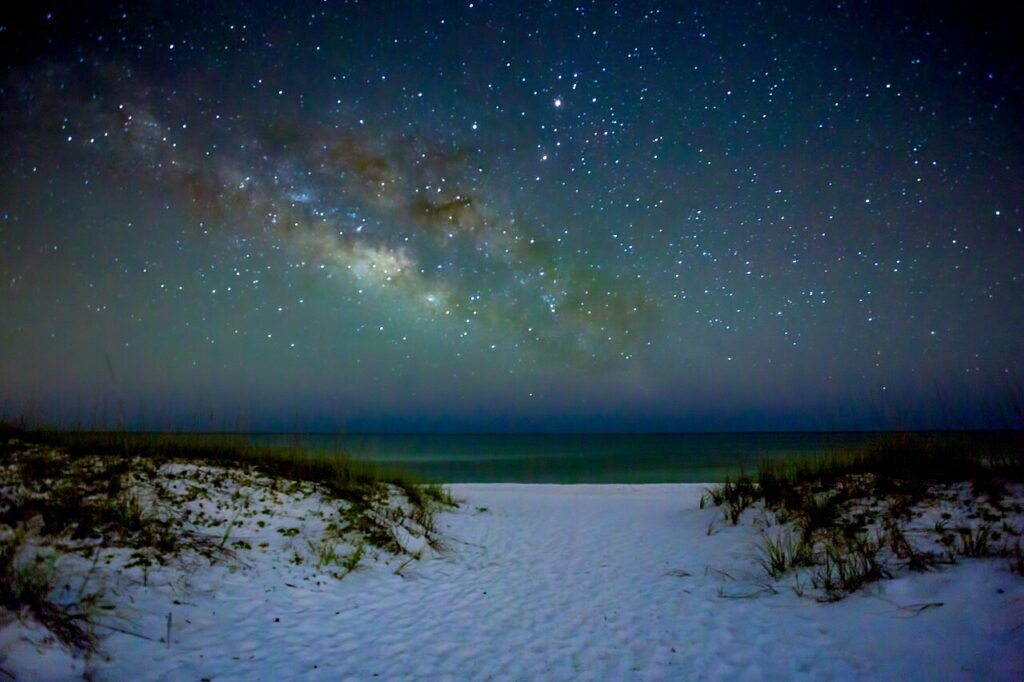
Unlike the quick fort stops up the coast, Gulf Islands near Pensacola earns a full beach day, or an overnight if you can manage it. The draw is the sand, quartz so fine and white it squeaks underfoot, and shallows that glow an improbable emerald. History anchors one end at Fort Pickens, which held the Apache leader Geronimo prisoner in the late 1880s, but the real prize is the campground behind it, among the finest in Florida, shaded and wired for RVs. Swimming is best from May through September, and a vehicle costs $25 to enter.
9. Timucuan Ecological and Historic Preserve
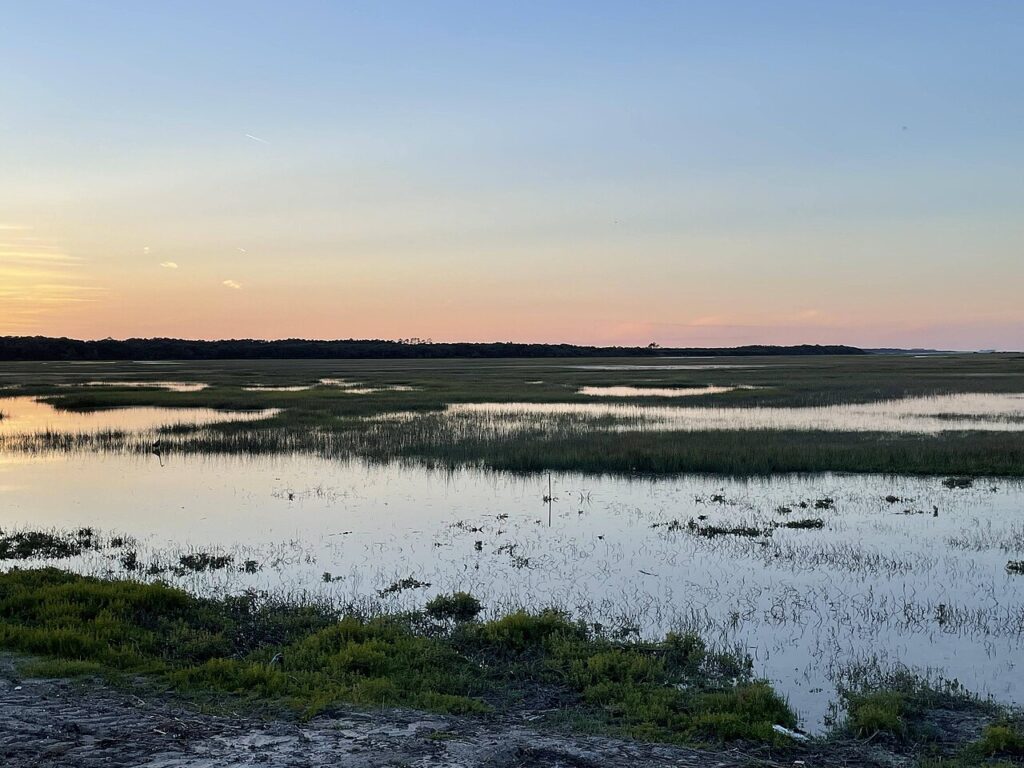
Timucuan, on the edge of Jacksonville, is a half day best spent from the seat of a kayak, threading the salt marshes that make up most of the preserve. Paddle to its edge and you reach the Kingsley Plantation, the oldest surviving plantation house in Florida, where the history turns heavy, telling the story of slavery and of Anna Kingsley, a woman once enslaved who later owned land here herself. The preserve keeps no campground of its own, but Little Talbot Island State Park next door fills the gap with some of the loveliest sites in the region, and entry to the preserve is free.
10. Fort Caroline National Memorial
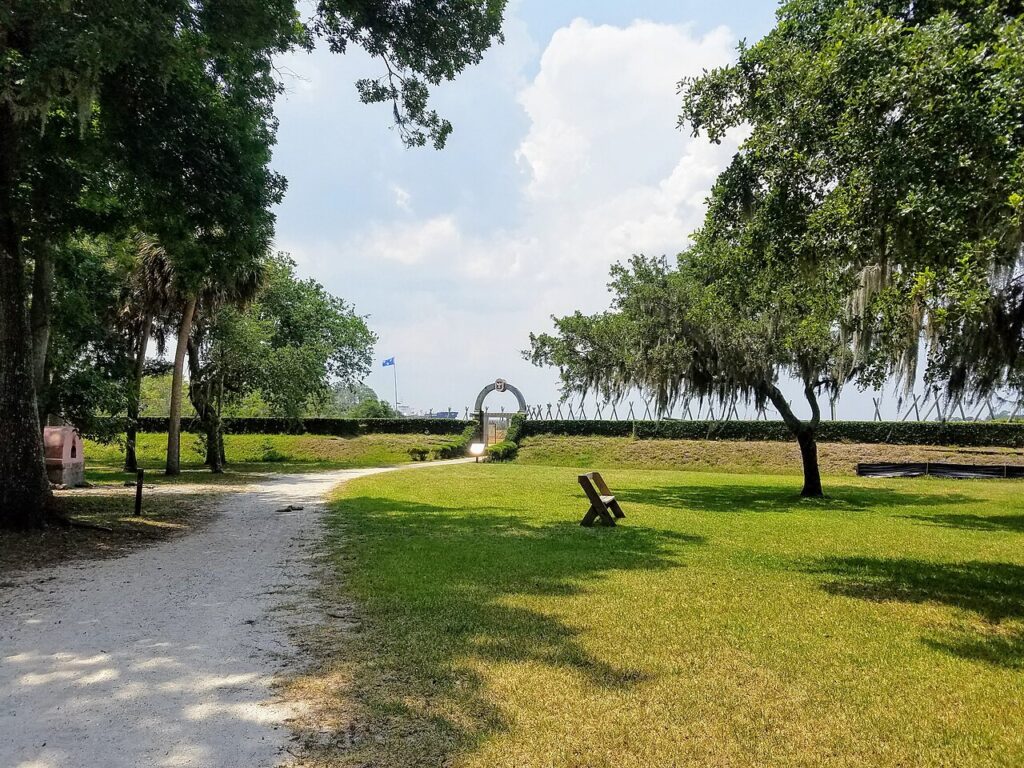
Fort Caroline belongs to the same outing, sitting inside the Timucuan preserve and asking only about an hour of your time. Its reconstructed walls and oak-shaded paths mark the brief French Huguenot colony of 1564, one of Europe’s earliest and shakiest footholds in what would become the United States, so pairing it with the plantation makes a natural half day of early Florida history. Like its neighbor, it charges nothing at the gate.
11. De Soto National Memorial
Fredlyfish4, used under Creative Commons Attribution-Share Alike 4.0 International license, via Wikimedia Commons. Link to image.
Fredlyfish4, used under Creative Commons Attribution-Share Alike 4.0 International license, via Wikimedia Commons. Link to image.
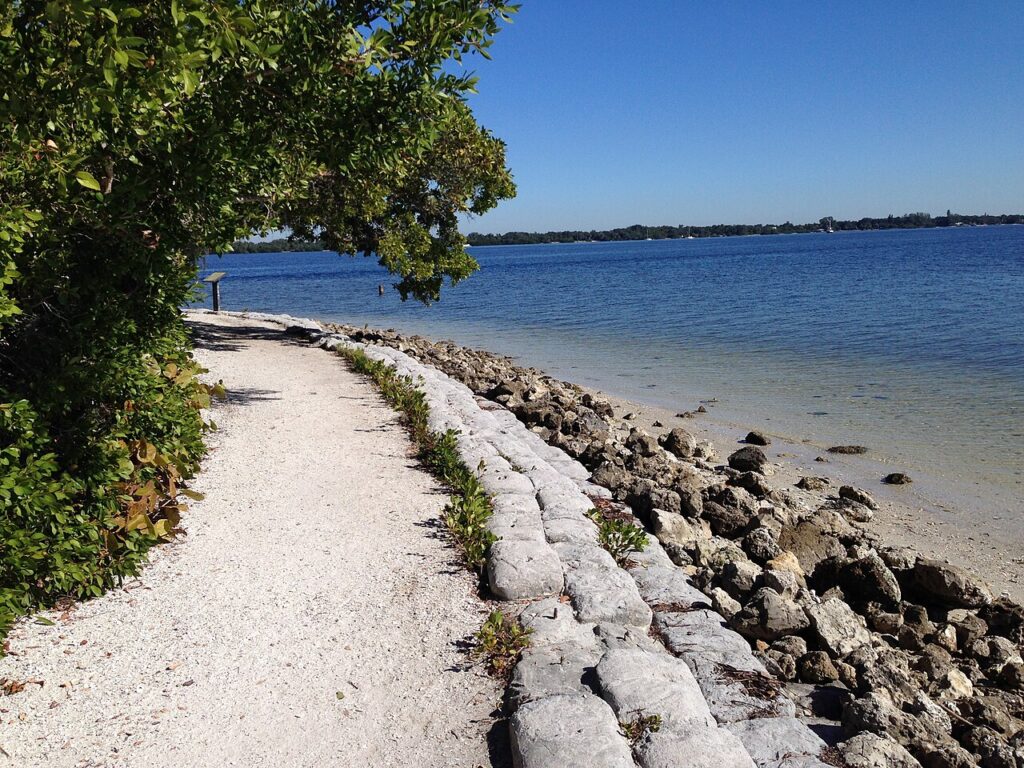
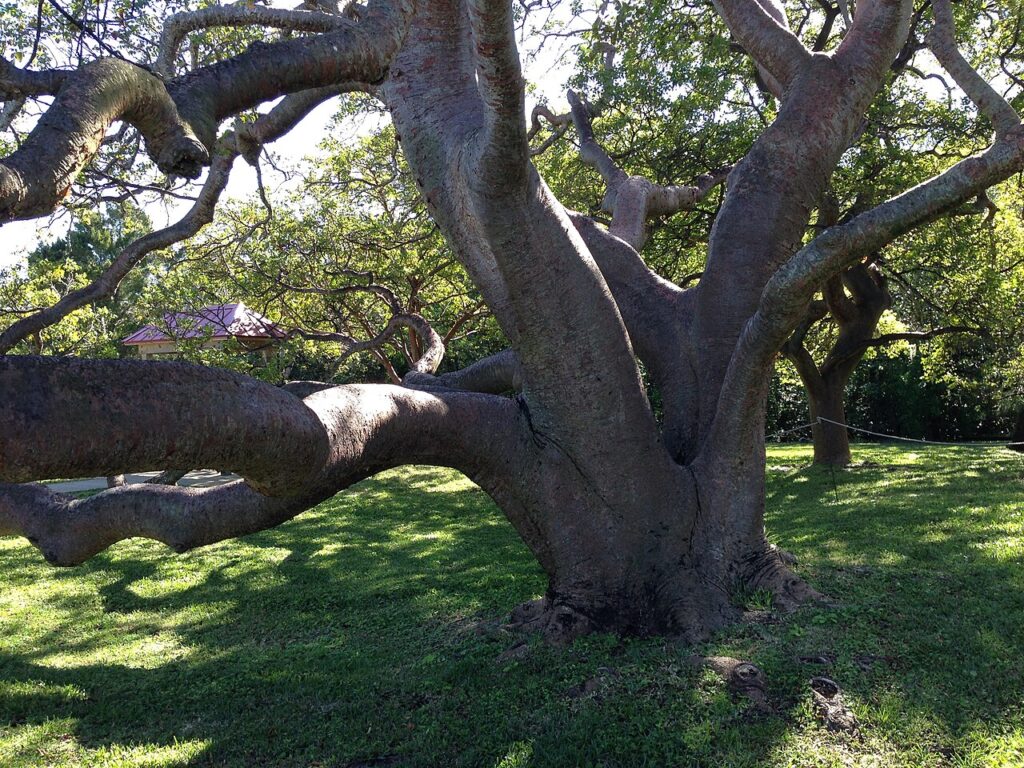
De Soto, near Bradenton on the Gulf, is a 1-to-2-hour stop that rewards the right timing. Between December and mid-April the park stands up Camp Uzita, a living-history camp where staff in period dress work through the tools and survival skills of Europeans and Native Americans alike, all in memory of the 1539 landing of the Spanish explorer Hernando de Soto; outside that window it is a quiet set of short waterfront trails. There is no campground on site, though private ones line the shore toward Anna Maria Island, and entry is free.
Passes, Fees, and Free Entrance Days for 2026
Getting the paperwork right saves real money across the Florida national parks. The America the Beautiful pass, at $80, covers a full year of entry for one vehicle of up to 4 adults at every federal park nationwide, which pays for itself quickly if you plan to combine Everglades at $35, Canaveral at $20, and Gulf Islands at $25.
The Park Service also sets a handful of fee-free days each year. In 2026 they typically land on Martin Luther King Jr. Day in January, the first day of National Park Week in April, Juneteenth in June, the Great American Outdoors Act anniversary in August, National Public Lands Day in September, and Veterans Day in November, though it is worth confirming the exact dates on the NPS site. Families with a 4th grader can download a free Every Kid Outdoors pass good for the school year, and active-duty military and veterans qualify for free passes of their own.
One planning warning matters more than any of this: campgrounds at Everglades and Gulf Islands open reservations on a 6-month rolling window through Recreation.gov, and winter fills fast under snowbird demand, so book the moment the window opens if you want an RV spot.
Frequently Asked Questions
What is the most visited national park in Florida?
Everglades, which draws roughly 1 million visitors a year thanks to its size, easy access, and wild alligator viewing.
How many days do you need to see Florida’s parks?
To cover the 3 true parks in the south, Everglades, Biscayne, and Dry Tortugas, plan a road trip of at least 4 to 5 days out of Miami.
Can you drive your car to Dry Tortugas National Park?
No. It is a remote island reachable only by the Yankee Freedom ferry or a seaplane, both leaving from Key West.
Are dogs allowed in these parks?
Rarely on the trails. Most, including Everglades and Biscayne, keep dogs off ecological paths because of alligators and wildlife, restricting them to parking areas and paved campgrounds.
Which of the parks are free?
5 charge no entrance fee: Biscayne, Big Cypress, Timucuan, Fort Matanzas, and De Soto.
Conclusion
These 11 sites make the case that the Sunshine State is far more than beaches and theme parks. From facing an alligator in the Everglades to snorkeling the clear water off Dry Tortugas to walking through a fort that has stood for more than 300 years in St. Augustine, Florida’s wild and historic side rewards the effort it takes to reach it. Use the 2026 matrix and the pass tips above to lock in fees and campsites early, and if you want to recover in comfort after a few muddy days, a guide to the best all-inclusive resorts in Florida is there for the soft landing.