
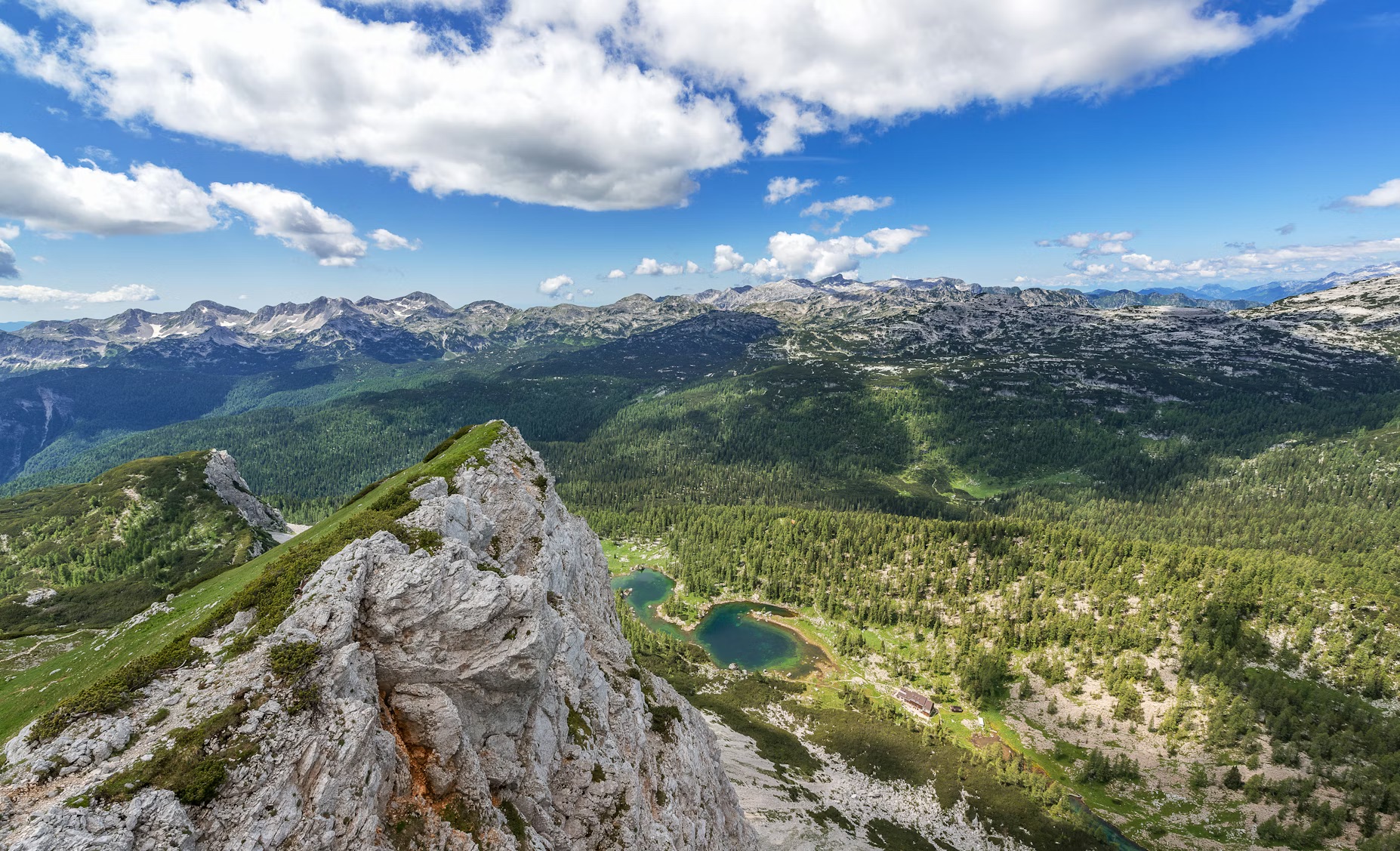
August is notorious for sweltering heat and overcrowded tourist hotspots, but it doesn’t have to be that way. From remote islands to cool northern coasts and alpine lakes, there are smarter alternatives where you can enjoy the final weeks of summer with more space, milder temperatures, or both. This guide highlights 10 of the best places to travel in August, with practical details on weather, crowds, flights, and daily budgets. Whether your goal is immersive culture, quiet beaches, or wildlife adventures, these 10 escapes offer a memorable end to the summer season.
Quick-Reference Climate & Budget Table
| Destination | Why Go in August | Avg. August Temp | Daily Cost (per person) | Crowds |
|---|---|---|---|---|
| Asturias, Spain | Cool, green northern coast | 59–73°F (15–23°C) | $120–$180 | Busy with Spanish holidaymakers |
| Sumba Island, Indonesia | Dry season, remote beaches | 75–88°F (24–31°C) | $90–$150 | Quiet |
| Newfoundland, Canada | Whales, puffins, sea cliffs | 55–70°F (13–21°C) | $130–$200 | Peak season, but spread out |
| Tohoku, Japan | Summer festival season | 68–81°F (20–27°C) | $120–$200+ | Very busy during festivals |
| Tallinn & Lahemaa NP, Estonia | Cool summer, medieval charm | 55–70°F (13–21°C) | $100–$150 | Busy at midday (cruise ships) |
| Arequipa, Peru | Dry season, sunny days | 45–72°F (7–22°C) | $80–$130 | Moderate |
| South Luangwa NP, Zambia | Dry-season walking safaris | 54–82°F (12–28°C) | $250–$400+ | Low (small camps) |
| Azores, Portugal | Warmest sea, whale watching | 68–77°F (20–25°C) | $100–$160 | Peak season |
| Kangaroo Island, Australia | Winter wildlife | 46–61°F (8–16°C) | $120–$200 | Quiet (low season) |
| Lake Bohinj, Slovenia | Alpine lake, hiking | 54–75°F (12–24°C) | $110–$170 | Busy, but calmer than Bled |
Note: Temperatures are approximate daily lows to highs, and costs are approximate per-person budgets for mid-range travel. Prices, availability, and conditions can change, so always check before you book.
Group 1: Wild Coasts & Islands
1. Asturias, Spain (Spain’s Green Coast)
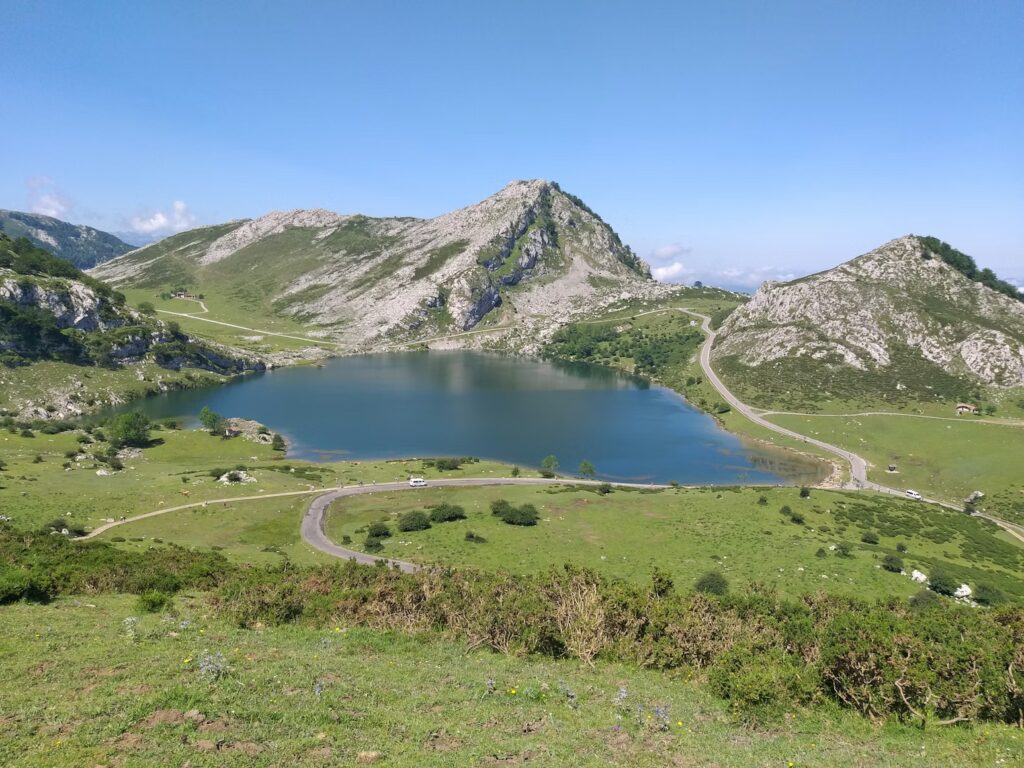
Lagos de Covadonga
Asturias offers a cool, green escape from the heat of southern Spain. While Barcelona and Andalusia are packed with international tourists and scorching temperatures in August, Asturias draws mainly Spanish holidaymakers who come for its mild climate. The vibe is relaxed and coastal, with misty cliffs, hidden coves, cider houses, and dramatic mountains just inland.
Travelers can fly into Asturias Airport via Madrid or Barcelona, then rent a car to explore the region’s mountain villages, coastal trails, and beaches. Daily costs typically range from $120–$180, covering comfortable mid-range hotels, seafood meals, and entrance fees for regional attractions.
>>> See more: 15 Best Places to Visit in September USA: Fall & Beach Picks
How to Spend 2 Epic Days

Picos de Europa
Day 1: Start early with a visit to the Lagos de Covadonga in the Picos de Europa for breathtaking mountain views. In the afternoon, head to the coast near Llanes for a late seafood lunch with local cider, then walk the cliff paths to the hidden Playa de Gulpiyuri and finish the day with sunset over the Bay of Biscay.
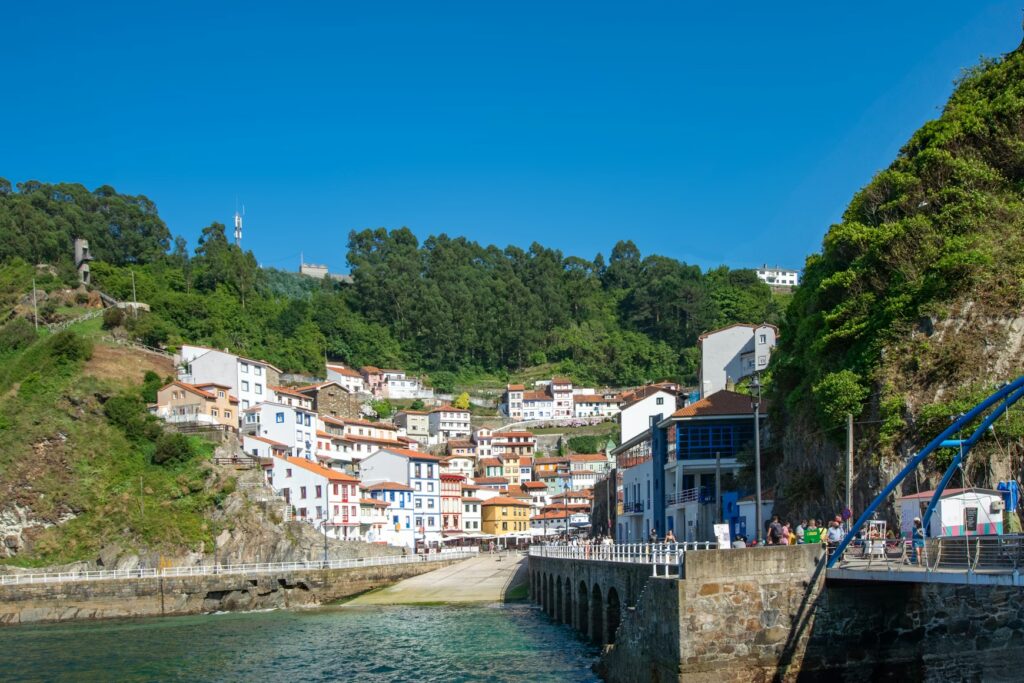
Cudillero
Day 2: Take a morning drive to Cudillero and explore the colorful cliffside village, sampling local pastries. Spend the afternoon kayaking or relaxing at quieter beaches such as Playa del Silencio. End the day with dinner at a local tavern overlooking the coast.
- Crowds & prices: August is peak domestic holiday season, so popular beaches and villages get busy, especially on weekends.
- Watch out for: Private cars can’t drive up to the Lagos de Covadonga during busy summer periods, so plan to take the official bus. Book accommodation early.
2. Sumba Island, Indonesia (The Unspoiled Bali)
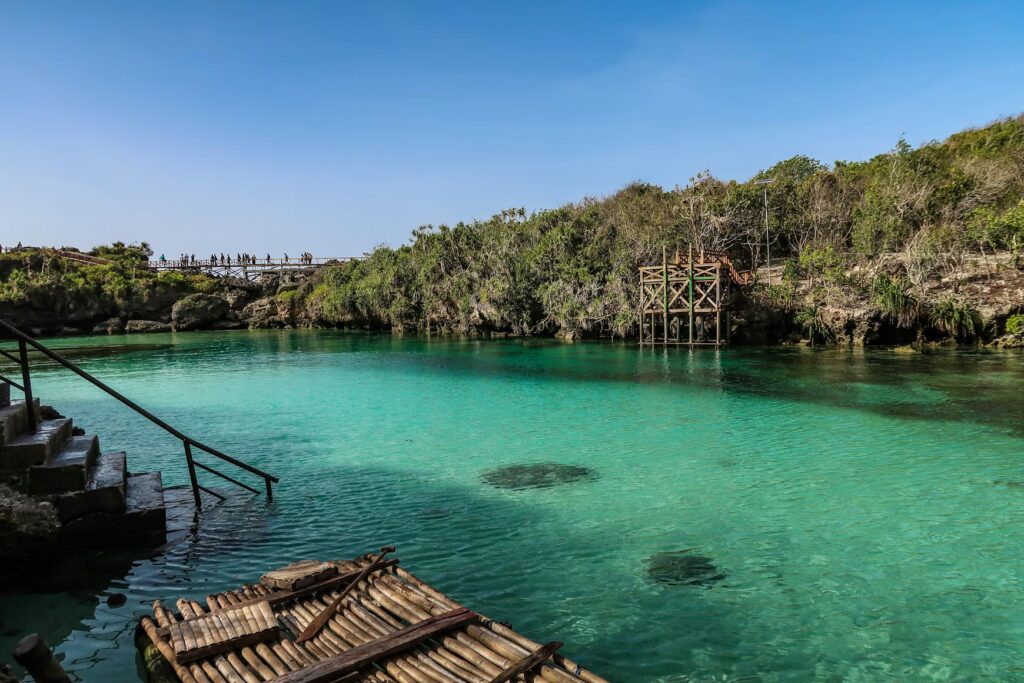
Sumba Island
While Bali is bustling in August with crowded beaches and traffic jams, Sumba, about an hour away by domestic flight, offers a completely different experience. The island feels remote and tranquil, with wide beaches, turquoise lagoons, and traditional villages that preserve centuries-old megalithic culture. August falls in the dry season, making it an ideal time to visit.
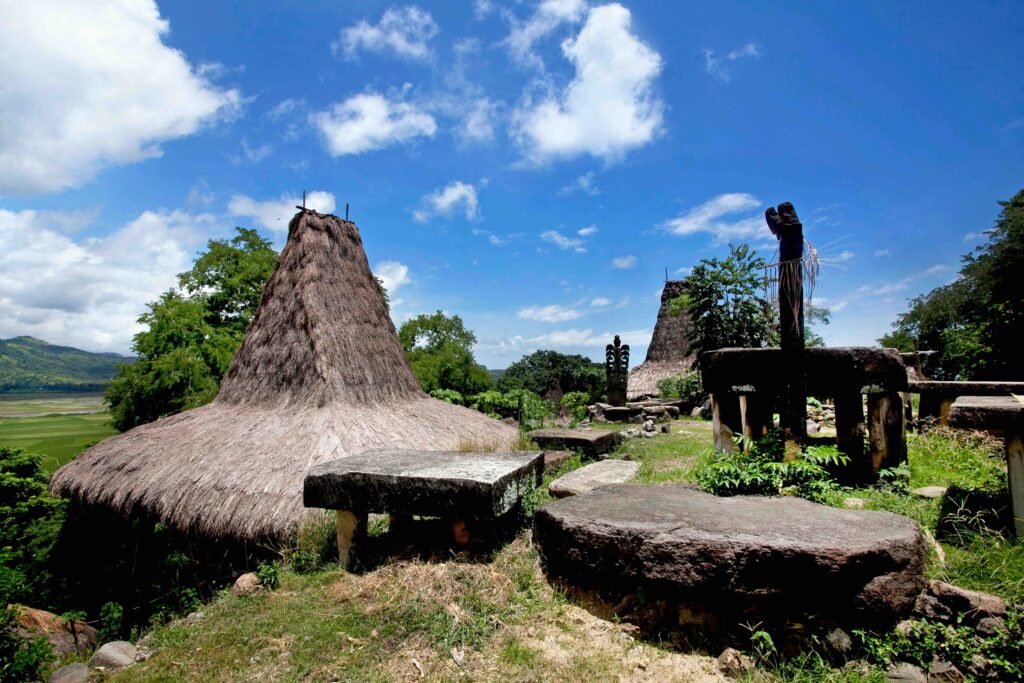
A traditional Sumbanese village
Travelers can fly via Bali or Jakarta to Tambolaka Airport in West Sumba, then take a short drive to guesthouses and eco-lodges near the coast. Daily expenses typically range from $90–$150, covering locally owned lodging, simple seafood meals, and a driver or guide. Sumba’s slow pace and intimate encounters with local crafts and landscapes make it ideal for travelers seeking an unhurried end-of-summer escape.
How to Spend 2 Epic Days
Day 1: Start with a swim in the clear, saltwater Weekuri Lagoon. After lunch, visit the traditional village of Ratenggaro to see its towering peaked roofs and megalithic tombs. Spend the evening at Mandorak Beach watching the sunset.
Day 2: Take a morning trip to Lapopu Waterfall, one of the island’s most beautiful falls. In the afternoon, shop for handwoven Sumba ikat textiles, and finish the day with a seafood dinner overlooking the ocean.
- Crowds & prices: Very quiet compared with Bali, with good value outside the luxury resorts.
- Watch out for: Roads are rough and distances are long, so hiring a local driver is easiest. Carry cash, and ask your guide about customs and small entry donations when visiting villages.
3. Newfoundland, Canada (The Edge of the World)
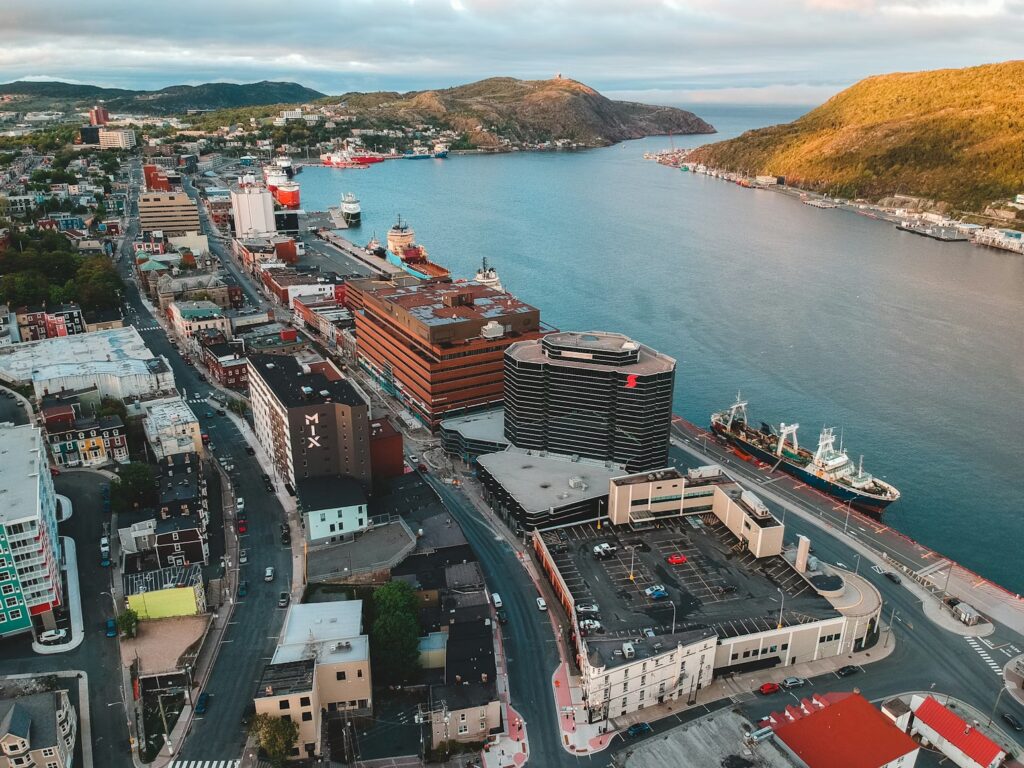
Newfoundland’s coastline
Newfoundland offers a rugged, peaceful alternative to Canada’s busier destinations like Banff, where dramatic cliffs meet the Atlantic and colorful fishing villages dot the coastline. August brings the island’s warmest weather, humpback whales, and seabird colonies, including puffins. Visitors arrive via St. John’s International Airport and can rent a car to explore coastal trails, lighthouses, and villages at their own pace. Daily costs typically range from $130–$200, covering mid-range guesthouses, meals in local cafés, and boat tours.
How to Spend 2 Epic Days
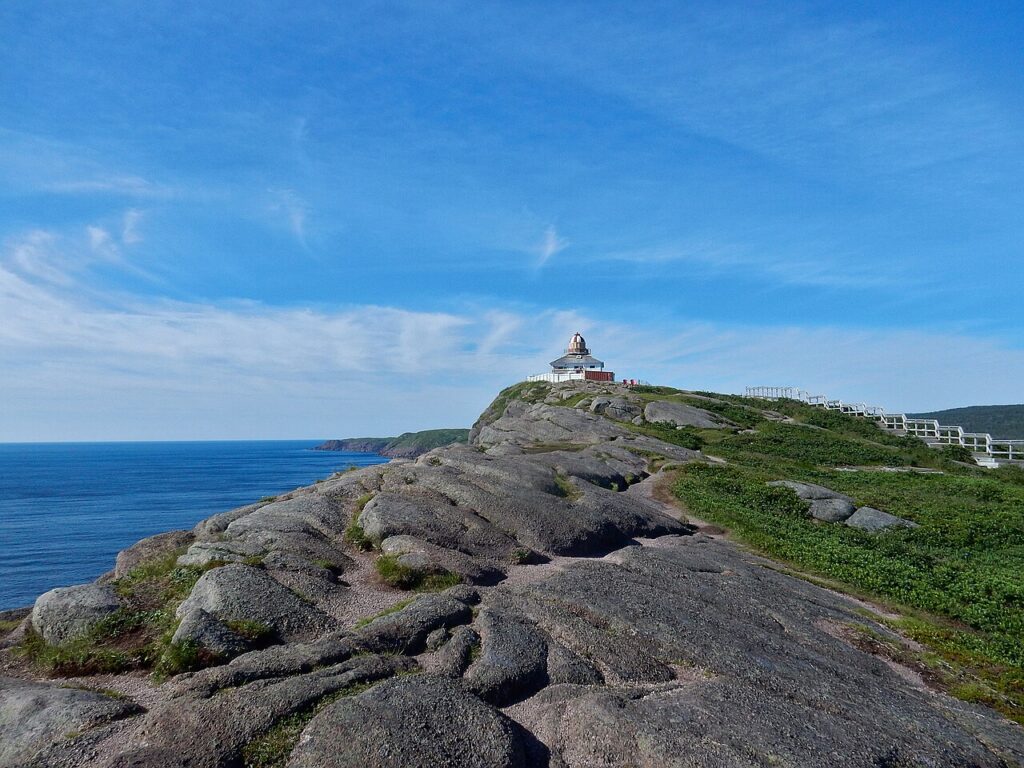
Image: “East Coast Trail (44033066061).jpg” by Brett Hodnett, CC BY-SA 2.0, via Wikimedia Commons.
Day 1: Watch the sunrise at Cape Spear Lighthouse, the most easterly point in North America, then hike a section of the East Coast Trail. In the afternoon, drive south to Witless Bay for a boat tour to see whales and puffins. Return to St. John’s for dinner downtown.

St. John’s
Day 2: Hike up Signal Hill for views over the harbor, then explore the fishing village of Quidi Vidi. In the afternoon, stroll past St. John’s colorful row houses and finish with a seafood dinner. With more time, add a road trip to historic Trinity, about three hours away.
- Crowds & prices: August is Newfoundland’s peak season, but crowds are spread across a large island.
- Watch out for: Fog and wind can roll in fast along the coast. Book rental cars and boat tours early, as supply is limited.
Group 2: Immersive Culture & Festivals
4. Tohoku, Japan (August Festival Capital)
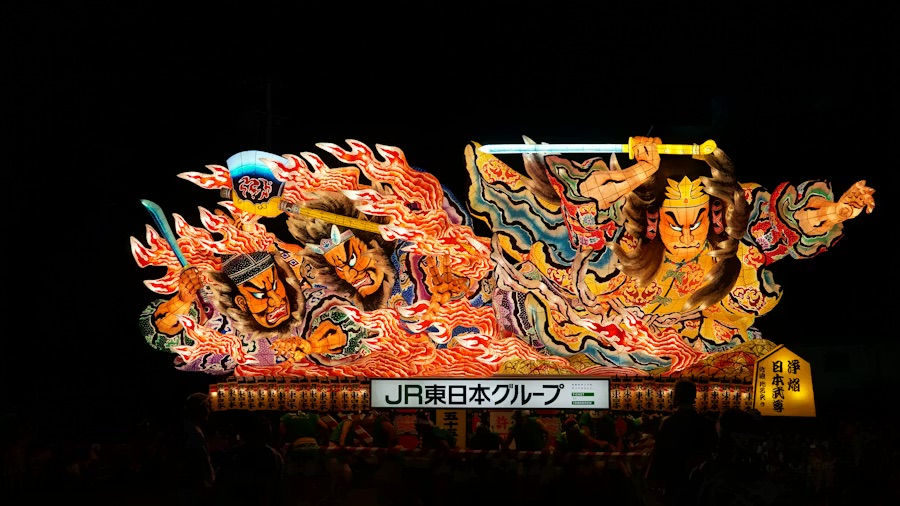
Aomori Nebuta Festival
Tohoku, Japan‘s northern region, is one of the best places to visit in August for traditional festivals. The Aomori Nebuta Festival (August 2–7) is the highlight, with massive illuminated floats parading through the streets. Around the same time, you can catch the Akita Kanto Festival, Sendai Tanabata, and Yamagata Hanagasa, making early August the best time to experience Tohoku’s festival culture. Outside the festival crowds, the region’s rural landscapes, onsen towns, and coastline feel far less touristy than Kyoto or Tokyo.
Travelers can fly into Aomori Airport or take the Tohoku Shinkansen from Tokyo, about three hours to Shin-Aomori. Daily costs typically range from $120–$200, covering mid-range hotels or ryokans, transport, and meals, with prices rising sharply during festival week.
How to Spend 2 Epic Days
Day 1: Spend the morning in Aomori exploring the markets and the Nebuta Warasse museum, where you can see festival floats up close. Rest in the afternoon, then join the crowds in the evening for the Nebuta parade.

Image: “Hirosaki Castle Keep Tower 2020.jpg” by Naokijp, CC BY-SA 4.0, via Wikimedia Commons.
Day 2: Take the train to Hirosaki, about 45 minutes away, to stroll the grounds of Hirosaki Castle and its historic samurai district. In early August, stay for the evening Hirosaki Neputa Festival, famous for its fan-shaped lantern floats, then enjoy dinner in a traditional izakaya.
- Crowds & prices: Festivals draw huge crowds, and hotels in Aomori sell out months ahead.
- Watch out for: Mid-August is Obon, one of Japan’s busiest domestic travel periods, so book trains and hotels as early as possible.
5. Tallinn & Lahemaa National Park, Estonia
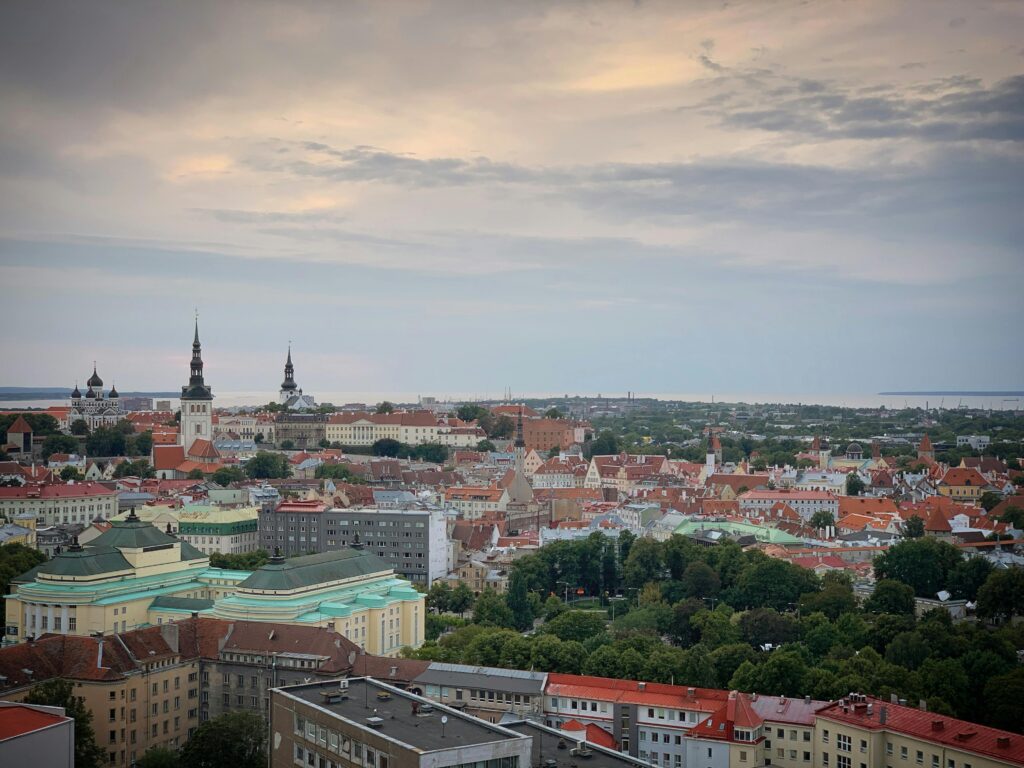
Tallinn’s Old Town
Tallinn and nearby Lahemaa National Park offer a cool escape in August, with temperatures that rarely feel hot. The UNESCO-listed Old Town is packed with medieval charm, while Lahemaa, about an hour’s drive east, has quiet forest trails, bogs, and coastal manor villages. Travelers can fly into Tallinn Airport, and daily budgets of $100–$150 cover boutique hotel stays, local meals, and entry fees to parks and museums.
How to Spend 2 Epic Days
Day 1: Explore Tallinn’s Old Town early in the morning before cruise groups arrive, ideally with a guided walking tour. Visit museums or the creative Telliskivi district in the afternoon, then return to the Old Town in the evening, when it’s calmer, for dinner.

Image: “Lahemaa Viru bog 04.jpg” by Ymblanter, CC BY-SA 4.0, via Wikimedia Commons.
Day 2: Drive to Lahemaa National Park in the morning to walk the Viru Bog boardwalk. Picnic in the forest, explore coastal villages, and return to Tallinn in the evening for sunset views and dinner.
- Crowds & prices: The Old Town gets busy at midday on cruise ship days, but the rest of the city and Lahemaa stay quiet.
- Watch out for: Pack a light rain jacket, as summer showers are common.
6. Arequipa, Peru (The White City)
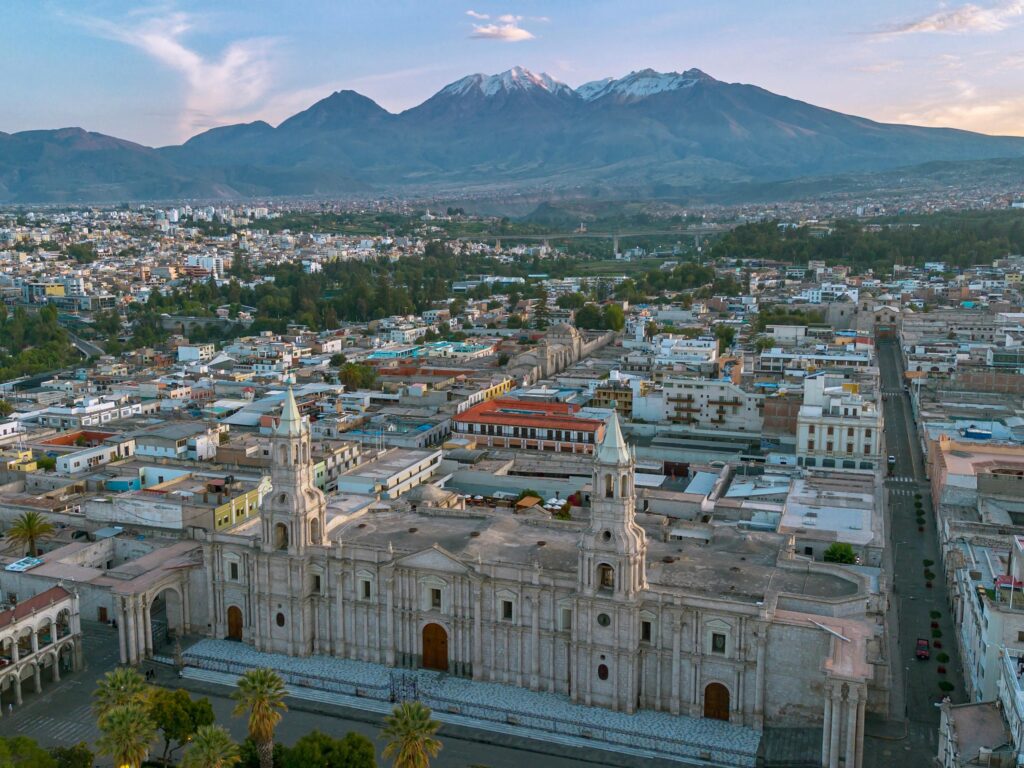
Arequipa
Arequipa offers a calmer alternative to the busy streets of Cusco and the crowds at Machu Picchu, making it perfect for travelers seeking history and local culture at a relaxed pace. The city is built from white volcanic stone, with colonial plazas and cobblestone streets set against snow-capped volcanoes. August is the dry season, bringing sunny days and cold nights. Travelers can fly into Arequipa Airport (AQP), with daily costs ranging from $80–$130 for mid-range hotels and meals. Planning a wider trip? See our guides to the best time to visit Peru and the best time to visit Machu Picchu.
How to Spend 2 Epic Days
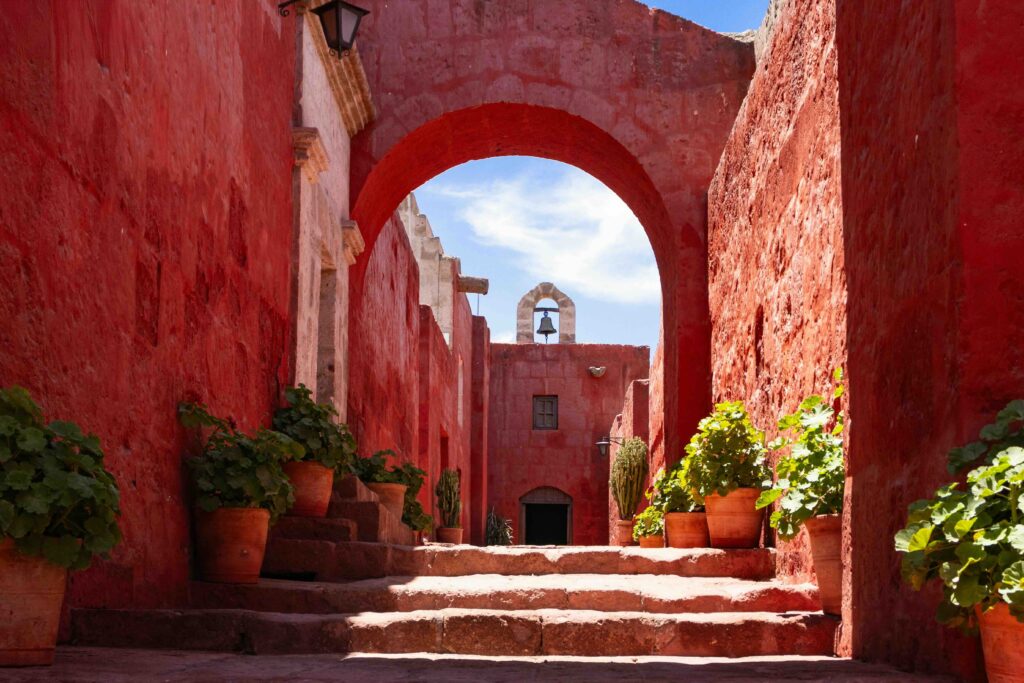
Monasterio de Santa Catalina
Day 1: Start at the Plaza de Armas and spend the morning exploring the Monasterio de Santa Catalina. Enjoy lunch at a traditional picantería, then walk the colonial streets and head to the Yanahuara viewpoint for volcano views. Dinner in the historic center.
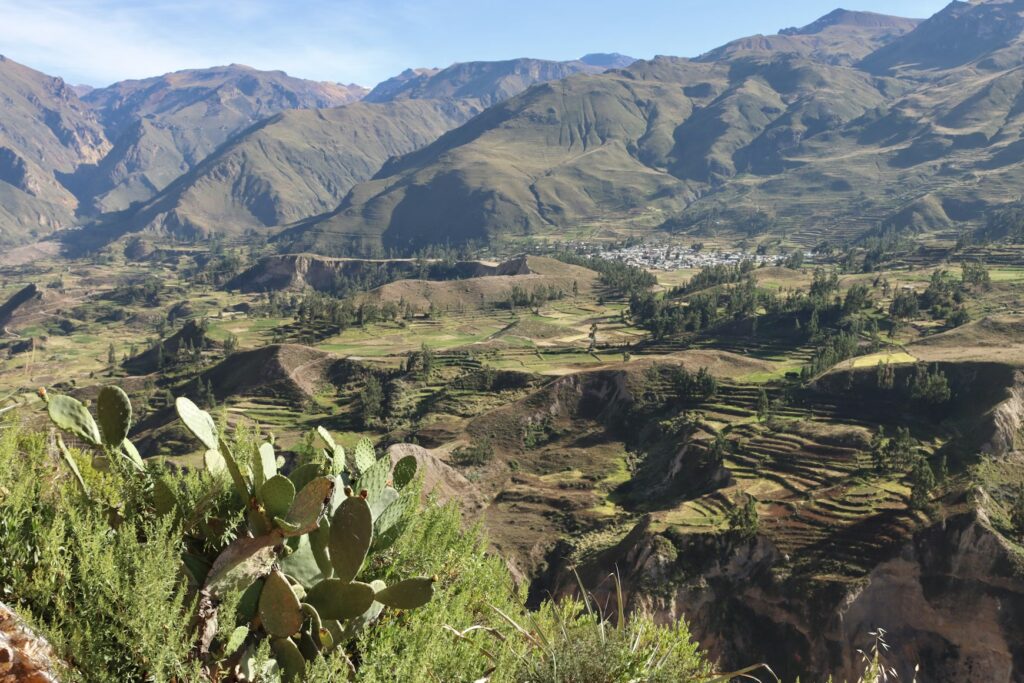
Colca Canyon
Day 2: Join a guided tour to Colca Canyon to watch Andean condors soar at the Cruz del Condor viewpoint, then visit traditional Andean villages along the way. Full-day tours leave Arequipa very early, around 3 a.m., so many visitors prefer an overnight tour with a night in the canyon.
- Crowds & prices: Moderate. August is a popular month in Peru, but Arequipa is far less crowded than Cusco.
- Watch out for: Arequipa sits at about 2,300 m (7,600 ft), and the road to Colca crosses a pass close to 5,000 m, so take it easy and watch for altitude sickness. Nights are cold, so pack warm layers.
Group 3: Deep Nature & Wildlife
7. South Luangwa National Park, Zambia
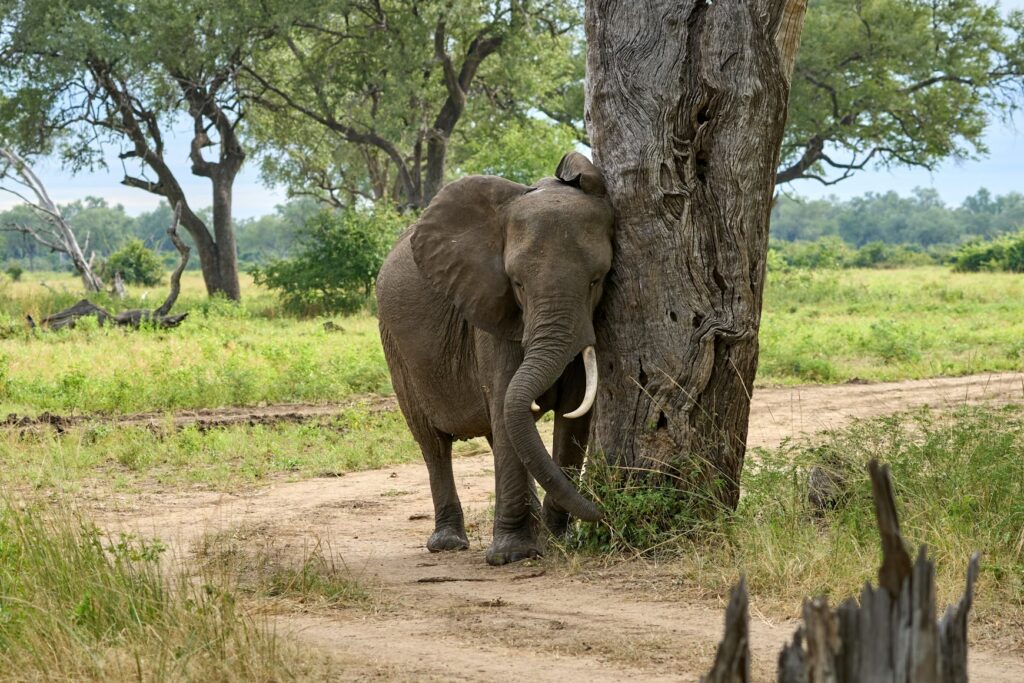
South Luangwa National Park
South Luangwa National Park is one of Africa’s best places for walking safaris, and August, in the heart of the dry season, is a prime time to visit. As water sources shrink, animals gather along the Luangwa River, making wildlife easier to spot. The park is known for its leopards, large herds of elephants and buffalo, and huge pods of hippos, and it’s also one of the few parks in the region that allows night drives. Small camps keep the experience intimate compared with Africa’s busiest safari parks.
Travelers usually fly into Lusaka, then take a short domestic flight to Mfuwe Airport, where lodges arrange transfers into the park. Budget-friendly camps start at around $250–$400 per person per day, including meals and guided activities, while luxury lodges cost considerably more.
How to Spend 2 Epic Days
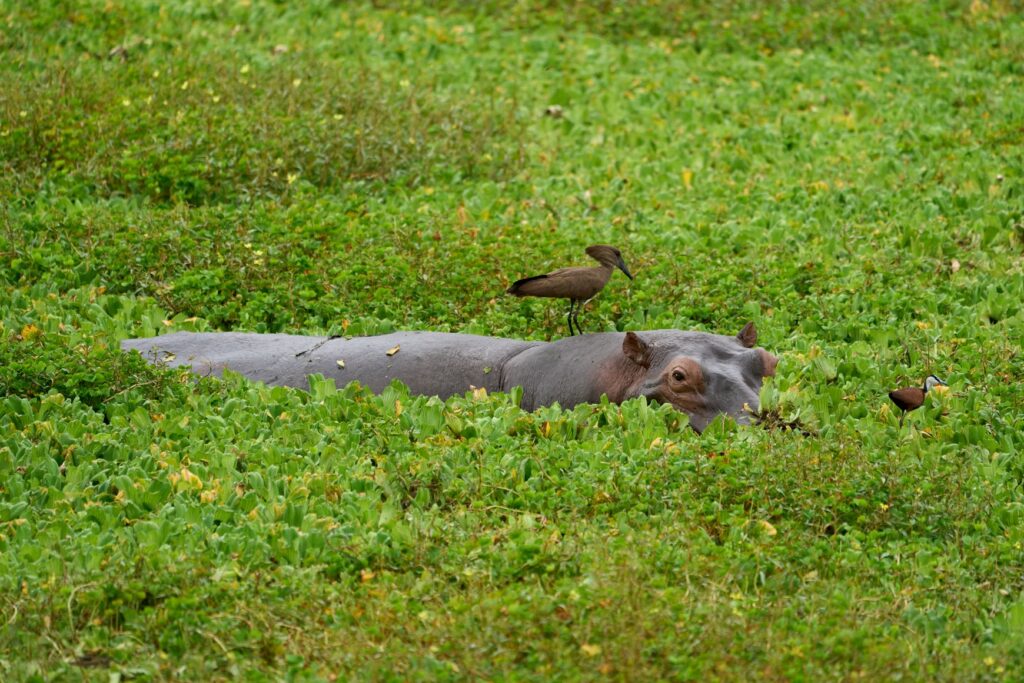
Hippos along the Luangwa River
Day 1: Set out on a morning walking safari with an armed guide to track elephants, hippos, and predators. Relax at the lodge over lunch, then head out on an afternoon game drive that ends with sundowners by the river.
Day 2: Take an early morning bush walk, then rest at the lodge during the heat of the day. In the late afternoon, join a game drive into a quieter area of the park, continuing into a night drive to spot leopards and other nocturnal animals.
- Crowds & prices: Few vehicles compared with major safari parks, but the best camps book up early for the dry season.
- Watch out for: South Luangwa is in a malaria risk area, so speak with a travel health professional before your trip. Mornings and evenings are chilly on open vehicles.
8. Azores, Portugal (Europe’s Hawaii)

Sete Cidades Lake
The Azores are lush and volcanic, with dramatic cliffs, crater lakes, and the warmest sea temperatures of the year in August, perfect for swimming, kayaking, and whale watching. August is peak season, especially on São Miguel, but the islands still feel far less crowded than mainland Europe’s beach resorts, and quieter islands like Flores, Pico, and São Jorge offer even more space. Visitors can fly into Ponta Delgada Airport on São Miguel, with daily costs of around $100–$160 for guesthouses, meals, a rental car, and activities.
How to Spend 2 Epic Days
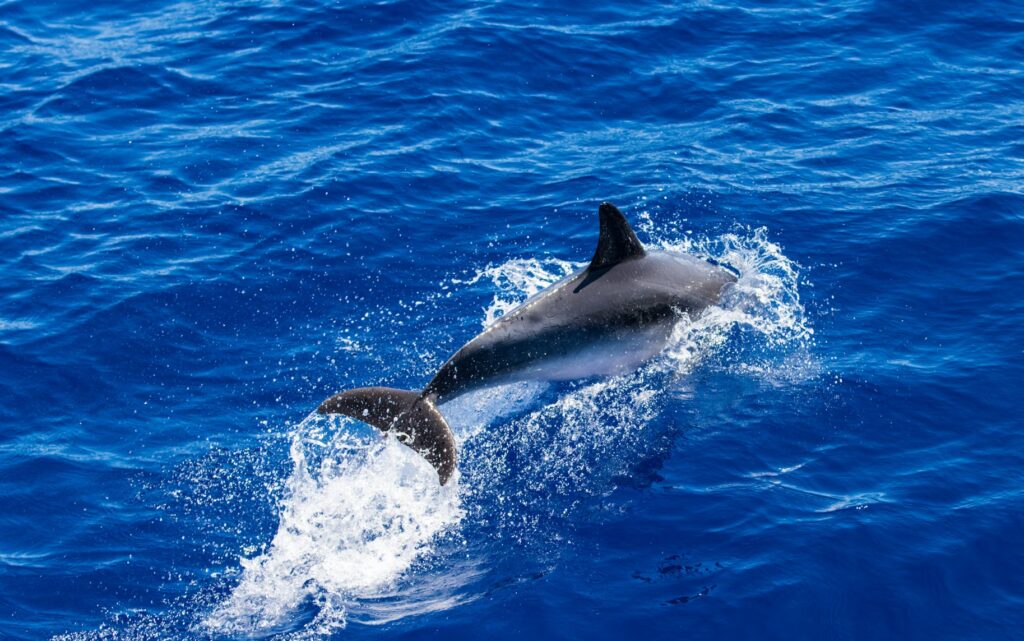
Whale watching in the Azores
Day 1: Start with an early kayak on the Sete Cidades crater lakes before the day-trippers arrive. Have lunch in a nearby village, then join an afternoon whale-watching tour from Ponta Delgada. Finish with a local dinner with ocean views.
Day 2: Hike volcanic trails around Lagoa do Fogo in the morning. Enjoy lunch at a farm café, then explore small coastal villages and soak in a thermal pool in the Furnas valley. Return to your lodge for sunset views.
- Crowds & prices: Peak season, with higher prices and limited rental cars.
- Watch out for: Book flights, accommodation, and rental cars well in advance, and check the webcams before driving to viewpoints, as fog can hide the lakes.
9. Kangaroo Island, Australia (Winter Wildlife)
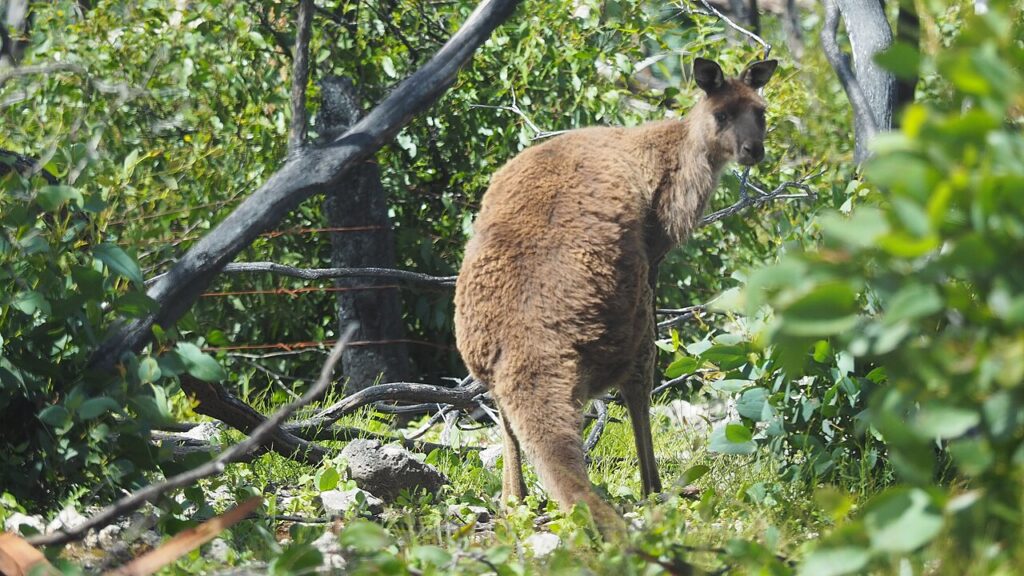
Image: “Kangaroo island Kangaroo.jpg” by Vishnubonam, CC BY-SA 4.0, via Wikimedia Commons.
Kangaroo Island in August is calm, cool, and uncrowded. It’s winter in Australia, but wildlife is easy to spot, with kangaroos, wallabies, koalas, and Australian sea lions all active. The island feels wild and remote, with rugged coastlines, bushland, and empty beaches. From Adelaide, drive about two hours to Cape Jervis for the 45-minute ferry, or take a short flight to Kingscote. Daily costs typically range from $120–$200, covering lodges, meals, and guided wildlife tours.
How to Spend 2 Epic Days
Day 1: Spend the morning in Flinders Chase National Park, visiting the Remarkable Rocks and Admirals Arch, where New Zealand fur seals lounge on the rocks. Stop at Hanson Bay Wildlife Sanctuary to look for koalas, then head to Seal Bay in the afternoon for a guided walk among Australian sea lions.
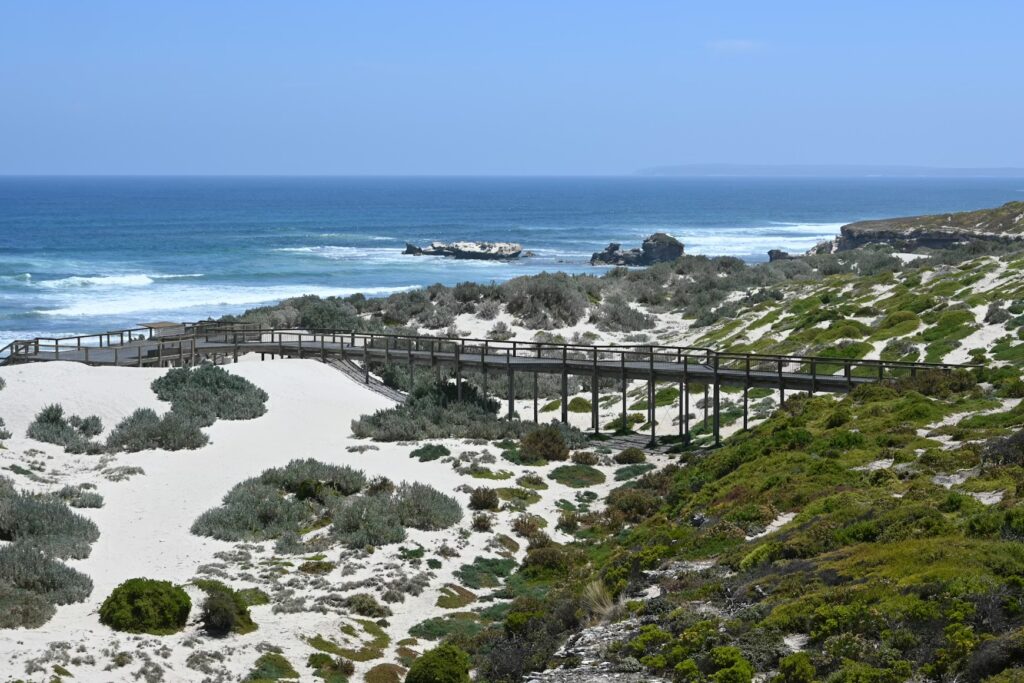
Seal Bay
Day 2: Join a guided wildlife tour in the morning to explore hidden habitats. Picnic on a secluded beach, then take a coastal walk in the afternoon before a local seafood dinner, paired with wine from the island’s cellar doors.
- Crowds & prices: Low season, with good availability.
- Watch out for: Days are short and weather can be wet and windy. Some cafés and tours run reduced winter hours, and driving at dusk is risky because of wildlife on the roads.
10. Lake Bohinj, Slovenia (The Quiet Alpine Jewel)

Lake Bohinj
Lake Bohinj offers a calmer alpine retreat than nearby Lake Bled. Surrounded by the Julian Alps inside Triglav National Park, it’s perfect for swimming, paddling, and hiking in a stunning setting. Travelers can fly into Ljubljana and then drive or take a bus to the lake in about 1.5 to 2 hours. Daily budgets of $110–$170 cover lakeside guesthouses, meals, and activities.
How to Spend 2 Epic Days

Savica Waterfall
Day 1: Paddleboard or kayak on the lake in the calm early morning. Have lunch at a lakeside café, then hike up to Savica Waterfall. In the evening, cycle along the lake or relax at your guesthouse.
Day 2: Ride the Vogel cable car early for panoramic views over the lake and the Julian Alps, then hike the alpine trails at the top. Return to the valley in the afternoon, take an evening swim or paddle, and have dinner at a lakeside restaurant.
- Crowds & prices: Busy in August, but much calmer than Bled.
- Watch out for: Parking around the lake is limited and paid, so arrive early or use the local buses. Afternoon thunderstorms are common in the mountains.
Practical Tips for Navigating August
- Book early and stay flexible. August is peak travel season worldwide. Adjust your dates by a day or two, or fly into alternative airports nearby, to secure better prices and availability.
- Watch for local holidays. Many Europeans take their vacations in August, so some restaurants and shops close or run reduced hours, especially around August 15. In Japan, the mid-August Obon holiday makes trains and hotels extra busy.
- Remember it’s winter down south. In Australia, Peru, and southern Africa, August means cool mornings and cold nights, so pack warm layers.
- Plan for health and altitude. Talk to a travel health professional before safaris in malaria areas, and allow time to acclimatize at high altitude in places like Arequipa and Colca.
- Reserve festival stays months ahead. Tohoku’s festivals and peak-season islands like the Azores sell out early.
Frequently Asked Questions
Where is not crowded in August?
Sumba, Kangaroo Island, and South Luangwa are among the quietest destinations on this list. In Europe, Tallinn outside cruise hours and smaller Azores islands like Flores and São Jorge offer more space than the Mediterranean hotspots.
Where is cool to travel in August?
Northern Spain, Newfoundland, Estonia, and alpine lakes like Bohinj offer mild summer temperatures. For true cool weather, the southern hemisphere, including Kangaroo Island and Arequipa, is in winter.
What are the best festivals in August?
Japan’s Tohoku region hosts some of the country’s biggest summer festivals in early August, including the Aomori Nebuta, Akita Kanto, Sendai Tanabata, and Yamagata Hanagasa festivals.
Is August a good time for a safari?
Yes. August is dry season in much of southern and East Africa, when animals gather near water and vegetation is thinner, making wildlife easier to spot. Zambia’s South Luangwa is especially good for walking safaris at this time of year.
Want a Trip Closer to Home?
August is a great time to explore off-the-beaten-path destinations and enjoy the last weeks of summer abroad. If a long-haul international flight feels too ambitious or costly, there’s an excellent alternative closer to home. For a cool, less crowded end-of-summer escape in the United States, check out our guide to the 15 Best Places to Visit in August USA, with beaches, national parks, and small towns just a short flight or drive away.