
The American Southwest is a land of natural wonders, rich history, and vibrant culture. Whether you’re seeking outdoor adventures, exploring ancient ruins, or simply enjoying the stunning landscapes, the Southwest offers a wealth of experiences. From the towering red rocks of Monument Valley to the sprawling deserts of Arizona, this region is packed with destinations that promise to take your breath away. This guide will help you navigate the best places to visit, plan scenic road trips, and explore the region’s top adventure ideas.
Expectation vs. Reality: The American Southwest Experience
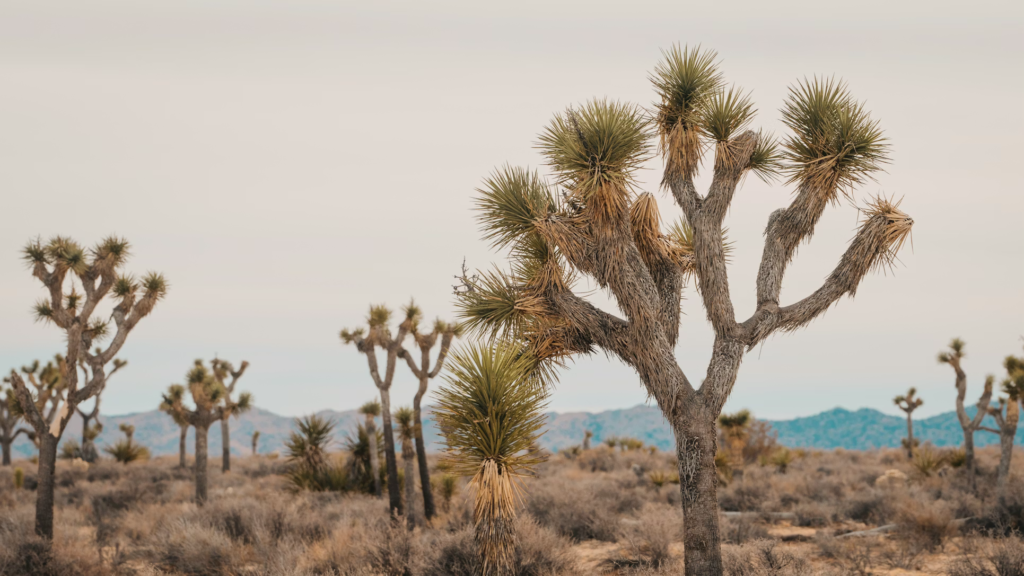
When planning a trip to the American Southwest, many people envision vast desert landscapes, iconic national parks, and rich cultural heritage. While these expectations are certainly true, the reality of traveling in the region comes with its own set of challenges and rewards. Understanding these will help you make informed decisions as you plan your visit.
The Reality of Long Distances and Remote Areas
The American Southwest is known for its expansive terrain, with long stretches between major landmarks and towns. Travel distances can be significant, and in some remote areas, services like gas stations, restaurants, and accommodations can be sparse.
While the region offers stunning landscapes, it requires some careful planning to ensure you’re prepared for long drives and isolated stretches. It’s essential to have a reliable vehicle, plenty of water, and backup supplies, especially if you’re venturing off the beaten path.
The Trade-Offs of Adventure vs. Comfort
One of the biggest draws of the Southwest is its vast outdoor opportunities, from hiking in Grand Canyon National Park to exploring the remote desert landscapes of Arches National Park.
However, many of these adventures come with trade-offs, such as limited amenities, challenging weather conditions, and rough terrain. If you’re seeking comfort and luxury, the region may not always be the ideal place. But for those who enjoy rugged exploration, the rewards are immense: think starry nights, wild landscapes, and the chance to disconnect from the hustle of modern life.
Best Destinations to Explore in the American Southwest
Grand Canyon National Park: A Natural Wonder
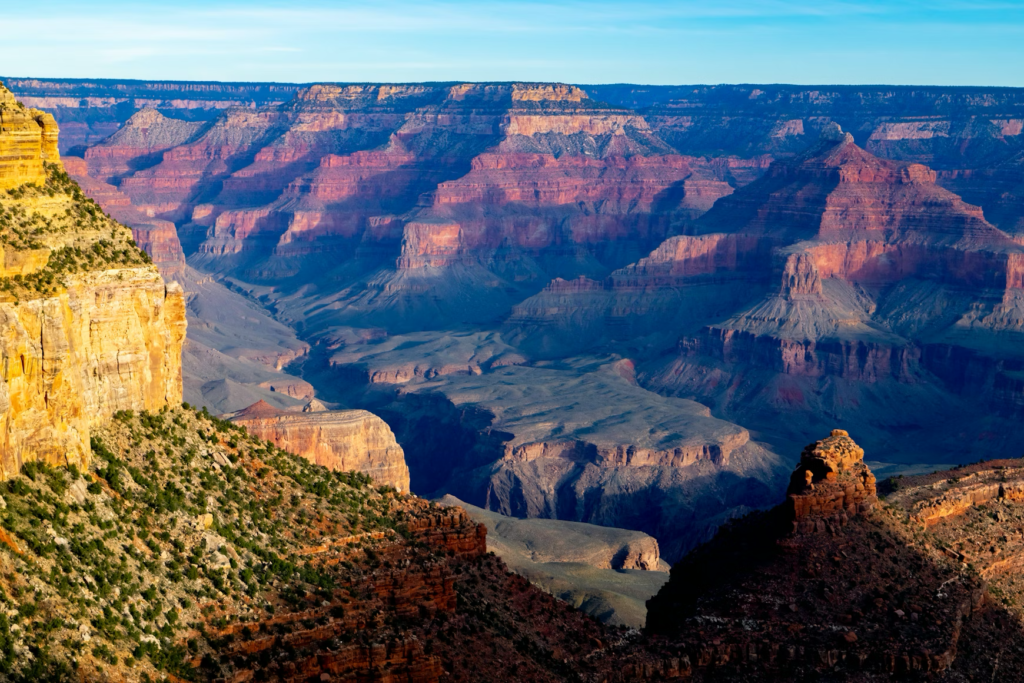
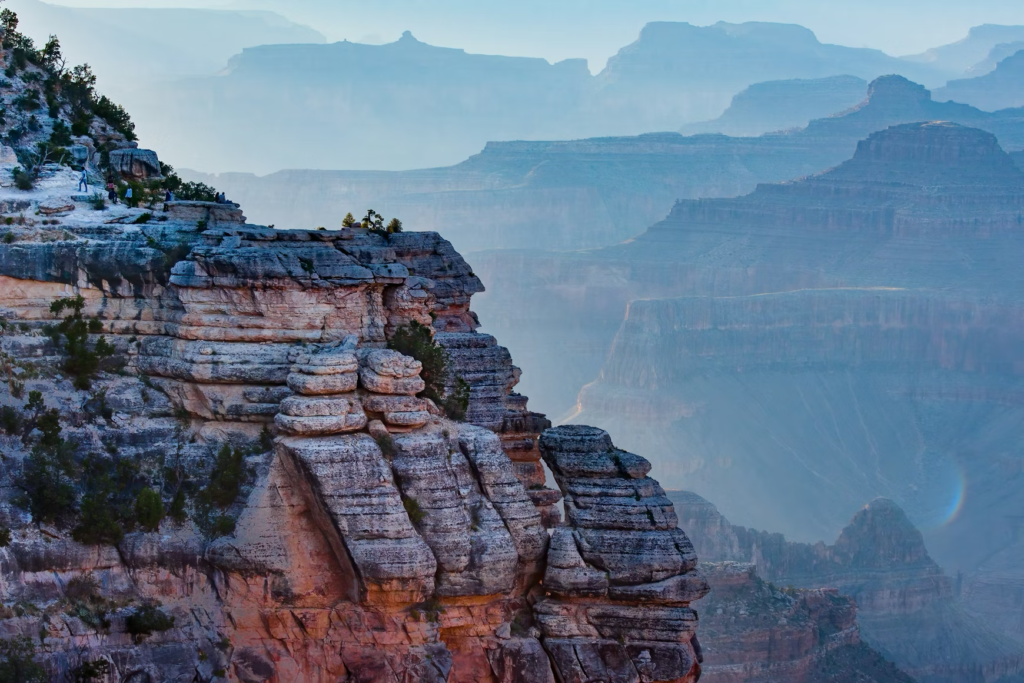
The Grand Canyon is arguably the most iconic destination in the American Southwest, and for good reason. The vastness of the canyon, carved by the Colorado River over millions of years, is awe-inspiring. Whether you’re hiking along the rim, rafting on the river, or simply taking in the view from Mather Point, the Grand Canyon offers countless opportunities for adventure.

The park can get crowded, especially during peak seasons, but its sheer size means that there are plenty of spots to find some peace and quiet. For an unforgettable experience, consider hiking down to Phantom Ranch or taking a helicopter tour for a unique perspective of this natural wonder.
Monument Valley: Iconic Red Rock Formations
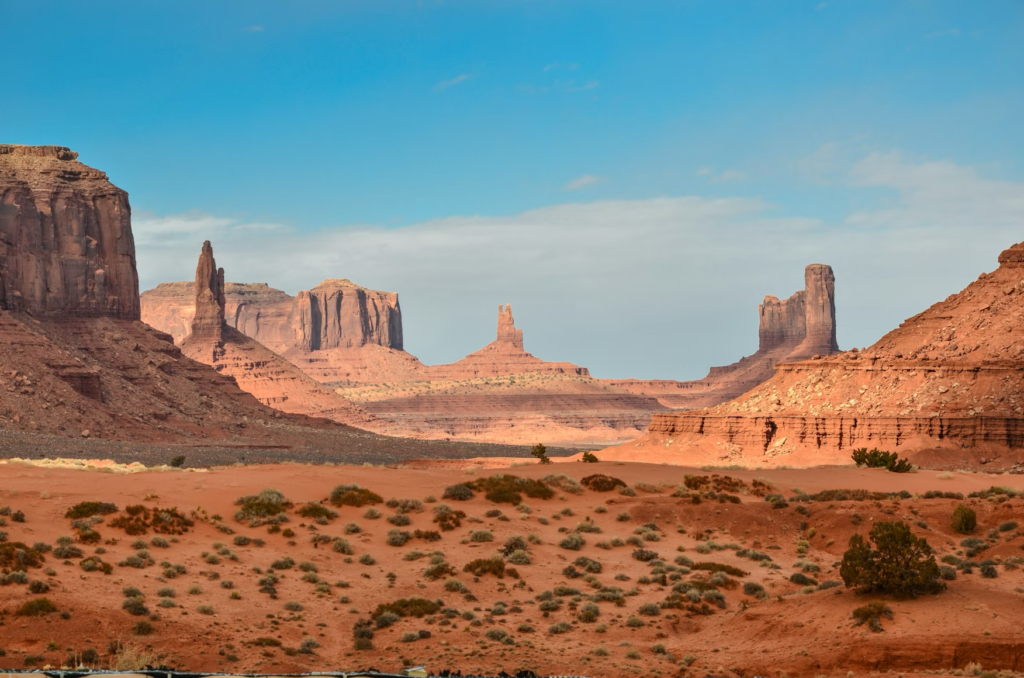
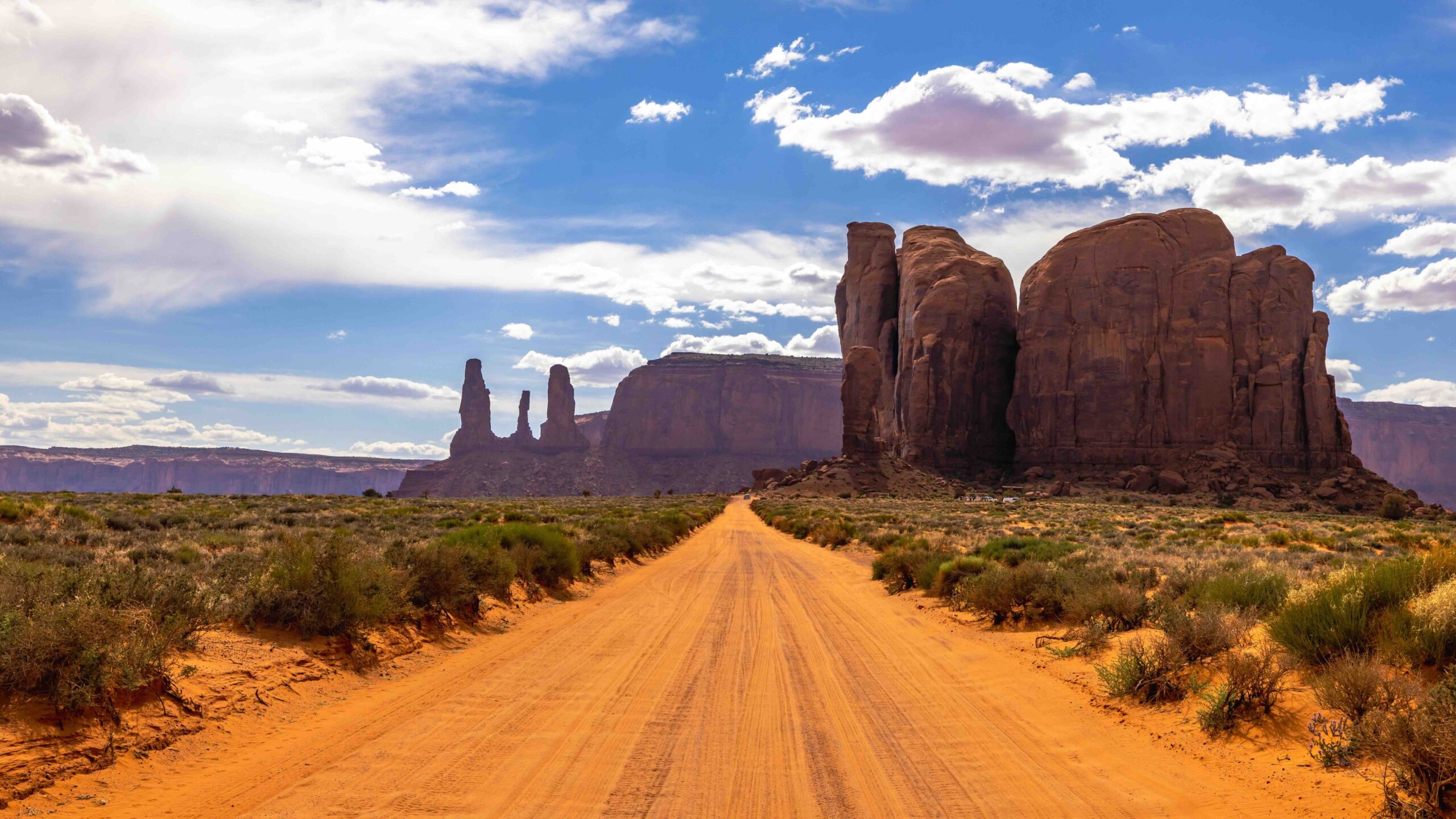
Located on the Arizona-Utah border, Monument Valley is one of the most recognizable landscapes in the American Southwest, thanks to its towering sandstone buttes and mesas. Often seen in Western movies, this area is a must-visit for anyone traveling through the region. You can explore the valley by taking a guided tour led by Navajo guides, who will share their knowledge of the land and its cultural significance. Monument Valley is an ideal spot for photography, especially at sunrise or sunset when the light creates dramatic shadows across the red rock formations.
Sedona: Red Rocks, Spiritual Vibes, and Outdoor Adventure


Sedona, Arizona, is known for its striking red rock formations, which create a stunning backdrop for hiking, biking, and spiritual exploration. Many visitors come to Sedona to experience its renowned vortexes, thought to have spiritual and healing properties. Whether you’re drawn to its mystical reputation or simply want to hike through its famous Cathedral Rock or Devil’s Bridge, Sedona offers a perfect mix of natural beauty and tranquility. The town also offers excellent dining, art galleries, and spas, making it a great spot for a mix of adventure and relaxation.
Santa Fe: Art, History, and Southwestern Charm
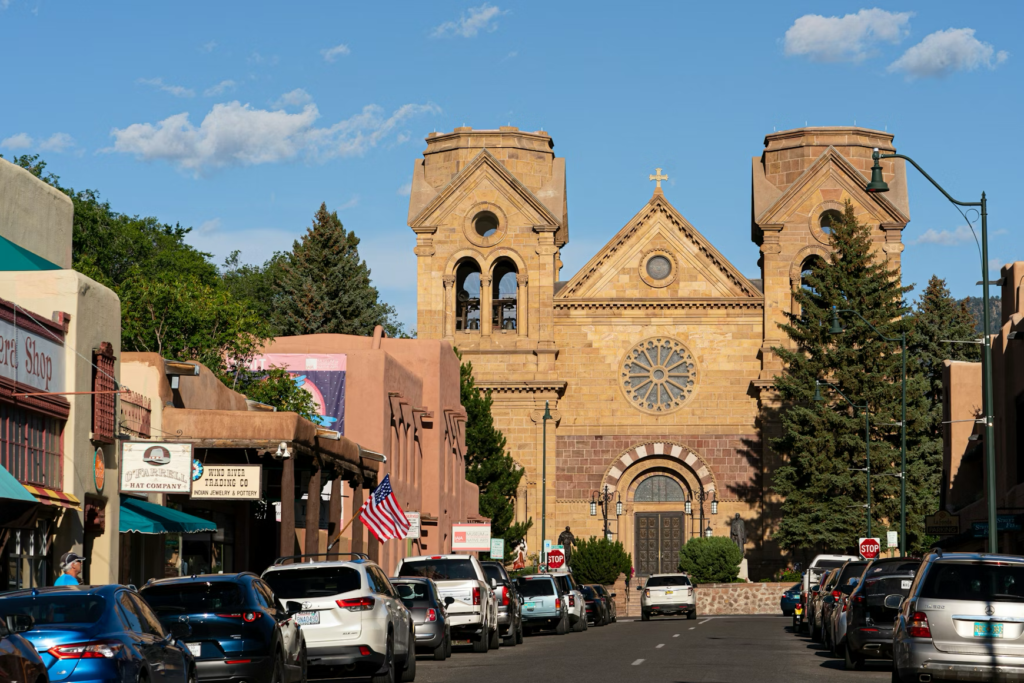

Santa Fe, New Mexico, is a city steeped in history and culture, with a unique blend of Native American, Spanish, and Anglo influences. Known for its adobe architecture, art galleries, and vibrant marketplaces, Santa Fe is perfect for those interested in history, art, and culture. Visit the Georgia O’Keeffe Museum, explore the Santa Fe Plaza, or take a trip to the nearby Bandelier National Monument to discover ancient cliff dwellings. Santa Fe’s cuisine, featuring New Mexican flavors, is also a highlight, with dishes like green chile stew and posole offering a taste of local culture.
Scenic Road Trips: Discover the Beauty of the Southwest by Car
One of the best ways to explore the American Southwest is by taking a road trip. The region’s vast landscapes, national parks, and unique towns are best experienced at your own pace.
Route 66: The Mother Road

Route 66 is an iconic American road trip that stretches from Chicago to Santa Monica, passing through the heart of the Southwest. This historic route takes you through small towns, quirky roadside attractions, and classic American landscapes. Along the way, stop in places like Flagstaff, Seligman, and Kingman, and make sure to visit Winslow, Arizona, to stand on the famous corner immortalized in the Eagles’ song.
The Monument Valley Loop: A Stunning Desert Drive
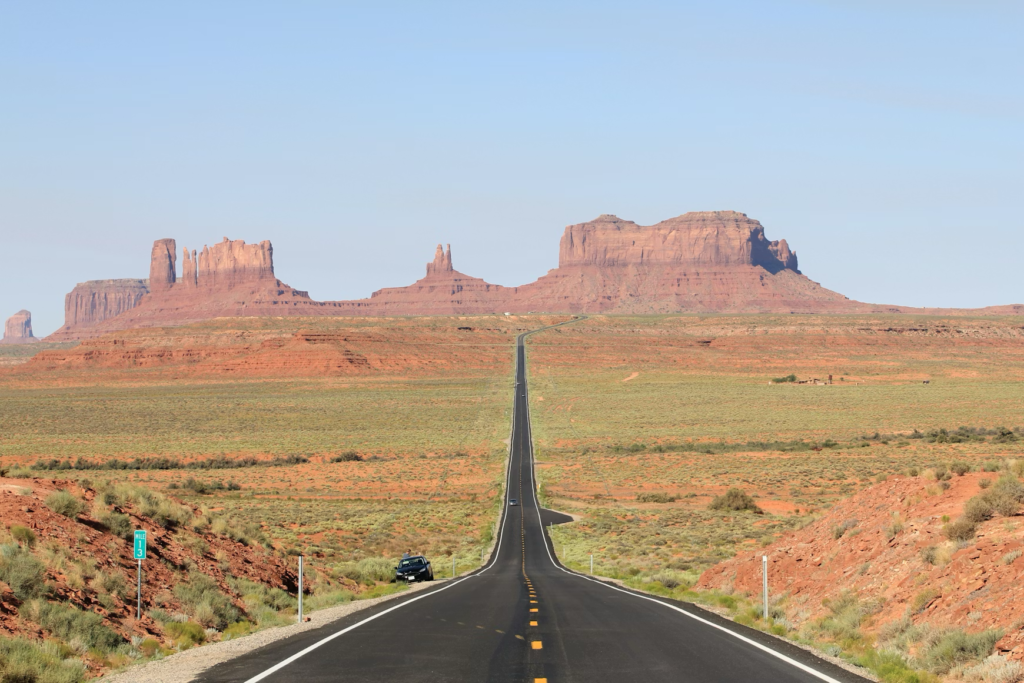
For a short but beautiful road trip, drive through the Monument Valley Loop, a 17-mile route through Monument Valley’s iconic landscape. This drive offers stunning views of towering red sandstone formations and vast desert expanses. The route can be explored in a few hours, and many people combine it with a guided tour of the valley for a more immersive experience. It’s a perfect route for a half-day adventure.
The Scenic Byway 12: Utah’s “All-American Road”
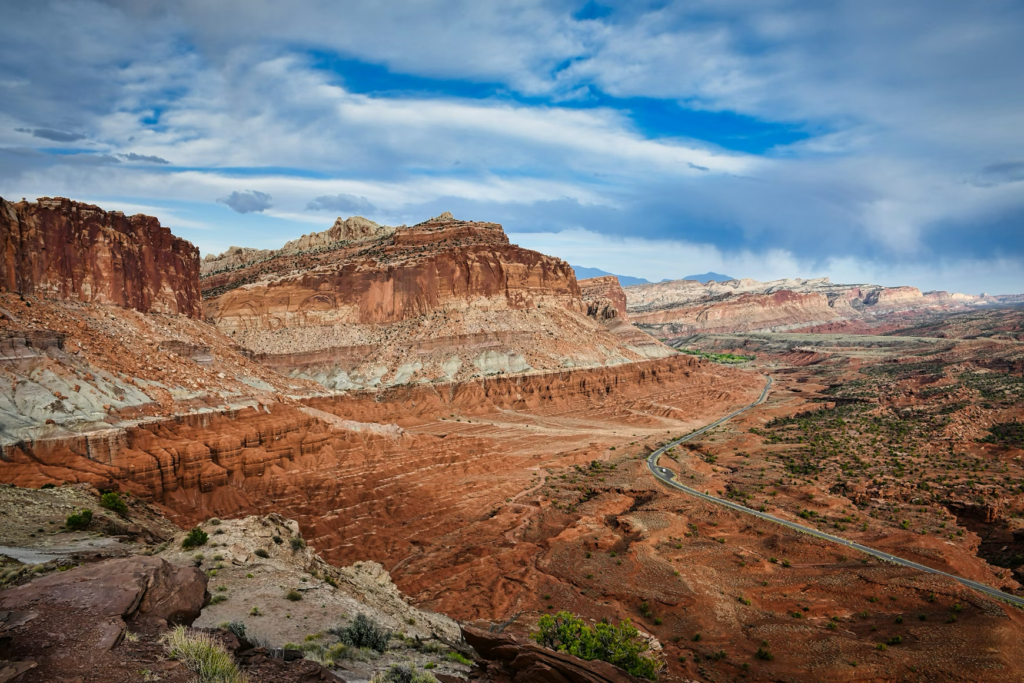
If you’re looking for an extended road trip through some of the most stunning landscapes in the Southwest, Scenic Byway 12 in Utah is a must. This route takes you through Capitol Reef National Park, Bryce Canyon National Park, and Zion National Park, providing a chance to experience the region’s unique rock formations, canyons, and breathtaking views. The drive offers a mix of desert scenery, alpine forests, and small towns, and it’s perfect for travelers looking to immerse themselves in the beauty of Utah.
Adventure Ideas in the Southwest
Hiking in Zion National Park

Zion National Park in southern Utah is a hiker’s dream, with a variety of trails offering everything from easy walks to challenging climbs. The Angels Landing trail is one of the park’s most famous hikes, offering panoramic views of the park’s iconic sandstone cliffs. For a more moderate hike, consider the Narrows, a trek that takes you through the Virgin River, surrounded by towering canyon walls.
Rafting the Colorado River

For a unique way to experience the Grand Canyon, consider a rafting trip down the Colorado River. You can choose between one-day and multi-day trips, which will take you through some of the most dramatic sections of the canyon. The river offers a thrilling and unforgettable experience for those looking to explore the Grand Canyon from a different perspective.
Stargazing in the Desert
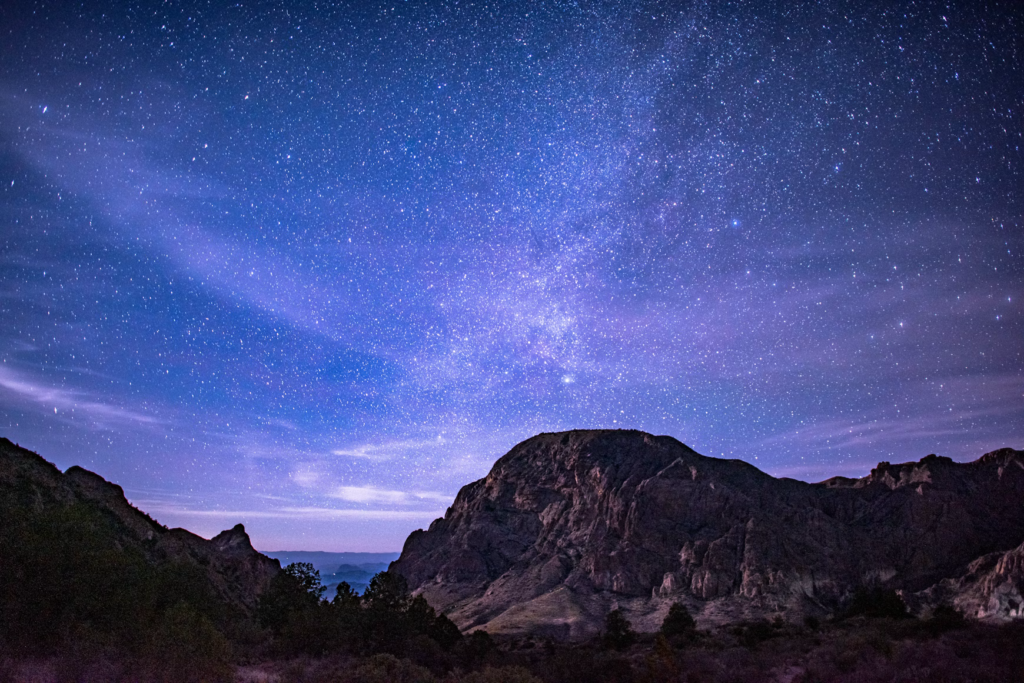
The clear skies of the American Southwest make it one of the best regions in the country for stargazing. Many of the national parks in the region, such as Arches, Canyonlands, and Big Bend, are designated Dark Sky Parks, meaning they have little light pollution, providing an incredible view of the night sky. If you’re an astronomy enthusiast, these parks offer some of the best opportunities to see constellations, meteor showers, and the Milky Way in all its glory.
Tips & Advice for Your Southwest Adventure
1. Plan for Long Drives
The vastness of the American Southwest means that many of the top destinations are far apart. Plan your itinerary with realistic driving times in mind. Distances between national parks and major cities can be long, so if you’re planning to do a road trip, ensure your vehicle is in good condition, carry plenty of water, and be prepared for stretches without amenities. If you’re unfamiliar with desert driving, make sure your GPS is up-to-date, and always have a physical map on hand just in case.
2. Pack for Diverse Weather
Weather in the Southwest can be unpredictable, with hot days in the desert followed by chilly nights, especially in higher elevations like in Grand Canyon or Sedona. Pack in layers, and don’t forget essentials like sunscreen, sturdy hiking shoes, and a hat. Bring a light jacket or sweater for cooler evenings, especially if you’re traveling to higher-altitude areas. If you’re planning to visit in summer, always check the weather forecast before heading out to ensure you’re prepared for potential heat waves.
3. Stay Hydrated
The dry desert air can quickly dehydrate you, especially during long hikes or outdoor activities. Make sure to always carry enough water, particularly when hiking in remote areas like the Grand Canyon or Monument Valley. In fact, you should plan on drinking more water than you might normally consume, and avoid overexerting yourself under the sun. Many national parks in the Southwest recommend bringing at least two liters of water per person for any extended trek.
4. Be Respectful of Local Culture and Traditions
The Southwest is home to many Native American tribes, and it’s important to approach these areas with respect. Be mindful of sacred sites, such as Chaco Canyon or Monument Valley, and always follow any guidelines or rules provided by the tribal authorities. Many indigenous communities offer cultural tours, which can provide invaluable insights into their history and way of life. You can consider joining these tours to better understand the region’s deep-rooted heritage.
5. Be Aware of Limited Services in Remote Areas
While the larger cities, like Phoenix or Albuquerque, offer full amenities, remote areas of the Southwest can lack basic services. Many national parks or remote desert locations might not have cell phone reception, restaurants, or gas stations nearby. It’s wise to plan ahead by refueling your car, carrying extra food, and ensuring you have sufficient supplies before venturing into these less accessible spots. Always check park hours, as some parks or sites may close early during off-peak seasons.
6. Take Advantage of National Park Passes

If you’re planning to visit several national parks, consider purchasing an America the Beautiful National Park Pass. This annual pass gives you access to over 2,000 federal recreation sites, including many of the Southwest’s most famous parks like Zion, Bryce Canyon, and Arches National Park. The pass will save you money on entrance fees and is a great option for frequent park visitors.
7. Stay in Local Eco-Lodges or Campgrounds for a More Authentic Experience
The Southwest offers many eco-lodges and campgrounds that are ideal for those looking to immerse themselves in nature. Staying in these types of accommodations not only allows you to connect with the environment but also supports sustainable travel practices. Many areas, like Sedona, offer glamping (glamorous camping) experiences, which combine the outdoor beauty of camping with the comfort of modern amenities.

8. Respect Wildlife and Natural Conservation Areas
The Southwest is teeming with wildlife, including desert animals like snakes, lizards, and coyotes. Respect their natural habitats and avoid disturbing them. Additionally, stay on designated trails to protect the native flora and fauna of the region. Littering is also a major concern in these delicate ecosystems, so always carry out what you carry in.
Conclusion: Is the American Southwest Right for You?
The American Southwest offers an array of experiences for travelers seeking natural beauty, outdoor adventure, and cultural exploration. Whether you’re looking to take a scenic road trip, hike through dramatic national parks, or immerse yourself in the region’s rich history, the Southwest has something to offer every traveler. The key to a successful trip lies in understanding the vast distances, limited amenities, and remote landscapes that define this region. With the right planning and realistic expectations, the American Southwest can provide a truly unforgettable adventure.