
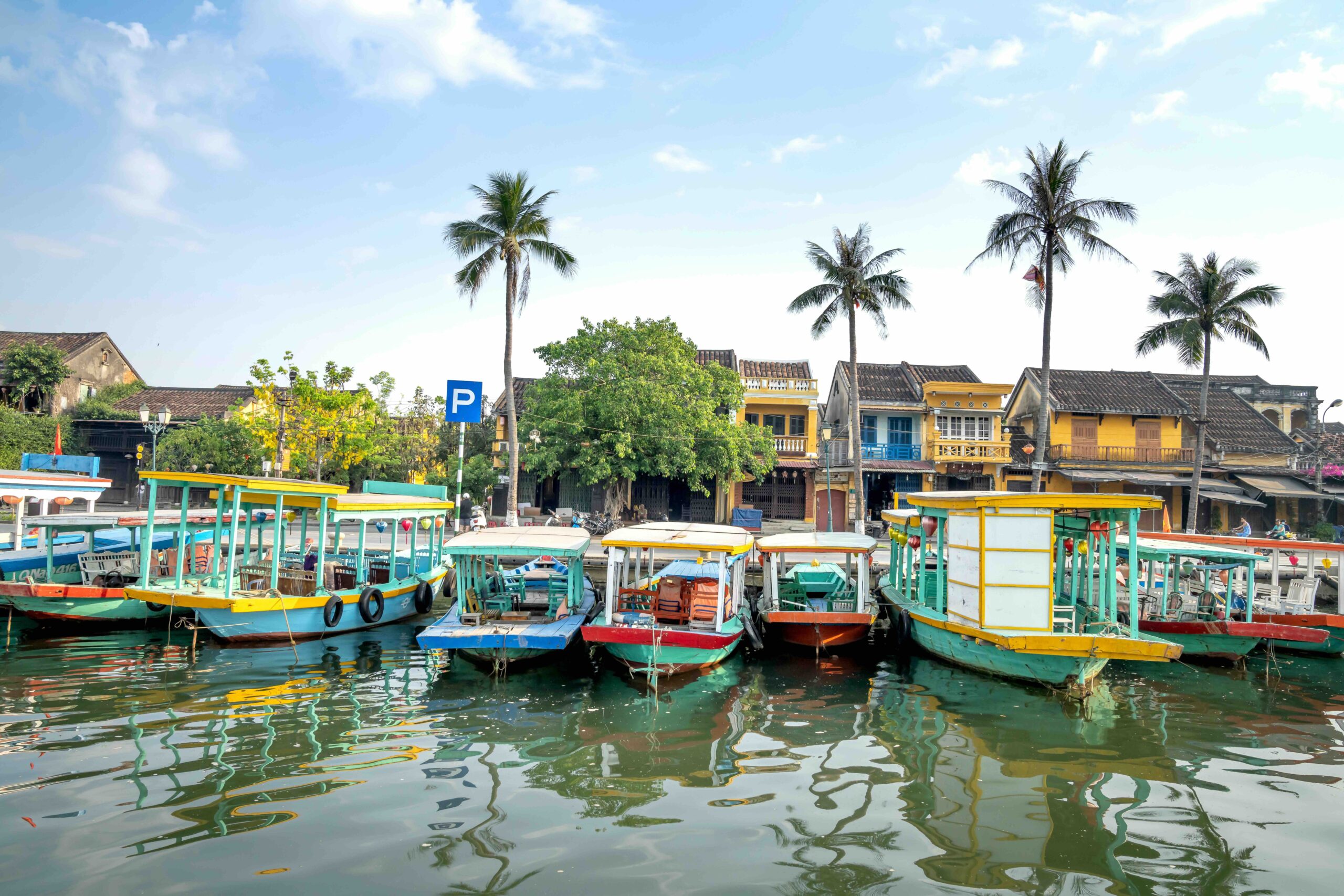
Vietnam is often associated with affordability long before a trip begins, shaping expectations around a low Vietnam travel budget. Low prices, inexpensive meals, and accessible transport shape expectations early, creating the sense that money will stretch easily once the journey is underway. As days begin to repeat, that assumption starts to soften, and budgeting shifts from something abstract into something felt through daily movement and decision-making. Costs rarely call attention to themselves, building gradually through small, ordinary decisions that start to register only as they settle into habit.
How Early Spending Feels Light
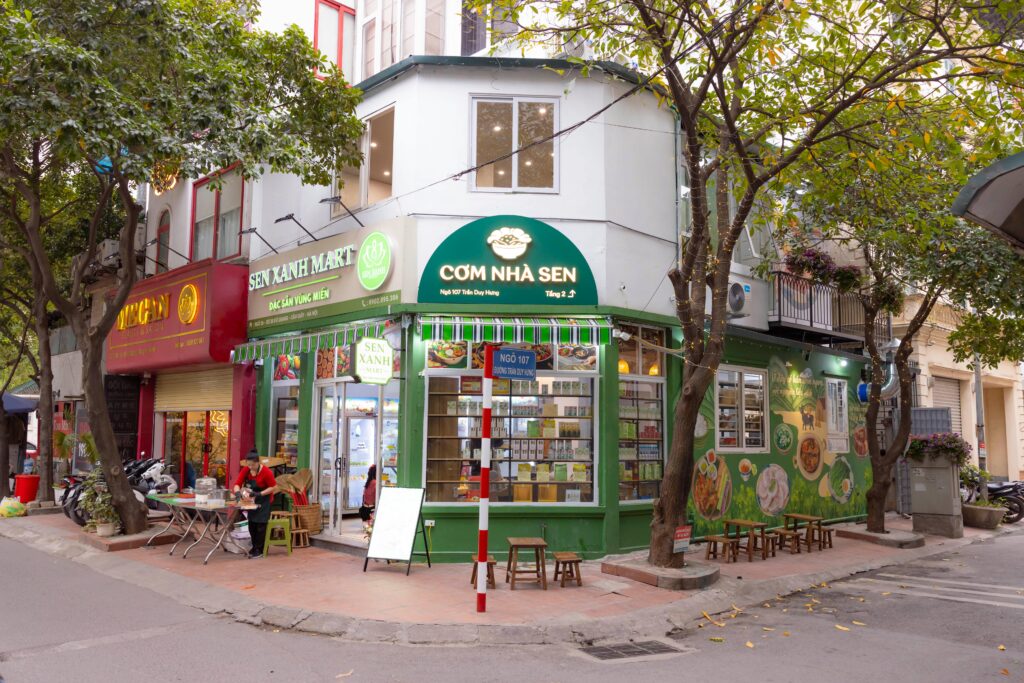
The first days tend to move smoothly. Meals appear easily, short rides stay inexpensive, and accommodation settles into good value without much planning. Spending stays in the background, reinforced quietly through repetition. This ease settles quietly into the day, keeping decisions light and spending largely out of sight as movement continues uninterrupted.
When Costs Begin to Take Shape
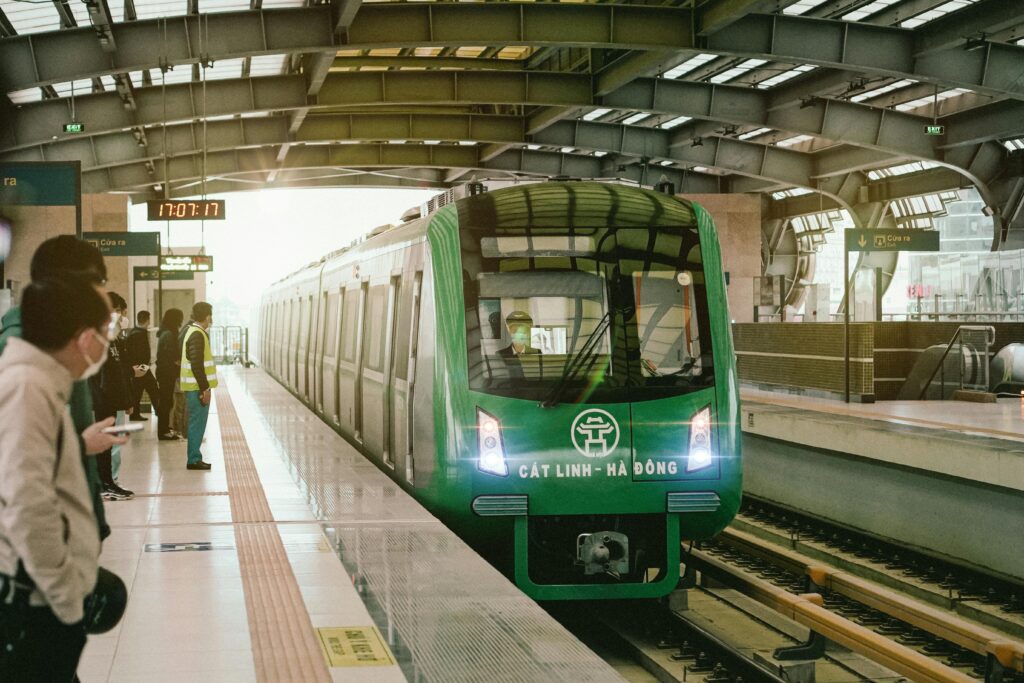
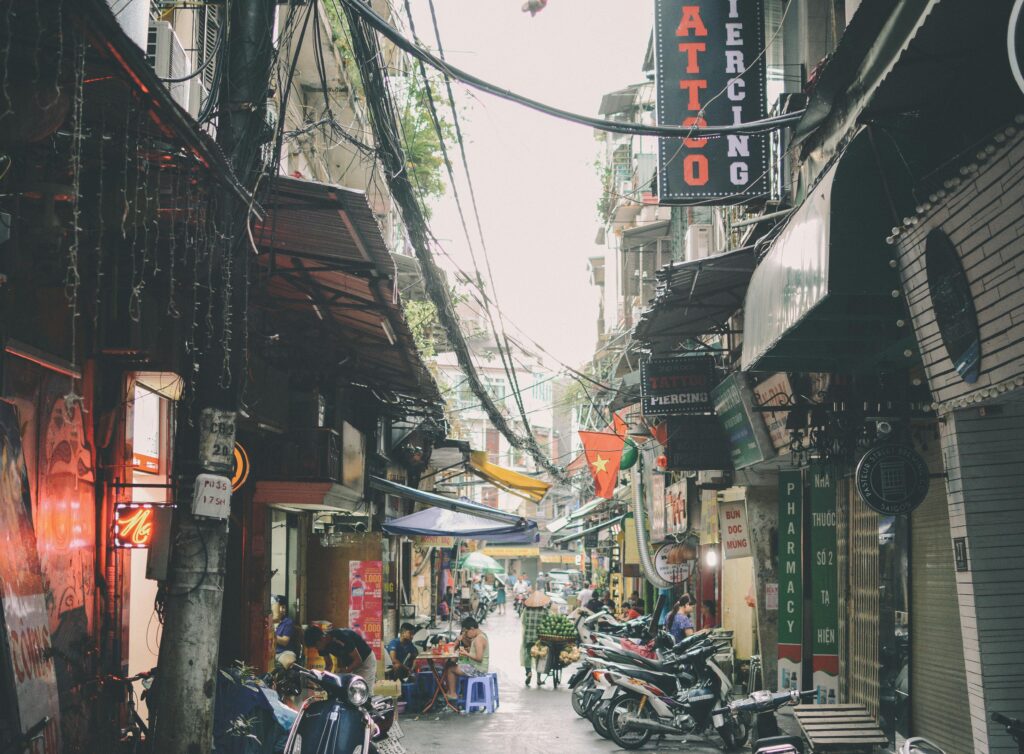
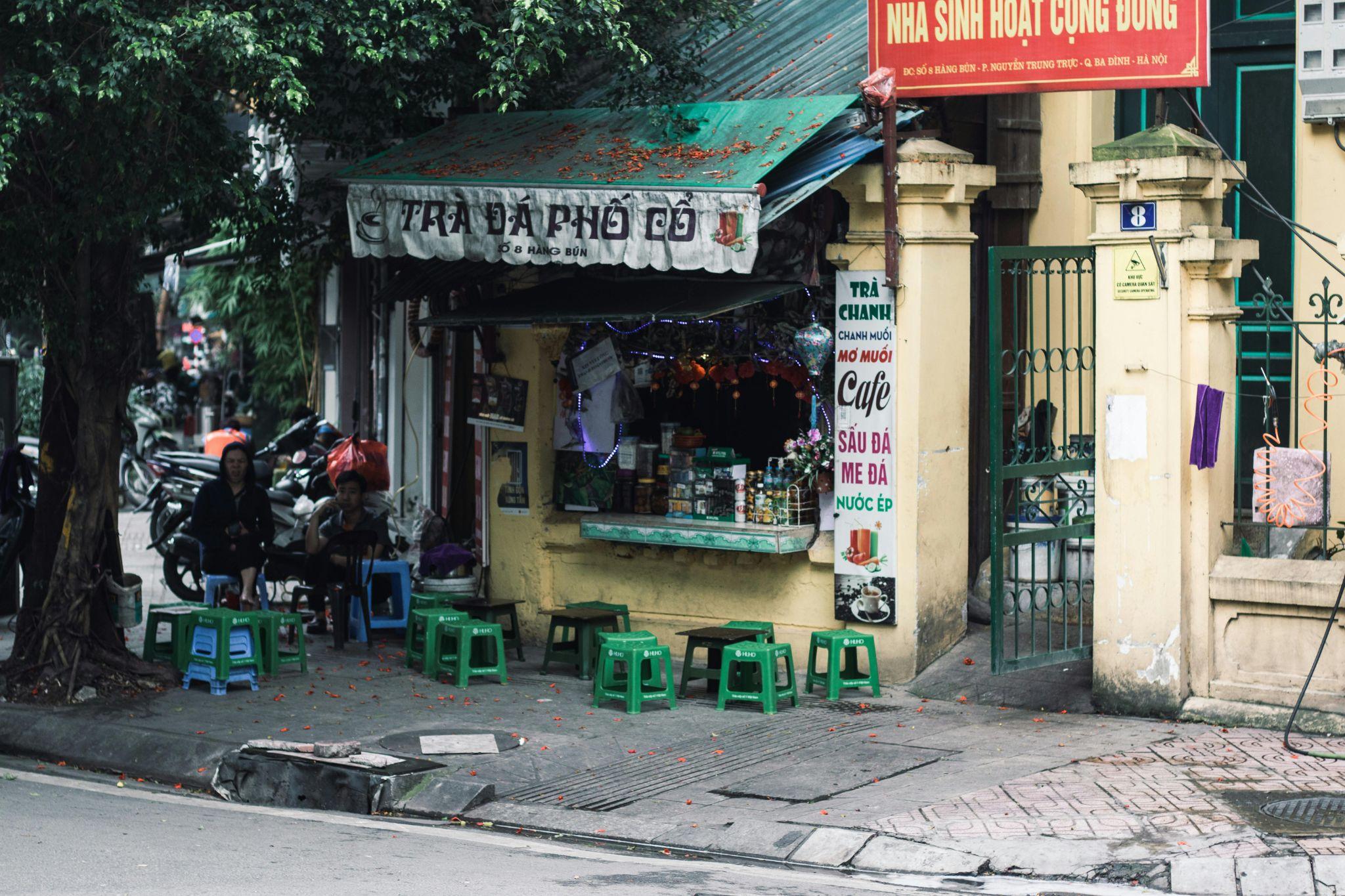
As days stack, spending starts to outline itself more clearly. Transport appears more often, transfers connect destinations, and flights shorten longer routes. Each choice feels practical when it happens, and together they begin to give the budget a more recognizable form.
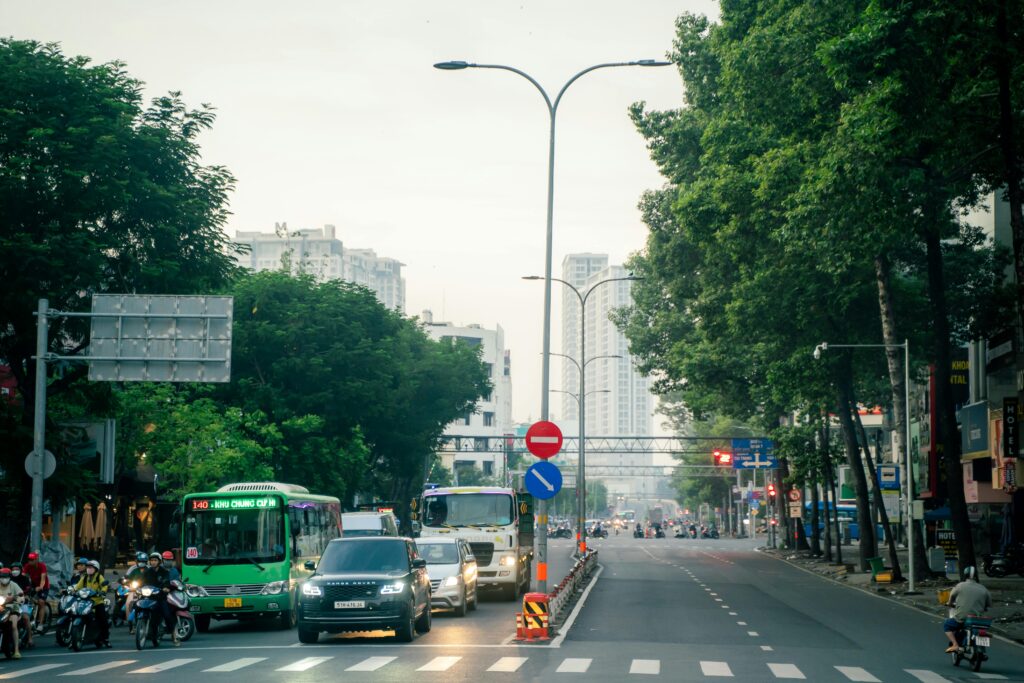
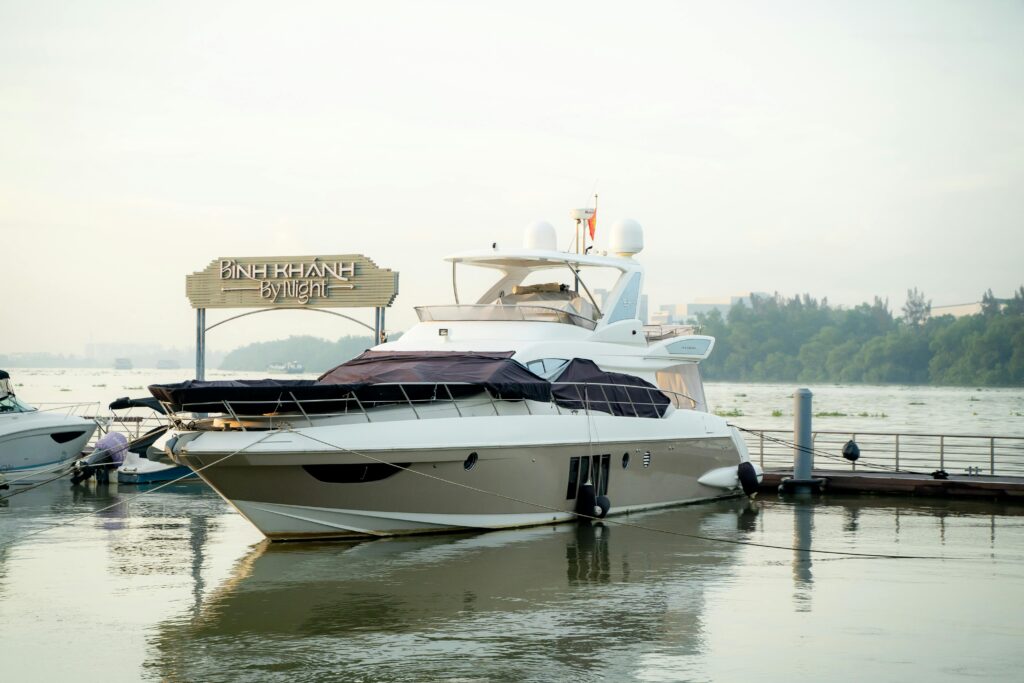
Accommodation settles into the trip in much the same way, with nightly rates feeling steady while location and timing slowly leave their mark. The changes tend to surface only in hindsight, once several stays begin to line up side by side. Activities add to that accumulation, slipping into the days and shaping spending as repetition sets in.
Why Daily Budgets Feel Hard to Read

Vietnam is often discussed through daily spending ranges. In practice, those numbers move as the trip itself moves. Long-distance transport, internal flights, and tours carry more weight when spread across fewer days. Faster itineraries make these changes easier to feel.
Budget clarity forms as the trip slows down, shaped by longer stays and growing familiarity. The budget becomes easier to read once days begin to resemble one another and spending follows a steadier rhythm.
Comfort Choices and Spending Patterns
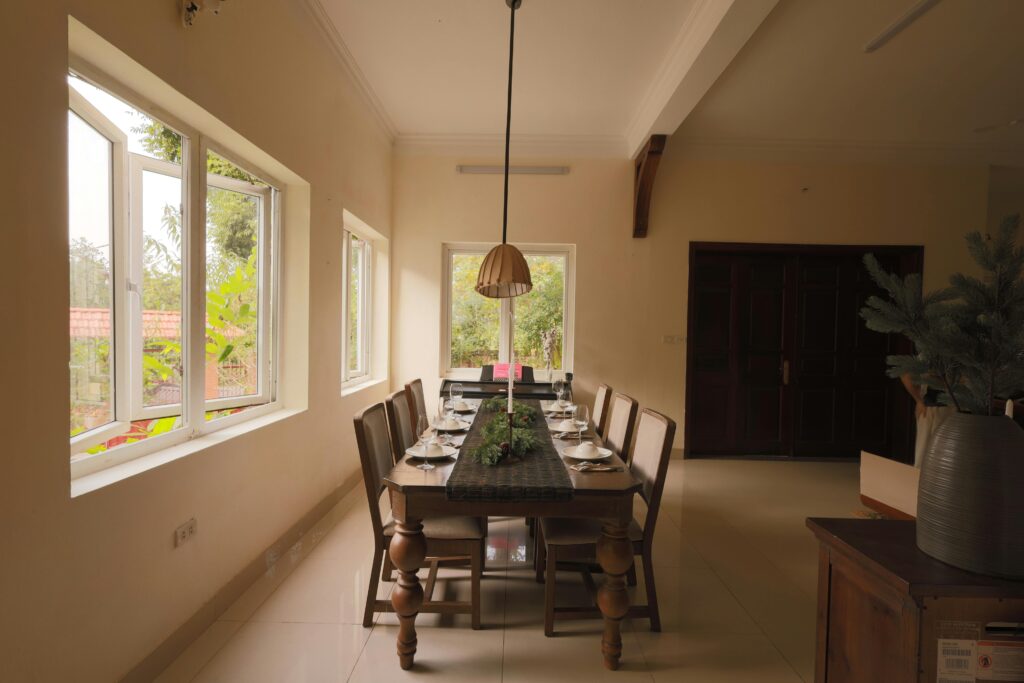
Comfort influences spending in quiet increments. As accommodation improves and convenience becomes easier to reach, costs lift gently, with food and daily choices folding into routines without drawing much attention.
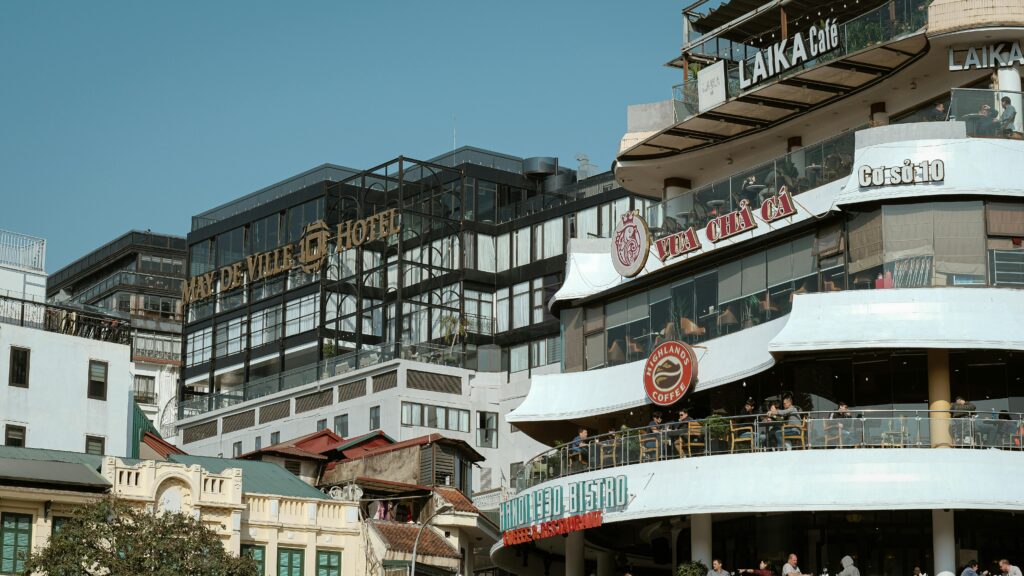
These choices tend to pass without much notice, shaping how the trip feels and how often small expenses return throughout the day. Spending gradually settles around comfort preferences, forming a pattern that carries through the days.
Regional Cost Differences Over Time
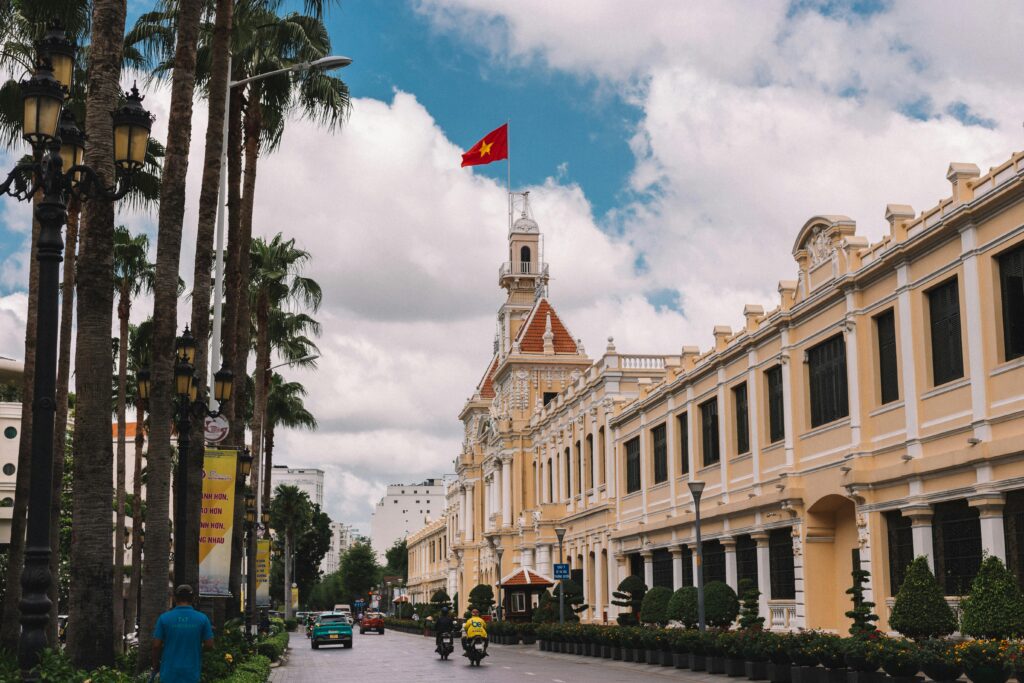
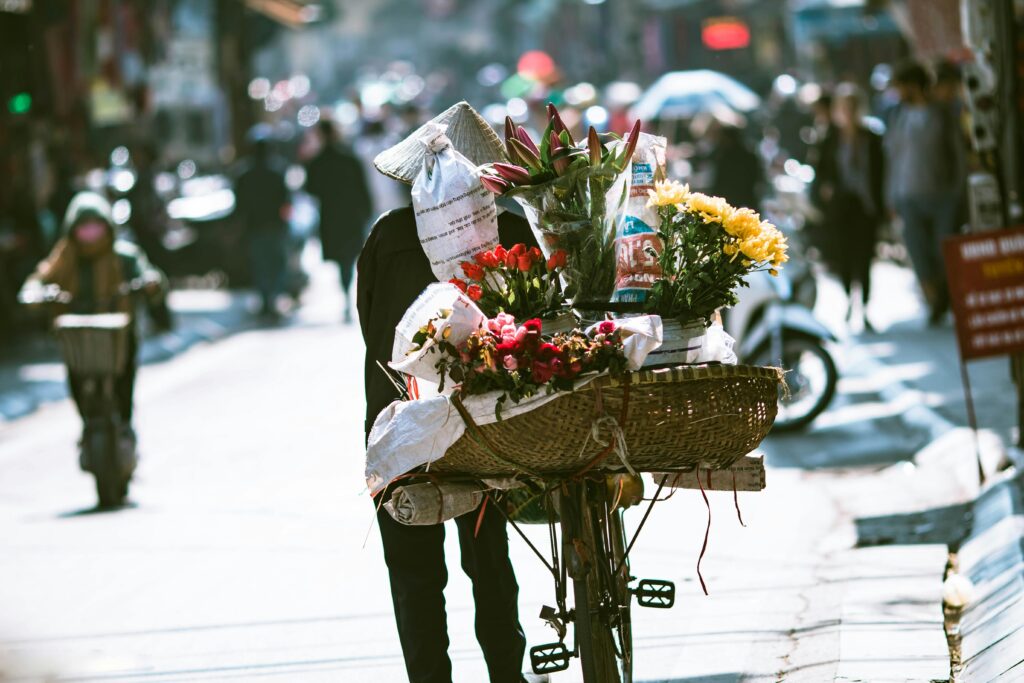
Costs change with geography. As the trip passes through major cities and popular stops, daily averages lift, easing again in smaller towns and inland stretches where repetition sets in. Seasonal demand sharpens these patterns, particularly during holidays. Mixed routes often smooth spending overall, though repeated movement through high-demand areas slowly adds weight to the budget.
The Expenses That Accumulate Quietly
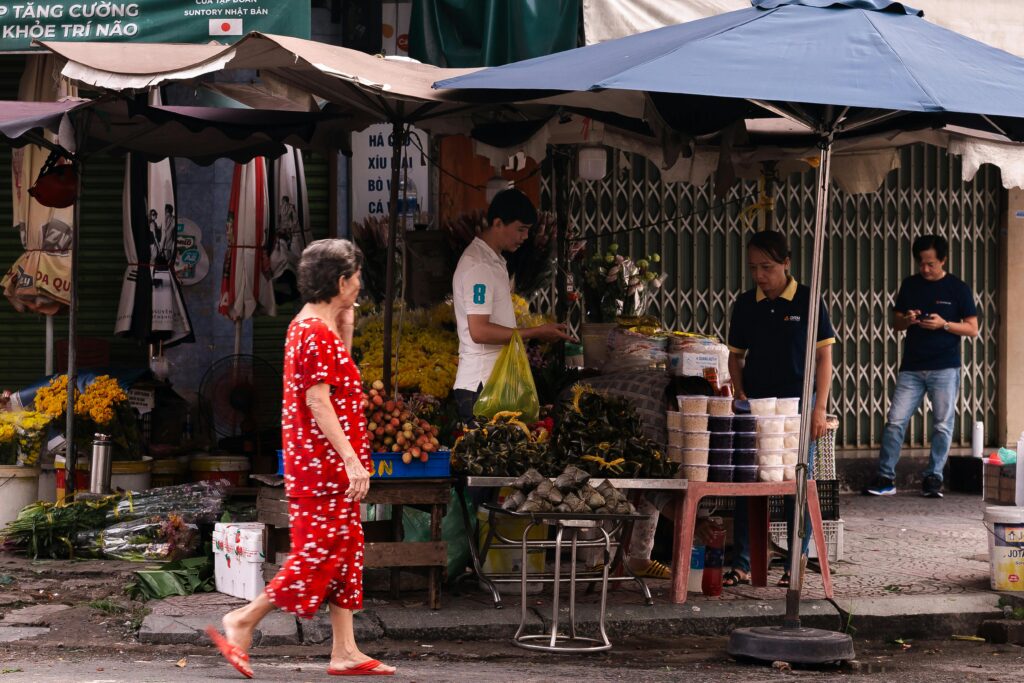
Many Vietnam budgets underestimate costs that stay largely out of sight. As days pass, small, recurring expenses blend into the background and begin to stack, becoming noticeable only once several days sit side by side. Budgets with room to adjust tend to settle more easily as spending gradually evens out.
Letting the Budget Move With the Journey
Vietnam continues to offer strong value across many travel styles. That value holds most clearly when spending aligns with pace. Slower movement, realistic comfort choices, and longer stays allow costs to remain predictable as days pass. Budgeting in Vietnam becomes easier once it reflects how the trip unfolds, rather than how cheap the destination is expected to be.