



Japan offers an extraordinary culinary landscape that draws food enthusiasts from all over the world. From street food stalls to Michelin-starred restaurants, Japan’s food culture is deeply intertwined with its traditions, making it a dream destination for foodies.
Planning a food-centric trip can seem overwhelming, but with the right guidance, you can create an itinerary that highlights the diverse and rich flavors of Japanese cuisine. This guide will help you navigate Japan’s must-visit restaurants, local markets, and unique food experiences to craft a memorable culinary journey.
Understanding Japan’s Culinary Diversity
Japanese cuisine is far more than sushi and ramen. While those are certainly staples, Japan’s food culture is incredibly varied, with each region offering its own specialties. The country’s culinary heritage spans from traditional dishes like tempura and kaiseki (multi-course meal) to modern interpretations of global cuisines.
Understanding Japan’s culinary diversity is the first step in planning a food-focused trip. Depending on your preferences, you can explore street food in Osaka, indulge in high-end sushi in Tokyo, or savor unique regional specialties across the country.
Must-Visit Food Destinations in Japan
Tokyo: The Pinnacle of Sushi and Modern Cuisine


Tokyo is a must-visit destination for any foodie. Known for its sushi, Tokyo boasts some of the world’s finest sushi restaurants, including Sukiyabashi Jiro, which is renowned for its Michelin-starred offerings.
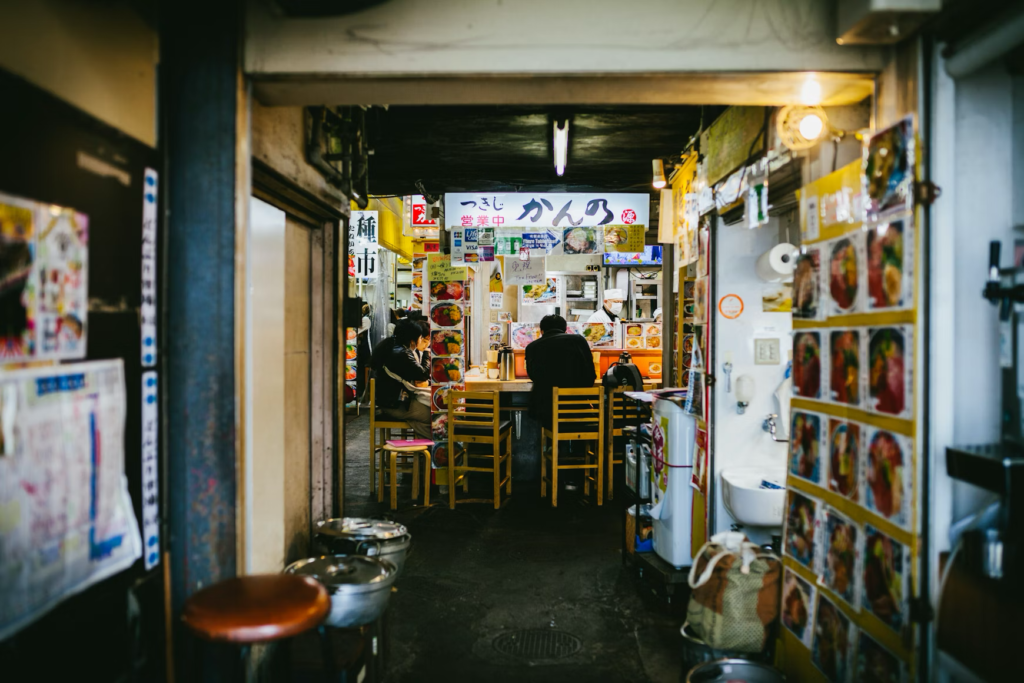
While Jiro’s is a high-end experience, Tokyo is also home to many affordable, top-quality sushi spots. For an authentic sushi experience, visiting Tsukiji Outer Market (now relocated to Toyosu) is an essential stop. This market offers a variety of fresh seafood, sushi bars, and street food stalls where you can sample everything from uni (sea urchin) to maguro (tuna).

Beyond sushi, Tokyo is also known for its vibrant food scene, including the delicious ramen found in areas like Shinjuku and Ikebukuro, where ramen shops serve their own takes on this iconic noodle dish. A visit to Ramen Museum in Osaka is another exciting way to explore the many variations of ramen across Japan.
Osaka: The Street Food Capital of Japan
Osaka is famous for its takoyaki (octopus balls), okonomiyaki (savory pancakes), and kushikatsu (deep-fried skewers), and it’s widely regarded as the street food capital of Japan.

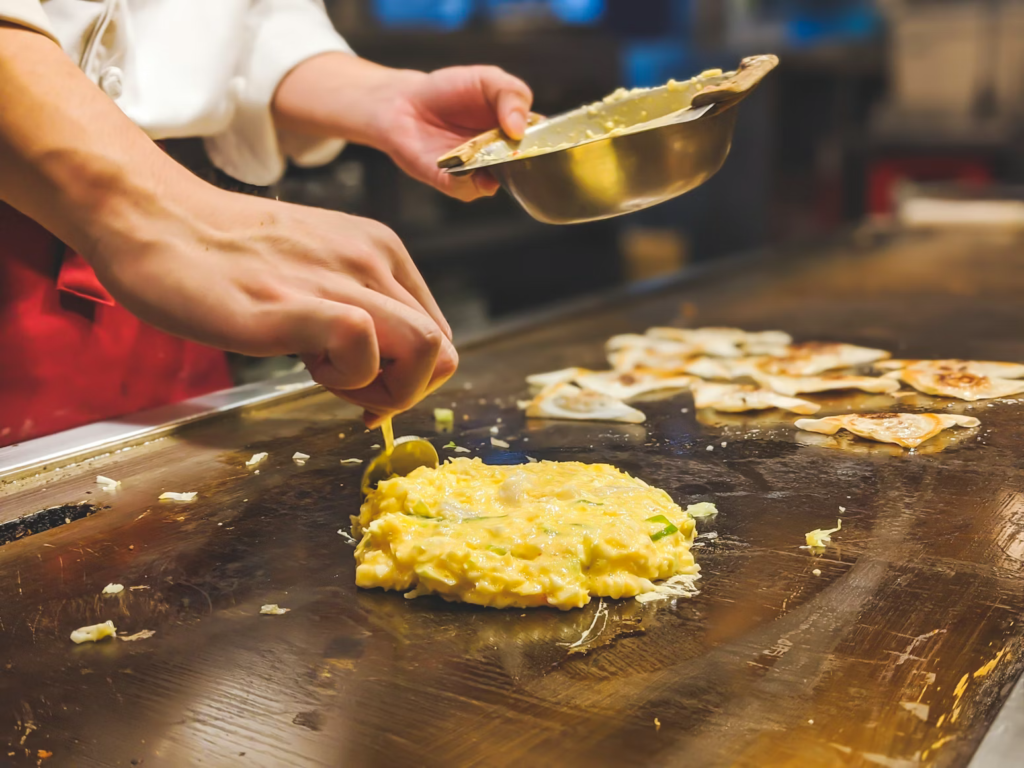
Dotonbori, a famous entertainment district in Osaka, is packed with street food stalls and casual eateries where you can try these specialties. The bustling atmosphere here enhances the culinary experience, allowing you to sample fresh, hot takoyaki or crispy okonomiyaki while walking along the canal.
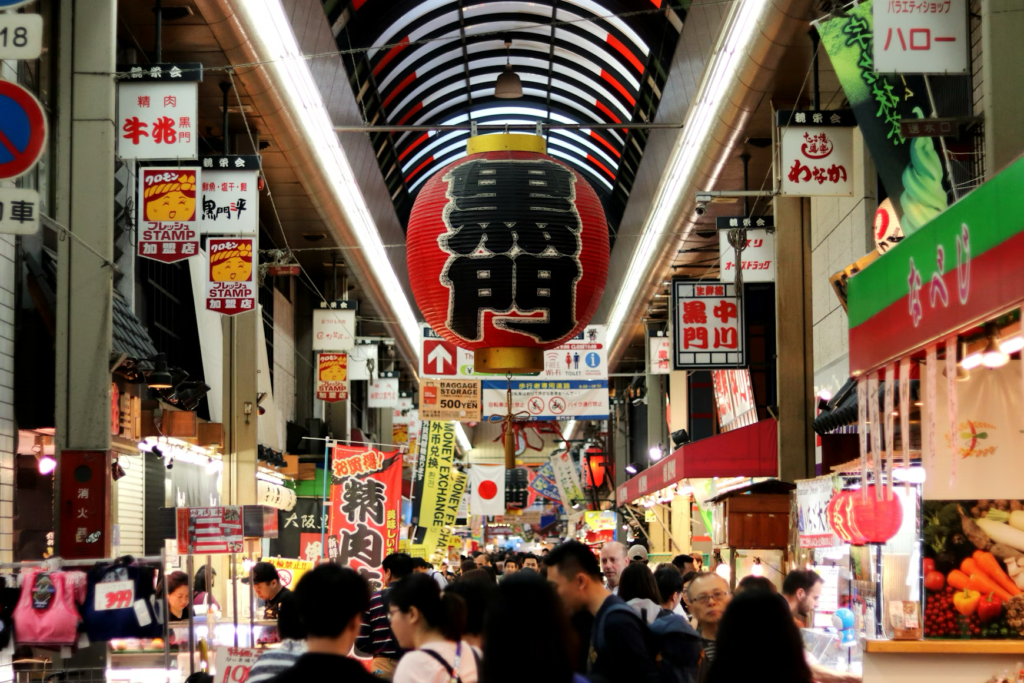
For a more immersive experience, consider joining a street food tour in Osaka to get a taste of local delicacies while learning about their cultural significance. Local markets like Kuromon Ichiba Market also offer a diverse range of fresh produce, seafood, and traditional snacks, perfect for wandering and tasting.
Kyoto: Traditional Kaiseki and Matcha Delights
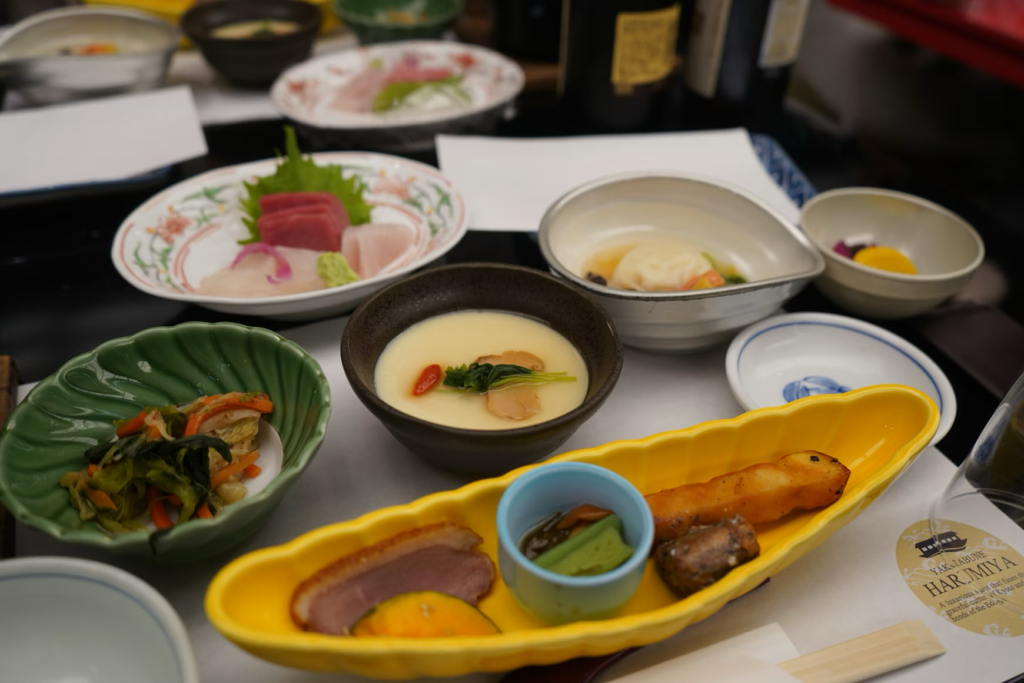
Kyoto is the center of Japan’s traditional food culture, especially known for its kaiseki cuisine: an elegant multi-course meal that emphasizes seasonal ingredients. Many kaiseki restaurants are located in historic ryokan (traditional inns) or set against scenic backdrops like Kiyomizu-dera. Dining at one of these establishments allows you to experience not only the food but also the ambiance of old Kyoto.

Kyoto is also famous for its matcha (green tea) culture. The city’s Uji district, located just outside Kyoto, is known for producing some of the finest matcha in Japan. You can enjoy matcha sweets such as matcha ice cream, cakes, and even matcha-flavored noodles at various tea houses in Kyoto. Visiting Nishiki Market is also highly recommended for tasting traditional Kyoto-style dishes and snacks like yudofu (tofu hot pot) and pickled vegetables.
Fukuoka: Ramen and Fresh Seafood on the Island of Kyushu
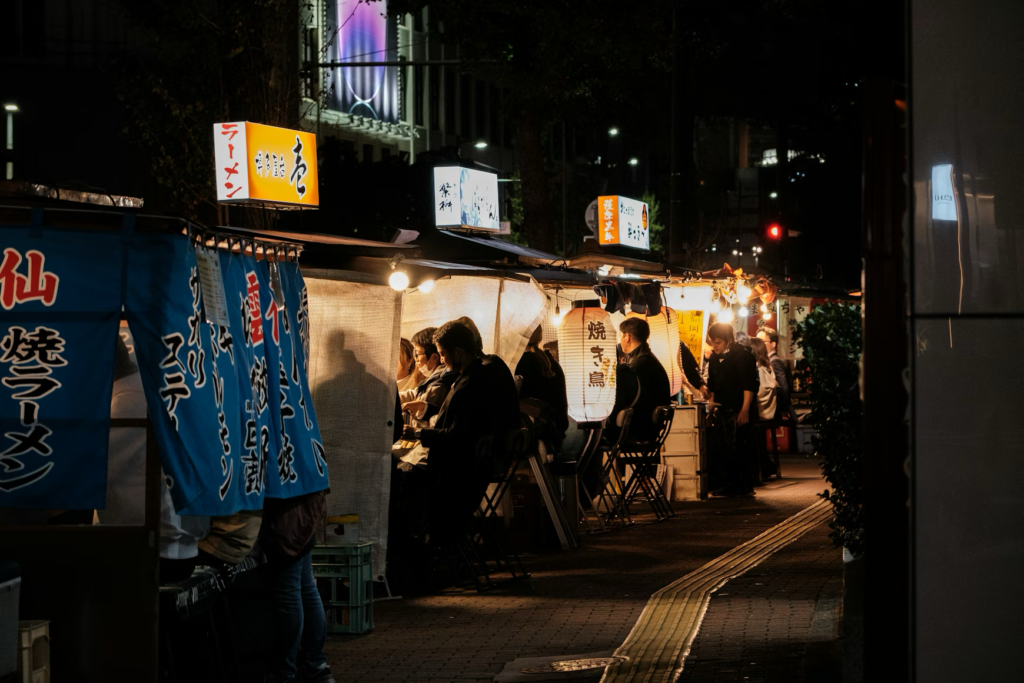
Fukuoka, located on the island of Kyushu, is known for its rich food culture. The city’s most famous dish is tonkotsu ramen, a rich and flavorful noodle soup made with a pork bone broth. Hakata Ramen, found in Fukuoka’s bustling food stalls known as yatai, is one of the most iconic variations of ramen in Japan. A trip to Fukuoka wouldn’t be complete without visiting one of these outdoor ramen stalls to enjoy a bowl of ramen under the stars.
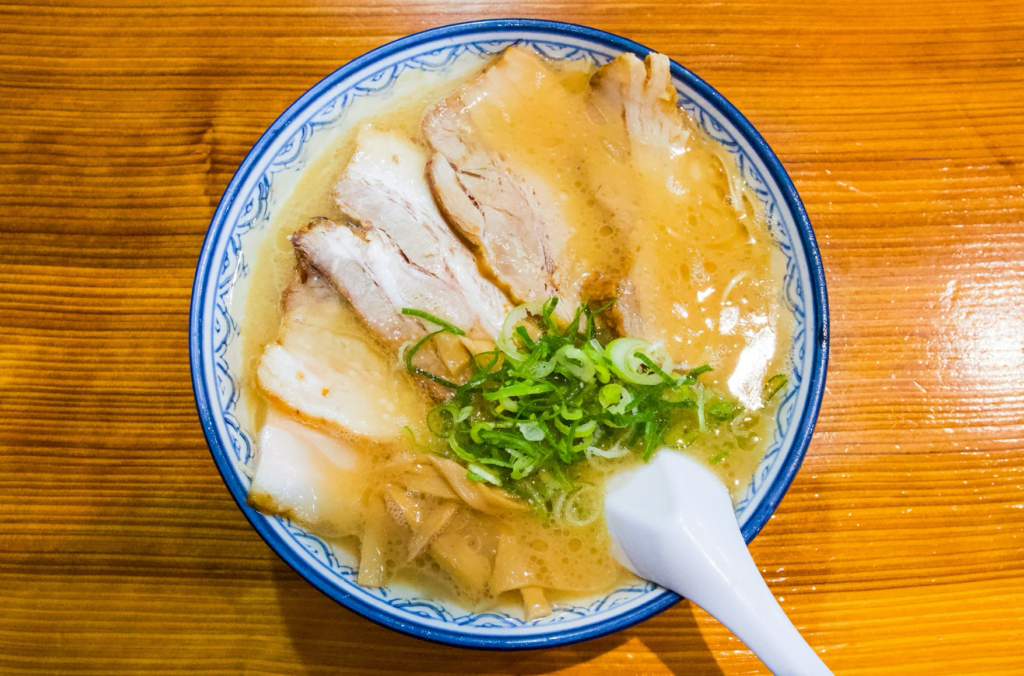
Fukuoka is also renowned for its seafood, particularly mackerel and squid, and its proximity to the sea makes it a prime location to enjoy fresh fish. The Yanagibashi Rengo Market is a great place to sample local fish and pick up ingredients for your own culinary adventure.
Hokkaido: Seafood, Dairy, and Ramen in the North

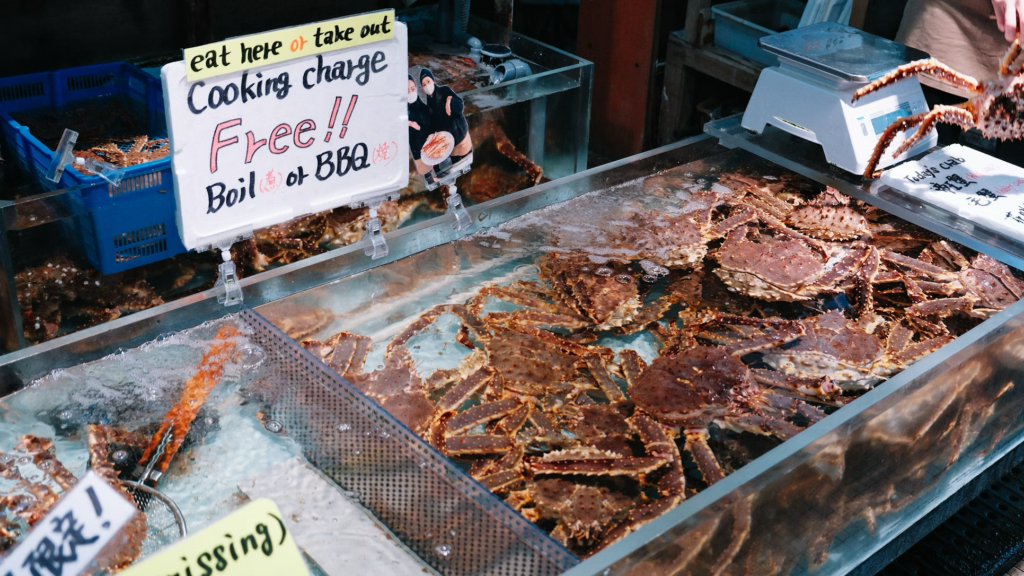
Hokkaido, Japan’s northernmost island, is famous for its seafood, especially crab, salmon roe, and sea urchin. The island is also known for its rich dairy products, such as fresh milk and cheese, and its potatoes. A visit to Otaru or Hakodate markets will reward you with the freshest seafood you can imagine, often served at sushi counters right by the ocean.
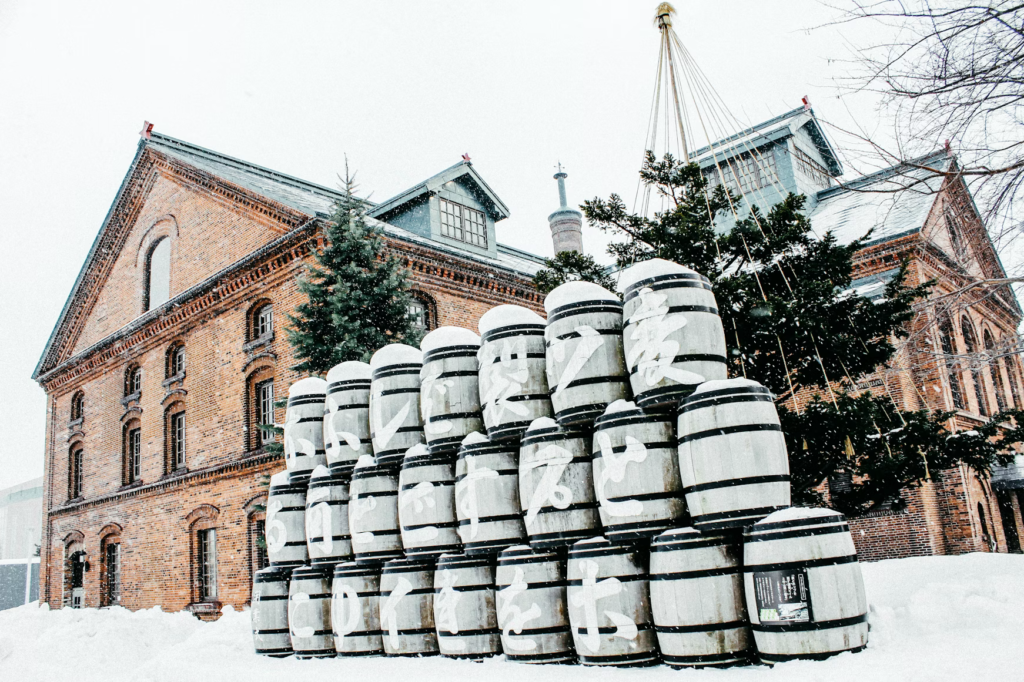
Hokkaido also has a unique style of ramen, characterized by a rich, miso-based broth. The city of Sapporo is the birthplace of this style, making it a must-visit for ramen enthusiasts. After a hearty meal, you can also visit Sapporo Beer Museum to learn about the region’s brewing history while sampling the local brews.
Nagoya: Hitsumabushi and Miso-Centric Dishes
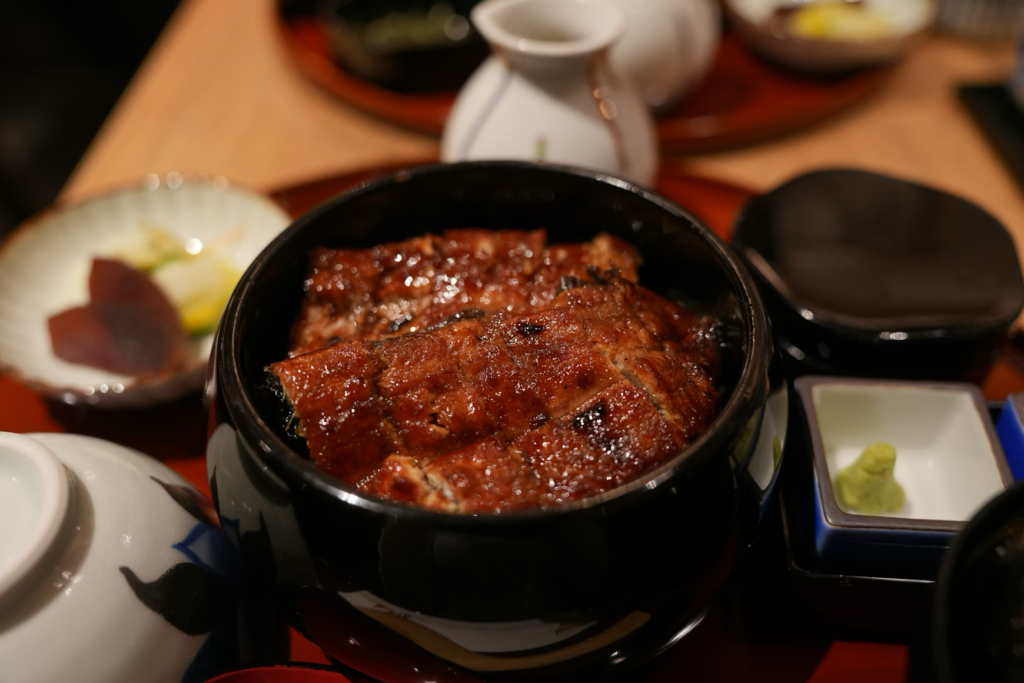
Nagoya, located in the Chubu region, is known for its unique takes on traditional Japanese dishes. One must-try dish here is hitsumabushi, a flavorful grilled eel served over rice. You can enjoy it in a variety of ways, such as served as a whole, or mixed with condiments and broths for different tastes. Local markets, like Osu Kannon, offer a range of options to taste Nagoya’s most beloved specialties, including miso katsu (a local take on tonkatsu) and tenmusu (shrimp tempura rice balls).

Yokohama: The International Food Hub
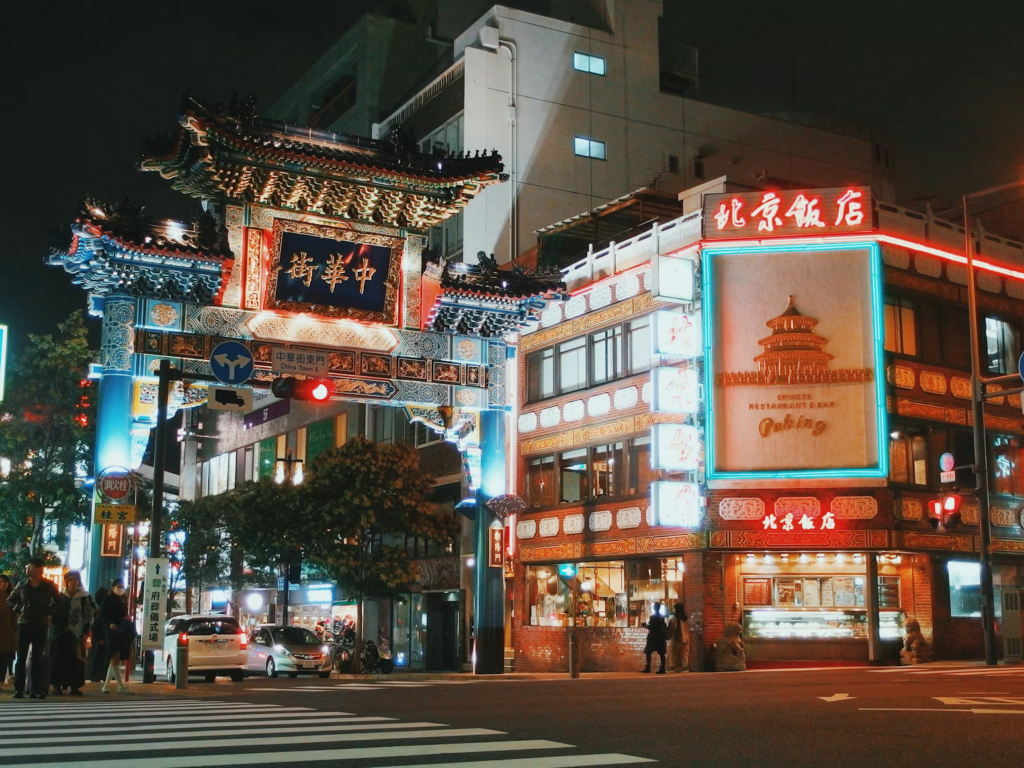
Yokohama, located just outside of Tokyo, is an exciting place for food lovers. Its diverse food culture stems from its long history as a port city. Known for its Chinese cuisine, Yokohama’s Chinatown is one of the largest in the world, offering a wide variety of authentic Chinese dishes and dim sum. The Yokohama Ramen Museum also highlights the region’s influence on ramen culture, with several ramen shops serving different regional styles of the dish.
Local Markets: A Foodie’s Paradise
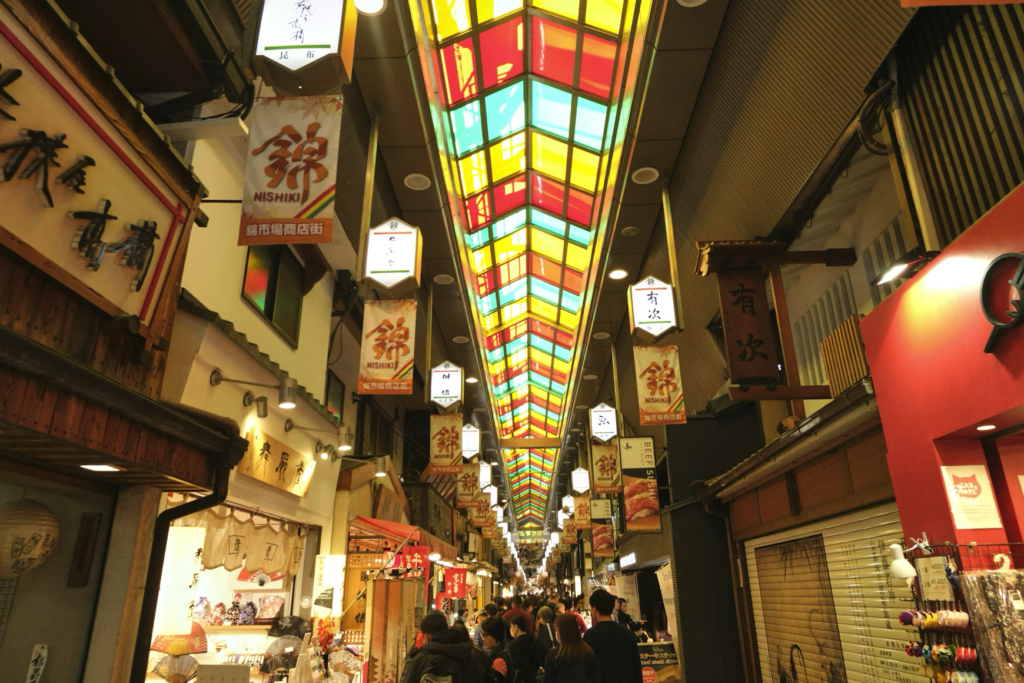
Exploring local markets is an essential part of the food lover’s journey in Japan. Markets like Tsukiji Outer Market in Tokyo, Kuromon Ichiba in Osaka, and Nishiki Market in Kyoto offer visitors the opportunity to explore a wide array of fresh ingredients, seafood, street foods, and traditional products.
These markets not only provide a chance to sample food on the go but also to understand the local food culture and interact with vendors. Whether it’s trying fresh sushi, picking up unique ingredients, or discovering local sweets, the atmosphere of these markets adds another layer to your culinary experience.
Final Thoughts on Planning Your Foodie Trip to Japan

Japan’s culinary scene is as diverse as it is rich, offering travelers the chance to explore regional specialties, modern fusion dishes, and timeless traditional meals. Whether you’re enjoying the freshest sushi in Tokyo, savoring ramen in Fukuoka, or exploring Kyoto’s kaiseki, every meal is a cultural experience.
To make the most of your trip, plan your culinary journey around the key destinations mentioned in this guide, ensuring you experience a range of flavors from different parts of Japan. It’s also important to balance iconic food experiences with regional specialties to immerse yourself fully in Japan’s food culture. By prioritizing both famous and lesser-known food destinations, your trip will offer a taste of Japan’s culinary diversity and heritage.
