



South Korea is a safe destination with modern infrastructure, low crime rates, and a welcoming culture. However, like any international travel, it’s important to remain vigilant and prepared. Whether you’re a solo traveler, visiting with family, or exploring South Korea’s vibrant cities, following key safety guidelines can help you navigate your trip with confidence. This article provides essential safety tips for traveling in South Korea, covering general safety, health precautions, and practical advice to ensure a smooth and secure experience.
General Safety in South Korea: A Safe Destination

South Korea is one of the safest countries to visit, with low crime rates and well-maintained public spaces. However, staying aware of your surroundings and practicing common-sense safety habits will enhance your trip.
Crime in South Korea: What You Need to Know
While violent crime is rare, petty theft and scams can occur, particularly in crowded tourist areas. Pickpocketing isn’t common, but it’s still wise to secure your belongings in busy places like markets, subway stations, and tourist attractions. Always keep your wallet or valuables in a front pocket or a zippered bag.
Fraudulent activities, such as taxi scams or being overcharged by street vendors, are also something to be aware of. Stick to official taxis or use apps like Kakao T for a safe and reliable transportation option. If you’re uncertain about a price or service, don’t hesitate to ask a local or check online reviews before committing.
Personal Safety in Public Spaces

South Korea is generally safe to explore at night, especially in major cities like Seoul. However, as with any big city, it’s important to remain cautious when walking in poorly lit areas or unfamiliar neighborhoods. Avoid dark alleyways and isolated streets, particularly after midnight, even though the overall crime rate is low.
For solo travelers, especially women, public spaces like cafes, parks, and restaurants are usually safe. However, being cautious when navigating nightlife areas is recommended. Some districts, such as Itaewon and Gangnam, are known for bustling nightlife, where scams may be more common. Stick to reputable clubs or bars, and always keep an eye on your drink.
Health and Medical Safety: Stay Prepared
Although South Korea is known for its high-quality healthcare, it’s important to be proactive about health and medical preparedness.
Health Precautions and Vaccinations
Before traveling to South Korea, make sure you’re up-to-date on routine vaccinations. In addition, consider vaccinations for diseases like Hepatitis A, Hepatitis B, and Typhoid, which are common travel-related concerns. Check with your doctor to determine if any additional vaccinations are recommended based on your personal health profile.
The air quality in South Korea can sometimes be a concern, particularly during the winter and spring months due to yellow dust (Korean sandstorms). If you have respiratory issues, consider wearing a mask when spending time outdoors, especially in areas with heavy pollution or dust.
Accessing Medical Care in South Korea
South Korea’s healthcare system is robust, and English-speaking medical professionals are available at many major hospitals, especially in cities like Seoul. In case of illness or injury, you can visit large hospitals like Seoul National University Hospital or Samsung Medical Center, which provide excellent care and international services.
If you need urgent care, dial 1339 for emergency services. Pharmacies are widely available, and many carry basic medications, though more specialized treatment may require a visit to a hospital.
Travel insurance that includes health coverage is recommended for any trip abroad. Ensure your plan covers medical evacuation and emergencies, especially if you plan to explore more remote regions of South Korea.
Transportation Safety: Navigating South Korea’s System
Public Transportation: The Subway and Buses
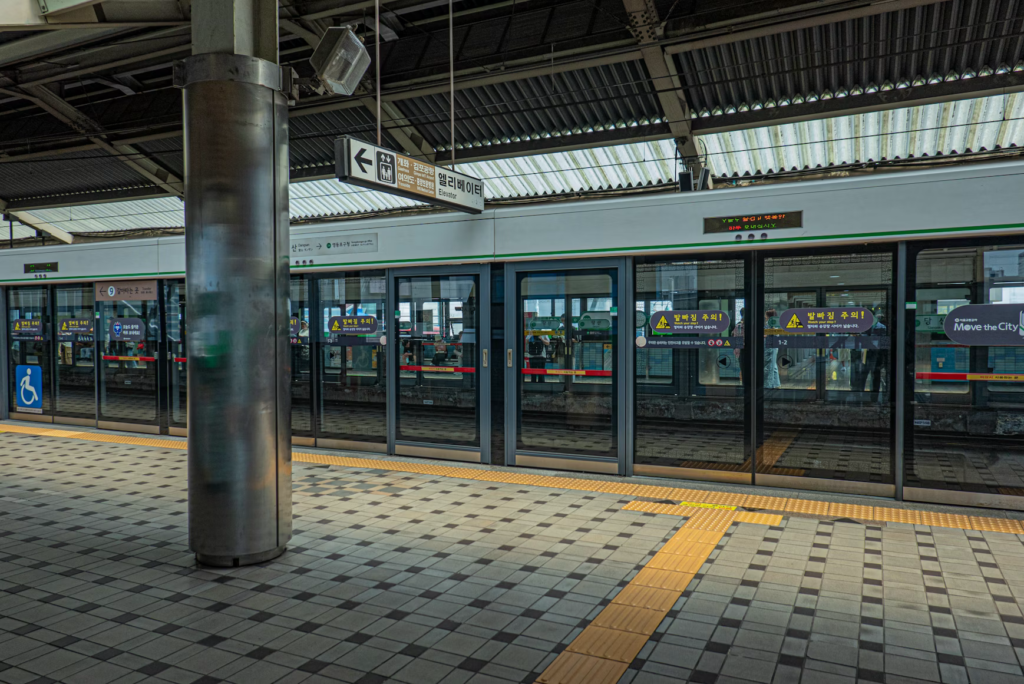
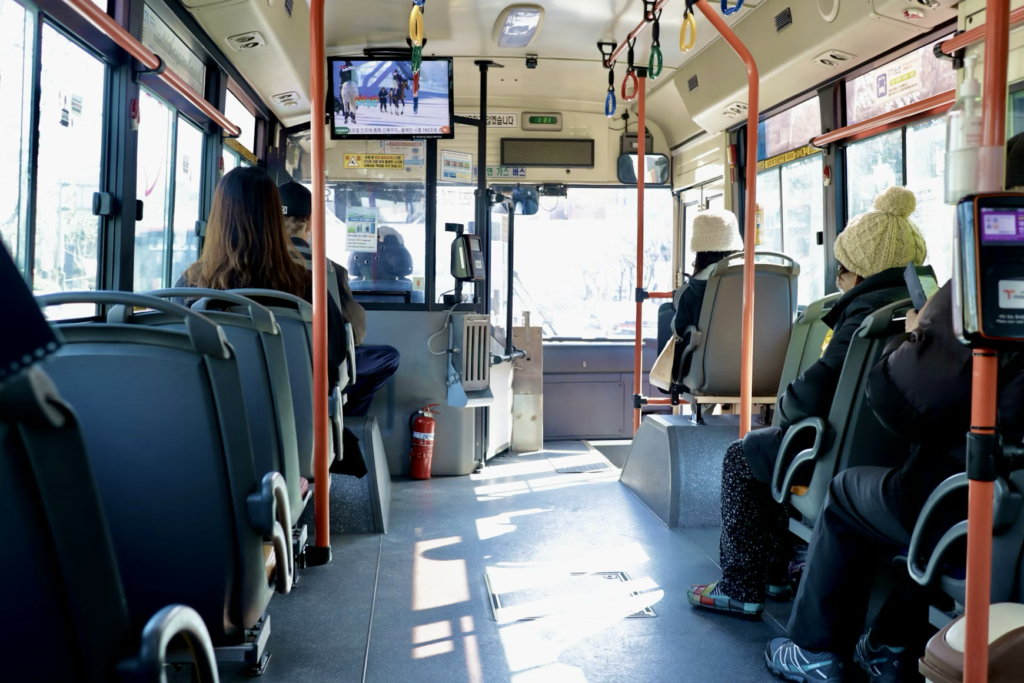
The Seoul Metropolitan Subway system is clean, safe, and easy to navigate, with announcements and signs in English. Keep your belongings close to you while on the subway, especially during rush hour, as crowded spaces can provide opportunities for theft. Avoid standing too close to the edge of the platform, as trains arrive quickly and there’s a risk of accidents.
In addition to the subway, buses are another common mode of transport. South Korea’s buses are generally safe, though it’s important to check the bus route and make sure it’s heading to your desired destination.
Taxi and Ride-Sharing Services
Taxis in South Korea are generally safe, but it’s best to use official, registered taxis or ride-sharing services like Kakao T, which is widely used by locals. Be cautious of unmarked taxis, especially in tourist areas, as some may overcharge or provide subpar services.
Using Kakao T or T-map Taxi apps is convenient and ensures you are using a trusted service. It’s also worth knowing the approximate fare before getting into a taxi by checking a fare estimator app.
Road Safety
If you’re planning on renting a car, keep in mind that South Korea’s driving culture can be fast-paced, particularly in urban areas. However, South Korea has strict traffic laws, and the road system is well-maintained. Always wear your seatbelt and be aware of speed limits, especially in rural areas where roads can be less well-marked.
Dealing with Natural Hazards: Weather and Natural Disasters
Typhoons and Heavy Rain
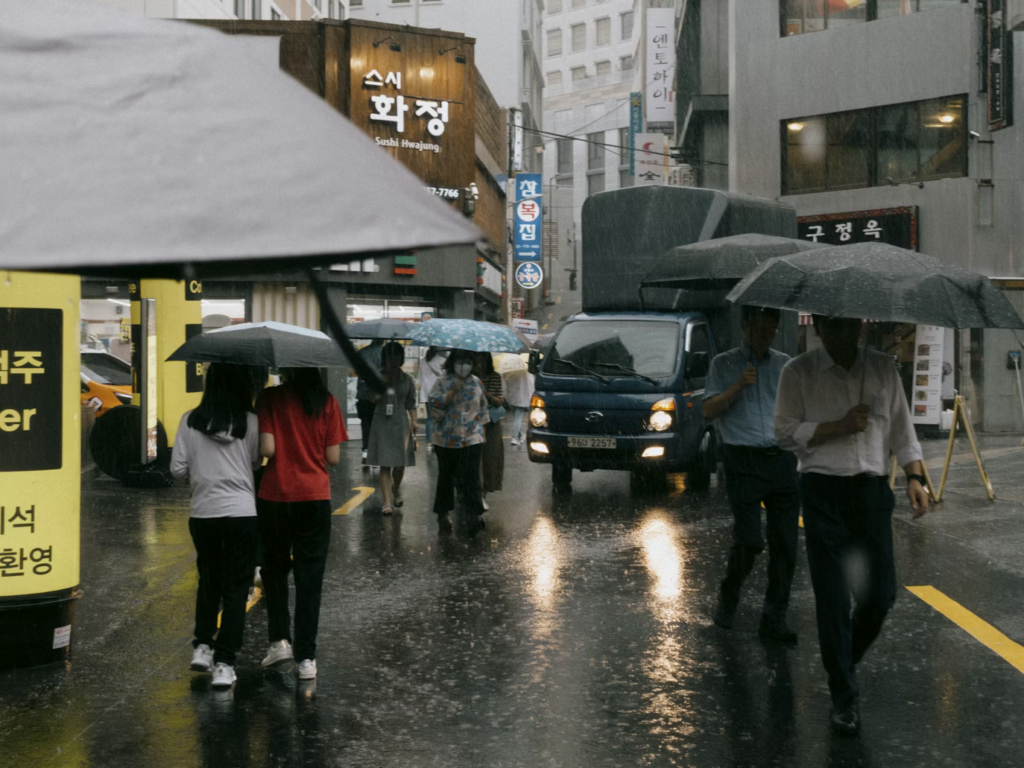
Typhoon season typically occurs between June and August. During this time, South Korea may experience heavy rainfall and strong winds, particularly in coastal areas. If you’re traveling during this season, it’s important to stay updated on weather forecasts and avoid traveling to areas affected by severe weather conditions.
In case of a typhoon or severe storm, follow local authorities’ instructions and seek shelter in safe areas, such as well-constructed buildings or hotels. It’s also a good idea to have access to emergency supplies like water and food.
Winter Weather
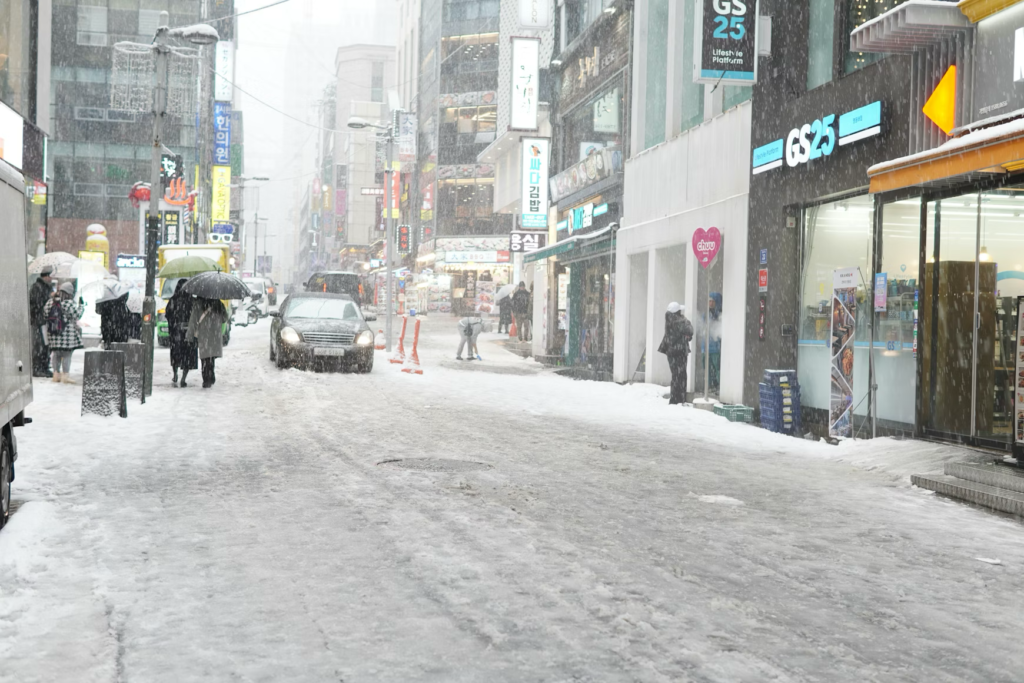
During winter (December to February), temperatures in South Korea can drop significantly, especially in northern and mountainous regions. Snow is common, which can affect road conditions and transportation. If you plan to travel to the mountains, ensure you have appropriate clothing and check weather conditions regularly for any potential disruptions to travel.
Cultural Sensitivity: Respecting Local Customs
Understanding South Korea’s cultural norms can help you avoid misunderstandings and ensure a respectful experience. South Koreans are generally friendly and welcoming to tourists, but being aware of key customs can make your visit smoother.
Social Etiquette
When meeting people, it’s customary to greet with a slight bow, especially in formal settings. Address others by their title and family name rather than using first names, as this shows respect. If you’re visiting temples or religious sites, dress modestly and be mindful of noise levels. Avoid taking photos in restricted areas and always ask for permission before photographing people.
Dining Etiquette
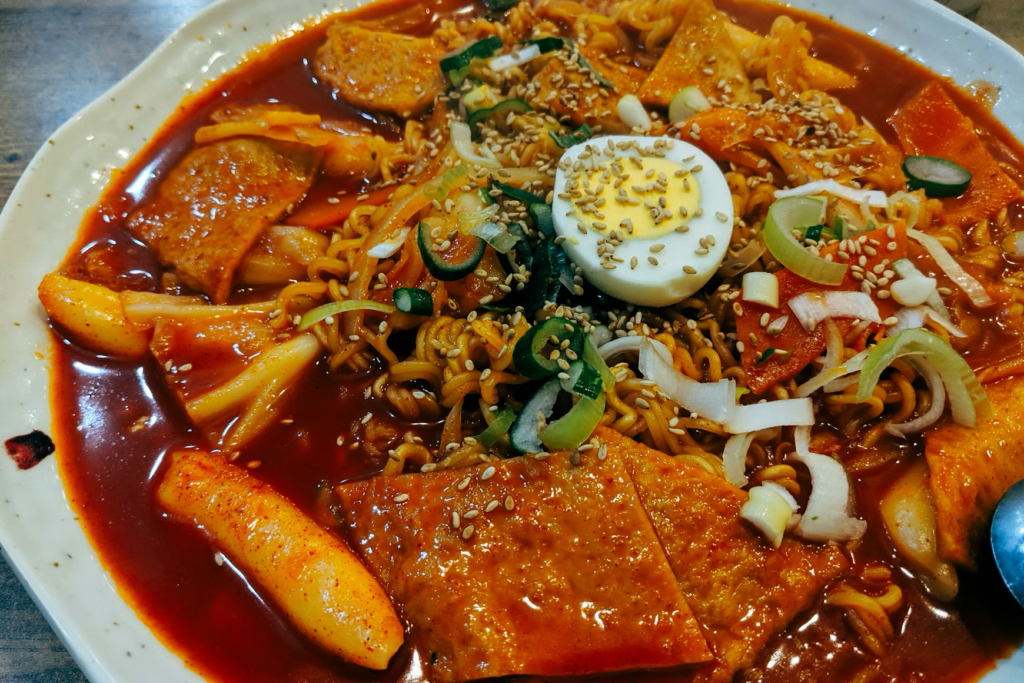
South Koreans take their food culture seriously, and dining etiquette is an important part of their traditions. Wait for the eldest or most senior person to start eating before you begin your meal. If you’re offered food, it’s polite to accept, even if you don’t feel hungry.
Prohibited Items and Behavior
Be aware of local laws and avoid bringing prohibited items into South Korea, such as pornography, certain medications, and items deemed offensive to local values. South Korea also has strict laws regarding drugs, and possession of even small amounts can result in severe penalties.
Conclusion: Stay Safe and Confident in South Korea
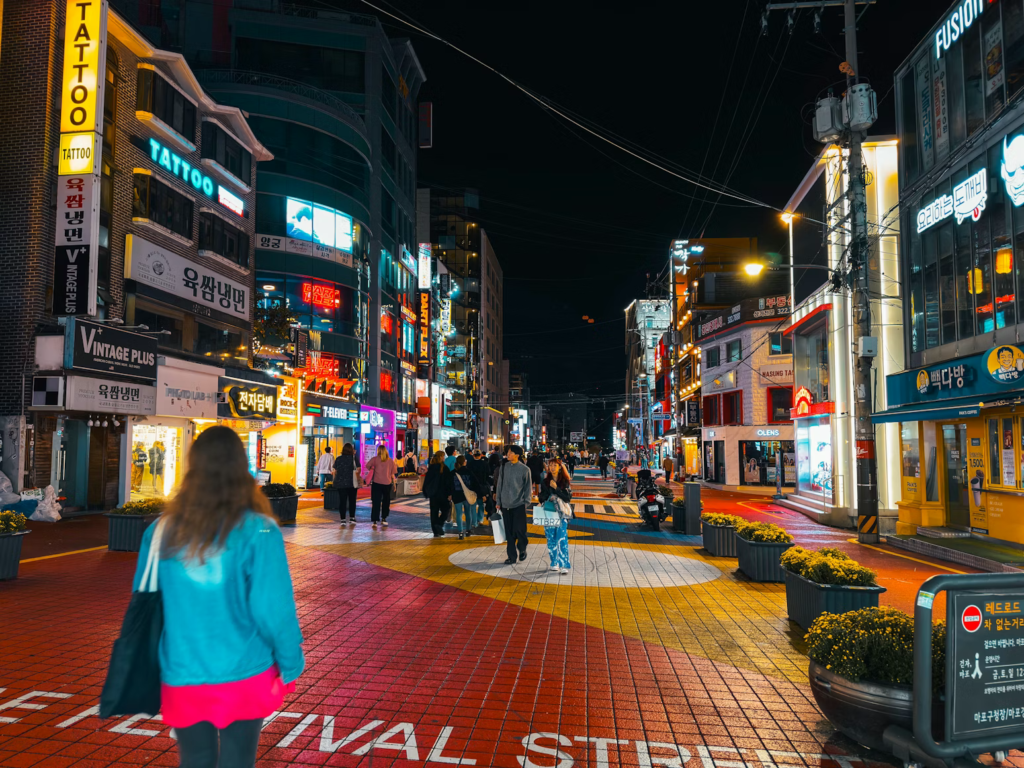
South Korea is an incredibly safe country for travelers, offering a rich cultural experience with modern amenities and excellent infrastructure. By following basic safety guidelines, such as securing your belongings, using reliable transportation, staying informed about local weather, and respecting cultural norms, you can confidently enjoy your trip.
Preparation and awareness are key to ensuring a smooth experience, allowing you to immerse yourself fully in South Korea’s vibrant culture while minimizing potential risks. With a little planning, you can enjoy all that South Korea has to offer with peace of mind and confidence.
