
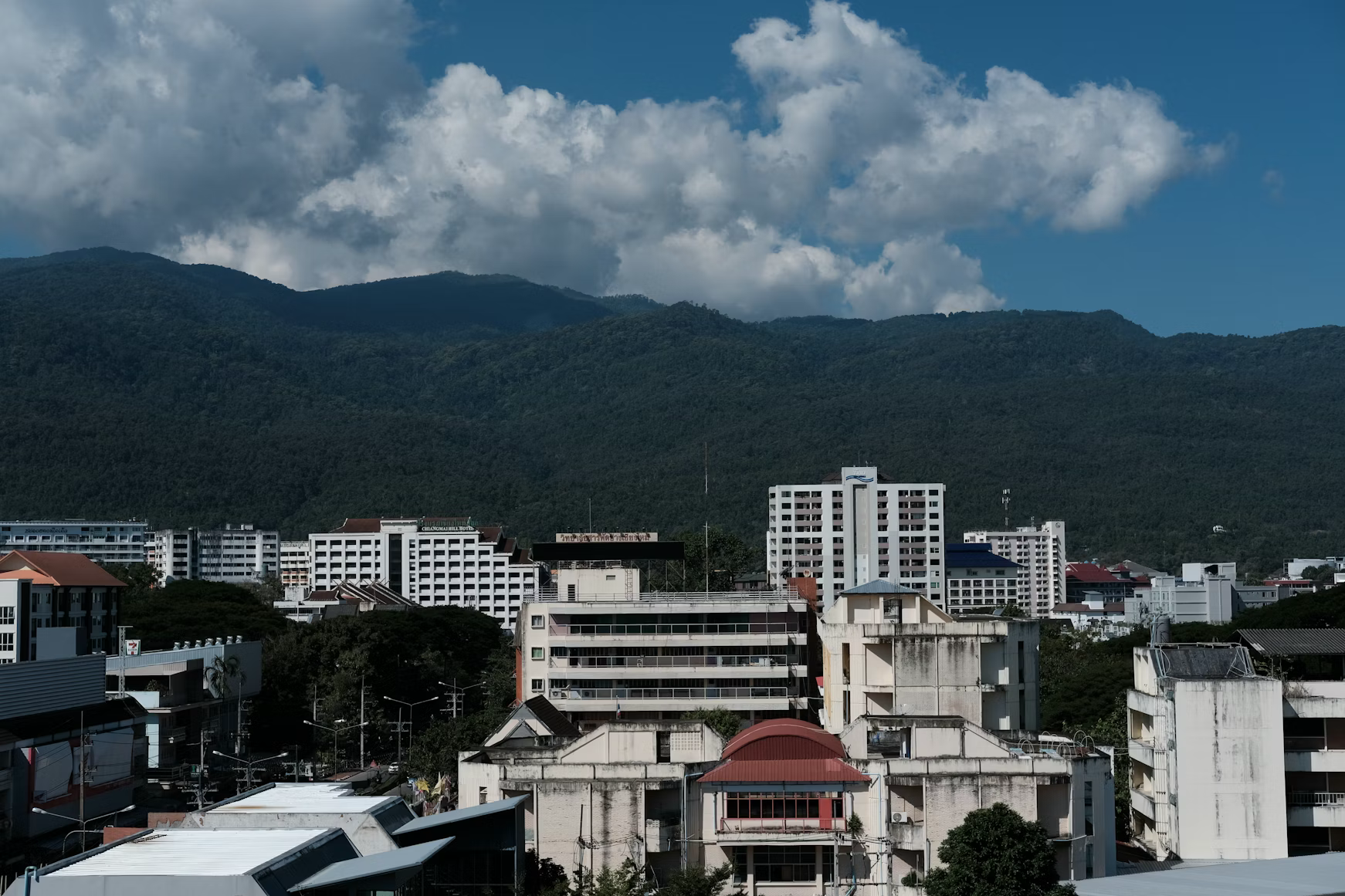
Getting from Bangkok to Chiang Mai is easy, and you have four realistic options: a 1 hour 15 minute flight, an overnight sleeper train, a long-distance bus or a private car. Flying is the fastest, the train is the classic experience, and the bus is the cheapest. Below, we compare travel time, prices, departure points and booking tips so you can pick the right way to cover the roughly 700 km between Thailand’s capital and its northern hub.
Bangkok to Chiang Mai at a Glance
| Option | Travel time | Typical price (one way) | Leaves from | Best for |
|---|---|---|---|---|
| Flight | About 1h 05m – 1h 20m in the air | From about ฿1,400 (around US$40) booked ahead | Don Mueang (DMK) or Suvarnabhumi (BKK) | Short trips, saving time |
| Sleeper train | About 10.5 – 14 hours | About ฿1,000 – 1,100 (US$30 – 32) for a 2nd class berth | Krung Thep Aphiwat Central Terminal | Saving a night’s hotel, a memorable ride |
| Bus | About 9 – 11 hours | About ฿500 – 900 (US$15 – 27); VIP coaches cost more | Mo Chit (Northern Bus Terminal) | Lowest cost, last-minute travel |
| Private car | About 8 – 10 hours | Around US$230+ per vehicle | Your hotel | Groups, families, stops along the way |
Prices were checked in September 2026 and change with season and demand. Always confirm on the booking page before you pay.
Bangkok to Chiang Mai by Plane
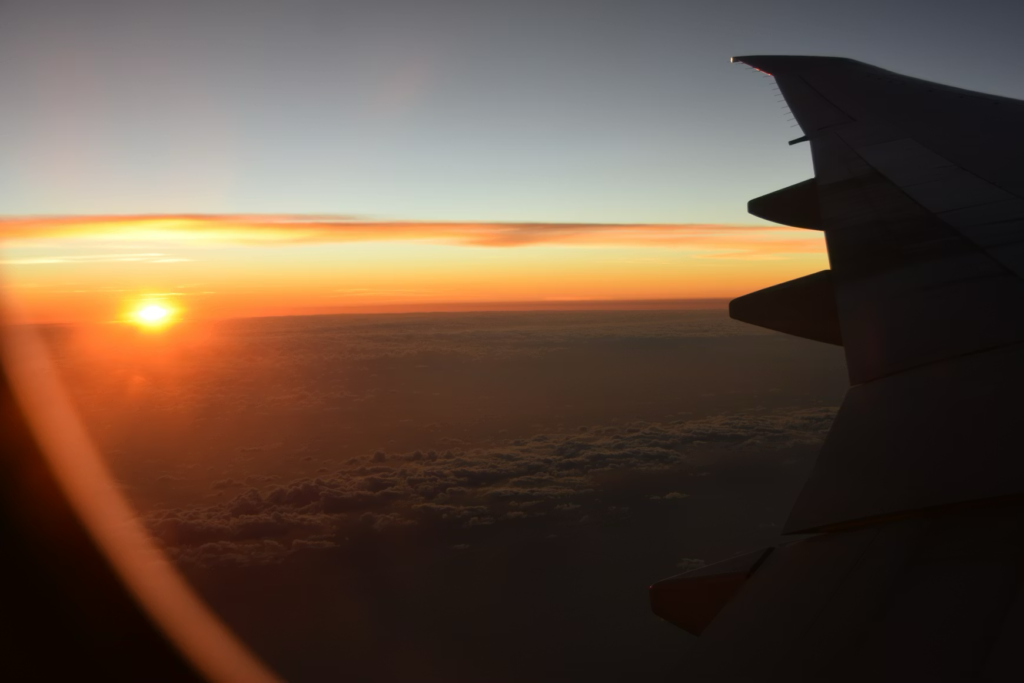
Flying is the quickest way from Bangkok to Chiang Mai. Time in the air is about 1 hour 5 minutes to 1 hour 20 minutes, and there are dozens of departures a day, from early morning until late evening. Once you add the trip to the airport, check-in and security, plan on about 4 hours door to door.
Bangkok has two airports, and which one you fly from depends on the airline:
- Don Mueang (DMK): the main base for low-cost carriers such as Thai AirAsia, Nok Air and Thai Lion Air. It is about 21 km north of central Bangkok.
- Suvarnabhumi (BKK): used by Thai Airways, Bangkok Airways and Thai Vietjet. It is about 28 km east of the city center and is the easier choice if you are connecting from an international flight.
Low-cost fares usually include carry-on baggage only, so add a checked bag when you book if you need one, as it costs more at the airport. Thai Airways and Bangkok Airways fares include checked baggage and a snack or meal. If you are arriving in Bangkok on an international flight, double-check which airport your domestic flight leaves from, since transferring between DMK and BKK can take over an hour in traffic.
>>> Flying from Cebu to Singapore: Flight Time, Fares & Tips
Bangkok to Chiang Mai by Train
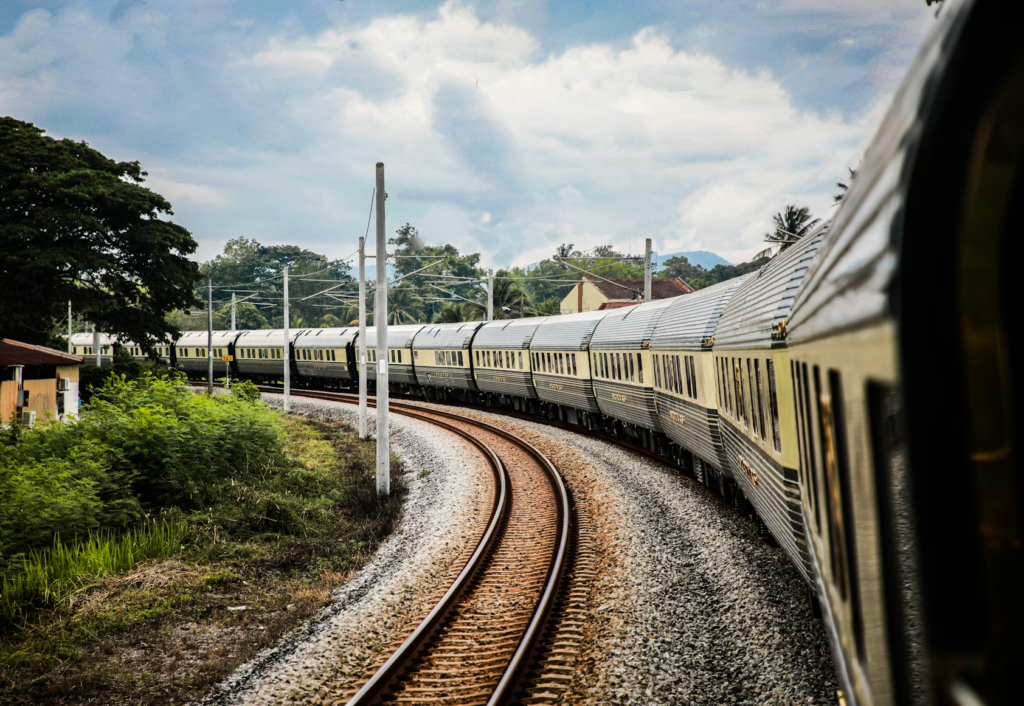
The overnight sleeper is one of the most popular train rides in Southeast Asia. The rail line covers about 751 km, and you board in the evening, sleep in a made-up berth and wake up in the northern hills. It is slower than flying, but it saves you a night’s accommodation and most of a travel day.
Long-distance trains now leave from Krung Thep Aphiwat Central Terminal (formerly Bang Sue Grand Station), not the old Hua Lamphong station, which mainly handles local services. Double-check the station on your ticket before you head out. Trains arrive at Chiang Mai Railway Station, just east of the Old City.
Which Train to Take
- Special Express #9: the best overnight option, with newer carriages, power outlets and clean bathrooms. It leaves around 18:40 and arrives around 07:15.
- Train #13: an older overnight service that leaves around 19:35. Berths are fine but the carriages are less modern.
- Daytime express: the fastest train at around 10.5 hours, good if you want to watch the scenery. It has seats only, no beds.
Classes and Fares
A second-class air-conditioned sleeper is the best value. Seats convert into curtained upper and lower berths, and an attendant makes up your bed. Expect to pay around ฿1,000 to ฿1,100 (about US$30 to 32), with lower berths slightly more expensive and more spacious. First class gives you a private, lockable two-berth cabin for about ฿1,700 to ฿2,300 (US$50 to 70) per person. Solo travelers either share with a stranger of the same gender or pay for both berths.
How to Book
Tickets go on sale up to 90 days before departure on the State Railway of Thailand’s D-Ticket website, or through agents such as 12Go for a small fee. Lower berths on train #9 sell out first, especially from November to February, during Thai festivals and on Fridays and Sundays, so book as early as you can rather than relying on tickets at the station. Note that alcohol is banned on all Thai trains and in stations.
Bangkok to Chiang Mai by Bus
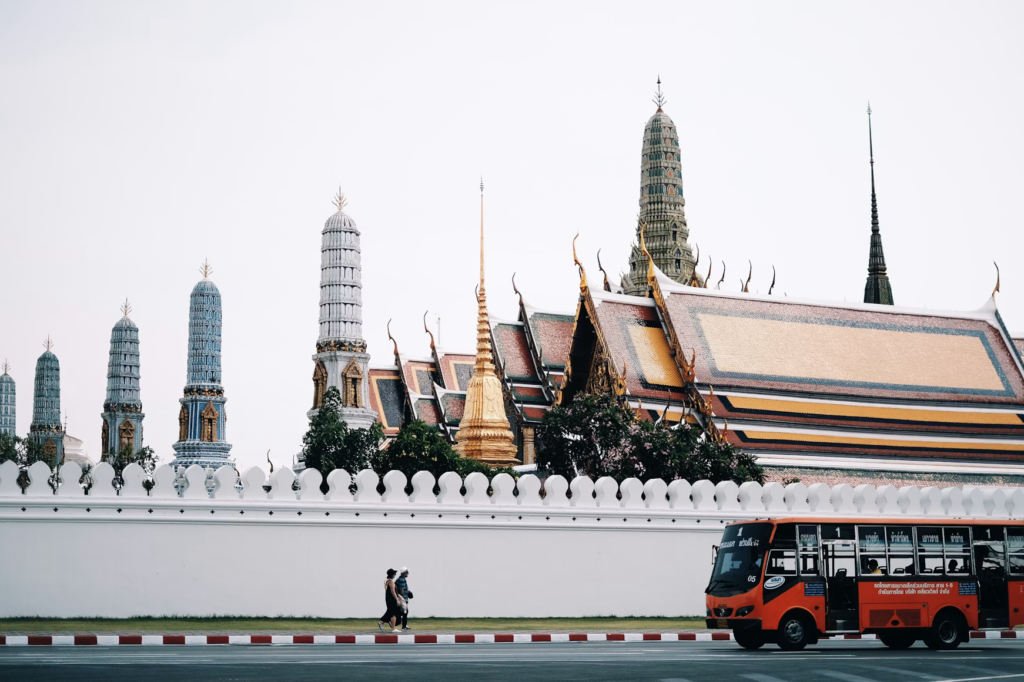
The bus is the cheapest way to get from Bangkok to Chiang Mai, and usually the easiest to book at short notice. Most services leave from Mo Chit, Bangkok’s Northern Bus Terminal, and arrive at Arcade Bus Station, a few kilometers east of Chiang Mai’s Old City. The ride takes about 9 to 11 hours.
Overnight VIP coaches are the most comfortable choice, with fewer, wider seats that recline far back, a toilet on board and snacks. Reliable operators include Nakhonchai Air and the government-run Transport Company. Standard buses start from about ฿500, while VIP seats typically cost ฿800 or more. Book a few days ahead around Songkran in April and other Thai holidays, when buses fill up quickly.
Private Car or Transfer
A private car or van picks you up at your hotel and drops you at your door in Chiang Mai. The drive takes about 8 to 10 hours depending on traffic and stops, and a private taxi costs from around US$230 per vehicle. It is the most expensive option for one or two people, but it can make sense for a group of four to six, for families with lots of luggage, or if you want to stop at sights along the way.
Which Option Should You Choose?
- Short on time: fly. Pick your Bangkok airport based on where you are staying or connecting.
- Want the classic experience or to save a hotel night: take sleeper train #9 in second class and book early.
- On a tight budget or booking last minute: take an overnight VIP bus from Mo Chit.
- Traveling as a group or with kids: a private car, especially if you want to break up the drive.
Places Worth Stopping Along the Way
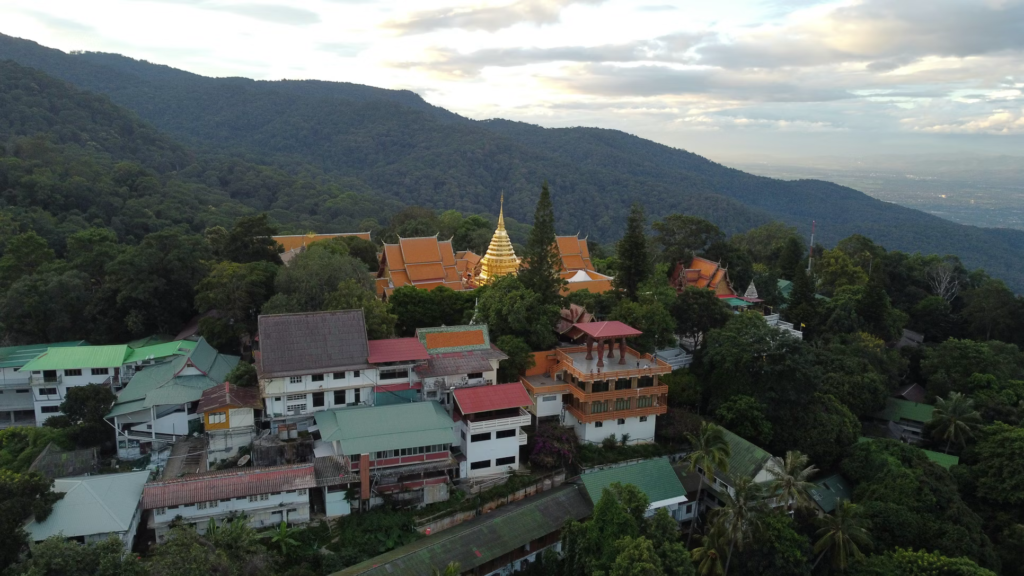
If you have extra days, the route north passes several places worth a stop. Ayutthaya, the former royal capital, is about an hour or two north of Bangkok by train. Phitsanulok is the gateway to the ruins of Sukhothai, and Lampang, the last major stop before Chiang Mai, is known for its horse-drawn carriages and quiet teak temples. Buying separate train tickets for each leg lets you turn the journey into part of the trip.
Arriving in Chiang Mai
Chiang Mai International Airport is only about 4 km from the city center, so it is a short Grab or taxi ride to most hotels. From the railway station or Arcade Bus Station, red shared songthaews, tuk-tuks and Grab cars can take you into the Old City in about 10 to 15 minutes.
Bangkok to Chiang Mai FAQ
What is the fastest way from Bangkok to Chiang Mai?
Flying. The flight itself takes about 1 hour 15 minutes, and even with airport time it is much faster than the train or bus.
What is the cheapest way to get from Bangkok to Chiang Mai?
The bus. Standard tickets start from around ฿500, although low-cost airline sales and train fares can come surprisingly close once you factor in a saved hotel night.
How long is the train from Bangkok to Chiang Mai?
Between about 10.5 and 14 hours, depending on the train. The popular overnight Special Express #9 takes around 12 to 13 hours.
Which Bangkok station does the train to Chiang Mai leave from?
Long-distance trains to Chiang Mai leave from Krung Thep Aphiwat Central Terminal, not Hua Lamphong.
How far in advance should I book the sleeper train?
Tickets open 90 days ahead. For high season (November to February), weekends and holidays, book several weeks in advance, as lower berths sell out first.
Final Tips
For most travelers, the choice between Bangkok and Chiang Mai comes down to time versus experience. Fly if every day counts, take the sleeper train if you want the journey to be part of the trip, and take the bus if price matters most. Whichever you choose, book early in high season, confirm your departure airport or station, and check the latest fares before you pay.