
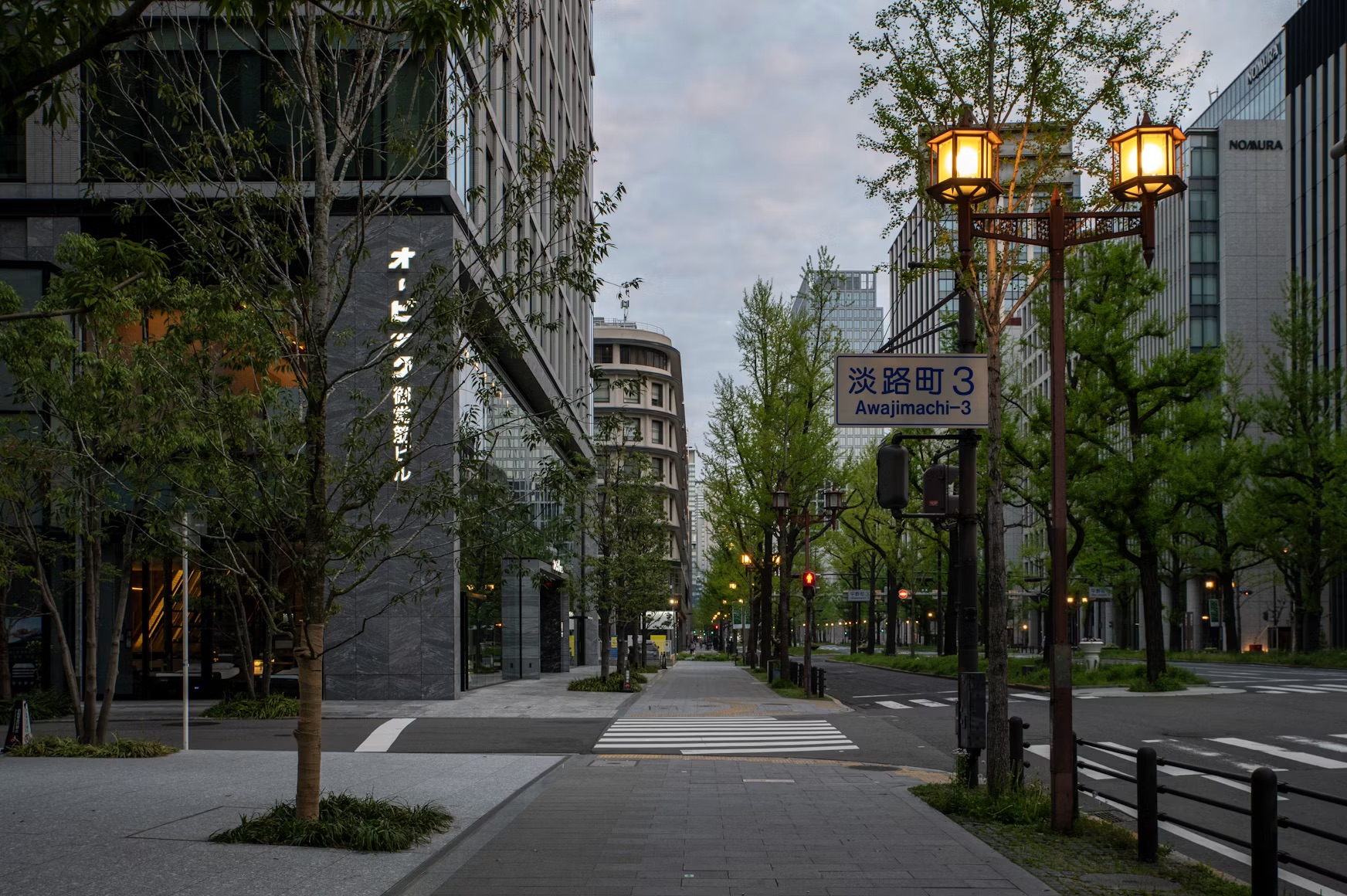
Some cities allow life to narrow gradually, without producing the sense that something essential has been left behind.
The change arrives quietly. Attention tightens, movement becomes more selective, and days begin to repeat inside a smaller orbit. The surrounding city stays present, and that narrowing settles into a sense of alignment as it continues.
In these places, the world narrows because repetition clarifies what needs to be carried forward, and the city continues to hold enough depth that living inside a smaller orbit never feels like loss.
Seoul
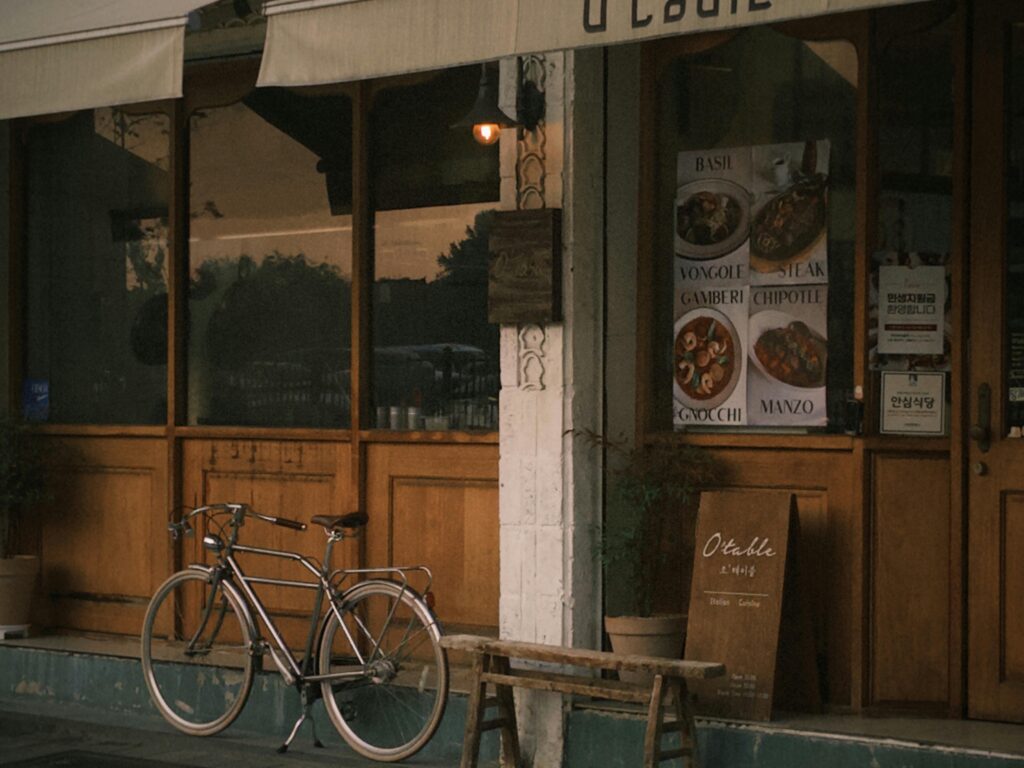
In Seoul, narrowing happens inside intensity. The city stays dense and active long after novelty fades, which allows daily life to condense without emptiness forming around it. At first, the city opened widely. Neighborhoods overlap, movement stays expansive, and many paths feel available at once. As repetition deepens, a smaller version of the city takes shape, one that feels workable and easy to move inside.
Routine takes shape through selection. Certain routes return, a few cafés and schedules begin to hold the day, and attention gradually tightens. The city’s larger scale stays in view, continuing on in its own motion as daily life finds a smaller, workable frame inside it.
Paris
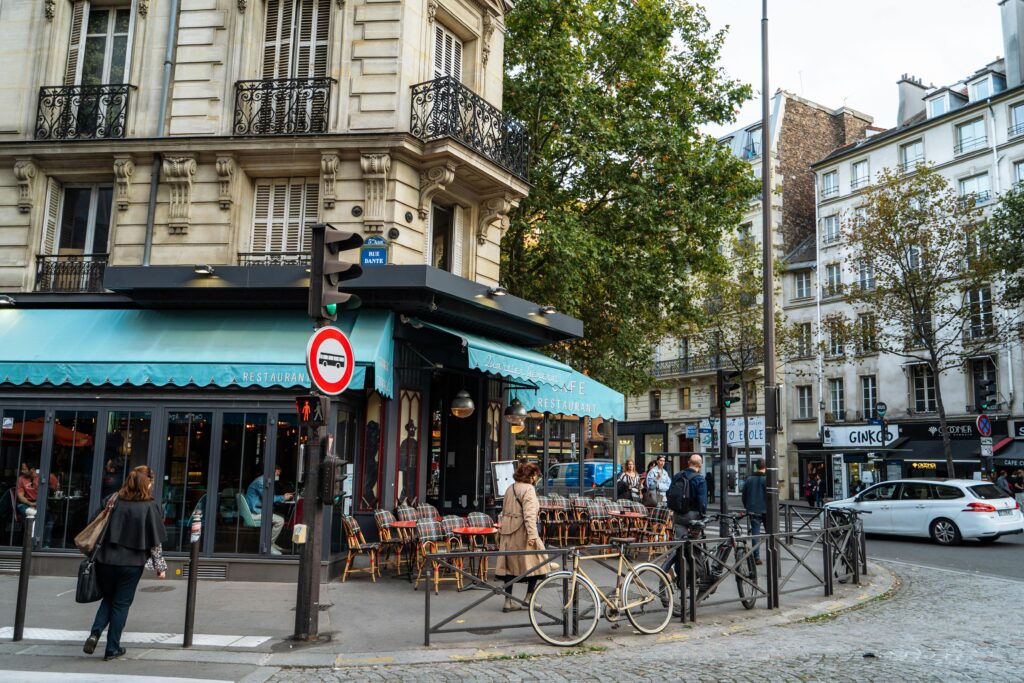
Paris narrows through familiarity. What begins as exploration gradually folds into neighborhood life, where daily movement shortens naturally. Streets stop asking to be read and walking becomes habitual. The city remains layered and expansive, while lived experience contracts into a smaller, steadier rhythm.
Over time, daily life condenses into a few blocks and predictable rituals. The city’s scale remains present but moves out of focus. Intimacy grows as orientation becomes familiar, and narrowing takes on a personal shape, carried by repetition that adds depth gradually.
Rome
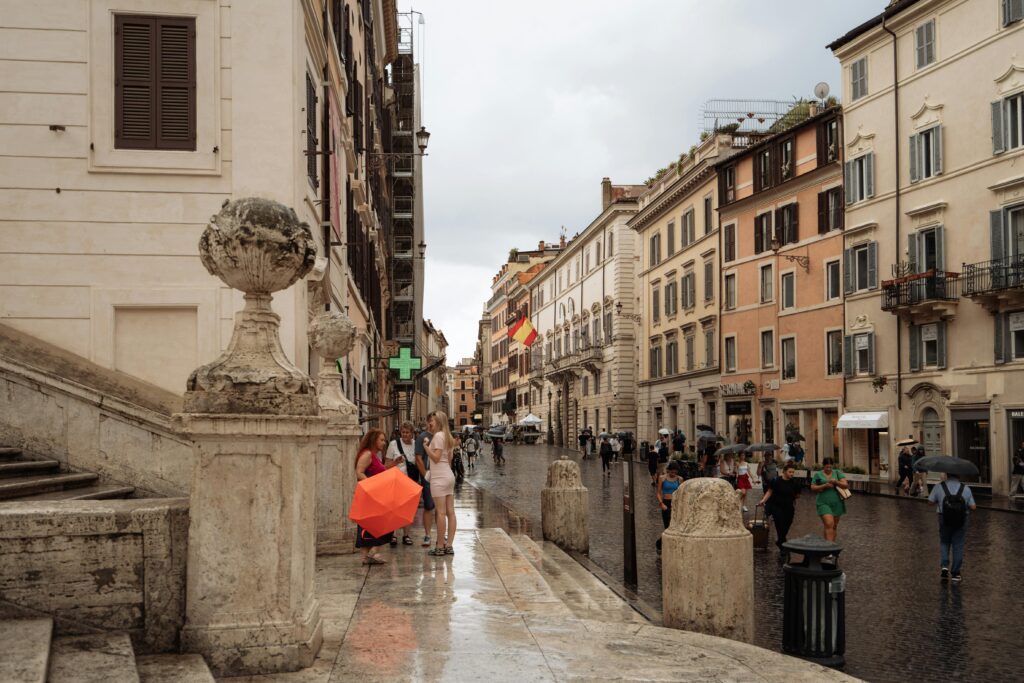
Rome narrows slowly with time. The city’s scale stays present, though daily life begins to orbit a reduced set of streets and familiar paths.
Movement shortens as habits settle, and repetition gathers weight instead of dulling experience. History stays close and blends into routine. Daily life narrows into a smaller geography that feels grounded and steady. Narrowing in Rome carries density, supported by a depth that remains accessible as movement through the day becomes more contained.
Istanbul
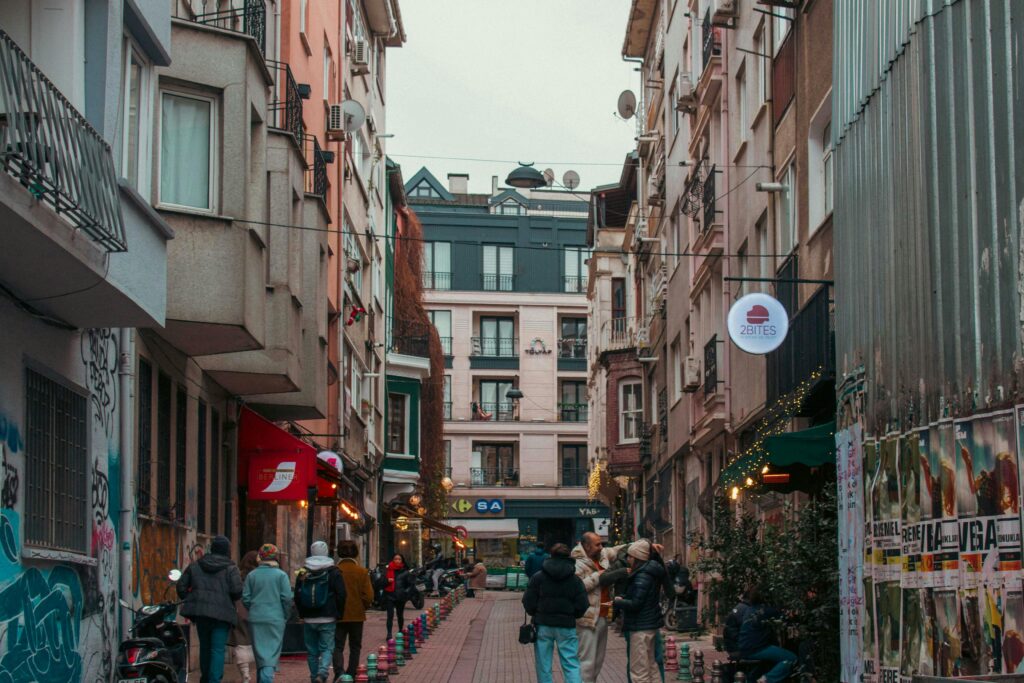
In Istanbul, narrowing unfolds inside contrast. The city stretches across water, hills, and neighborhoods, while daily life gradually concentrates around certain crossings, routes, and hours. Early movement is wide. Eventually, repetition shapes a smaller orbit without flattening experience.
The city’s vastness begins to hold context, and your world tightens into a frame still textured by sound, rhythm, and presence. Narrowing happens through habit, supported by an environment that remains socially alive even as your attention focuses inward.
Tokyo
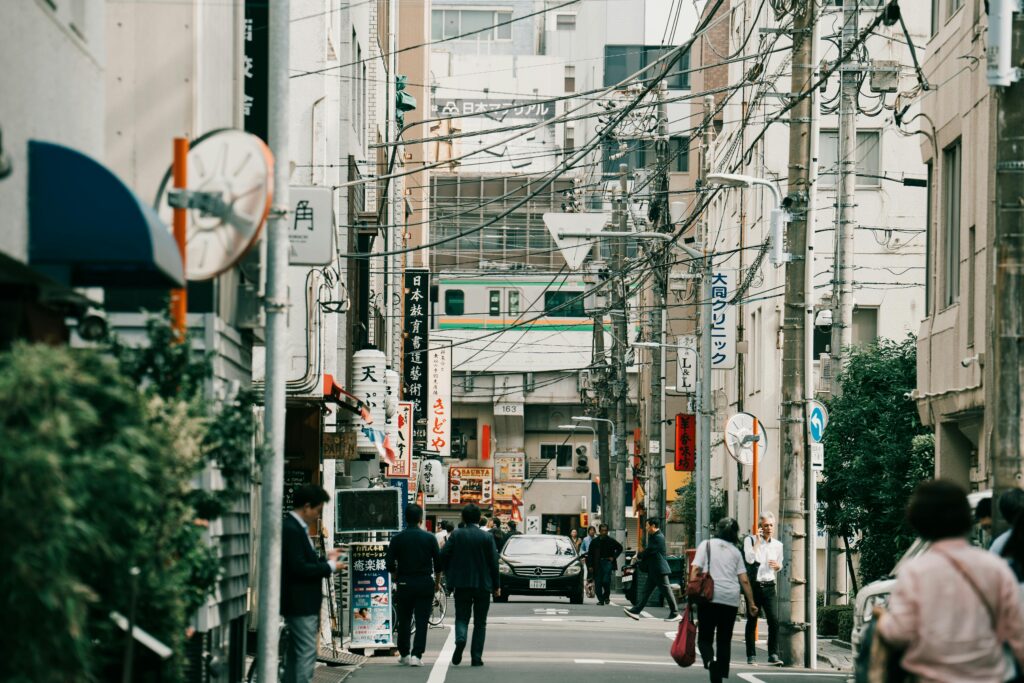
Tokyo narrows through precision. Early exposure feels extensive, structured by systems that invite movement across the city. As familiarity deepens, daily life compresses into a highly efficient pattern where choices become automatic and movement shortens without friction. The city stays immense while daily life sharpens into clearer roles and cleaner repetition. Narrowing here feels stabilizing, supported by a city that continues to function seamlessly as attention settles into fewer, well-defined paths.
When narrowing becomes enough
Cities that allow life to narrow without feeling smaller share a quiet consistency. They remain complete even when only part of what they offer is engaged with. The world contracts gently through repetition, and daily life gains clarity while retaining its texture and depth. In these places, narrowing becomes supportive, with attention gathering and movement easing into simplicity. The city continues to exist in full, while your relationship to it grows more precise and easier to carry over time.