
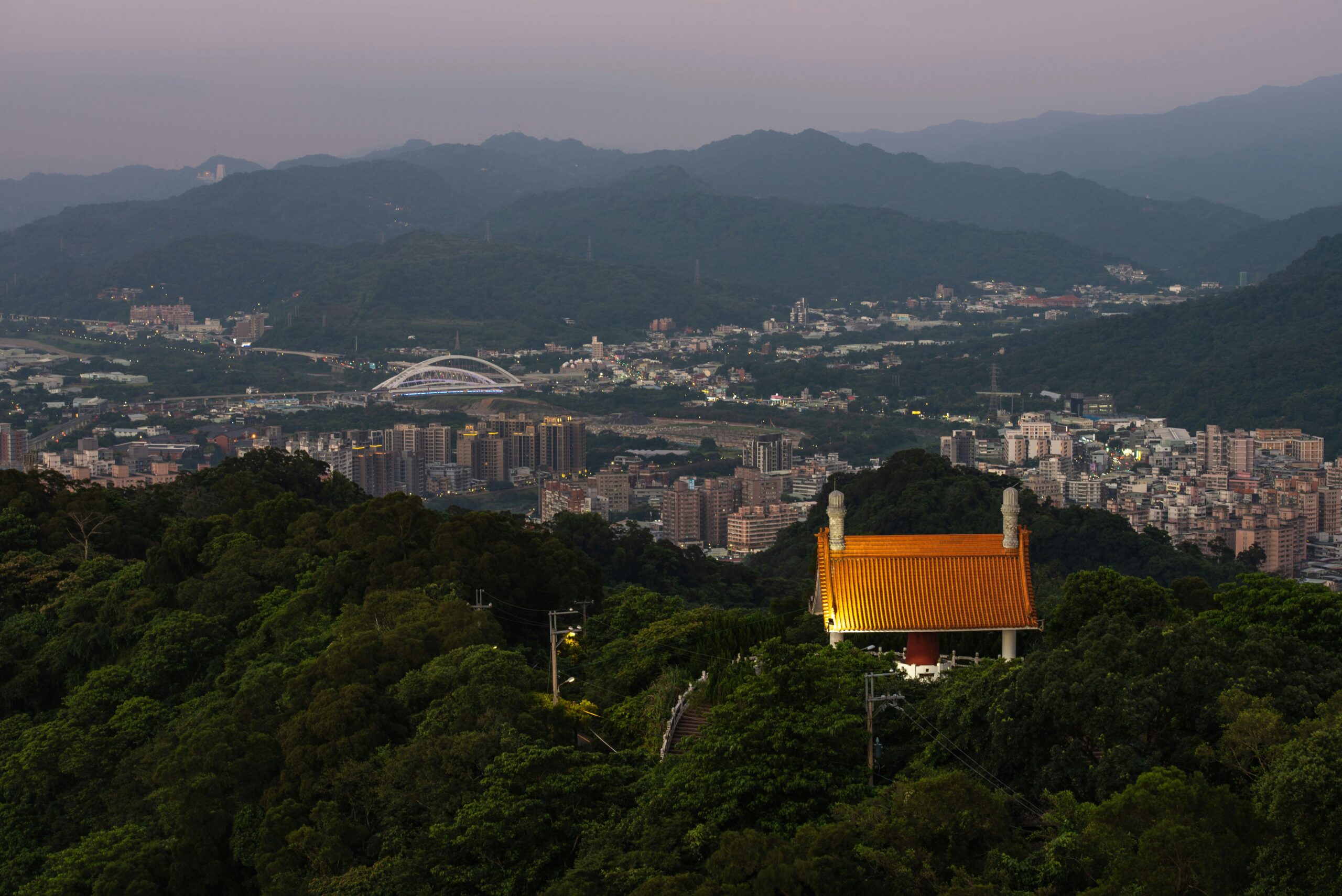
Taiwan, a small island off the southeastern coast of China, is a land where ancient traditions blend seamlessly with modern innovations. From its ancient temples that echo the spiritual past to bustling cities that embrace cutting-edge technology, Taiwan offers travelers a rich cultural tapestry. Whether you’re wandering through colorful festivals, enjoying traditional tea ceremonies, or exploring the countryside, Taiwan’s culture invites you to embark on a journey that’s both deeply rooted in history and alive with contemporary energy.
The Sacred Grounds of Taiwan: Ancient Temples and Spiritual Practices
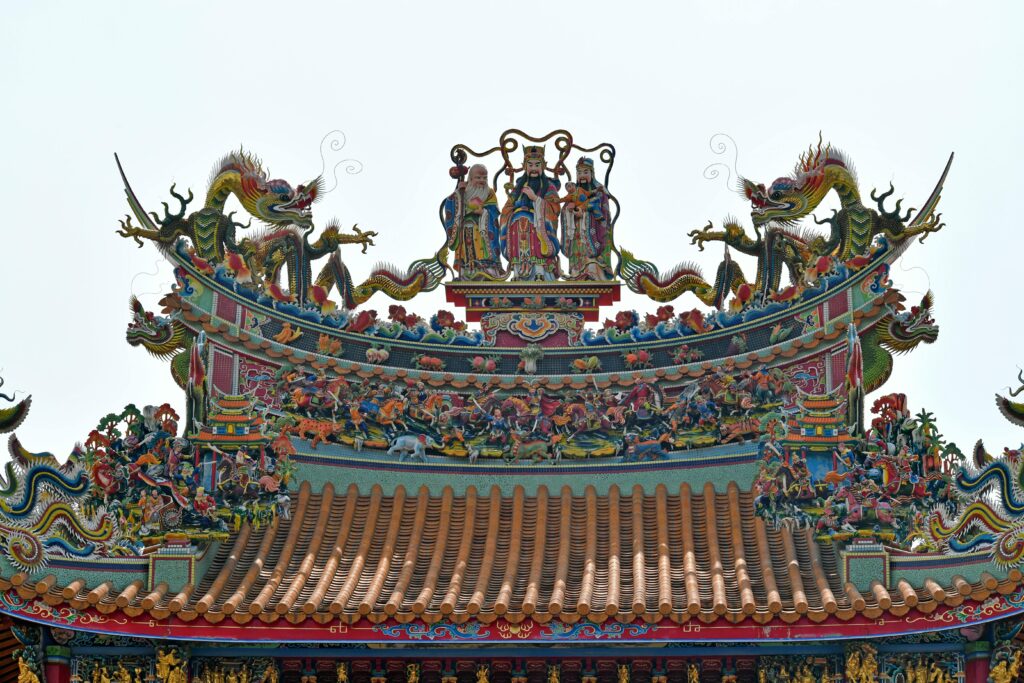
Taiwan’s temples are places of worship and the beating heart of its spiritual and cultural life. The country is home to an array of Buddhist, Taoist, and indigenous spiritual practices that have shaped its culture for centuries. One of the most iconic temples in Taiwan is Longshan Temple in Taipei, built in the 18th century. It stands as a testament to Taiwan’s rich religious heritage, where locals come to pray, offer incense, and seek blessings for their daily lives. The temple’s intricate carvings and ornate decorations provide a window into Taiwan’s spiritual soul, blending Buddhist and Taoist iconography.
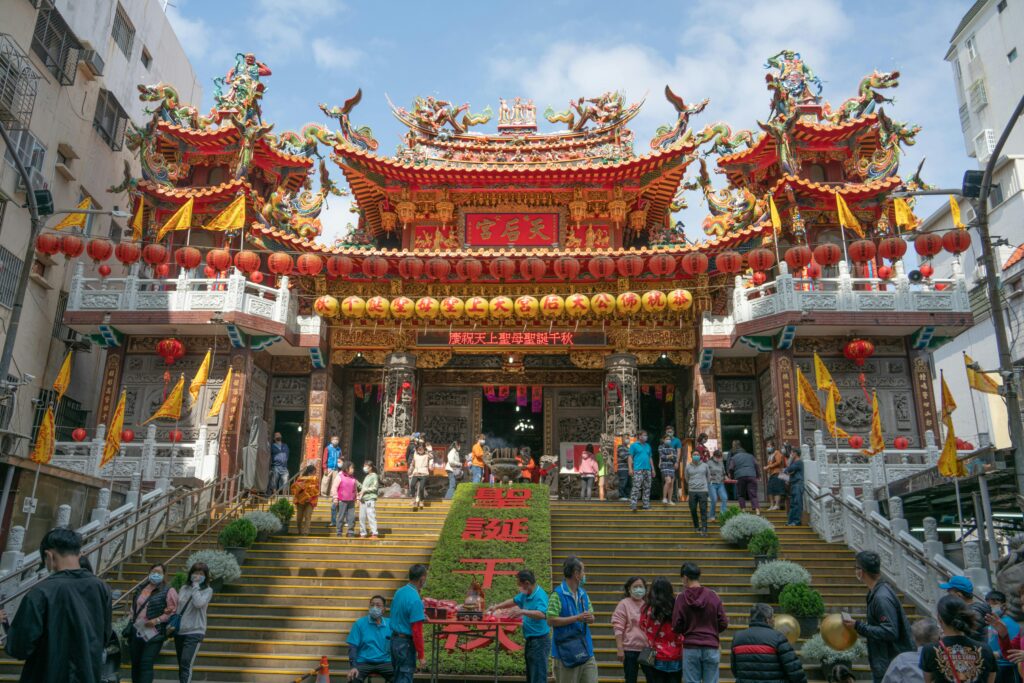
The Cihu Temple in Taoyuan, dedicated to the worship of the revered deity Mazu, offers another glimpse into Taiwan’s deep spiritual ties. Mazu is the sea goddess worshipped by fishermen and sailors, and her temples, found along Taiwan’s coastal areas, are filled with offerings and traditional rituals. For travelers, visiting these temples is an invitation to experience Taiwan’s spirituality, one that intertwines reverence for the divine with a tangible connection to the everyday lives of the people.
Indigenous Culture: Taiwan’s Rich Ethnic Heritage
Beyond the influence of Buddhism and Taoism, Taiwan is home to several indigenous groups, each with their own traditions, language, and arts. The indigenous people of Taiwan, such as the Amis, Atayal, and Paiwan, offer travelers a rare and authentic opportunity to learn about one of the world’s oldest and most resilient cultures.
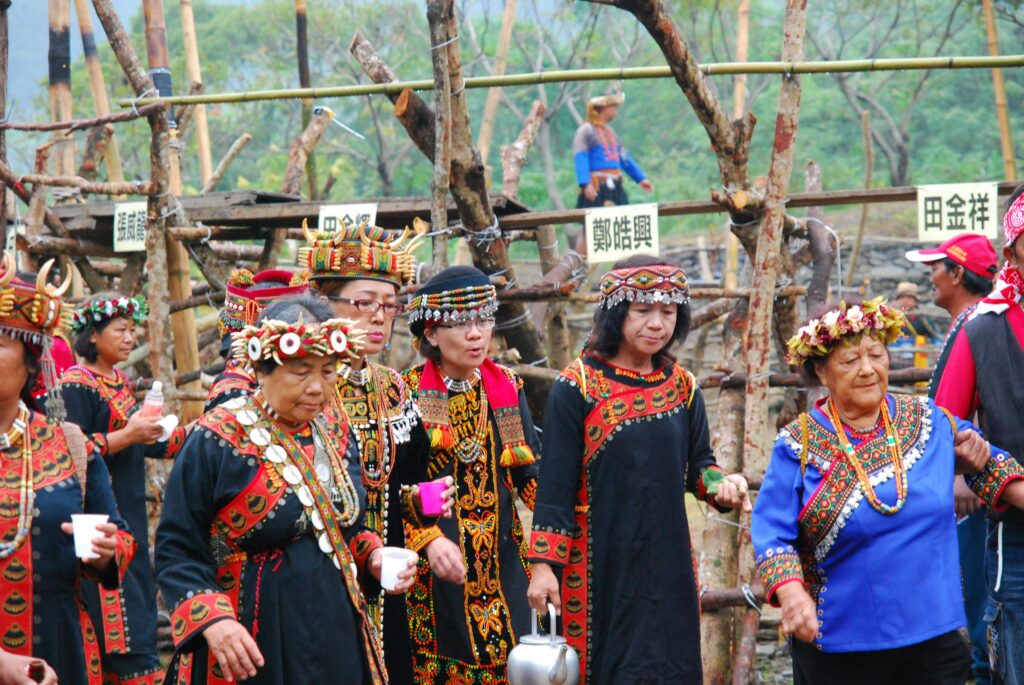
In the mountainous regions, the indigenous communities continue to practice their traditional ways of life, including weaving, hunting, and fishing. Many indigenous villages, such as those in Taitung and Hualien, welcome visitors to experience their culture firsthand. Participating in local festivals like the Amis Harvest Festival, where visitors can join in traditional dances and feasts, gives travelers a deeper understanding of Taiwan’s diverse cultural fabric.
Among the best ways to connect with Taiwan’s indigenous culture is through cultural workshops, where you can learn ancient craft techniques like traditional weaving or wood carving. These experiences provide a tangible connection to the land and traditions that have shaped Taiwan for thousands of years.
Festivals of Taiwan: A Celebration of Tradition and Modernity
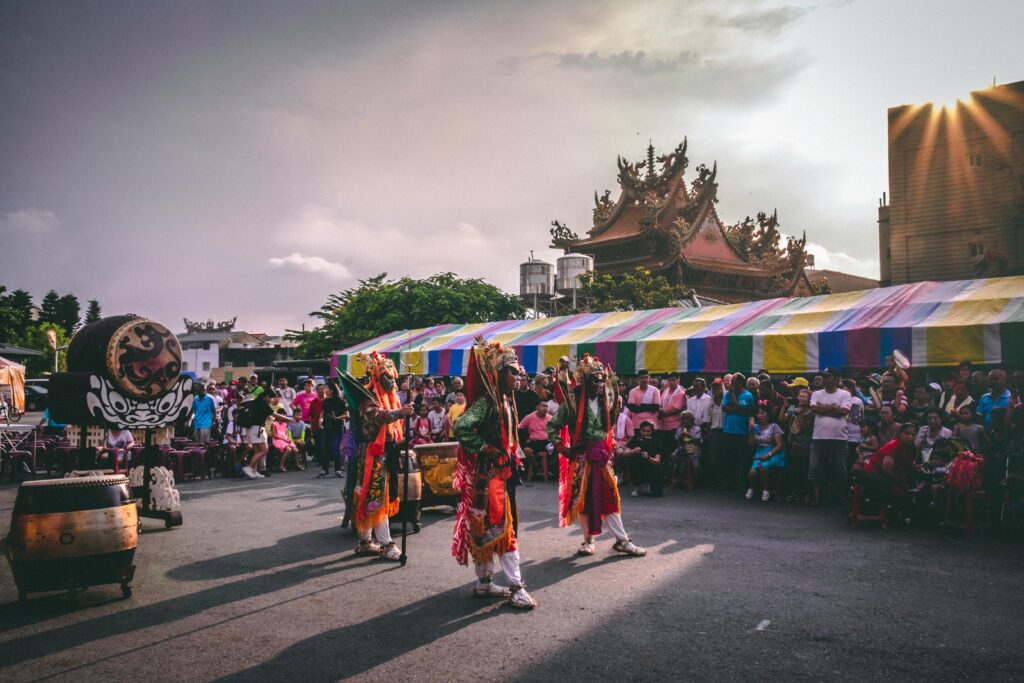
Taiwan’s festivals are vibrant, colorful, and deeply meaningful. They are not only celebrations of culture but also a reflection of the island’s diverse traditions. The Lunar New Year is one of the most important festivals, marked by family reunions, special meals, and reverence for ancestors. During this time, the streets of Taiwan come alive with lion dances, dragon parades, and fireworks, creating a festive atmosphere that fills every corner of the country.
In Pingxi, the Lantern Festival is a magical experience. Thousands of colorful lanterns are released into the sky, each carrying the hopes and wishes of those who set them afloat. The festival draws thousands of people who come to witness the spectacle and join in the joyous celebration of renewal and hope. The act of releasing the lanterns symbolizes letting go of the past and embracing the future, a powerful message that resonates deeply with both locals and visitors alike.
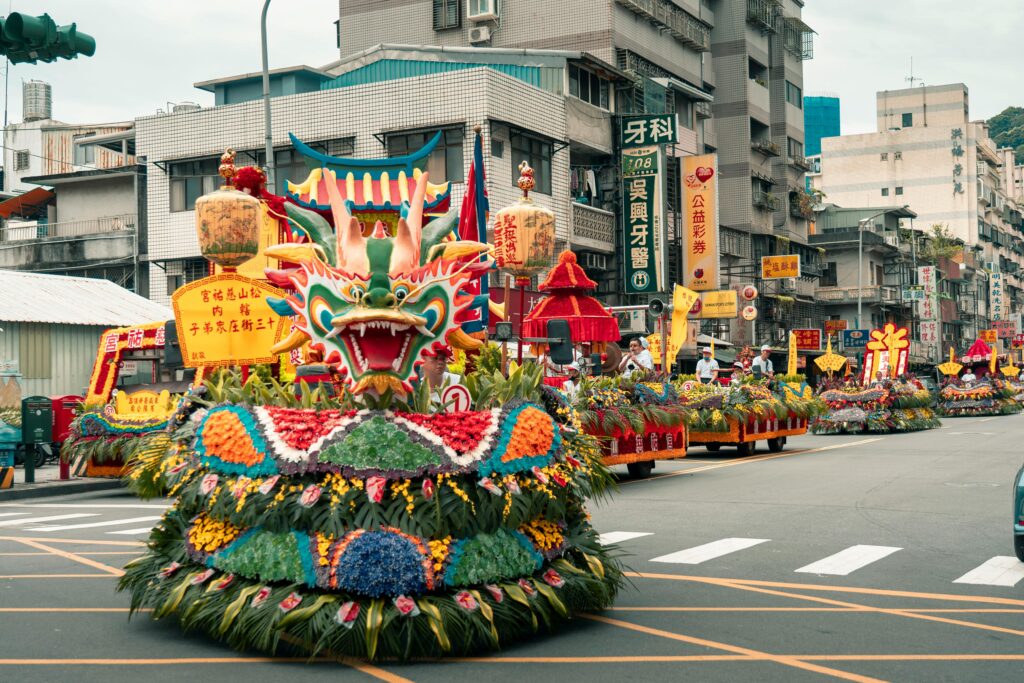
The Mazu Pilgrimage, a religious and cultural event, is another example of Taiwan’s unique celebrations. This event, which honors the sea goddess Mazu, is one of the largest religious processions in the world. Pilgrims walk for days, carrying the Mazu statue through villages and towns, and the festivities culminate in fireworks, performances, and offerings. The pilgrimage is a testament to Taiwan’s spiritual devotion and communal unity, where tradition and belief converge in an awe-inspiring display of cultural pride.

The Art of Taiwanese Cuisine: A Journey Through Taste
Taiwan’s cuisine is a cornerstone of its culture, reflecting the island’s complex history and diverse influences. Taiwanese food is a blend of traditional Chinese flavors, indigenous ingredients, and Japanese culinary techniques, creating a unique culinary landscape. Whether you’re dining at a bustling night market or sitting down at a local family-owned restaurant, the food offers a window into Taiwan’s culture.

Beef noodle soup, or 牛肉麵, is one of Taiwan’s most beloved dishes. It’s a comforting dish that tells the story of Taiwan’s culinary evolution, with its tender beef, savory broth, and hand-pulled noodles. For those seeking a more immersive culinary experience, joining a Taiwanese cooking class allows you to learn the art of making dishes like dumplings and bubble tea, which are central to Taiwanese food culture.
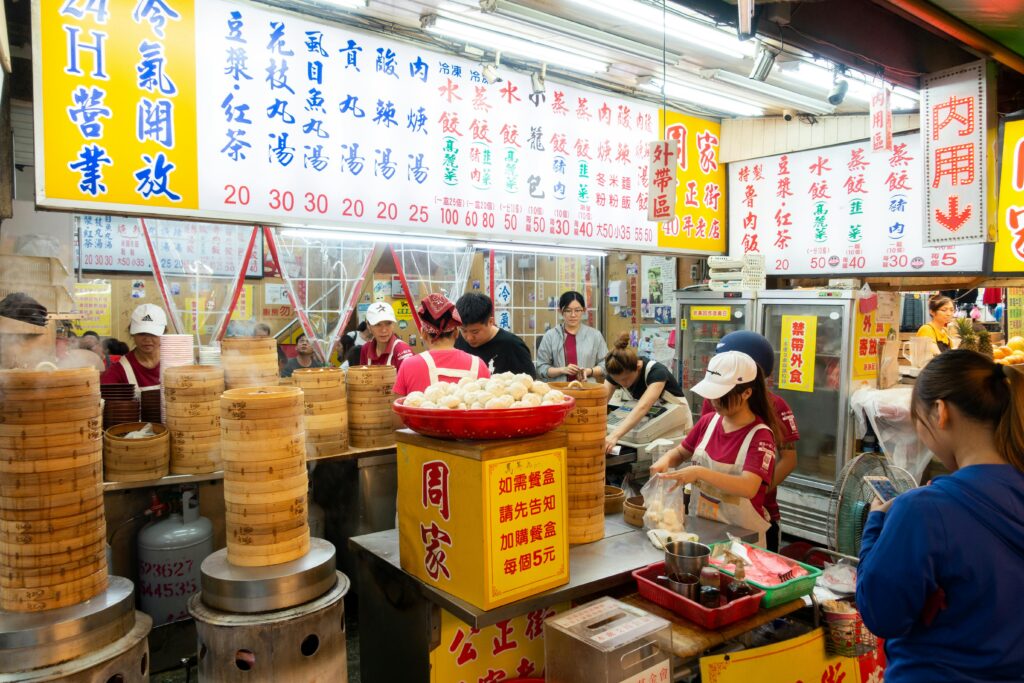
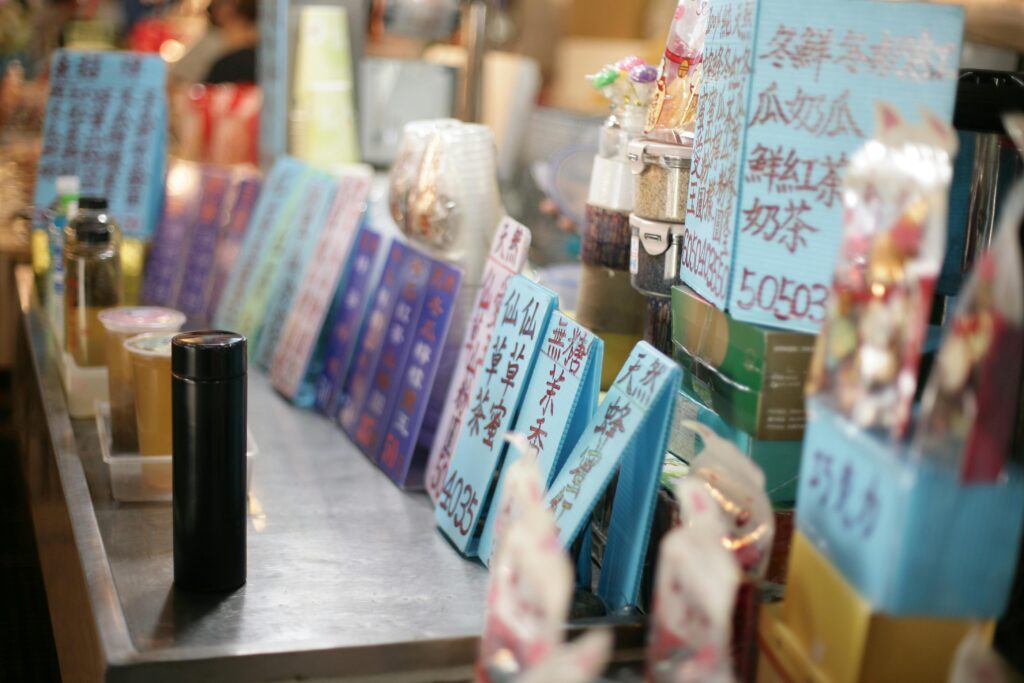
In the bustling night markets of Taipei and Kaohsiung, street food like oyster omelets, stinky tofu, and bubble tea offer an opportunity to indulge in Taiwan’s diverse flavors. These markets are the heart of Taiwanese food culture, where food is an experience to be savored and shared.
Modern Traditions: The Taiwan of Today
Taiwan is a country that balances tradition with modernity. The island has grown into a technological powerhouse, yet its cultural traditions remain integral to daily life. Young people in Taiwan embrace global trends, from fashion to music, but they also respect the customs and traditions passed down from their ancestors. In cities like Taipei, you’ll find contemporary art galleries side by side with temples, cutting-edge tech companies alongside traditional teahouses.

This mix of the old and the new is what makes Taiwan such a fascinating place to visit. Whether you’re exploring its ancient temples, participating in its festivals, or experiencing its culinary delights, Taiwan offers a unique journey where you can connect with both its rich history and vibrant present.
Related Articles
- Taiwan’s Natural Wonders: From Majestic Peaks to Pristine Shores
- Exploring Taiwan on Your Own: An Adventurer’s Guide to Solo Travel
- Taiwan’s Cultural Riches and Natural Wonders: A Journey Through the Island