
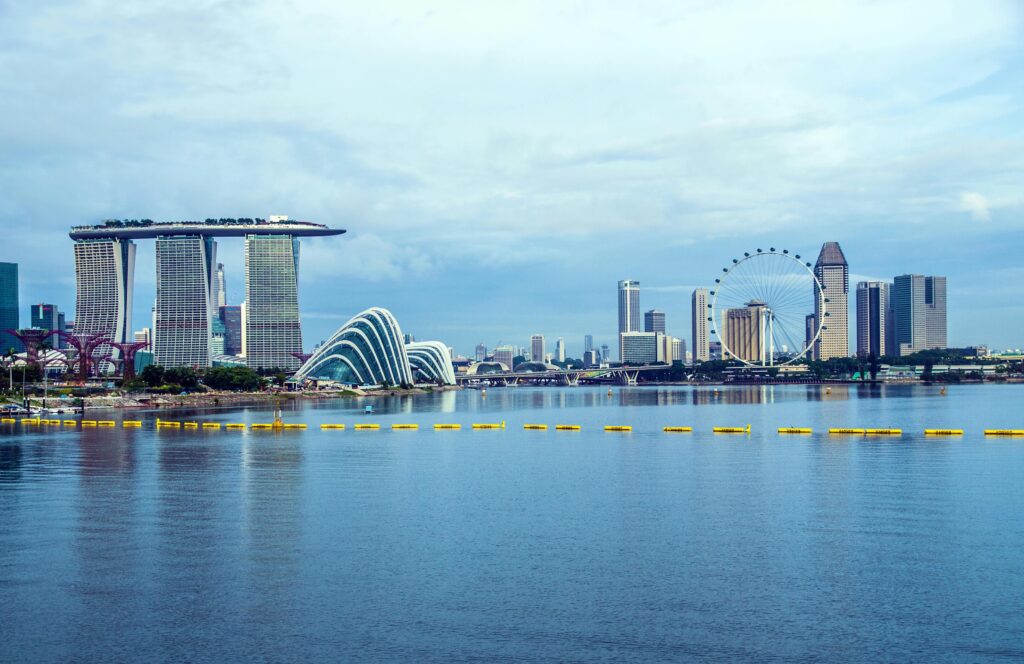
Singapore, with its iconic skyline, lush gardens, and vibrant cultural scene, offers a rich and dynamic experience for travelers throughout the year. The key to making the most of your visit, however, lies in timing. The right season can transform your experience, allowing you to enjoy everything the city has to offer, whether it’s the bustling festivals, the sunny beaches, or quieter times with fewer tourists. Understanding Singapore’s seasonal rhythms will help you decide when to visit to get the most out of your time in the city.
The Pulse of Singapore’s Tropical Climate
Located just 137 kilometers north of the equator, Singapore enjoys a tropical climate year-round, with temperatures consistently between 24°C and 32°C (75°F and 90°F). However, while the temperature remains fairly stable, it’s the rainfall and humidity that vary throughout the year.
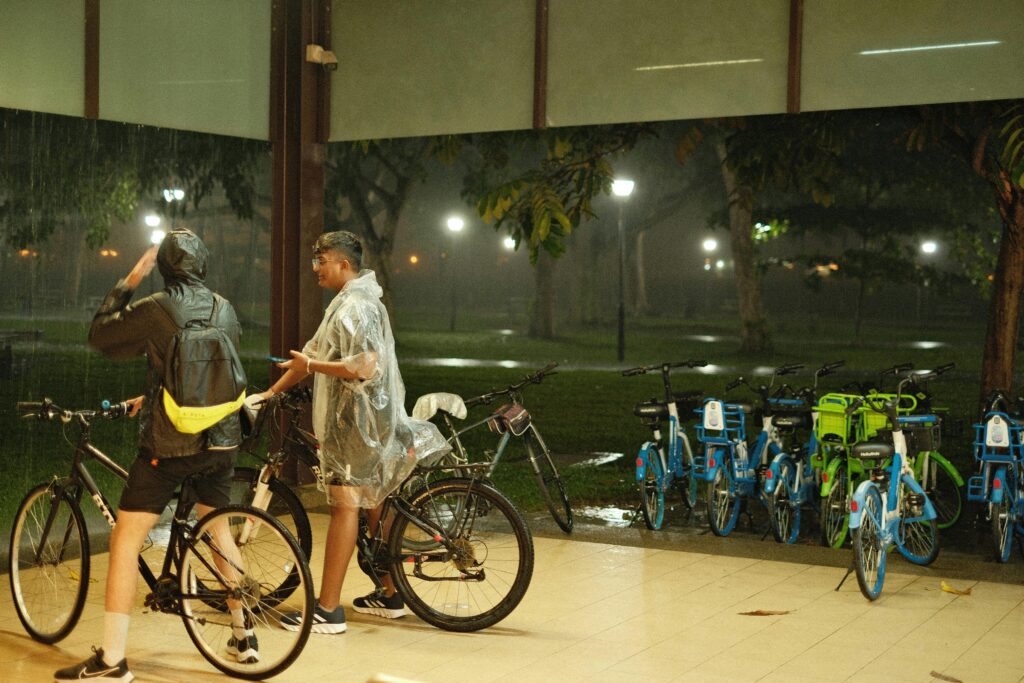
Singapore has two primary monsoon seasons: the northeast monsoon from December to March, and the southwest monsoon from June to September. Between these, the months of April-May and October-November are unpredictable, with sudden bursts of rain followed by sunshine.

Knowing how the weather patterns affect outdoor activities and festivals will help you plan your trip, whether you’re looking for sunny skies or are willing to embrace a little rain for fewer crowds and cheaper travel.
The Peak Season: February to April (Ideal Weather and Cultural Excitement)
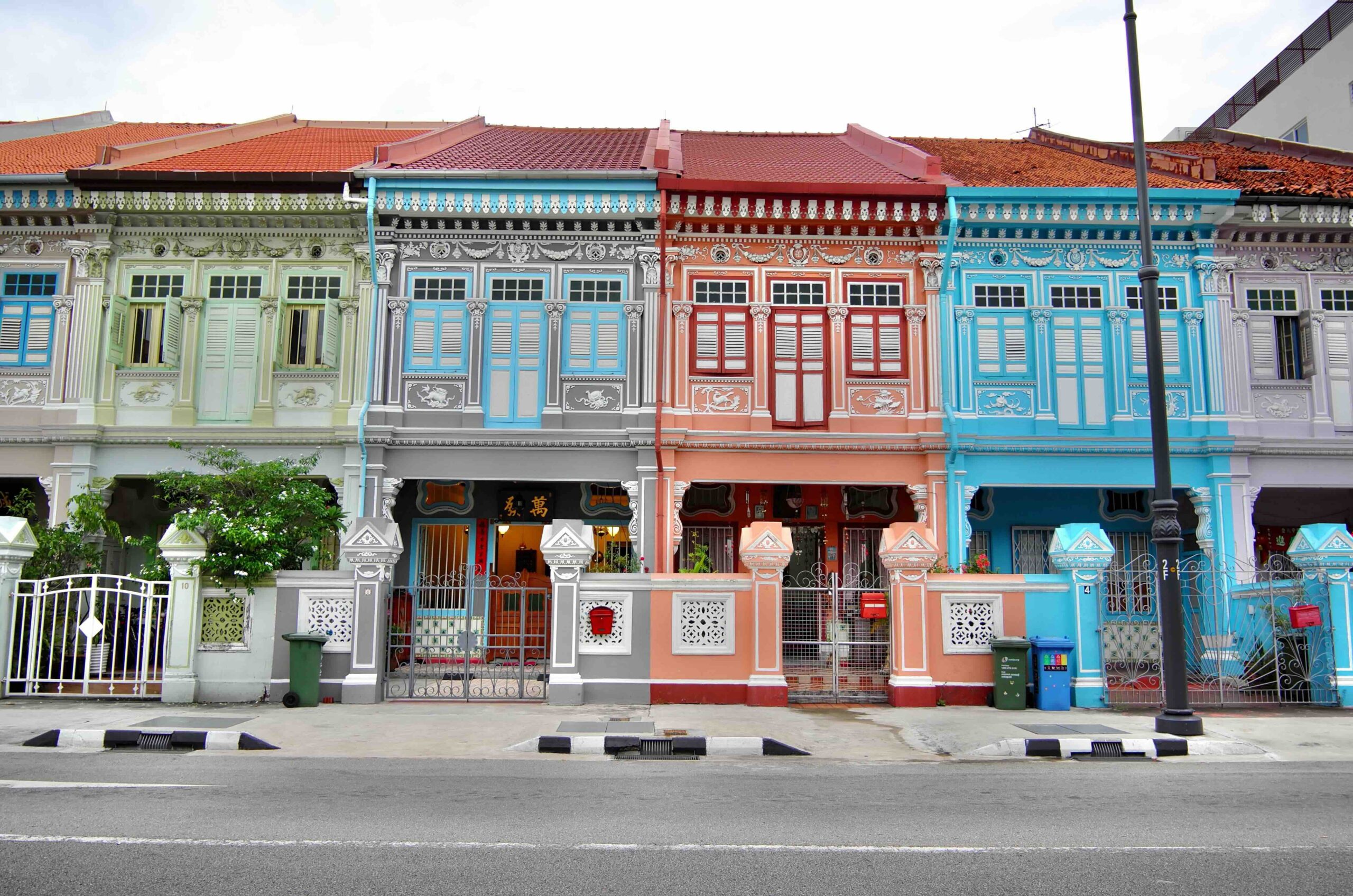
The period from February to April is widely considered the best time to visit Singapore. This is when the city experiences its dry season and offers the most favorable weather for sightseeing. Rainfall is minimal, and the humidity is at its lowest, making outdoor activities more enjoyable. Visiting Gardens by the Bay, strolling along the Singapore River, or exploring neighborhoods like Chinatown and Little India, this is the time when Singapore’s outdoor attractions truly shine.
Chinese New Year, typically celebrated in February, transforms Singapore into a vibrant festival filled with colorful parades, traditional lion dances, and mesmerizing street performances. In Chinatown, the streets are lined with red lanterns, and the air is filled with the scent of local delicacies like bak kwa and yu sheng. This is the perfect time to immerse yourself in Singapore’s multicultural heritage while enjoying the festive decorations and local flavors. However, February also marks a quieter time for tourists after the New Year rush, allowing you to enjoy Singapore’s cultural offerings without the peak crowds.
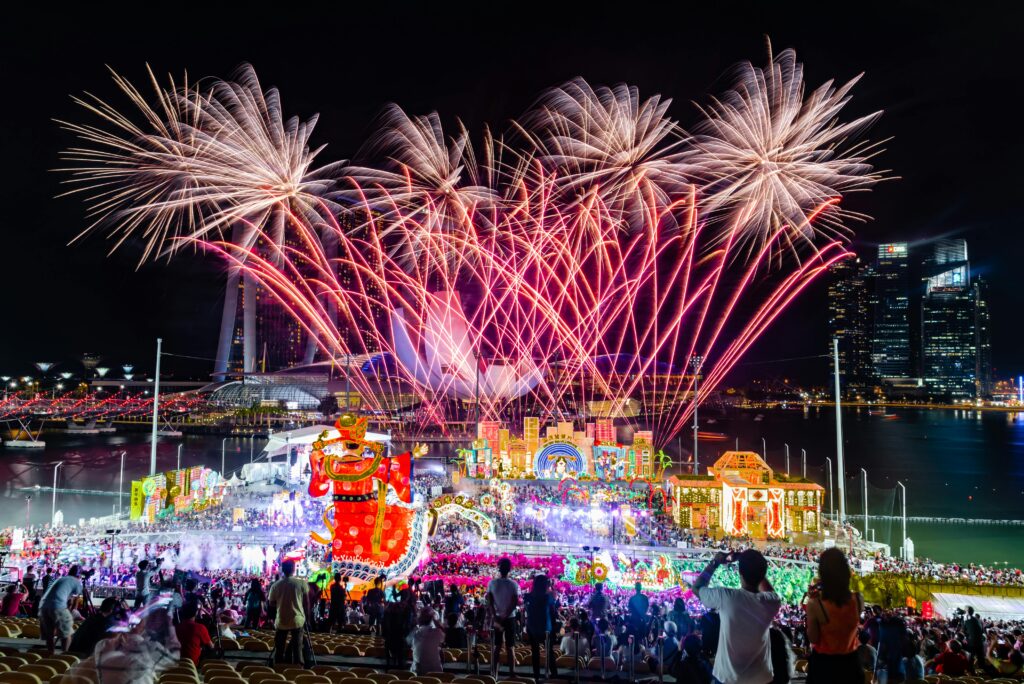
The Moderate Season: July to September (A Unique Experience Amid the Monsoon)
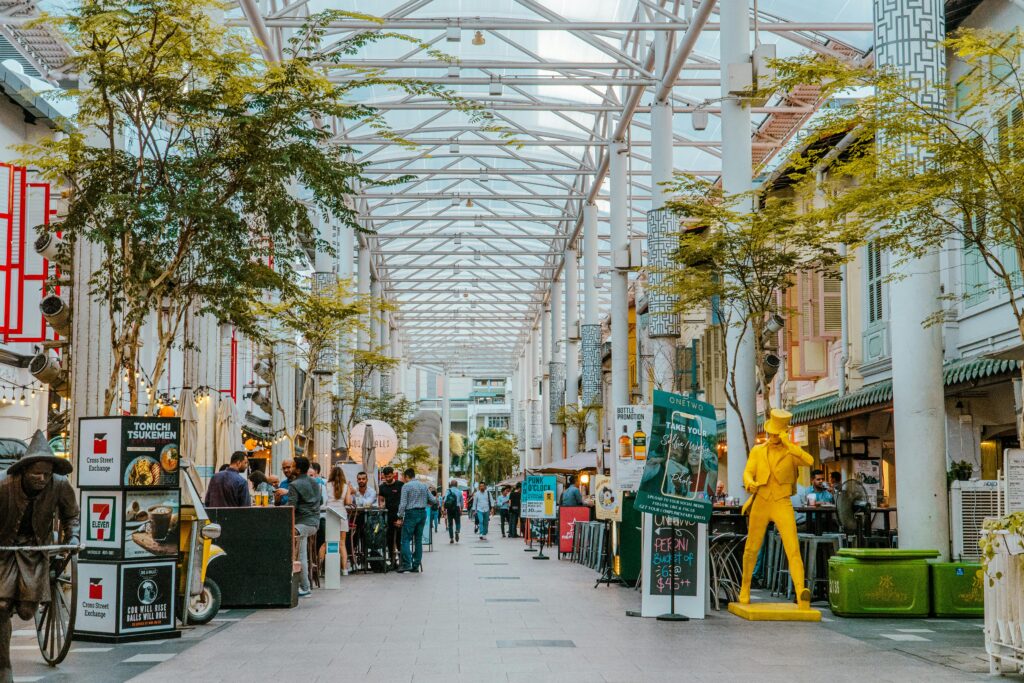
The months of July to September offer an interesting twist. While still technically within the southwest monsoon period, these months bring lighter rains and moderate humidity, making it possible to enjoy the outdoors, although with some unpredictability.
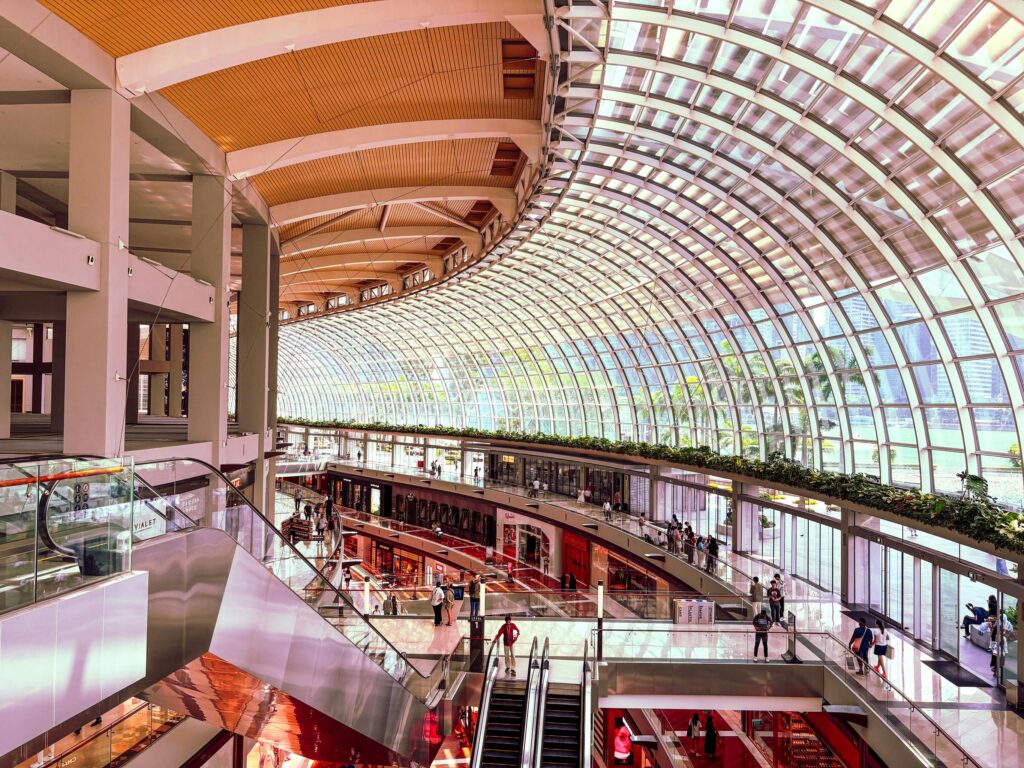
What makes these months unique is the Great Singapore Sale, which takes place in June and spills over into August, offering major discounts for those looking to indulge in shopping. National Day in August adds to the festive energy with fireworks, street performances, and celebrations that fill the air with pride. The rains, while still frequent, often come in quick bursts in the afternoons, offering a cool break from the heat. This gives way to moments of sunshine, allowing for relaxed exploration of places like Sentosa Island or even the indoor shopping centers of Orchard Road.

The Off-Season: October to November (A More Budget-Friendly Time)
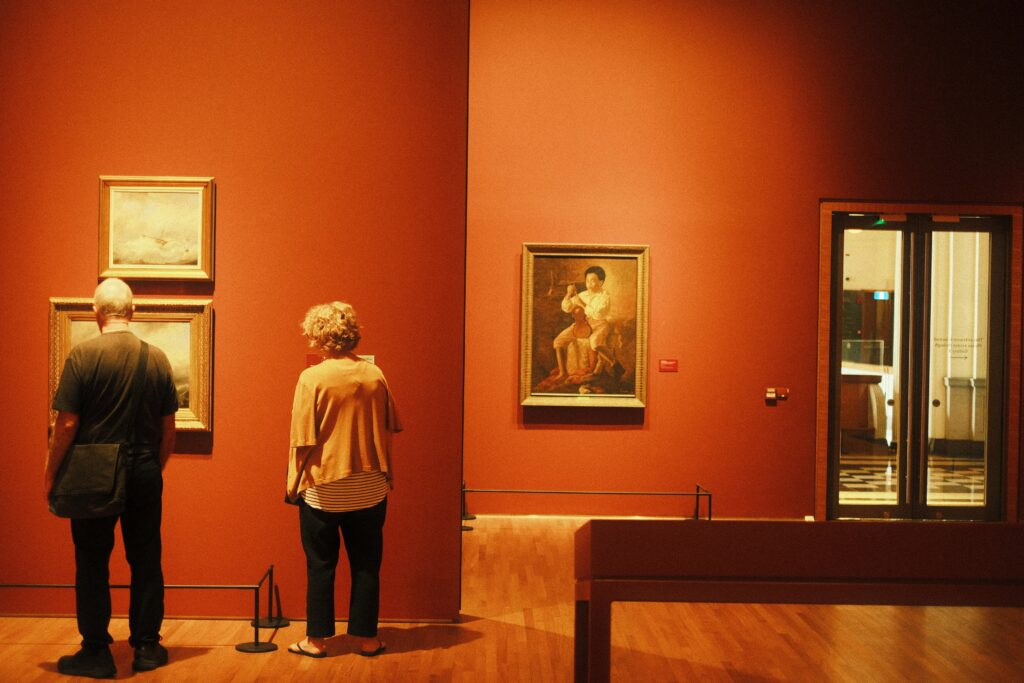
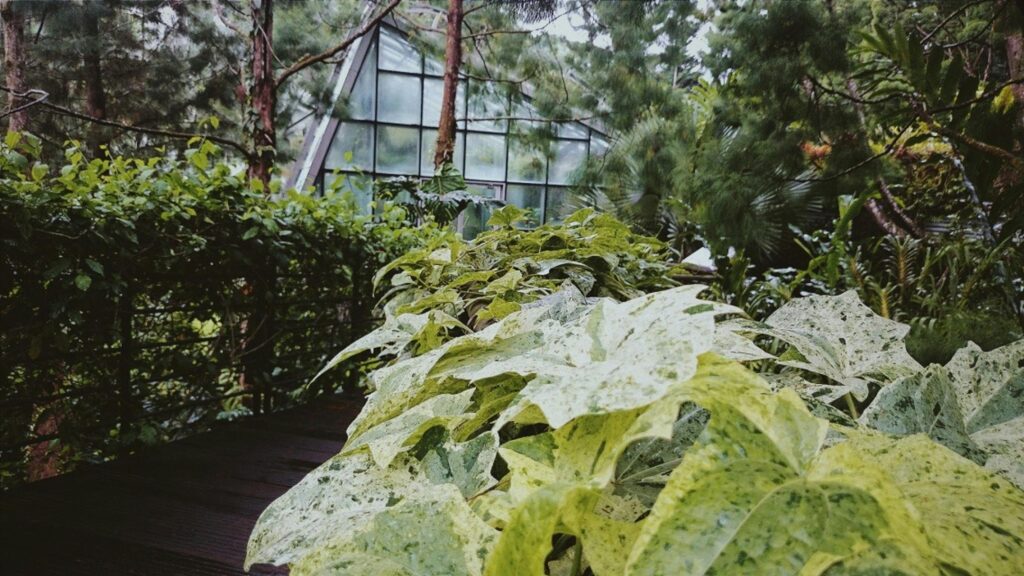
For those seeking a more affordable and peaceful experience, the off-season from October to November not only offers great hotel deals and cheaper flights, but also allows you to experience a quieter Singapore. After the rain, the city’s parks, like the Singapore Botanic Gardens, are beautifully lush, and you can stroll through them without the crowds. This period is characterized by heavy rainfall, especially in October, but the rains usually don’t last all day. Although some outdoor activities may be affected by the weather, Singapore’s indoor attractions, like its world-class museums and malls, are perfect for rainy days.
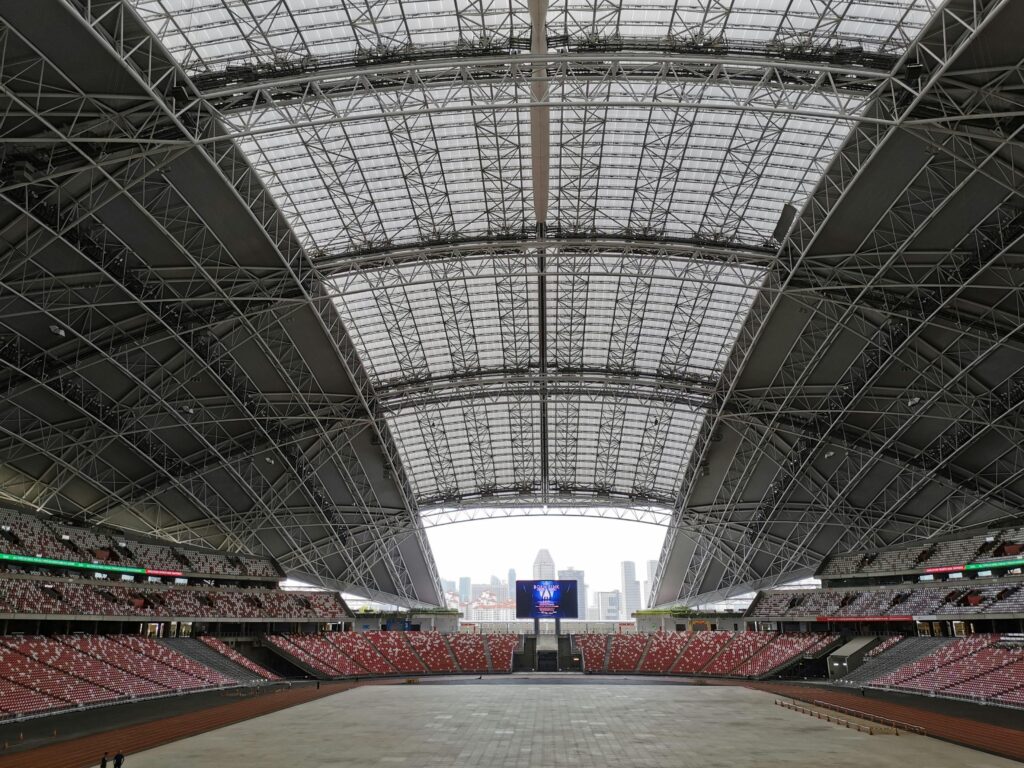
Although the weather can be unpredictable, the off-season offers some unique advantages that should not be missed. The fewer crowds at popular tourist sites mean a more relaxed experience. Additionally, the city’s parks and gardens, such as the Singapore Botanic Gardens, become even more vibrant after the rain, offering a different side of the city that many visitors miss during busier times.
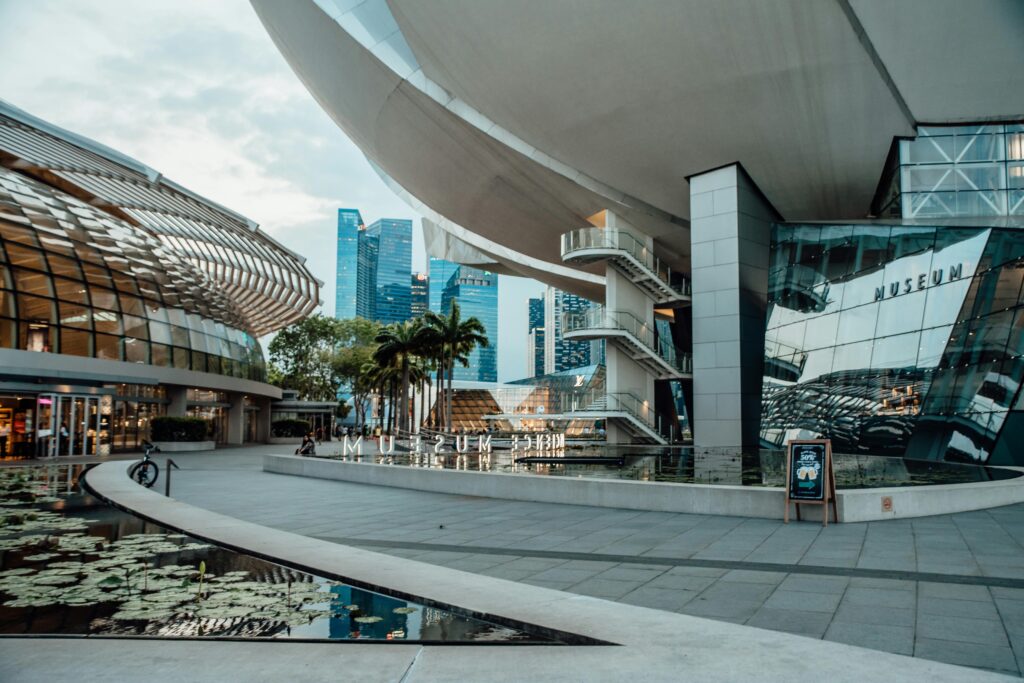
Year-Round Appeal: Singapore is Always Ready to Welcome You
One of Singapore’s greatest assets is its ability to be a top-tier destination year-round. From the dry, sun-soaked months to the rainy off-season, there’s always something happening in this dynamic city-state. Public transportation is efficient, making it easy to get around without the weather problems. Moreover, if you’re seeking the cultural buzz of a festival, the calm of its nature reserves, or the allure of world-class dining, Singapore accommodates every traveler’s needs, no matter the season.

Tips for Any Season
Before setting off on your Singapore adventure, remember to pack light, breathable clothes to stay comfortable in the tropical warmth. The city’s humidity can feel intense at times, but with the right attire, you’ll be free to explore without feeling weighed down. Regardless of when you visit, it’s essential to carry an umbrella or raincoat, especially during the rainy season. Singapore’s humidity can be intense, so staying hydrated is crucial, and sunscreen will help protect you from the strong sun.
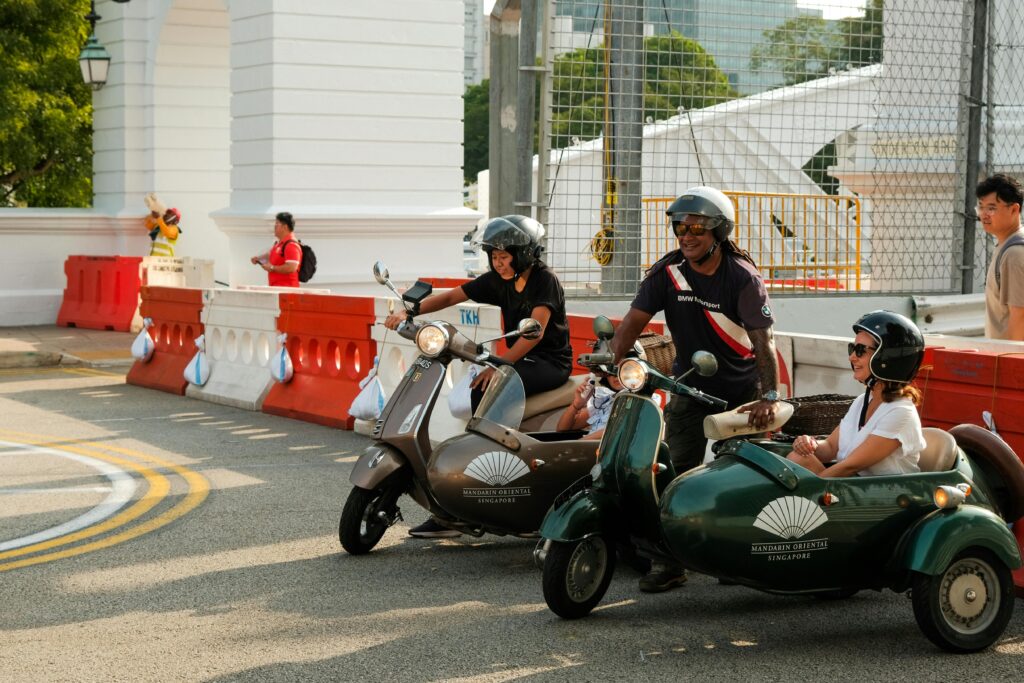
During the peak season, particularly for events like Chinese New Year, booking accommodation well in advance is advisable due to the higher demand and price hikes. If you plan to visit during the quieter months, you’ll enjoy lower rates and fewer tourists, but be sure to plan for indoor activities when the rain arrives.
Conclusion: Choosing Your Ideal Time to Visit
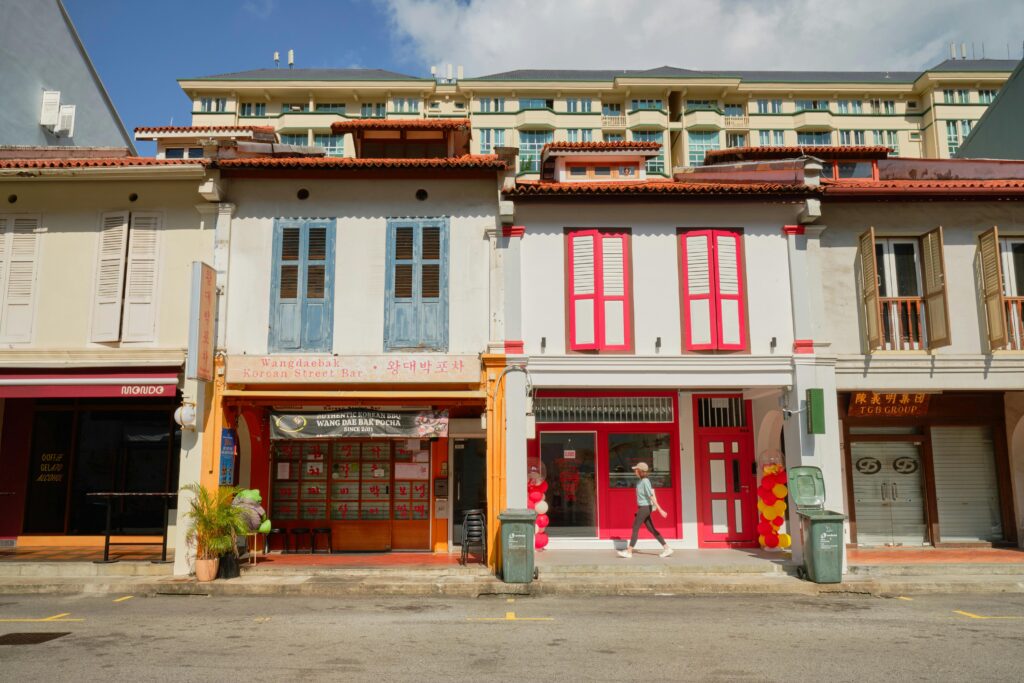
Ultimately, the best time to visit Singapore depends on what you’re hoping to experience. For ideal weather and vibrant cultural experiences, February to April is the prime window. For those who enjoy a relaxed vibe with a balance of indoor and outdoor experiences, July to September offers an enjoyable alternative. For the budget-conscious traveler looking to enjoy luxury on a budget, October to November presents an excellent opportunity.
Whatever time of year you choose to visit, Singapore’s charm remains ever-present, offering unforgettable experiences from its modern skyline to its rich cultural heritage and natural beauty, ensuring your memories will last long after your journey.