
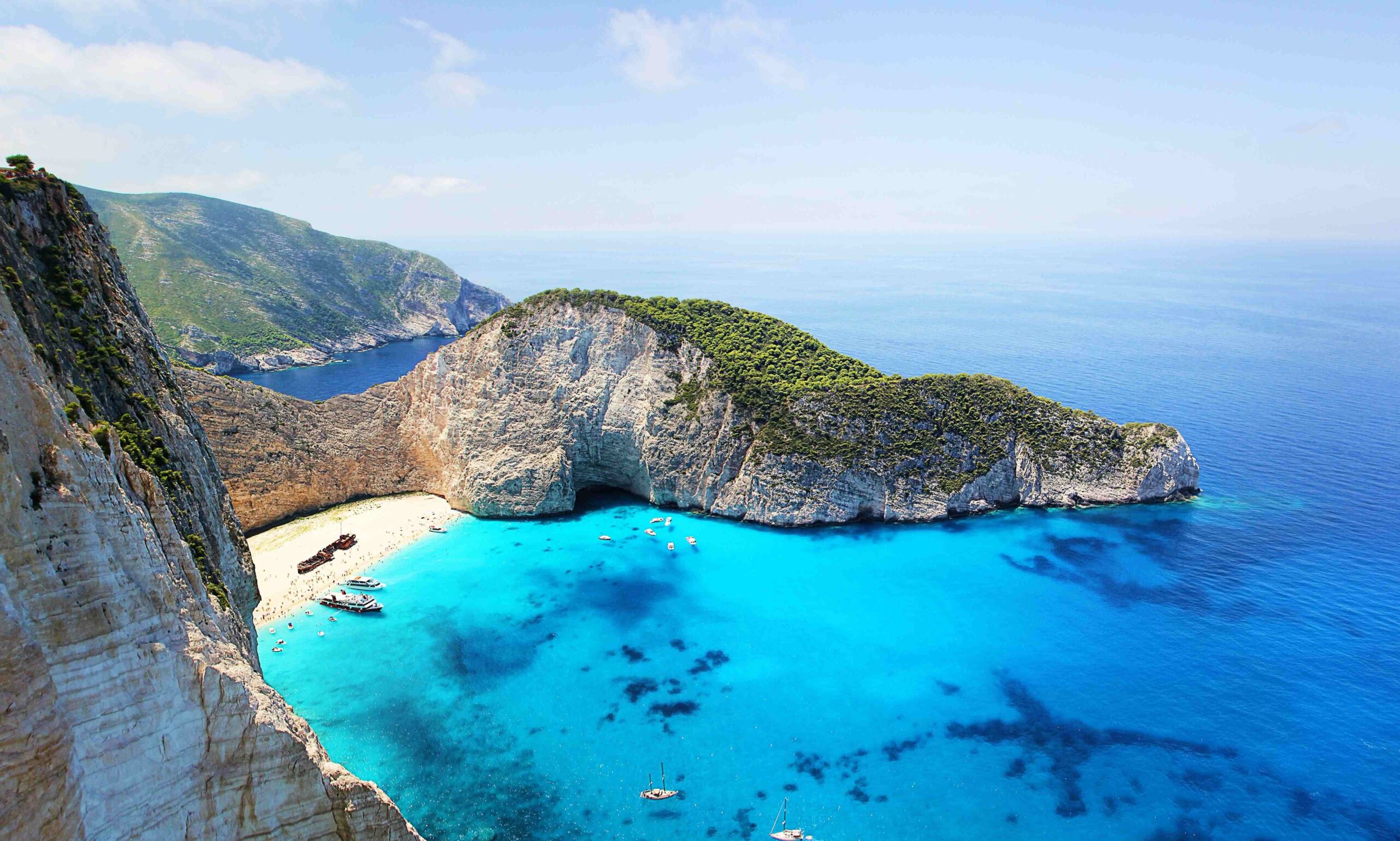
With over 200 inhabited islands scattered across distinct seas, the real difficulty of a Greek getaway is finding a beautiful location, and matching the island’s personality to your own. A postcard-perfect village on paper can easily turn into an overcrowded tourist trap or a quiet hamlet if the local pace doesn’t align with what you’re looking for.
Filter past the generic travel hype by evaluating the Greek archipelagos through a practical lens. Whether you are aiming for high-end Caldera views, uncrowded volcanic swimming coves, or slow-paced mountain villages, this guide ranks the 12 best islands to visit in Greece by their daily costs, summer crowd density, and distinct regional atmospheres.
Quick Comparison: Ranking the Top 12 Greek Islands
To help clarify your planning, the table below outlines the core attributes, ideal stay duration, and average daily cost range for each destination.
Island | Regional Group | Core Vibe | Crowd Level (Peak Summer) | Avg. Daily Budget (USD) | Best For |
|---|---|---|---|---|---|
Santorini | Cyclades | Dramatic Caldera views & luxury | Very High (Over-tourism) | $250 – $500+ | First-timers, couples, luxury seekers |
Mykonos | Cyclades | High-energy nightlife & chic beach clubs | Very High | $280 – $550+ | Nightlife, luxury dining, scene-seekers |
Naxos | Cyclades | Authentic local food, wide beaches & culture | Moderate | $140 – $240 | Families, foodies, balanced budgets |
Milos | Cyclades | Volcanic coastlines & unique coves | Moderate to High | $160 – $300 | Couples, beach lovers, geology enthusiasts |
Paros | Cyclades | Cosmopolitan ports & active watersports | High | $180 – $320 | Trendy travelers, mid-range luxury |
Syros | Cyclades | Neoclassical architecture & local living | Low to Moderate | $130 – $220 | Cultural seekers, year-round authenticity |
Crete | Standalone (Region) | Vast landscapes, gorges, food & ancient history | Moderate (Varies by region) | $130 – $260 | Road-trippers, history buffs, long stays |
Rhodes | Dodecanese | Medieval history, castles & resort beaches | High | $140 – $250 | History enthusiasts, families |
Corfu | Ionian | Lush greenery, Venetian towns & calm seas | Moderate to High | $150 – $270 | Nature lovers, European culture fans |
Kefalonia | Ionian | Dramatic cliffs, turquoise bays & quiet villages | Moderate | $140 – $250 | Relaxed road trips, beach lovers |
Hydra | Saronic Gulf | Vehicle-free art retreat & stone mansions | High (Day-trippers) | $180 – $350 | Quick escapes from Athens, quiet luxury |
Ikaria | North Aegean | Slow living, longevity culture & wild nature | Low | $110 – $180 | Off-the-beaten-path, wellness, budget travelers |
Glamour, Views, and Peak Crowds
Santorini: Dramatic Caldera Views at Premium Prices
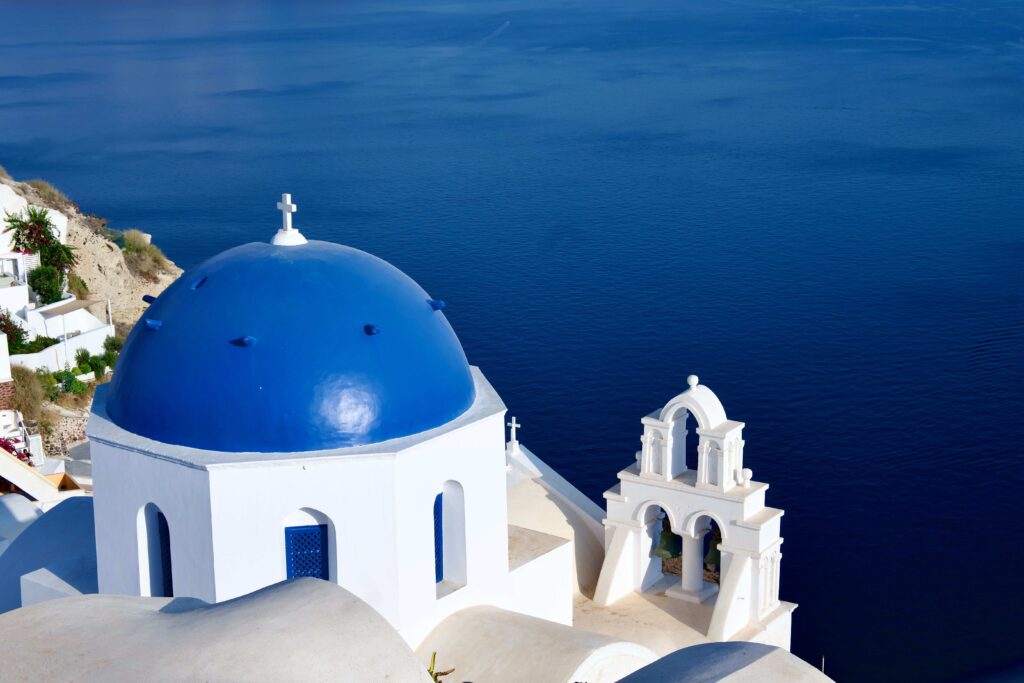
Santorini owes its extraordinary topography to a massive volcanic eruption around 1600 BCE, which left behind a sea-filled crater bordered by sheer cliffs. Perched along these cliff edges are villages characterized by whitewashed cave houses and blue-domed churches. The island’s unique geology creates one of the most striking landscapes in the Mediterranean.
Rather than rushing through the crowded sunset points in Oia, base yourself in cliffside settlements like Imerovigli or Firostefani to enjoy the caldera views in relative peace. A 3 night stop gives you just enough time to tour the Minoan ruins at Akrotiri, taste crisp Assyrtiko white wines, and take a catamaran cruise around the submerged volcano. Daily expenses average $250 to $500 or more per person. For visual impact alone, Santorini remains one of the best places to visit in Greece for first-timers seeking high-end Mediterranean hospitality. If you’re picking a base, our guide to the best Santorini hotels breaks down which villages suit which travel style.
Mykonos: High-Energy Beach Clubs and Cosmopolitan Nightlife
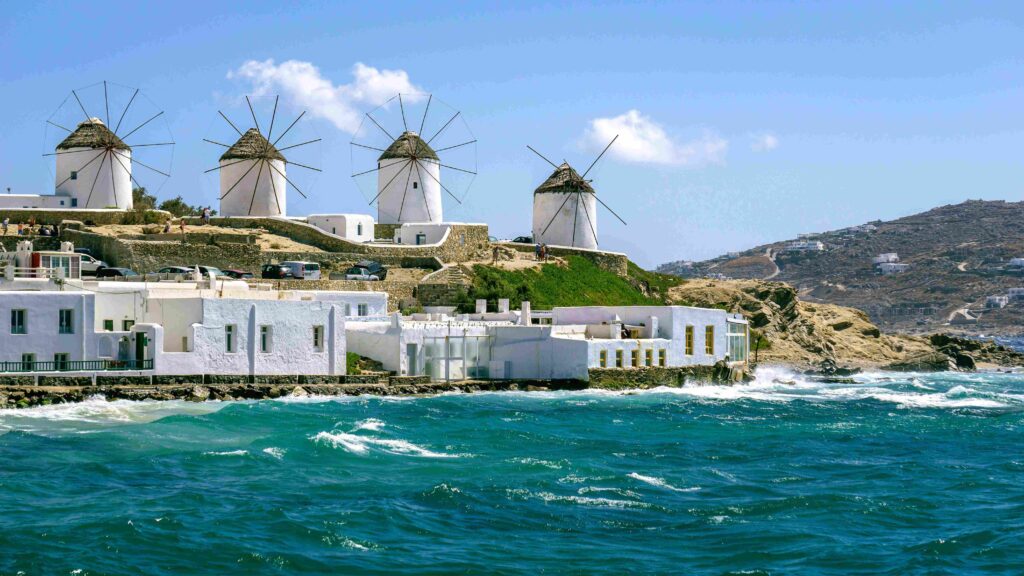
Mykonos is world-renowned for its cosmopolitan atmosphere, golden sandy bays, and vibrant nightlife scene. The main town, Chora, features a maze of narrow whitewashed alleys lined with luxury boutiques, art galleries, and upscale restaurants. By day, the island’s south coast beach clubs draw international crowds with high-end seaside dining and sun loungers.
Giving Mykonos 48 to 72 hours works well if your goal is to experience the high-octane beach lounge culture and explore Little Venice before moving on to quieter islands. Mid-summer bringing dense crowds of cruise travelers and international jet-setters pushes typical daily spending to $280–$550+. It stays a premier choice for travelers prioritising world-class dining, designer shopping, and energetic social scenes.
Sandy Beaches and Local Life
Naxos: Agricultural Depth and Extensive Coastlines
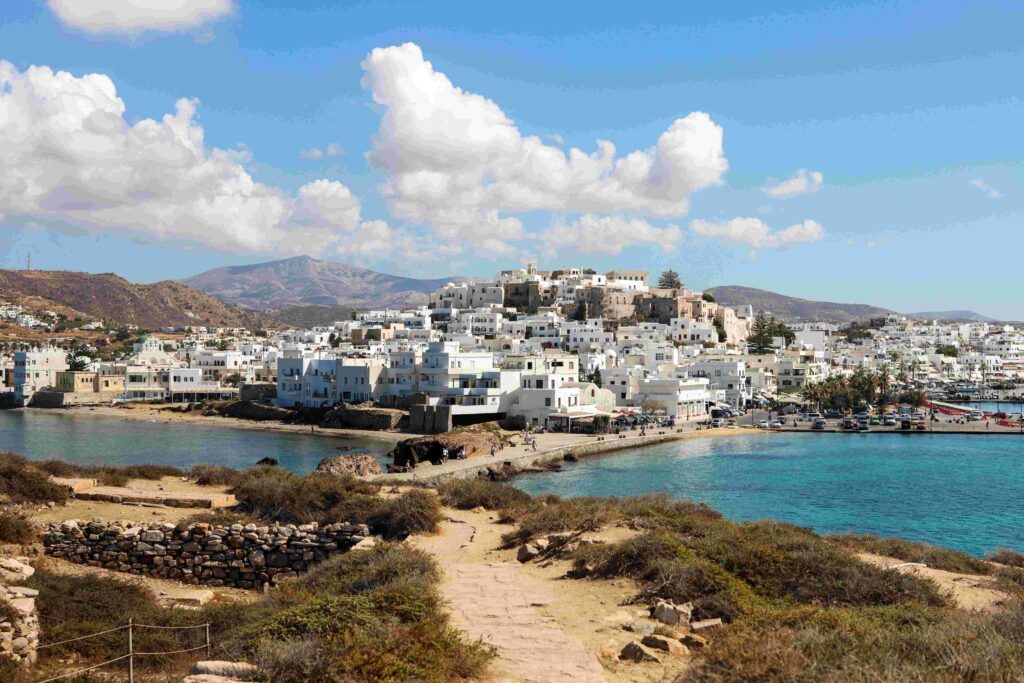
Naxos is the largest of the Cyclades, standing out for its lush agricultural valleys, granite mountains, and expansive sandy beaches. Unlike islands dependent on seasonal tourism, Naxos produces its own potatoes, cheeses, olive oil, and citrus liqueurs, giving its villages a grounded, working atmosphere.
Because Naxos is geographically large, carving out 4 to 5 days allows you to divide time between coastal stretches like Agios Prokopios and inland road trips up Mount Zeus to mountain hamlets like Apiranthos. With budgets averaging $140 to $240, it stands out as an exceptional value within the Cyclades. Naxos ranks among the best Greek islands to visit for travelers wanting a genuine blend of relaxed beach days, ancient monuments, and deep culinary roots.
Milos: Volcanic Shorelines and Sculpted Coves
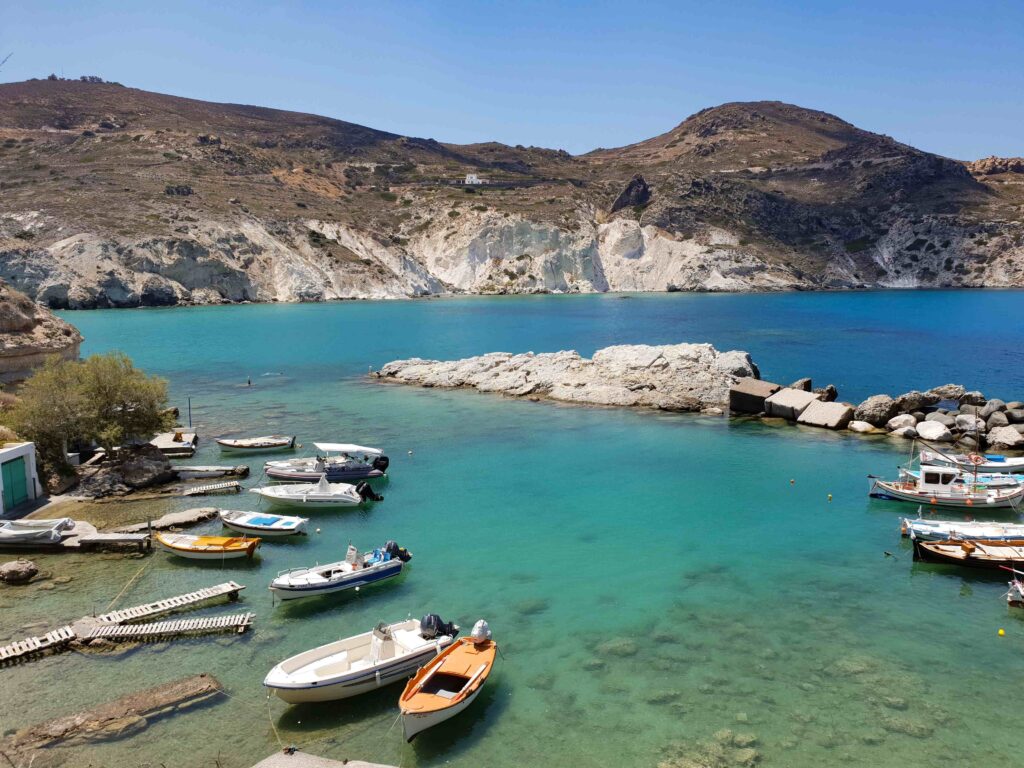
Milos features one of the most varied marine environments in the Aegean, shape-shifted by ancient volcanic activity. The coastline is defined by white stone formations, sea caves, and colorful fishing hamlets with traditional boathouses built into the rock. Sarakiniko beach, with its smooth, moonlike chalk-white rocks, is among the most unique coastal settings in the region.
A well-paced three-day visit centers around water exploration, specifically taking a full-day sailboat trip to the pirate coves of Kleftiko and visiting the cliffside boathouses in Klima. Expect daily costs between $160 and $300 per person. For travelers prioritizing sea swimming, coastal photography, and dramatic marine geology, Milos offers access to some of the best beaches in Greece and its clear volcanic coves regularly show up on lists of the best places to snorkel in the world.
Paros: A Trendy Alternative Between Naxos and Mykonos
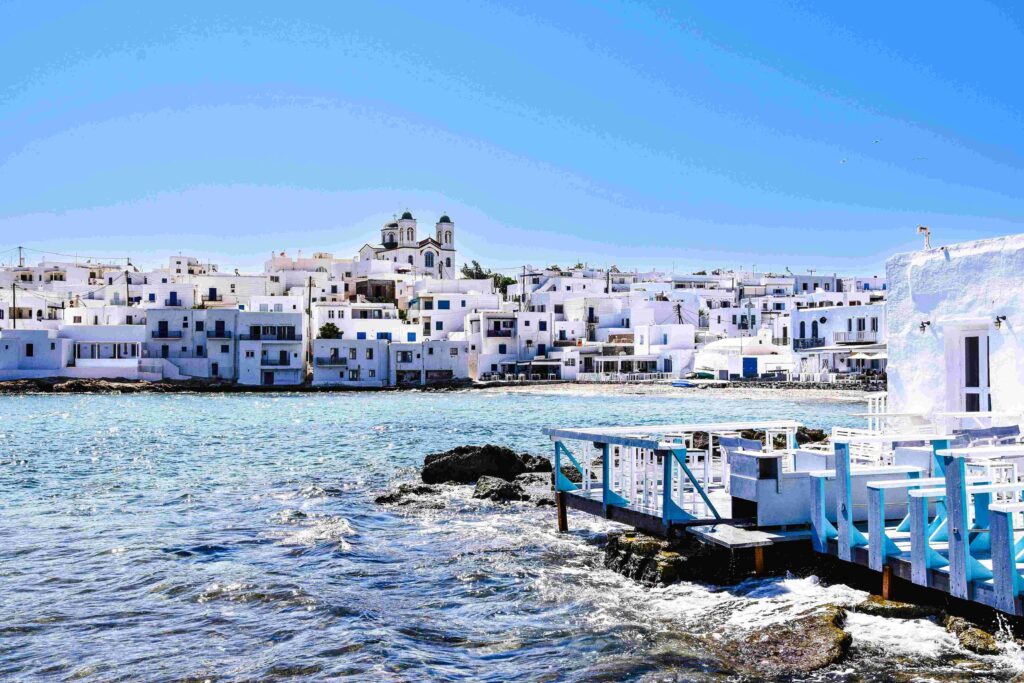
Paros strikes a balanced middle ground between the high-octane luxury of Mykonos and the grounded, family-friendly rhythm of Naxos. Its primary northern harbor town, Naoussa, features a picturesque fishing port lined with stone tavernas, lounge bars, and fashionable clothing boutiques. The island also offers world-class windsurfing along its eastern shores at Golden Beach.
Setting aside 3 days lets you absorb the boutique shopping in Naoussa, take a ten-minute passenger boat across to neighboring Antiparos, and hike the ancient marble paths around Lefkes. Daily expenses average $180 to $320. Paros attracts travelers who want a stylish, cosmopolitan feel and lively evening options without the extreme price tags of Mykonos.
Syros: Neoclassical Heritage and Year-Round Island Living
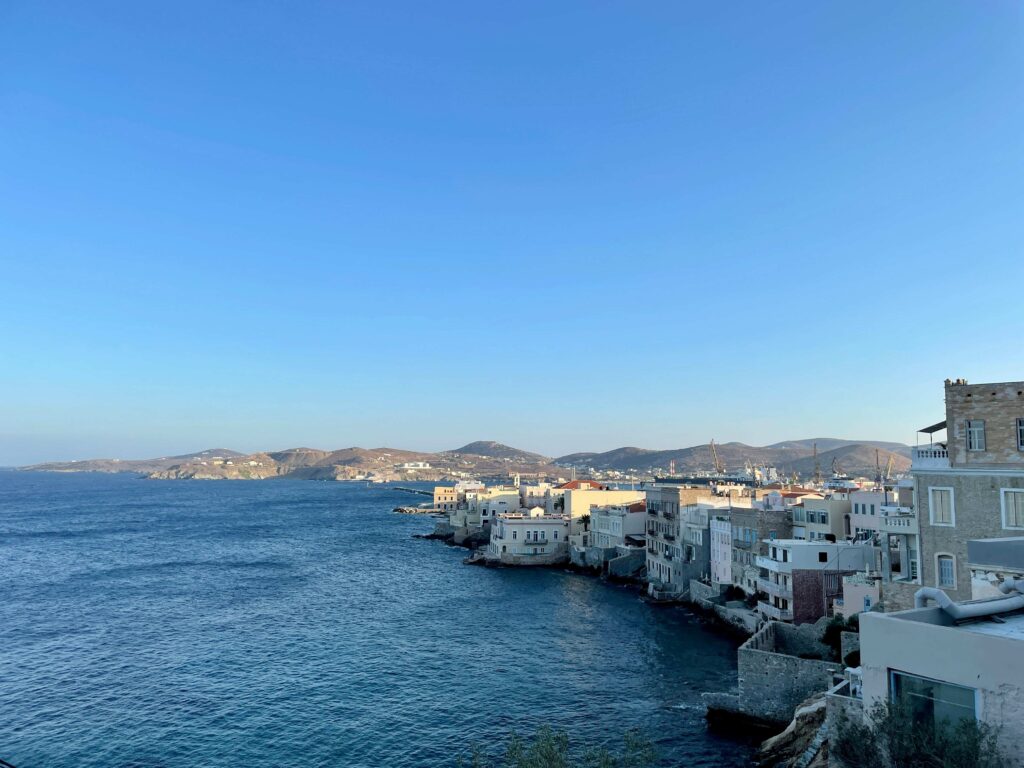
Syros serves as the administrative capital of the Cyclades, centered around the grand port town of Ermoupoli. Built across twin hills, the city features marble plazas, nineteenth-century neoclassical mansions, and the historic Apollo Theater. Because Syros functions as a regional civil hub year-round, its daily life revolves around local residents rather than seasonal visitors.
An itinerary of 2 to 3 nights offers an authentic look into Cycladic civic history. You can wander through the hilltop medieval quarter of Ano Syros, sample local loukoumi sweets, and watch evening life unfold across Miaouli Square. Daily budgets run $130 to $220. Syros offers a quiet, culturally rich perspective on island life with straightforward ferry links to Athens and the rest of the Cyclades.
Regional Powerhouses: Scale, Diversity, and History
Crete: A Diverse Island Destination Unto Itself
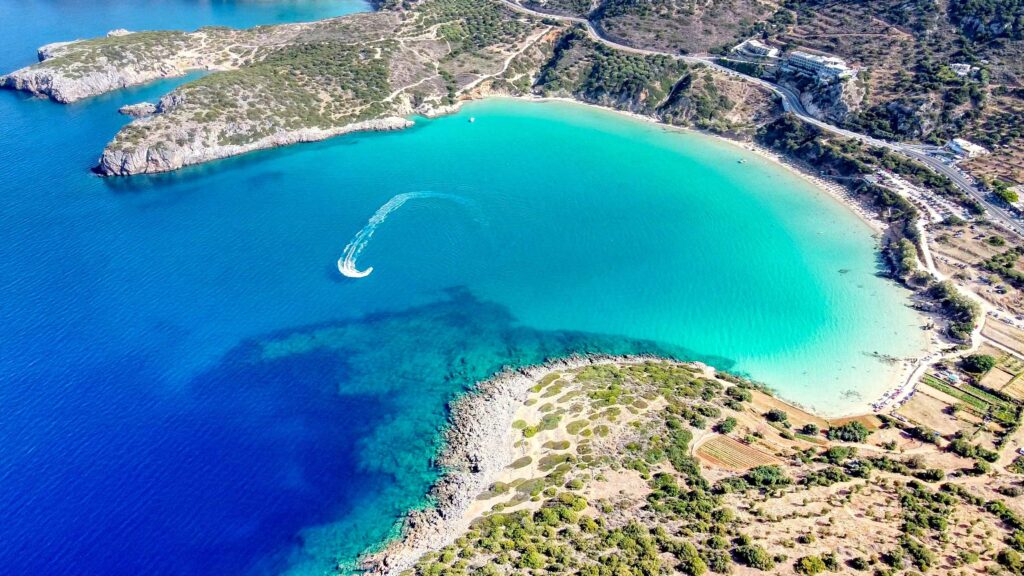
Crete is the largest island in Greece, operating almost as a country unto itself. Its landscape spans rugged mountain ranges, deep gorges, ancient olive groves, and long sandy shores. Historically, Crete was the center of the Bronze Age Minoan civilization, leaving behind impressive archaeological sites like the Palace of Knossos near Heraklion. As a standalone region, it is geographically distinct from the smaller island chains.
Treat Crete as a multi-region road trip rather than a quick island-hop. Allocate a full week focusing specifically on the western coast around Chania and Rethymno to combine hikes through the Samaria Gorge with visits to Minoan ruins and meals centered on Cretan olive oils and mountain herbs. Daily costs range from $130 to $260. Crete easily qualifies as one of the best islands to visit in Greece for travelers interested in history, hiking, and culinary depth.
Rhodes: Medieval Fortresses and Eastern Aegean Charm
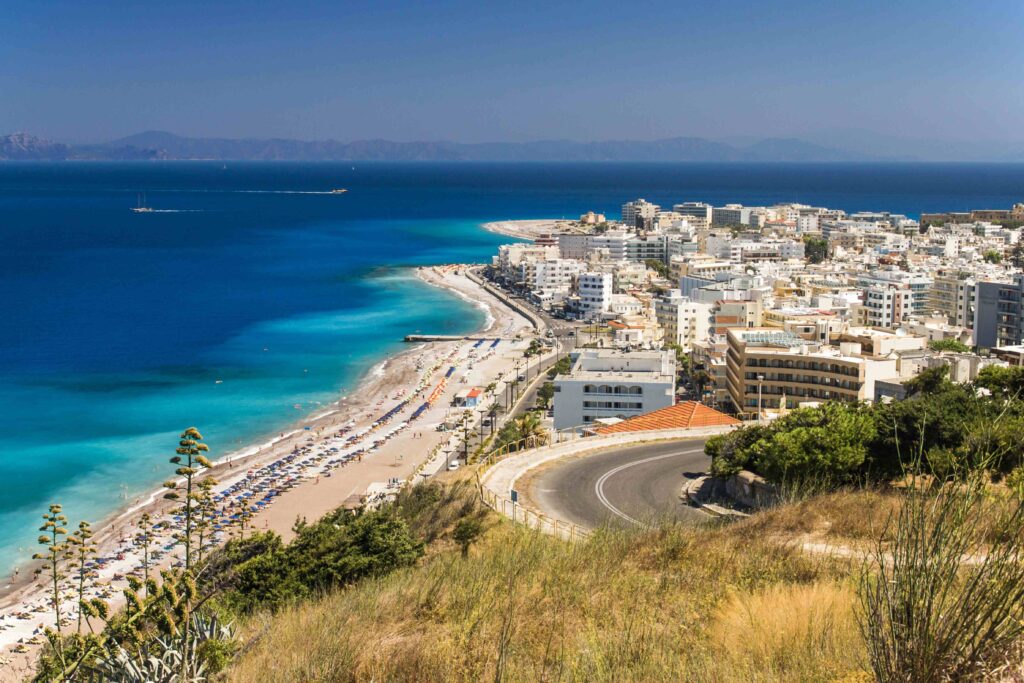
Located in the southeastern Aegean near the Turkish coast, Rhodes boasts a long, layered history influenced by classical Greece, the Byzantine Empire, the Knights Hospitaller, and the Ottoman Empire. The medieval Old Town of Rhodes, enclosed by fortified stone walls, is an extraordinarily preserved living monument where cobblestone streets lead to grand palaces and historic mosques.
Dedicate 3 to 4 days to split time between walking the ramparts of the Palace of the Grand Master and heading south to the whitewashed clifftop acropolis of Lindos. Average expenses run between $140 and $250 per day. Rhodes serves as an ideal gateway to the Dodecanese archipelago, offering a blend of resort relaxation and rich historical exploration.
Corfu: Venetian Architecture and Lush Ionian Landscapes
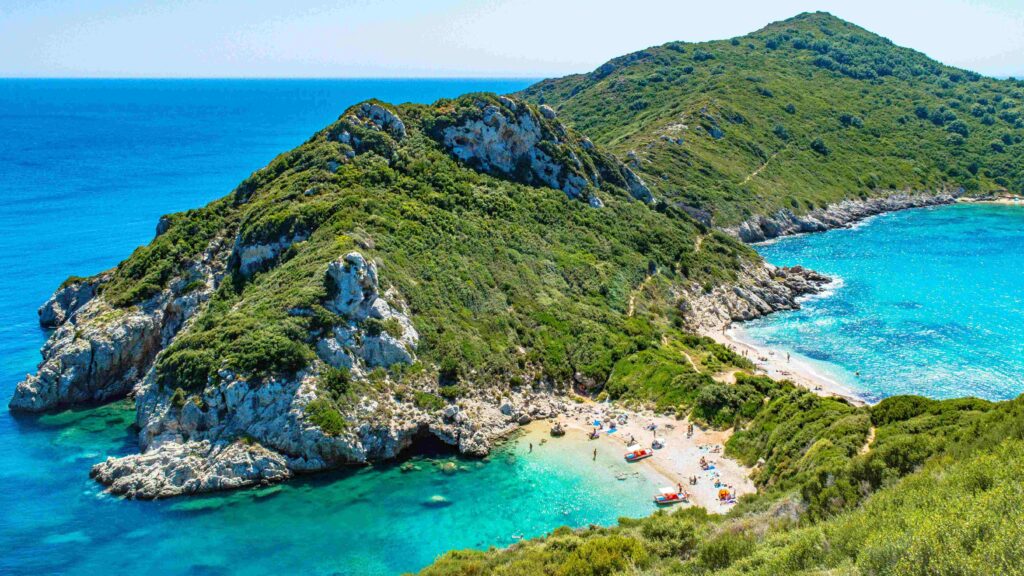
Situated off Greece’s northwestern coast in the Ionian Sea, Corfu features a landscape characterized by dense olive groves, cypress trees, and dramatic sea cliffs. Having spent centuries under Venetian, French, and British rule, Corfu Town exhibits European architectural influences, from pastel-hued Venetian mansions to grand arcaded esplanades.
4 days allows for a satisfying contrast between urban exploring in UNESCO-listed Corfu Old Town and driving through northern olive forests toward the dramatic bays of Paleokastritsa. Daily travel budgets average $150 to $270 per person. Corfu presents a distinctly green, western Mediterranean feel that contrasts with the arid landscapes of the Aegean islands.
Kefalonia: Dramatic Cliffs and Turquoise Bay Exploration
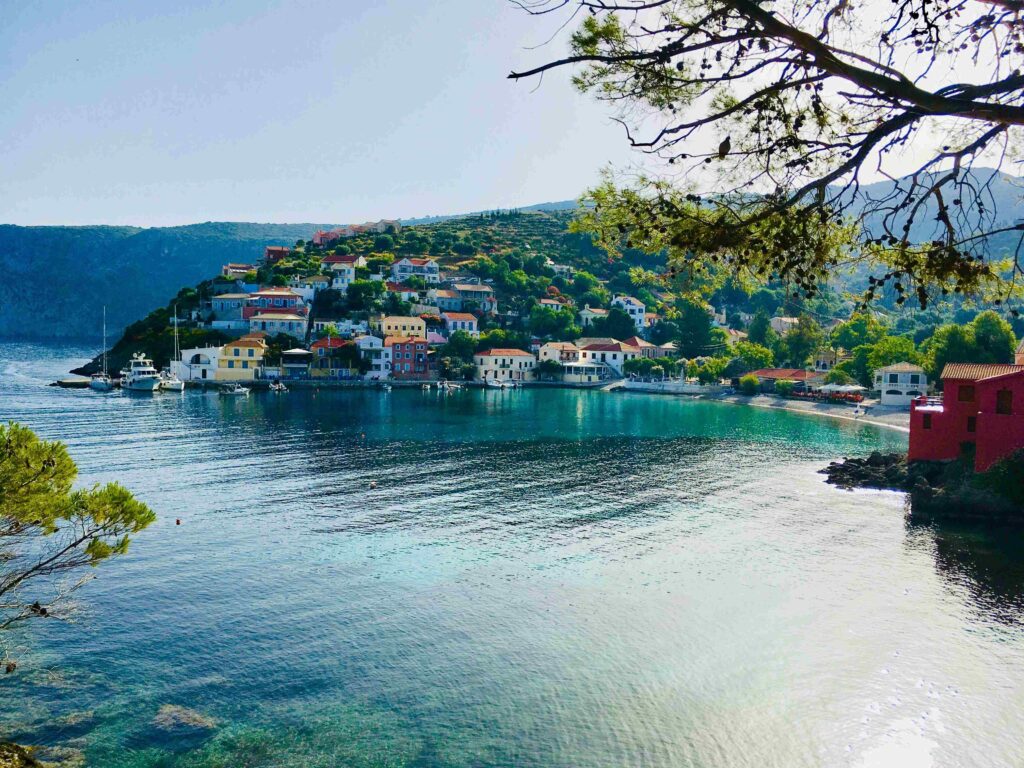
Kefalonia is the largest island in the Ionian group, famous for its dramatic mountain drop-offs, pine forests, and subterranean lakes. Its coastline features some of the most striking water colors in the Mediterranean, highlighted by the sheer limestone cliffs and bright blue sea at Myrtos Beach, as well as the underground waters of Melissani Cave.
Since the terrain is rugged, renting a car for a 4 day stay is essential to reach remote fishing hamlets like Assos and Fiscardo. Daily budgets run between $140 and $250. Kefalonia offers a spacious, laid-back atmosphere where nature takes precedence over crowded resort nightlife.
Vehicle-Free Havens and Slow-Living Culture
Hydra: Historic Stone Architecture Free of Motor Vehicles
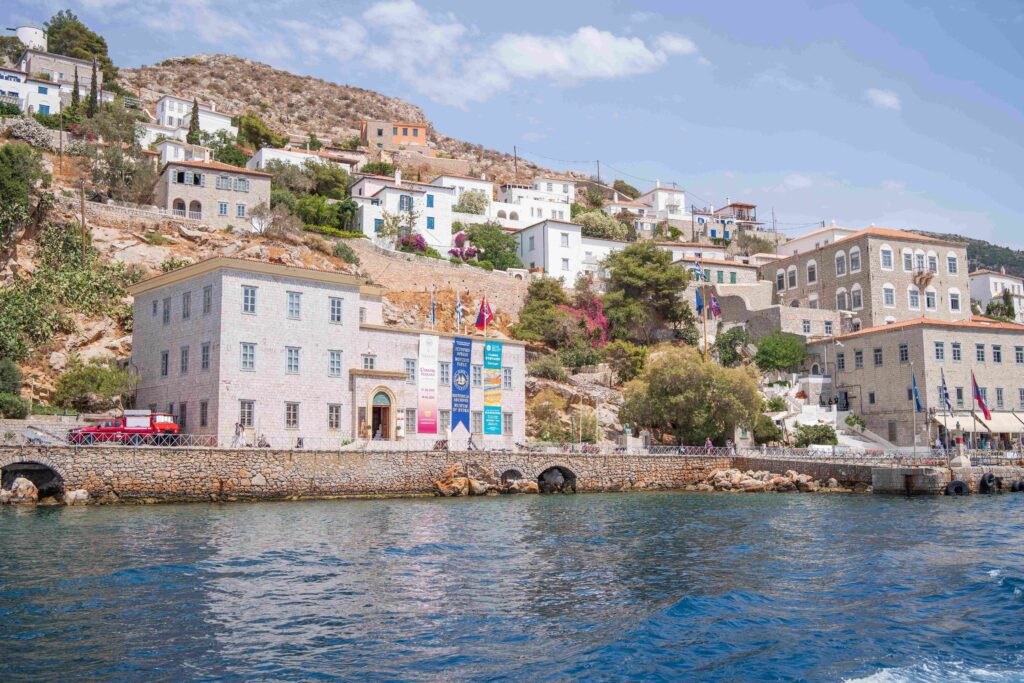
Hydra is located in the Saronic Gulf, just a ninety-minute high-speed hydrofoil ride from Athens’ Piraeus port. The island maintains a strict preservation order prohibiting motor vehicles, including cars, scooters, and bicycles. Transportation relies on donkeys, water taxis, or walking along well-maintained stone paths.
Hydra shines as a serene 24 to 48 hour pause, ideally placed at the beginning or end of a broader mainland trip. You can spend your days wandering past 18th-century stone captain mansions, visiting local art galleries, and swimming off the rocky coastal platforms. Daily costs range between $180 and $350. Its proximity to the capital makes Hydra a convenient finish to a mainland itinerary.
Ikaria: Mountain Villages and Slow-Paced Longevity
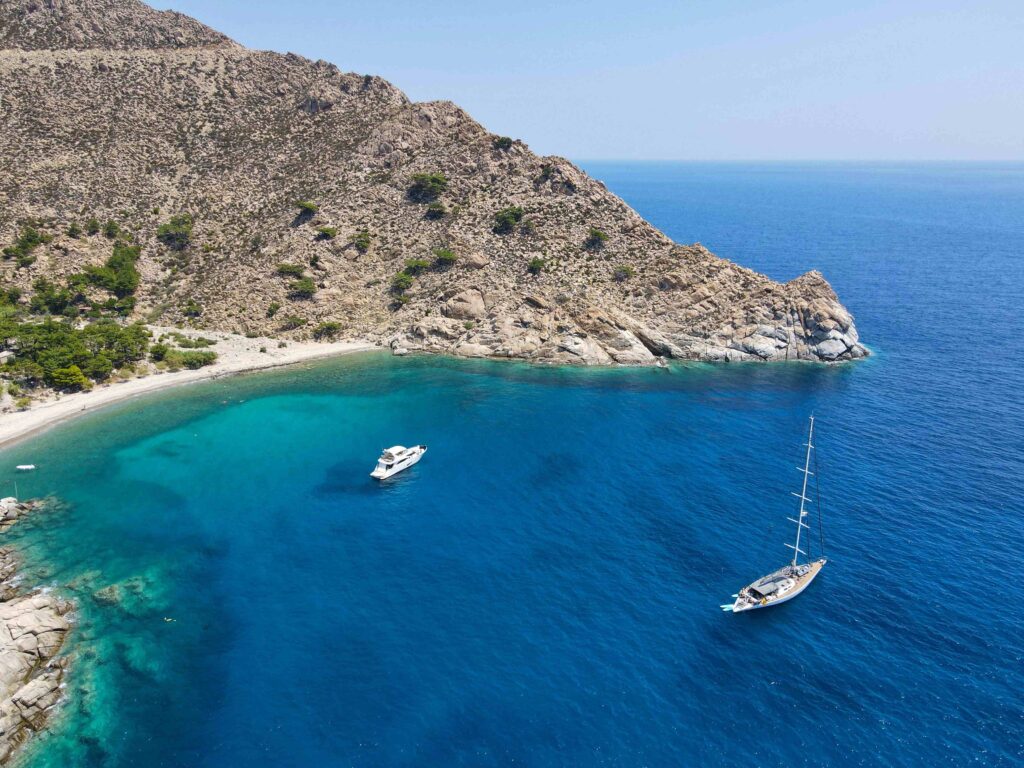
Belonging administratively to the North Aegean region alongside Samos, Ikaria has earned global renown as a Blue Zone – a region where residents statistically live significantly longer, healthier lives. The island’s geography is rugged and untamed, defined by deep ravines, mountain forests, and secluded granite coves.
Slow your pace down across a three- or four-night stay focused on outdoor hiking, soaking in natural thermal springs, and attending late-night village festivals (panigyria). Daily costs run $110 to $180 per person, making it one of the most affordable and authentic islands to visit in Greece for travelers seeking a genuine off-the-beaten-path escape.
How to Choose Your Ideal Island Match
Selecting from the best islands in Greece comes down to matching your personal travel style with the right geographic cluster. Rather than trying to jump between distant archipelagos, focus on islands that share direct ferry connections:
- Classic first-timer pair: Santorini and Naxos (Cyclades). Combine dramatic volcanic vistas with relaxed beach days and authentic regional food.
- Scenic & photography focus: Milos and Kefalonia. Ideal for travelers prioritizing unique marine geology, boat trips, and world-class swimming spots.
- Culture & history deep-dive: Crete and Syros. Perfect for exploring ancient Minoan ruins, Venetian ports, and year-round urban Greek culture.
- Low-crowd & off-beat escape: Ikaria and Naxos. Geared toward hikers, budget-conscious travelers, and those wanting an unhurried, local rhythm.
FAQs
Which Greek island has the absolute best beaches?
Islands like Milos, Naxos, and Kefalonia consistently top the list. Milos offers surreal white volcanic stone coves at Sarakiniko, Naxos features long stretches of soft golden sand at Agios Prokopios, and Kefalonia boasts dramatic turquoise bays at Myrtos.
Is it easy to island-hop between different archipelagos?
Ferry routes are designed to connect islands within the same archipelago (such as hopping within the Cyclades or Ionian islands). Crossing between different island chains for instance, going from the Ionian island of Corfu to the Cycladic island of Santorini usually requires returning through Athens by air or sea.
What is the best Greek island for travelers on a budget?
Naxos, Syros, and Ikaria offer some of the best value in the Aegean. They feature affordable family-run tavernas, reasonable guesthouse pricing, and local economies that don’t rely on high-season tourist markups. If you’re mapping out costs across a multi-island trip, our guide on how to set a travel budget without ruining the experience is a useful starting point.
Should I book ferry tickets in advance for 2026?
Yes, particularly if you are traveling during peak summer (July through August) or plan to take high-speed passenger catamarans between popular routes like Athens, Santorini, Paros, and Mykonos. If you’d rather sidestep the crowds and price spikes altogether, our comparison of peak season vs. off-season travel lays out what changes if you shift your dates.
Key Takeaway
Finding the right Greek island is choosing an island whose pace, budget, and character align with your vision of a Mediterranean getaway. Whether you lean toward the iconic cliffside views of Santorini, the agricultural warmth of Naxos, or the quiet mountain paths of Ikaria, each island delivers a distinct perspective on sea, history, and local living. Focus your route within a single region, keep your transit days reasonable, and let the character of each island unfold naturally.
Read Next: Where to Go in Greece: 12 Best Places for First-Timers