
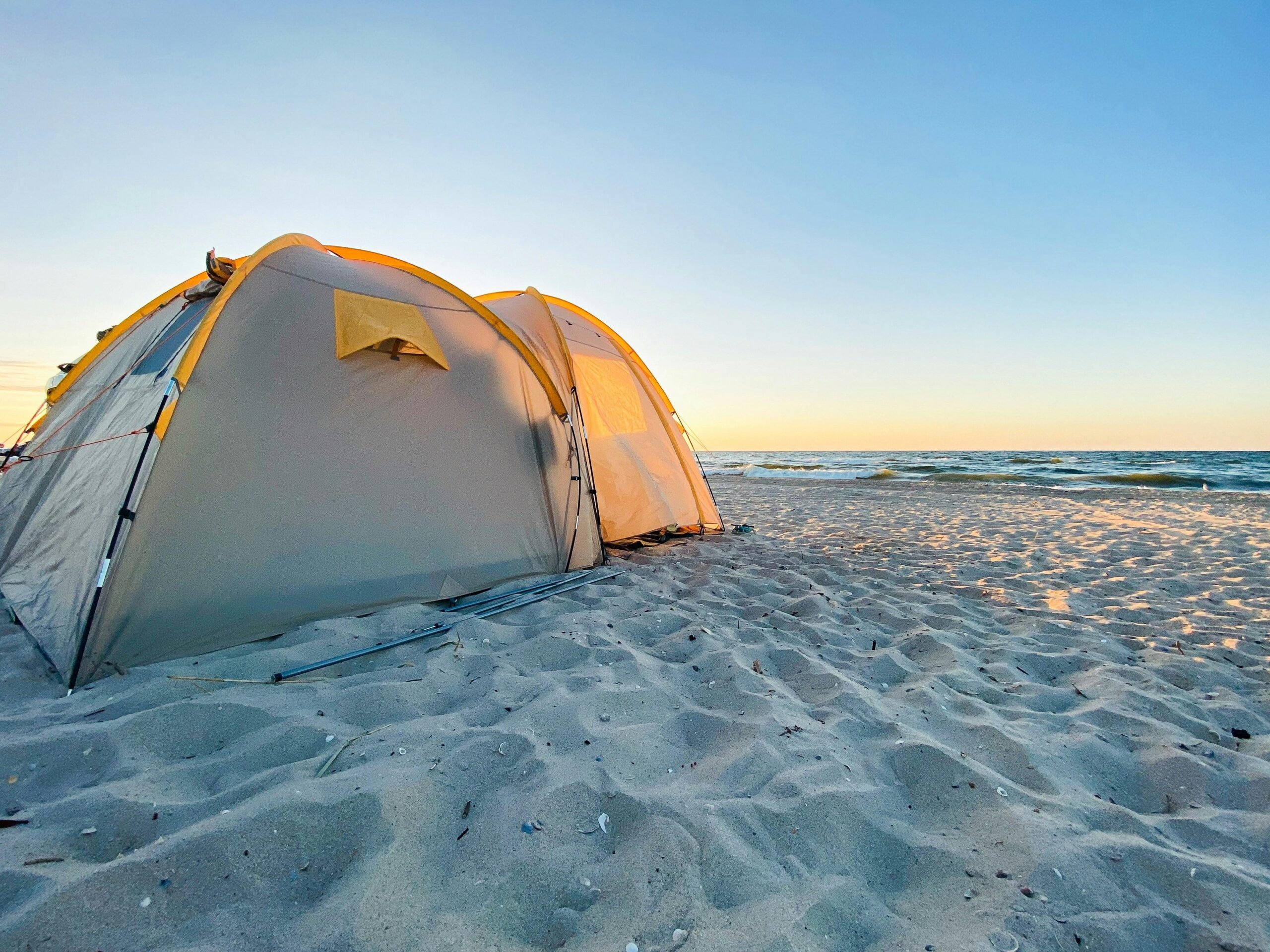
Beach camping turns a standard outdoor trip into a different experience, replacing engine noise with the rhythm of crashing surf and endless horizons. Camping right on the coast takes a different level of planning than pitching a tent in a forest. Between unpredictable ocean tides, salt spray, shifting sand, and high winds, picking the right spot and knowing the local rules is the difference between an incredible night under the stars and a midnight rescue. Here are 15 places worth learning those rules for, plus what it actually costs and how to get a site in 2026, and if you’re weighing the coast against the mountains,our broader roundup of the best camping spots in the US covers the inland side of that decision too.
2026 Price Benchmark & Booking Logistics for Coastal Sites
Securing a plot on the sand requires watching specific reservation systems depending on whether the land is state or federally managed. Federal sites like National Seashores run through Recreation.gov, which typically releases spots on a rolling six-month window and charges an $8.00 reservation fee. State park systems, like ReserveCalifornia, open six months out at 8:00 AM PST and carry an $8.25 transaction fee per site. Planning for beach camping means factoring in specialized gear like sand stakes and extra water, as many coastal locations lack potable water or hookups.
Campground / Spot | State | Type | Price/night | Booking / logistics | Best for |
|---|---|---|---|---|---|
Kalaloch Campground | WA | National Park | $24 – $30 | Recreation.gov (6-month rolling window + $8 fee); Heavy fog & wind | Blufftop ocean views and rainforest proximity |
Cape Lookout State Park | OR | State Park | $21 – $35 | Oregon State Parks portal (6-month rolling window) | Soft sand dune tent sites and wide beaches |
Kirk Creek Campground | CA | USFS | $45 – $47 | Recreation.gov (6-month rolling window); No potable water | Unobstructed 180-degree Big Sur coastal bluffs |
Sonoma Coast State Park | CA | State Park | $35 – $45 | ReserveCalifornia (6-month rolling window + $8.25 fee) | Rugged sea stacks, quiet coves, and surf views |
Jalama Beach County Park | CA | County Park | $40 – $50 | Santa Barbara County portal (90-day rolling window) | Surfing, coastal winds, and secluded beaches |
Assateague Island National Seashore | MD | National Seashore | $40 | Recreation.gov (6-month rolling window); Sand stakes required | Wild horses roaming near the campsites |
Cape Hatteras National Seashore | NC | National Seashore | $28 – $35 | Recreation.gov (6-month rolling window); Exposed sand dunes | Atlantic sunrise views and fishing access |
Bahia Honda State Park | FL | State Park | $36 | Florida State Parks portal (11-month window for residents) | Crystal-clear turquoise water and snorkeling |
Padre Island National Seashore | TX | National Seashore | $10 – $28 | On-site at ranger station / First-come for primitive beach | Driving and boondocking along 60 miles of sand |
Garden Key (Dry Tortugas) | FL | National Park | $15 | Ferry booking (Yankee Freedom) required; Pay site fee via Recreation.gov app | Camping beside historic Fort Jefferson, tropical snorkeling, dark skies |
Polihale State Park | HI | State Park | $20 – $30 | Hawaii DLNR portal (30-day window); 4WD vehicle required | Massive western Kauai sand dunes and sunsets |
Cayo Costa State Park | FL | State Park | $22 | Florida State Parks portal; Accessible by boat or ferry | Remote island solitude and shell collecting |
Waiʻānapanapa State Park | HI | State Park | $30 | Hawaii DLNR portal (30-day window); Out-of-state permits | Volcanic black sand beaches and sea caves |
Second Beach | WA | National Park | $16 (Permit) | Recreation.gov (Wilderness permit required); Hike-in only | Primitive backcountry tent sites among sea stacks |
Flamenco Beach | PR | Municipal | $20 – $30 | Local municipal portal or on-site booking | Calm Caribbean water and white coral sand |
Pacific Coast Oceanfront Camping: Rugged Bluffs and Misty Waters
The Pacific Northwest and Golden State coast offer some of the most dramatic coastlines in the country, where dense evergreen forests drop straight into crashing surf. Camping here means preparing for cool marine layers, damp morning fog, and heavy winds.
1. Kalaloch Campground (Olympic National Park, Washington)
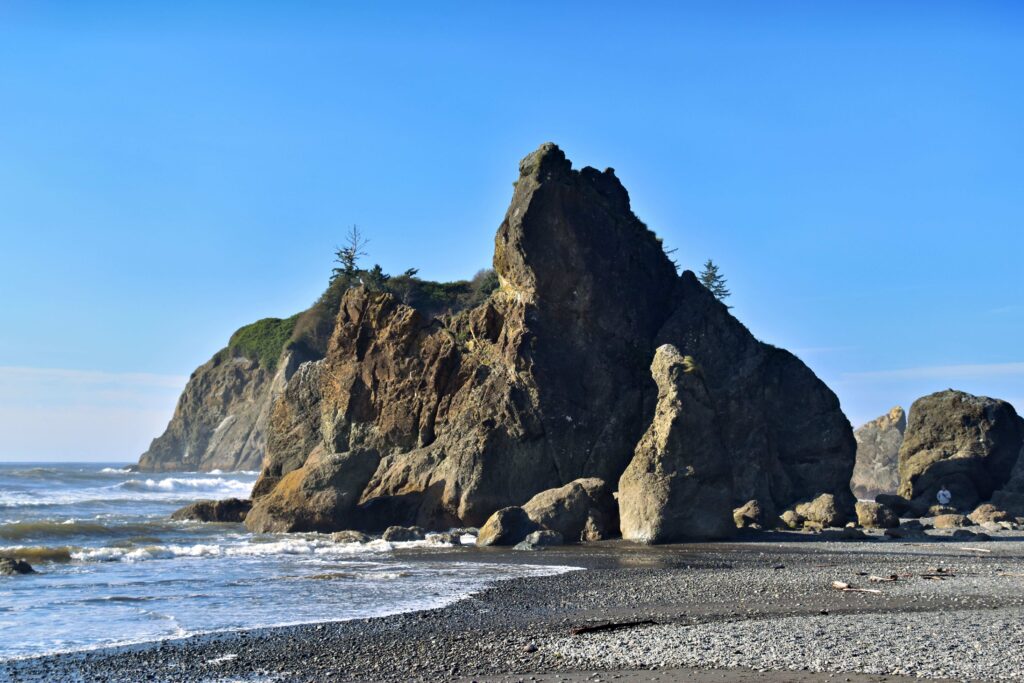
Perched high on a coastal bluff, Kalaloch looks down on dark sand beaches strewn with massive silver driftwood logs. It’s a prime launch point for exploring marine tide pools and walking through ancient coastal forests. Pacific Northwest weather turns quickly, so packing a durable rain fly and waterproof gear is essential for managing the thick fog that rolls in overnight. A short walk gets you to the Tree of Life, a spruce that’s somehow still standing above a hollowed-out patch of dirt, looking like it should’ve toppled years ago and just refused. Pack the good rain fly. The fog here doesn’t ask permission.
2. Cape Lookout State Park (Oregon Coast)
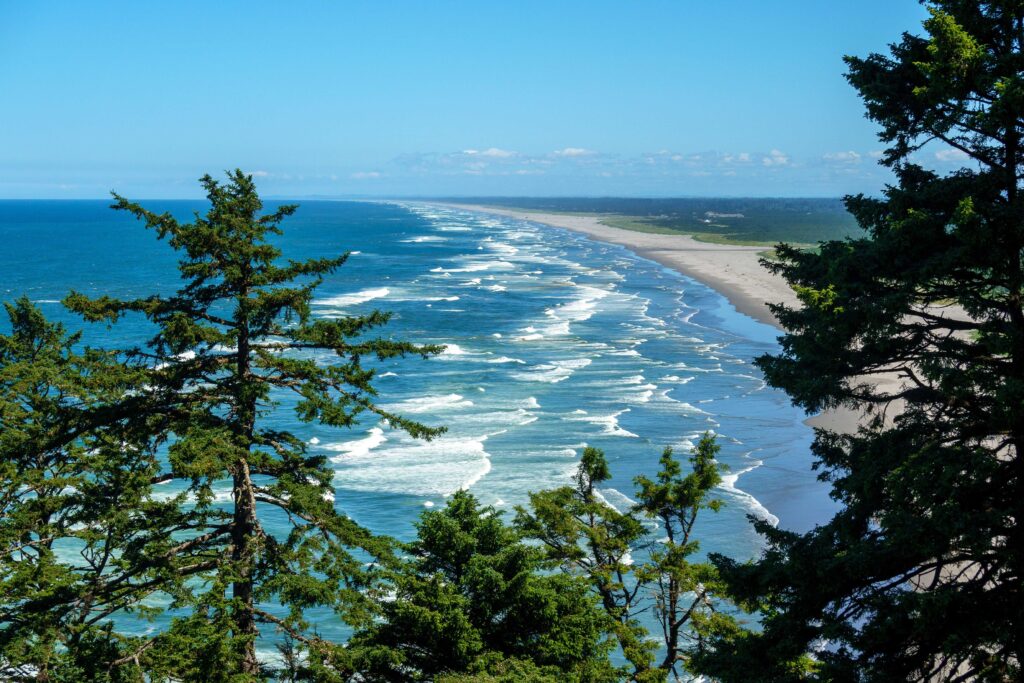
Nestled on a sand spit between Netarts Bay and the Pacific Ocean, Cape Lookout offers deep access to wide beaches and towering coastal spruce forests. The sites sit tucked behind low dunes, shielding tents from the relentless ocean breeze. The soft sand underfoot means standard tent stakes won’t hold, so bringing specialized wide-flange sand stakes is a smart move. One warning that saves a bad night: this sand eats standard tent stakes for breakfast, so bring the wide ones or plan on a very windy 3 AM.
3. Kirk Creek Campground (Big Sur, California)
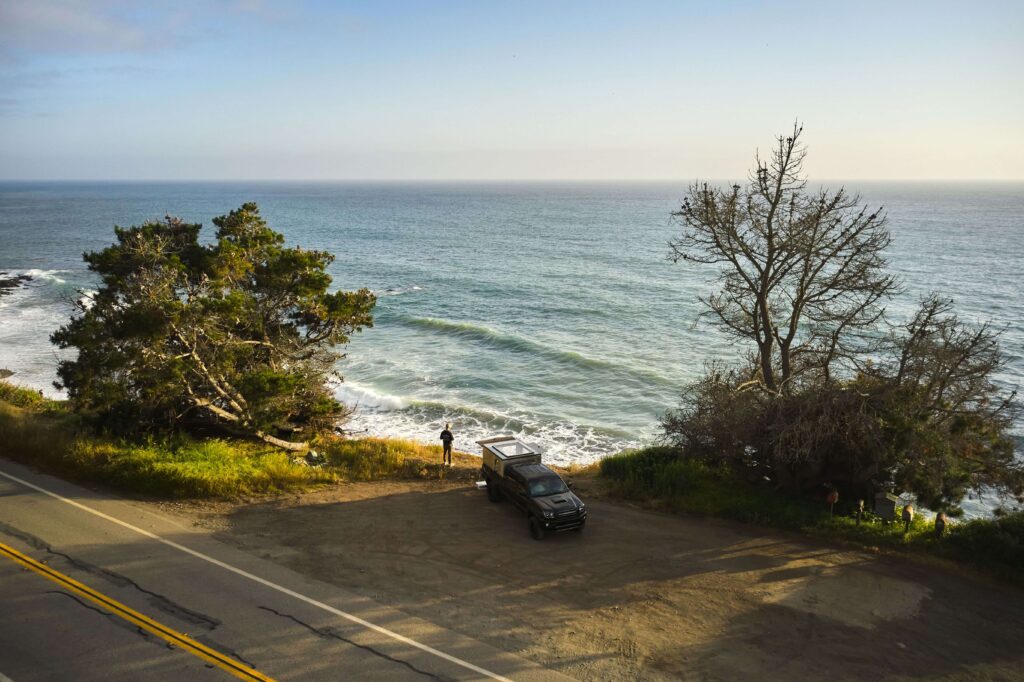
Set on an open cliffside 100 feet above the ocean, Kirk Creek provides some of the most spectacular oceanfront camping in North America. Unzipping your tent reveals sweeping views of the Pacific, where you can watch gray whales migrate during the spring months. There’s no fresh water source anywhere in the campground, so you’ve got to haul in every drop you need for drinking and cooking. The catch: there’s no water source anywhere on site, so every drop you’ll drink or cook with rides in with you.
4. Sonoma Coast State Park (Northern California)
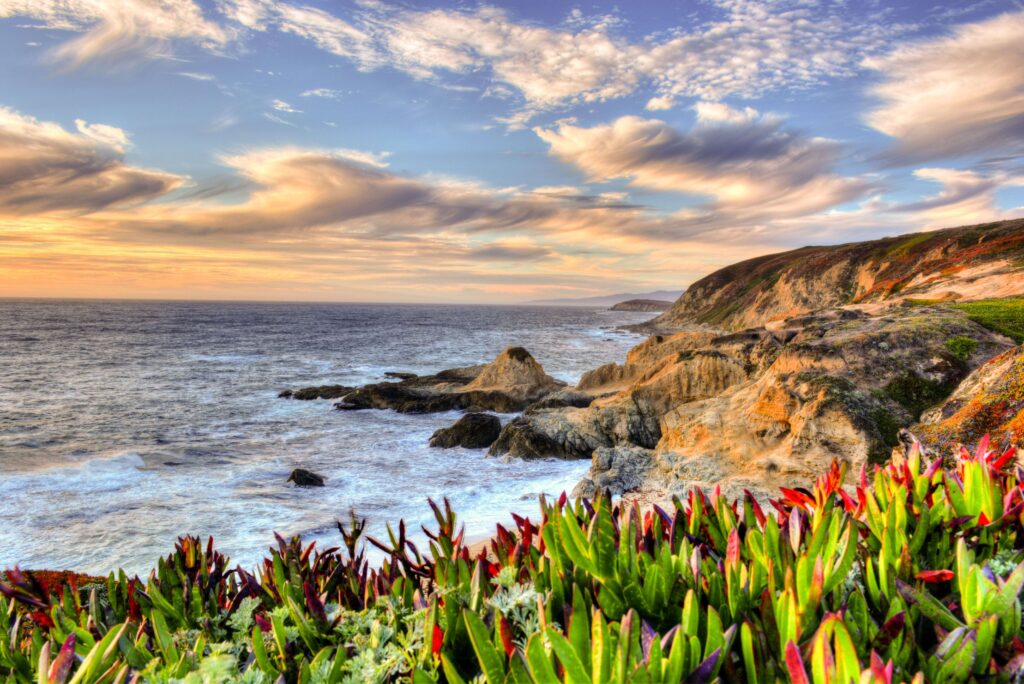
Stretching along miles of rugged headlands, Sonoma Coast features secluded sandy coves framed by massive sea stacks. It’s a fantastic alternative for anyone looking into coastal dã ngoại without the crowds found further south. The surf along these beaches is notoriously powerful and cold, making it a place built for fireside watching rather than swimming.
5. Jalama Beach County Park (Central California)
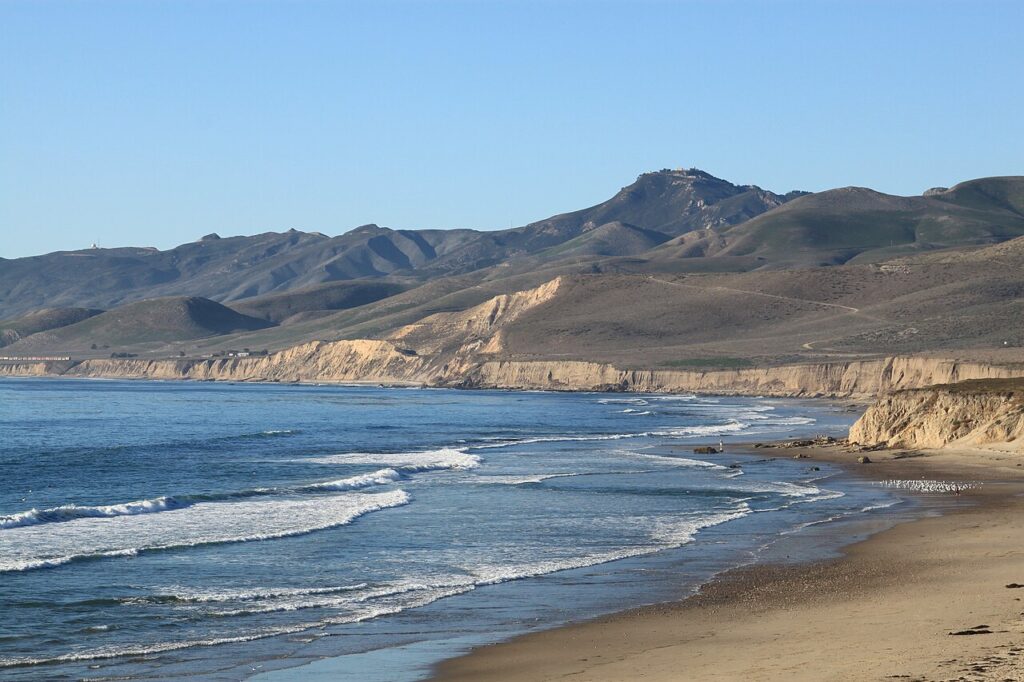
Jalama has a cult following, and once you’ve been, you get why. It’s the surf, the wind, and honestly the burger, the general store’s grilled Jalama burger has its own small legend among regulars who drive out here specifically for it. Low tide exposes tide pools worth exploring before the afternoon wind picks up and takes over the whole beach, and whales pass offshore all winter if you keep an eye on the horizon. It sits a short drive from Santa Barbara but feels like a completely different, rawer coast. Stake down hard before sunset.
Atlantic & Gulf Coast Havens: Barrier Islands and Warm Waters
From the barrier islands of the Mid-Atlantic down to the Gulf Coast of Texas, Atlantic and Gulf oceanfront camping brings warmer water, wide sand bars, and unique wildlife encounters.
6. Assateague Island National Seashore (Maryland)
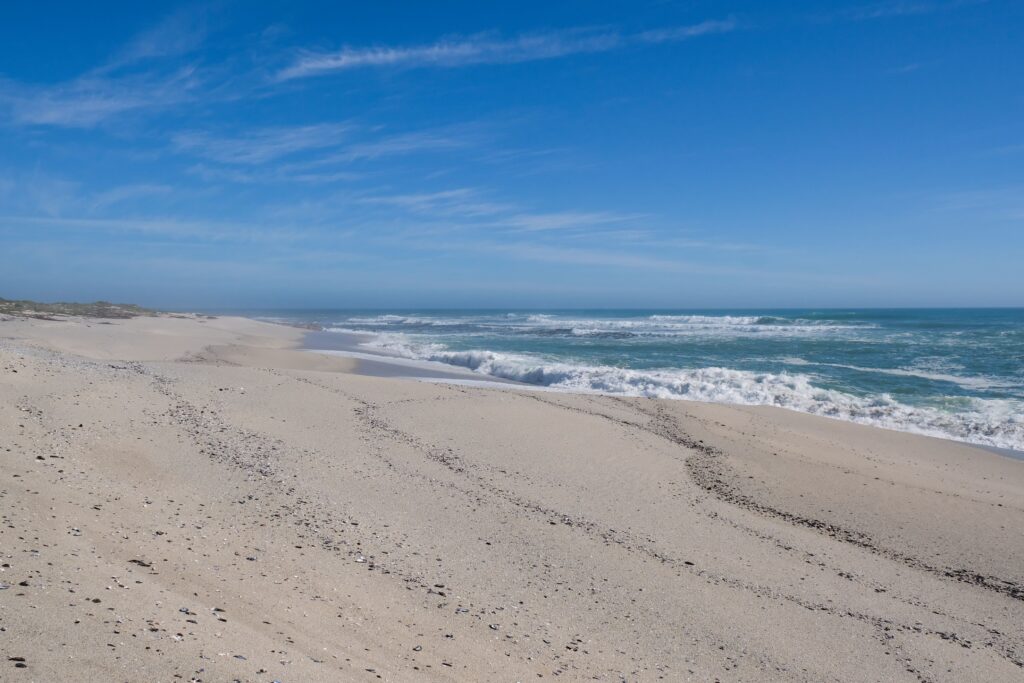
Everyone comes for the horses, and fair enough, watching one wander past your tent at sunrise without a care in the world is the kind of thing you’ll describe badly to people who weren’t there. However, stick around past the horse photos and you’ll notice the marshes are loaded with herons and egrets worth an early walk, and on the right summer night, the surf glows faintly with bioluminescence, a strange, quiet kind of magic. The wind off the water never really stops, so special sand stakes aren’t optional here. And keep the cooler locked. Between the horses and the raccoons, an unattended snack doesn’t last long.
7. Cape Hatteras National Seashore (North Carolina)
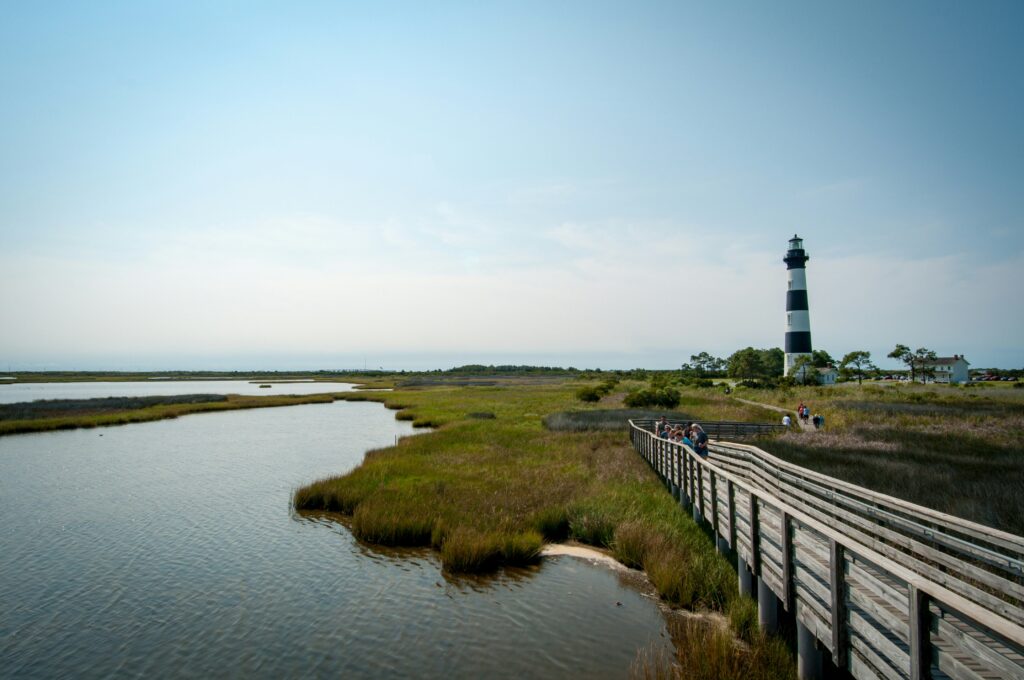
This is one of the places on the East Coast where you can watch the sun rise straight out of the open ocean rather than over land, and it’s worth setting an alarm for at least once. The Hatteras lighthouse, black and white stripes and all, peeks into view from parts of the seashore, and surf fishing right off the beach is good enough that half the campers here packed a rod alongside their swimsuits. Nights get properly dark thanks to the distance from any real city glow, so it doubles as a decent stargazing stop too. Just bring a low-profile tent. The wind across this flat sand doesn’t care how tall your dome tent is.
8. Bahia Honda State Park (Florida Keys)
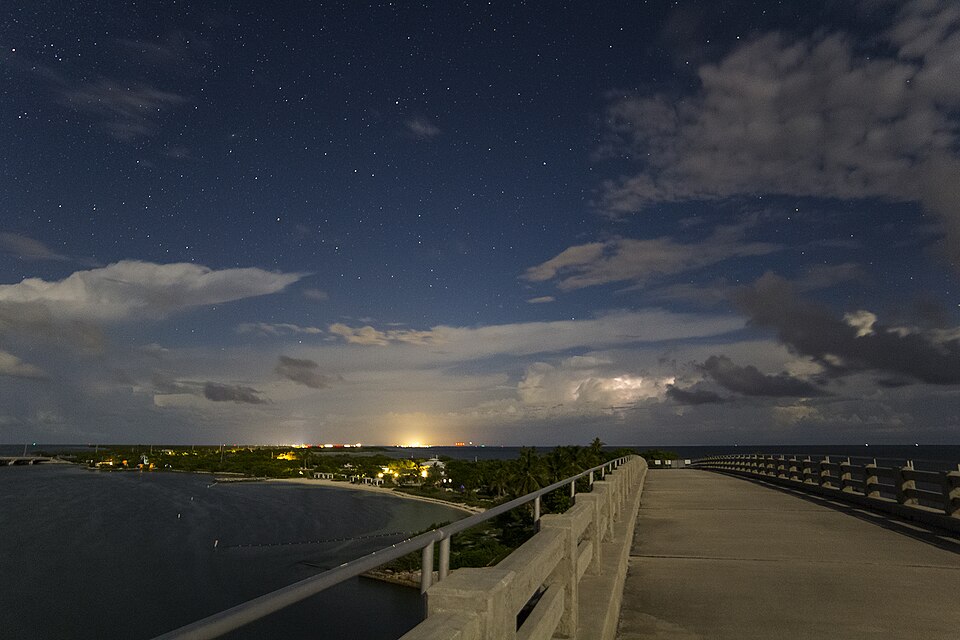
Viktorwills, CC BY 4.0, via Wikimedia Commons. Link to image
The water at Bahia Honda looks photoshopped until you’re standing in it, clear enough to see sea grass and soft coral without a mask. The old Bahia Honda Rail Bridge arcs out over the water nearby, a rusted leftover from Henry Flagler’s original railroad and one of the most photographed backdrops anywhere in the Keys. Snorkeling straight off the shore counts among the best in the whole chain, good enough to earn a regular spot in roundups of the best snorkeling in the Caribbean and Key West, and sunset over the Gulf side has a softer, slower feel than the party scene further down in Key West.
One thing worth knowing early: sites here book out almost a year ahead, so if you want a specific week, mark the reservation release date like it’s a concert on sale.
9. Padre Island National Seashore (Texas)
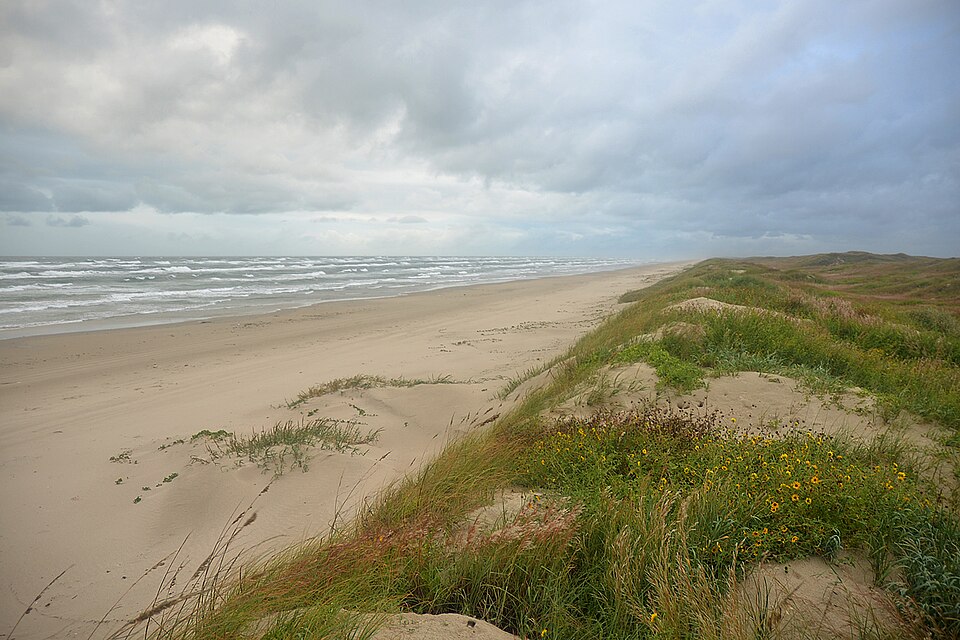
Stretching along the Texas coast, Padre Island protects the longest undeveloped barrier island in the world. For travelers chasing true free beach camping vibes, the primitive beach zone allows you to drive your vehicle onto the hard-packed sand and pitch camp wherever you choose along a 60-mile stretch. Driving on soft sand requires caution, so airing down your tires and carrying traction boards is recommended.
10. Garden Key (Dry Tortugas)
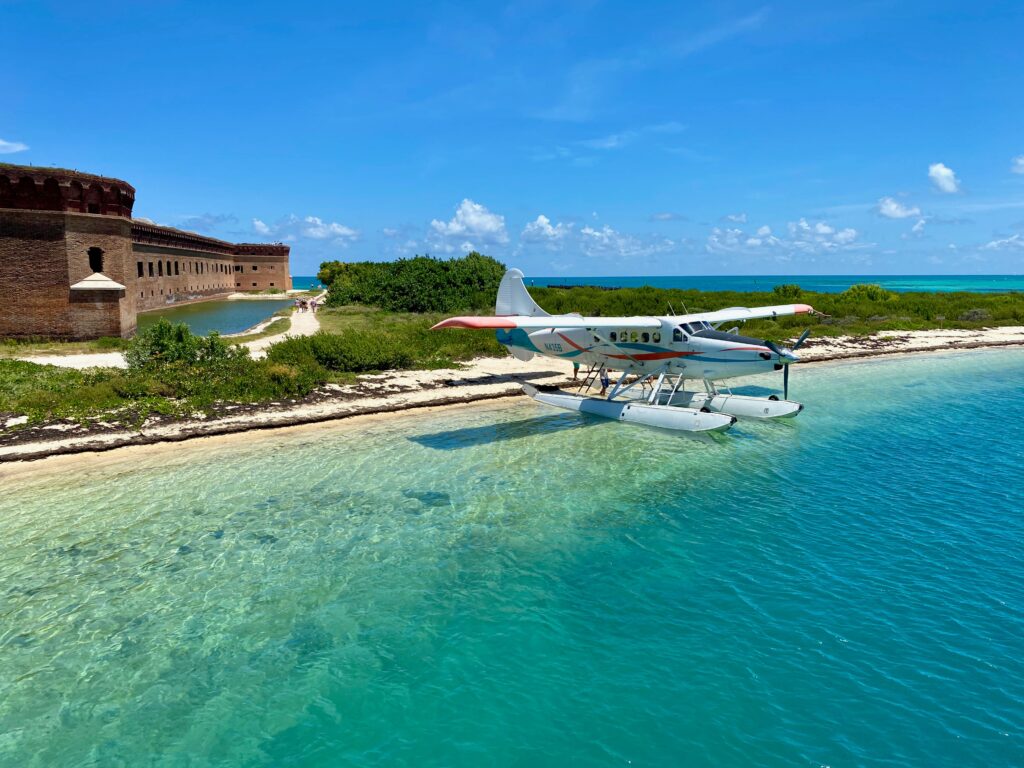
Garden Key puts your tent under palm trees right beside the brick walls of a 19th-century fort, with basically nothing else around for miles. It’s also one of only 3 actual national parks in the entire state, a fact that surprises most first-time visitors and one worth knowing before you go. Wade off the beach and you’re snorkeling immediately, coral and reef fish close enough that you don’t need a boat, while frigatebirds and terns nest on nearby keys in numbers you just don’t see back on the mainland. Once the afternoon ferry pulls away, the reef, the sand, and the darkening sky all belong to whoever stayed. Just remember every drop of water and every bite of food has to come with you on that ferry. There’s no corner store out here.
Tropical & Remote Coastal Escapes: Isolated Paradise
For anyone willing to go a little further off the map, these remote islands and hike-in beaches deliver a kind of quiet the more accessible spots on this list simply can’t match. Two of them sit in Hawaii, so it’s worth a quick look at when to actually visit before you lock in dates, since the islands run on their own weather rhythm rather than the mainland’s seasons.
11. Polihale State Park (Kauai, Hawaii)
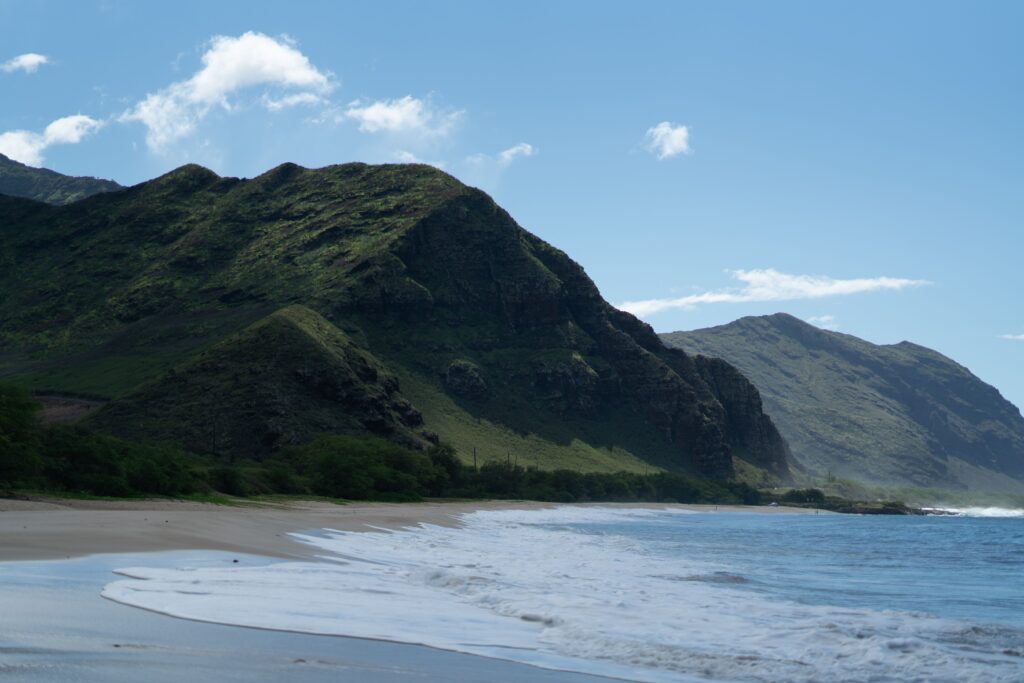
Located at the far western edge of Kauai, Polihale sits at the end of a long, unpaved dirt road that requires a four-wheel-drive vehicle to navigate safely. The campground borders a massive stretch of white sand backed by the towering 2,000-foot cliffs of the Na Pali coast. Sunsets here are legendary, painting the Pacific sky in brilliant shades of red and gold. One thing to know before you wade in: the shorebreak and currents here run strong, so this is more of a watch-the-waves beach than a swim-in-them one.
12. Cayo Costa State Park (Florida)
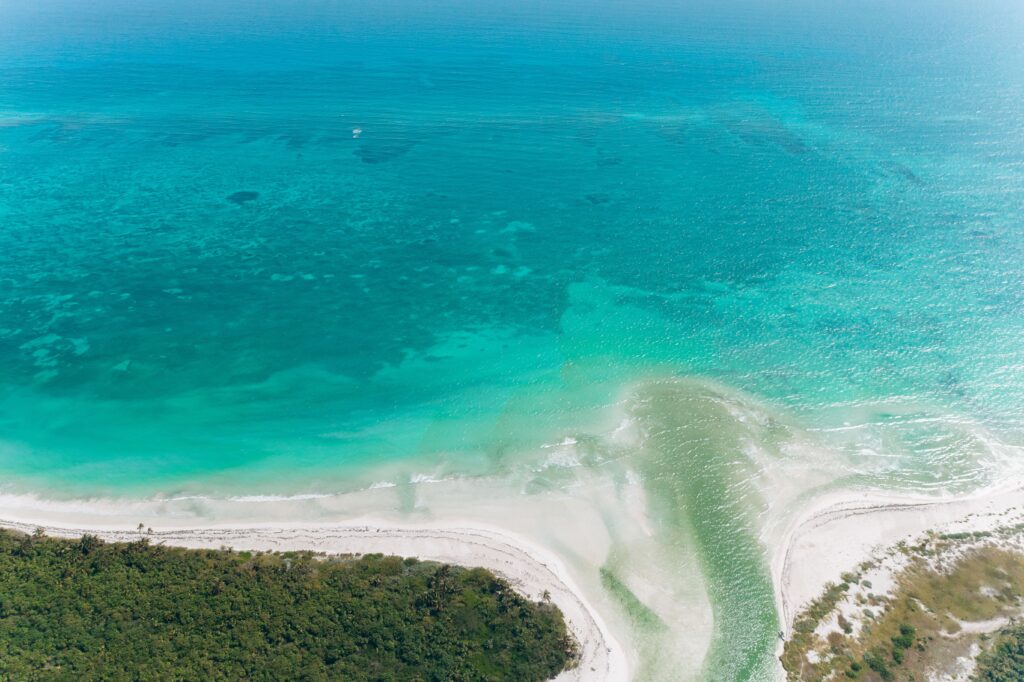
Accessible by private boat or passenger ferry, Cayo Costa is an untouched Gulf Coast island featuring nine miles of undeveloped beaches. The primitive campsites sit tucked into pine flatwoods just a short walk from the water. It’s a world-class destination for collecting pristine sea shells and watching dolphins play in the calm surf. Campsites sit tucked into pine flatwoods a short walk from the water. The whole point of Cayo Costa is the absence of things, no traffic, no noise, just birds and surf keeping you company.
13. Waiʻānapanapa State Park (Maui, Hawaii)
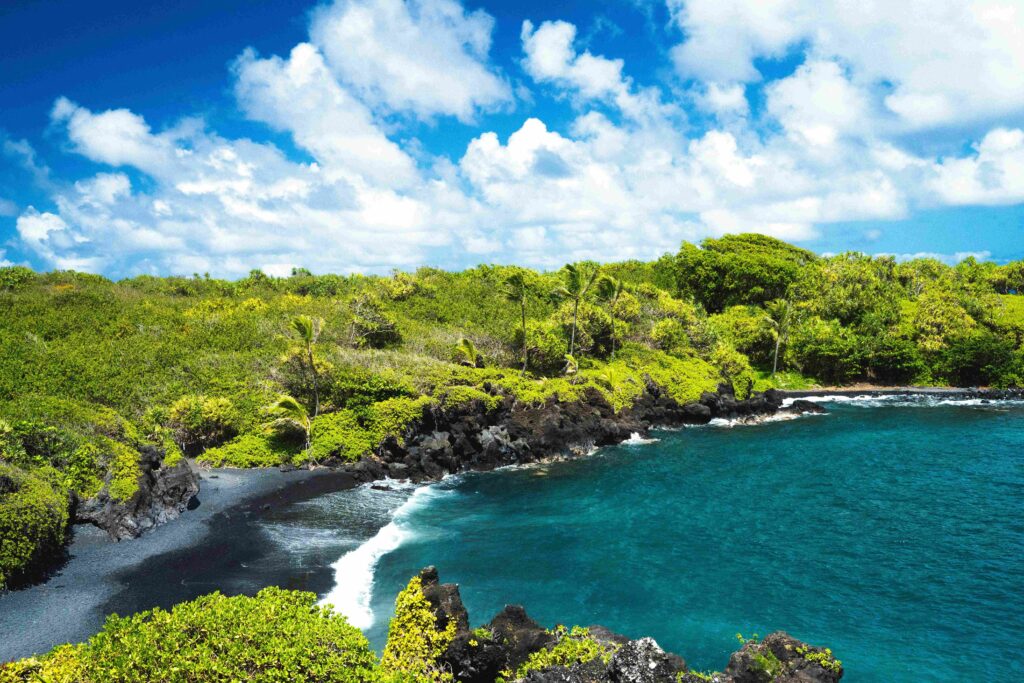
Set along the iconic Road to Hana, Waiʻānapanapa features a striking black sand beach formed by ancient lava flows hitting the ocean. The campsites sit on low coastal cliffs overlooking sea arches, lava tubes, and vivid green native vegetation. Non-resident permits fill up quickly, so booking your park entry and camping passes well ahead of your trip is necessary.
14. Second Beach (Olympic National Park, Washington)
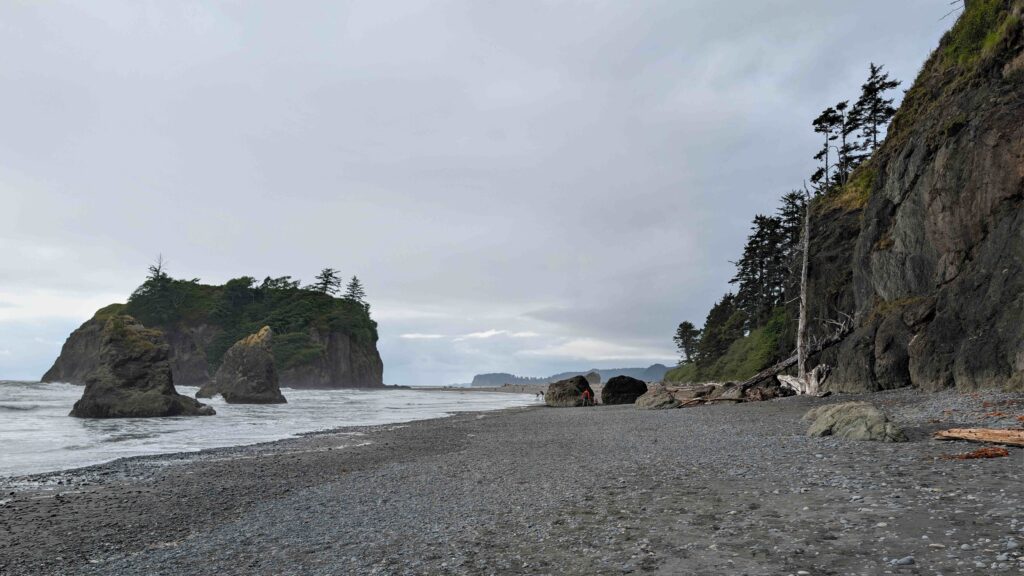
Second Beach offers a pure Pacific Northwest wilderness experience that requires hiking a short trail through dense temperate rainforest before breaking out onto the open ocean. Camping on the sand places you next to massive sea stacks towering out of the surf. Wilderness permits are required for overnight stays, and storing all food inside bear-proof canisters is mandatory due to local wildlife.
15. Flamenco Beach (Culebra, Puerto Rico)
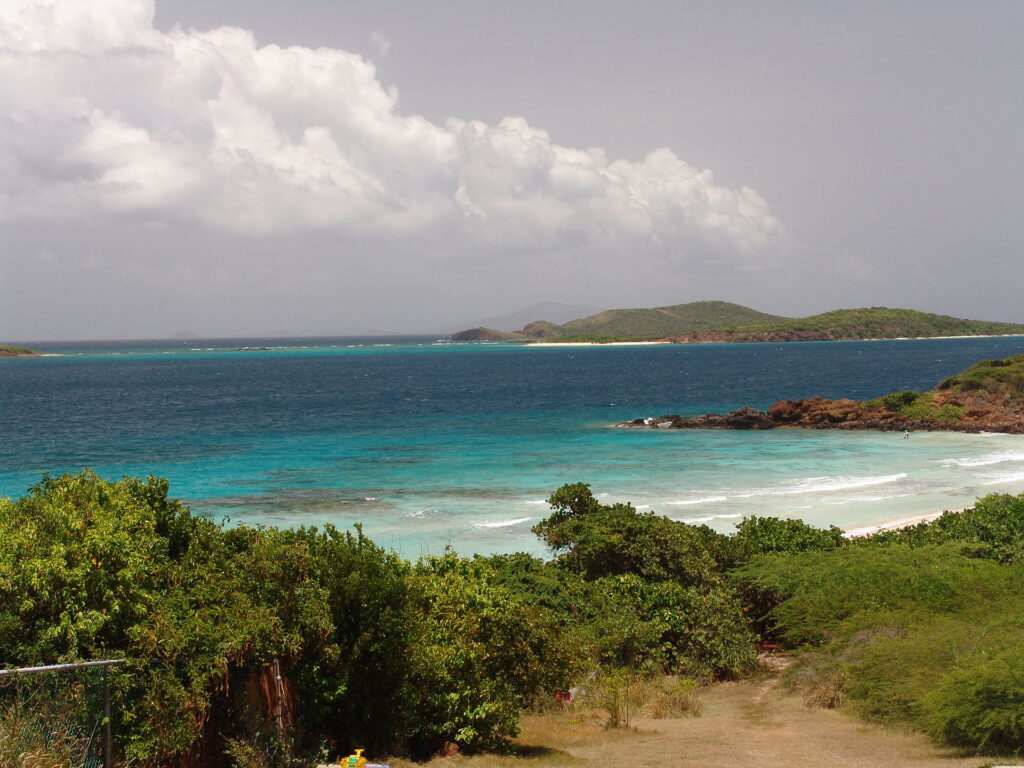
Located on the small island of Culebra, Flamenco Beach regularly ranks among the most beautiful shorelines in the world, and camping here puts you a few steps from all of it. Half-buried in the sand near one end sits a rusted old tank, a strange leftover from the island’s military days that’s become the unofficial photo stop for everyone who visits. The water stays gentle enough for easy swimming and snorkeling most days, with reef fish darting around just past the shallows. Culebra’s whole vibe runs slower and quieter than Puerto Rico’s main island, and Flamenco carries that same laid-back pace right down to the shoreline. If a ferry day trip over from the mainland fits your plans, our list of what to do in Puerto Rico covers the beaches and attractions worth pairing with a night on Culebra.
Critical Beach Camping Rules and Tide Safety
Setting up camp on a beach requires paying close attention to environmental factors that don’t exist inland. Ocean tides move quickly, and pitching your tent too close to the water can result in getting flooded out in the middle of the night.
- Locate the high tide line: Before driving a tent stake into the sand, scan the beach for the high tide line, marked by the highest strip of seaweed, driftwood, and ocean debris. Always pitch your tent well above this mark, ideally behind the primary sand dune line where vegetation begins.
- Master sand anchoring: Standard metal tent stakes slip out of soft sand under the slightest breeze. Use wide plastic sand stakes, or tie your tent guy lines around buried sacks filled with sand or heavy pieces of driftwood.
- Protect your gear from salt corrosion: Salt spray coats everything near the ocean, quickly corroding metal zippers, stove burners, and tent poles. Wipe down metal gear with fresh water after your trip, and keep sensitive electronics inside sealed dry bags.
- Respect dune ecosystems: Coastal sand dunes protect inland areas from storm surges and provide critical nesting habitat for sea turtles and shorebirds. Never pitch your tent directly on a sand dune, and stick strictly to designated wooden boardwalks when walking to the beach.
FAQs
Can you build a campfire directly on the sand?
Fire rules vary significantly depending on the managing agency. Many ocean beaches allow campfires below the high tide line, but you must use clear driftwood or brought-in wood rather than burning local dune vegetation. Always douse fires with ocean water rather than burying them with sand, as buried coals retain dangerous heat for hours.
How do you keep sand from getting inside your tent?
Managing sand requires a solid system. Place a large woven outdoor mat or tarp outside your tent door as a designated shoe-off zone. Keep a small whisk broom inside the vestibule to sweep out loose grains, and rinse your feet in a bucket of fresh water before stepping inside.
What should you do if your vehicle gets stuck in loose sand?
If you’re camping in a location that allows beach driving, like Padre Island, carry a tire pressure gauge, traction boards, and a shovel. Lowering your tire pressure to around 15–20 PSI increases your tire footprint and helps you float over soft sand rather than digging in.
Conclusion
Beach camping offers an unforgettable way to experience the nation’s most impressive coastlines, but success comes down to solid preparation. Knowing the local tide charts, picking the right gear for windy sand environments, and securing reservations well in advance ensures a smooth trip. Check the booking windows, pack your sand stakes, and enjoy a night falling asleep to the sound of the ocean.