
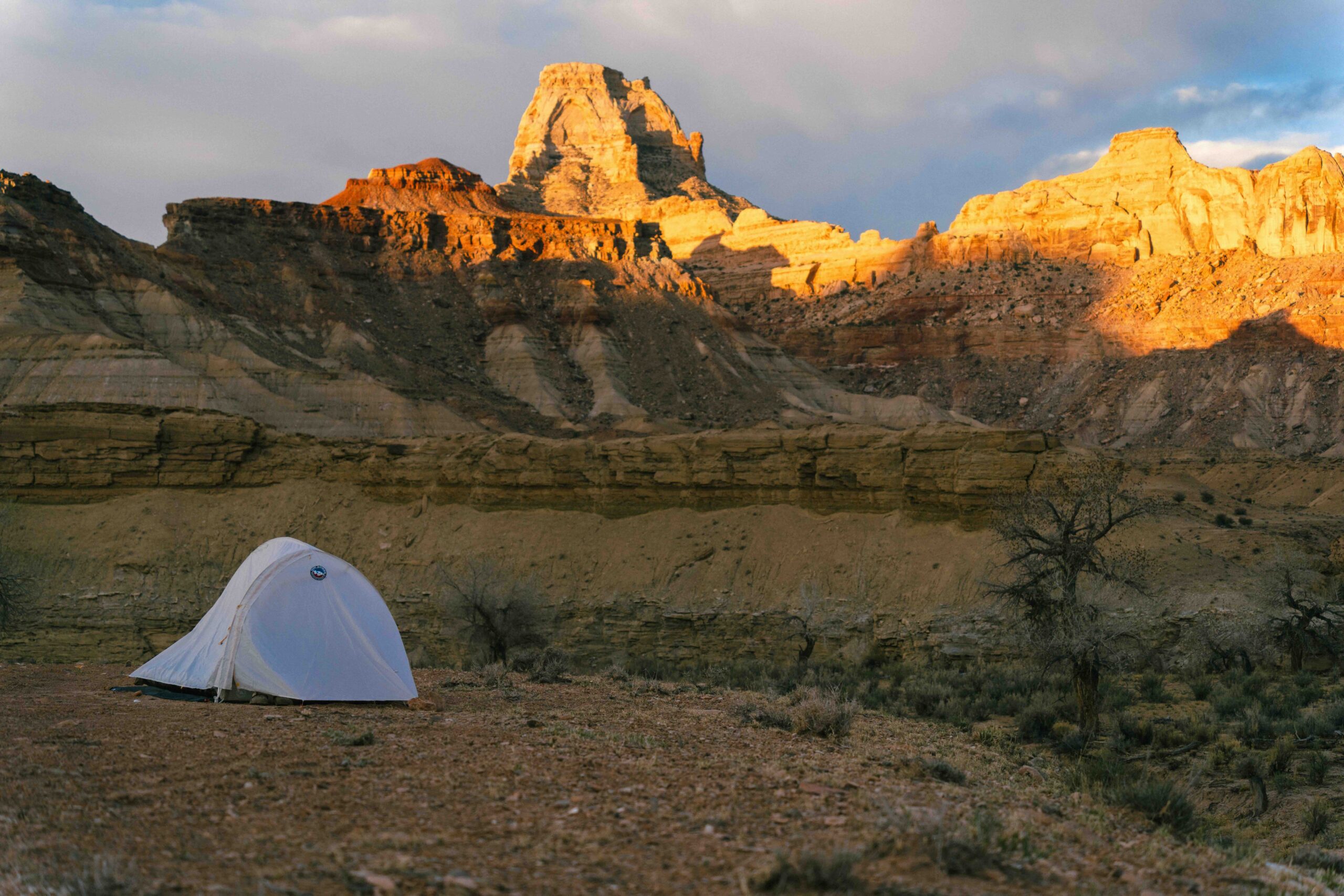
Camping in the US has changed. Finding a great spot is no longer a matter of throwing a tent in the car and driving until the road ends, because with more people heading outdoors every year, often as part of a US family road trip, the real skill now is knowing how to win the booking game and read the public-land system. This guide lays out 21 of the best camping spots in the country for 2026, running from the iconic national park campgrounds everyone fights over to the quiet free sites most people never find, so you can picture the space, the experience, and the details that make or break a trip before you commit.
The Booking Blueprint: Surviving Recreation.gov and Public Land
Before any of the destinations, it helps to understand the systems that decide whether you get a site at all. Most developed campgrounds in the national parks release their reservations on Recreation.gov exactly 6 months ahead on a rolling window, so a July trip means being ready to click Book back in January, often within minutes of the slots opening. The free alternative is public land: the Bureau of Land Management and the National Forests allow dispersed camping, or boondocking, at no cost for up to 14 days, with the catch that you get no hookups, no water, and no facilities of any kind. Knowing which of those worlds a spot belongs to shapes everything else about the trip.
Quick-Scan Decision Matrix
2026 prices are estimated nightly rates and permit fees at the time of writing; park fees and booking rules change, so confirm on Recreation.gov or the managing agency before you plan.
Number | Campground / Spot | State | Type | Price/night | Booking / logistics | Best for |
|---|---|---|---|---|---|---|
1 | Lower Pines (Yosemite) | California | Developed | $36 | Opens 5 months prior | Iconic views |
2 | Mather (Grand Canyon) | Arizona | Developed | $18 | 6-month rolling | South Rim access |
3 | Blackwoods (Acadia) | Maine | Developed | $30 | 2-month rolling | Ocean and forest |
4 | Many Glacier | Montana | Developed | $23 | 6-month rolling | Alpine scenery |
5 | Cades Cove (Smoky Mts) | Tennessee | Developed | $30 | 6-month rolling | Wildlife viewing |
6 | Watchman (Zion) | Utah | Developed | $30 | 6-month rolling | Red-rock canyons |
7 | Sage Creek (Badlands) | South Dakota | Boondocking | $0 | First-come | Budget / bison |
8 | Targhee National Forest | Idaho | Boondocking | $0 | Arrive early | Yellowstone proximity |
9 | Paria River Canyon BLM | Arizona / Utah | Backcountry | $9 (permit) | 20 permits/day | Desert isolation |
10 | Fruita (Capitol Reef) | Utah | Developed | $25 | 6-month rolling | Oasis and orchards |
11 | Moab BLM Lands | Utah | Boondocking | $0 | First-come | Basecamp for Arches |
12 | Kalaloch (Olympic) | Washington | Developed | $24 | 6-month rolling | Cliffside ocean |
13 | Sonoma Coast State Park | California | Developed | $35 | State park system | Rugged beaches |
14 | Assateague Island | Maryland | Developed | $30 | 6-month rolling | Wild horses |
15 | Garden Key (Dry Tortugas) | Florida | Developed | $15 + ferry | Ferry booked 6 to 8 months out | Snorkeling |
16 | Tiger Key (Everglades) | Florida | Backcountry | $21 + $2/person | Seasonal permit | Paddle-in solitude |
17 | Florida Caverns | Florida | Developed | $20 | Florida State Parks | Cave exploration |
18 | Cheaha State Park | Alabama | Developed | $30 | Alabama State Parks | High-elevation hikers |
19 | Teton Crest Trail | Wyoming | Backcountry | $45 (permit) | Wilderness lottery | Granite peaks |
20 | Wonder Lake (Denali) | Alaska | Backcountry | $20 | Up to 18 months prior | Remote tundra |
21 | Hidden Valley (Joshua Tree) | California | Developed | $15 | First-come | Stargazing and boulders |
The Heavy Hitters: Iconic National Park Camping Sites
These are the developed campgrounds, the ones with a parking spot, a fire ring, and a restroom nearby, and the price you pay for that comfort is a brutal scramble for reservations.
1. Lower Pines (Yosemite National Park, California)
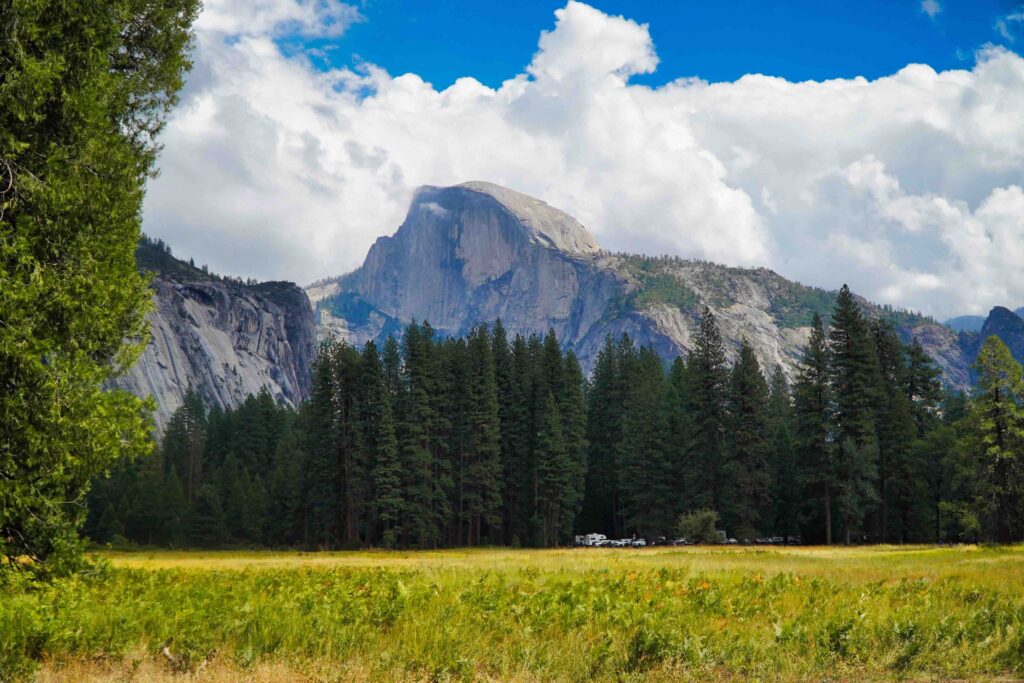
Right on the floor of Yosemite Valley, ringed by giant ponderosa pines and the rush of the Merced River, Lower Pines is about as iconic as a campsite in California gets, close enough that you can unzip the tent at dawn and watch first light hit Half Dome. Getting in is the hard part, since reservations open 5 months out and can vanish within minutes, and because black bears are common, every scrap of food has to live in the site’s steel bear box.
2. Mather Campground (Grand Canyon National Park, Arizona)
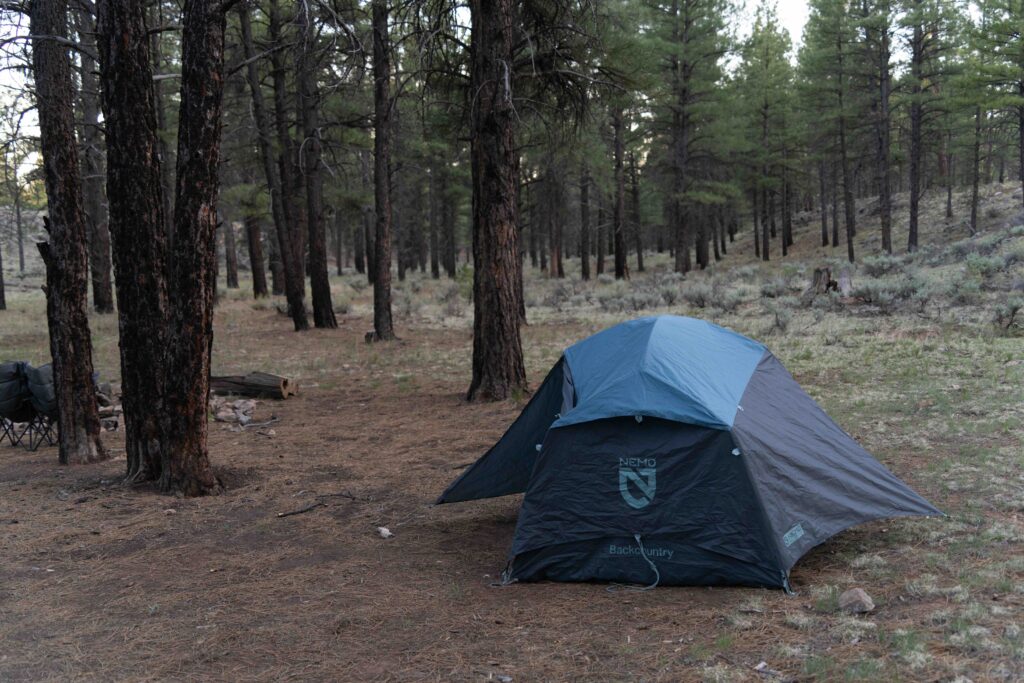
If that kind of competition sounds exhausting, Mather is a slightly calmer way into an equally famous view. Tucked into shady pinyon and juniper on the South Rim, a short walk from the edge, it makes an ideal base for a road trip in Southwest America, with elk drifting through camp and the sunset over the canyon just minutes from your tent. It fills solid from spring through fall, so the 6-month booking window is one to circle on the calendar.
3. Blackwoods (Acadia National Park, Maine)
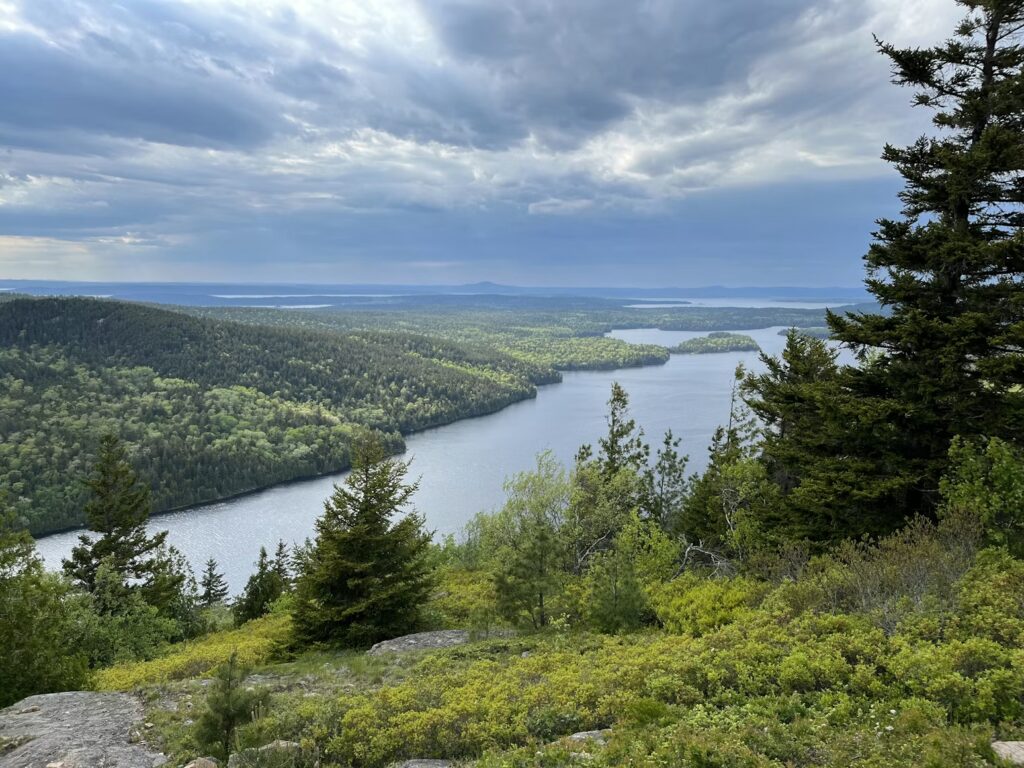
Cross the country to the Atlantic and the mood changes entirely at Blackwoods, where thick spruce forest meets the murmur of the surf. It is a perfect launch point for biking Acadia’s historic Carriage Roads, and one of the finest places in the country to see fall foliage in the US come October. A couple of honest warnings, though: the ground is rocky and stubborn for tent stakes, and there are no RV hookups at all.
4. Many Glacier (Glacier National Park, Montana)
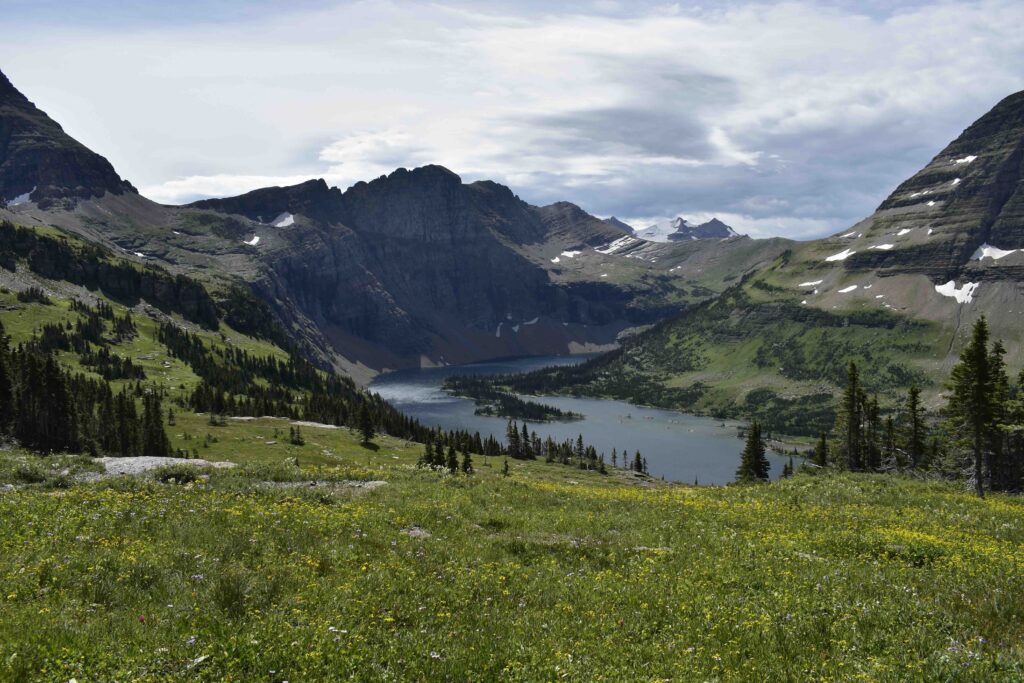
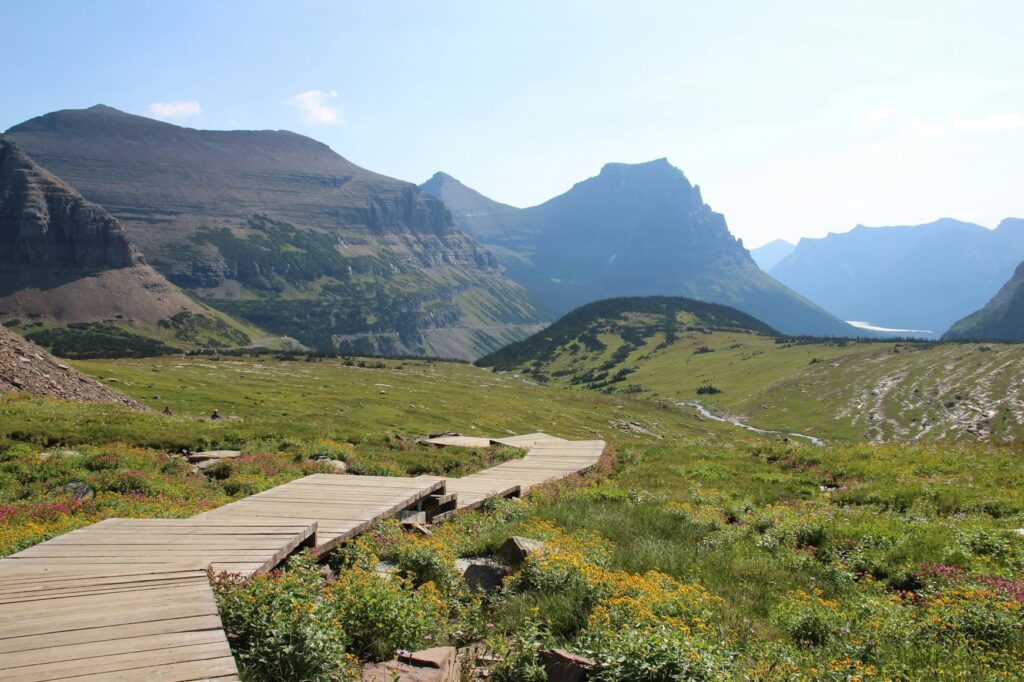
Farther west and higher up, Many Glacier earns its nickname as the Switzerland of America, folded among jagged peaks and glassy turquoise lakes, with trailheads for some of North America’s best hikes, Grinnell Glacier among them, right at hand. This is grizzly country, and the weather window is short, so plan for the sweet spot between July and early September before the snow returns.
5. Cades Cove (Great Smoky Mountains, Tennessee)
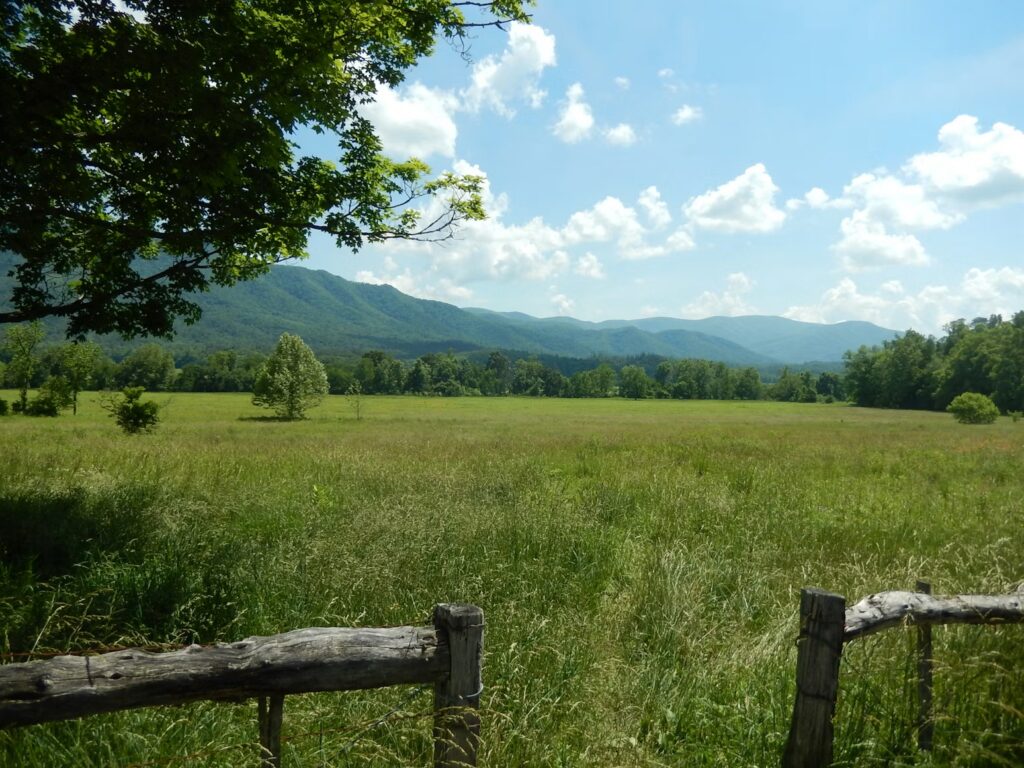
Down in the Smokies, the most visited national park in the country, Cades Cove swaps alpine drama for a broad green valley scattered with historic log cabins under the range’s signature haze. The ritual here is rising early to bike or drive the 11-mile loop while white-tailed deer and black bears feed in the meadows. Summers run humid, and traffic on that loop road is a near-daily fact of life.
6. Watchman (Zion National Park, Utah)
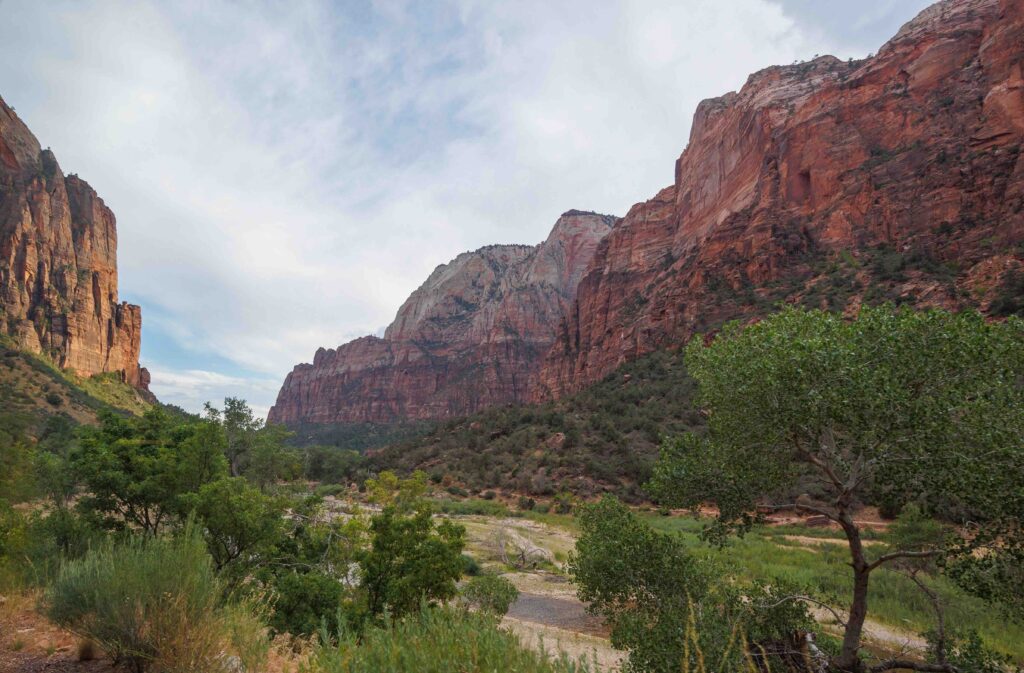
Back in the desert, Watchman sits directly beneath the glowing sandstone tower it is named for, and its greatest asset is convenience, since the park shuttle stops just outside the gate and puts the Virgin River and the Narrows within easy reach. The catch is summer heat, which can top 104°F (40°C), so aim for spring or fall rather than July and August.
The Hidden Gems: Top Free Campsites and Boondocking
This is the payoff for anyone willing to trade the shower block for solitude. Do not expect running water or power at these sites; you pack in what you need and pack out everything else, and in return you get the quiet the developed parks lost years ago.
7. Sage Creek (Badlands National Park, South Dakota)
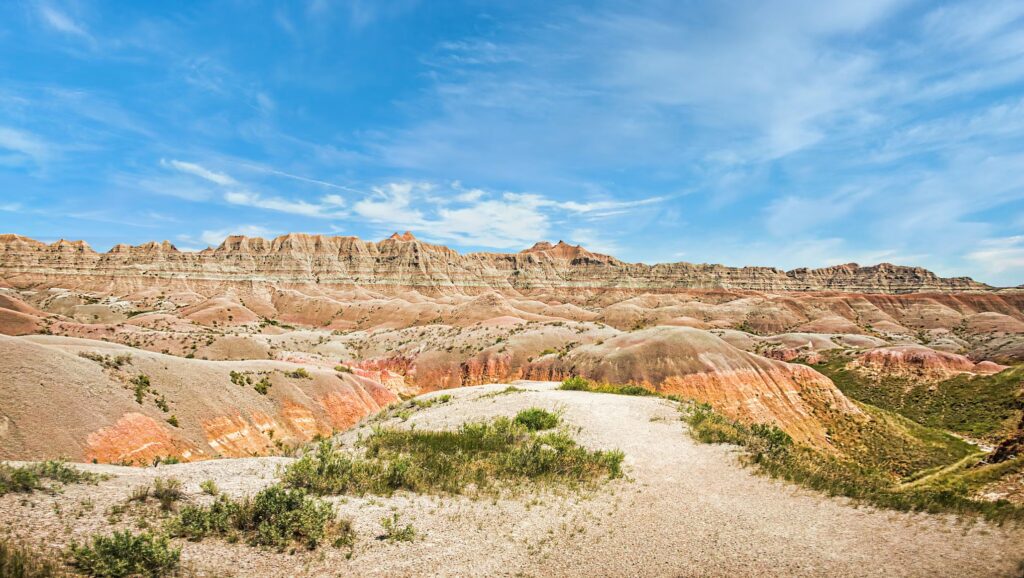
Sage Creek is the gentlest introduction to free camping done right, a windswept prairie site surrounded by the raw rock spires of the Badlands. There is something primal about sitting by your tent as bison and prairie dogs move freely a few yards away. It costs nothing and runs first-come, first-served, but there is no potable water, so every drop you drink has to come with you.
8. Targhee National Forest (Idaho)
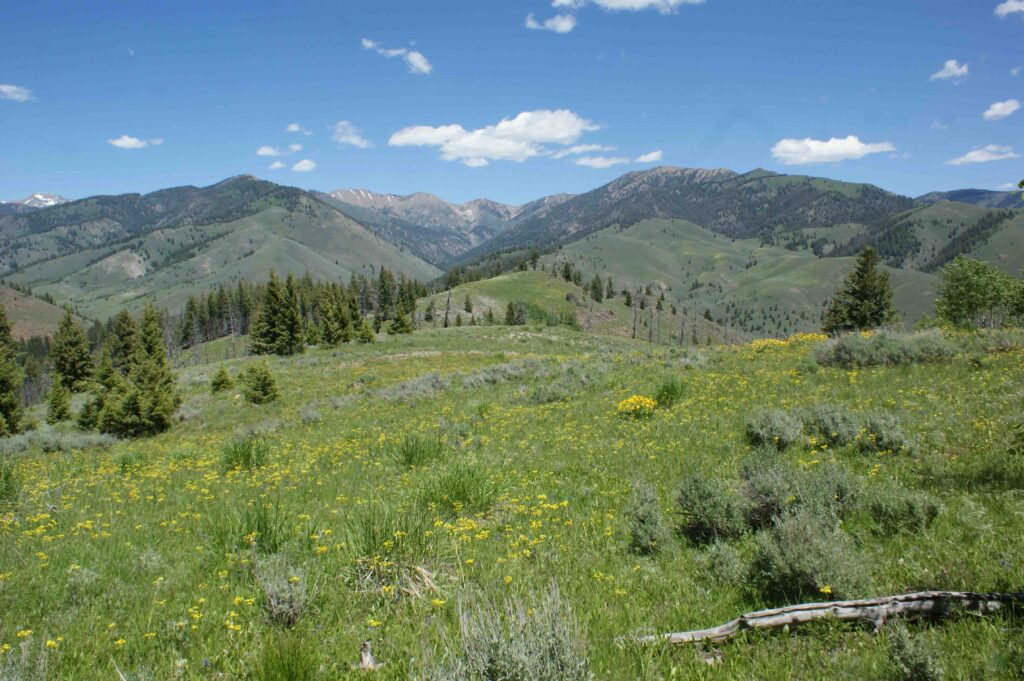
For a strategic free basecamp, few places beat the Caribou-Targhee National Forest, a sea of pine with scattered clearings along the creeks. Its trump card is location, just outside Yellowstone’s western edge near Henry’s Lake, which lets you sleep for free and slip into the park early. There are no services of any kind, and the good clearings go to whoever arrives earliest in the day.
9. Paria River Canyon BLM (Arizona and Utah)
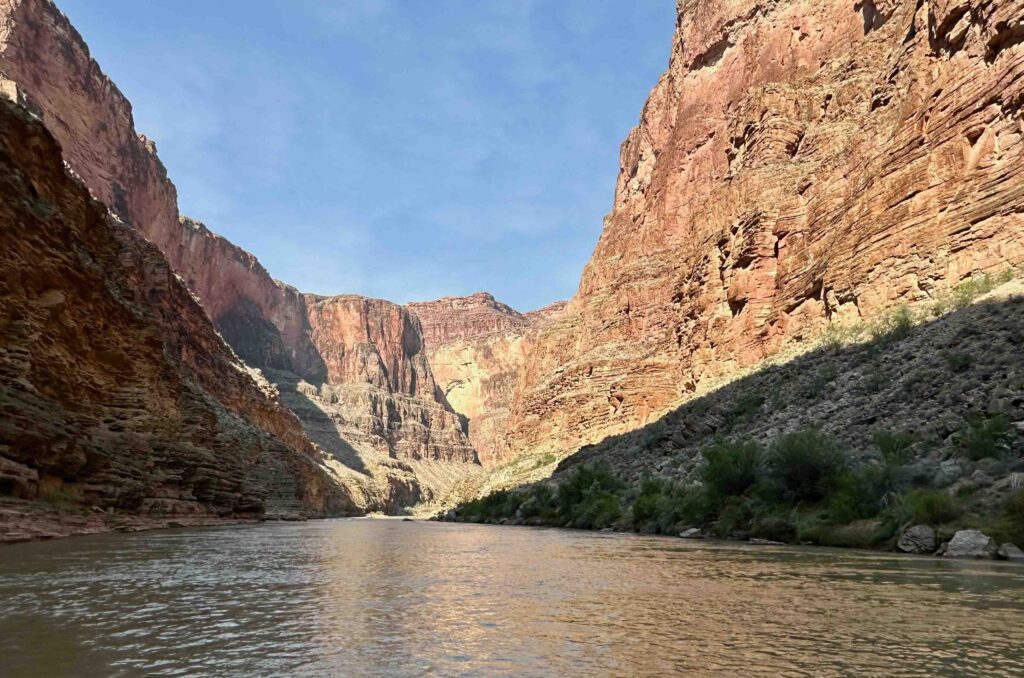
For something far more demanding, the Paria River Canyon is remote desert backpacking at its finest, a silent slot of rippling orange-red sandstone walls that swallow you whole. The BLM guards it fiercely, issuing only 20 overnight permits a day, and flash floods are a genuine, deadly hazard to watch the forecast for.
10. Fruita (Capitol Reef National Park, Utah)
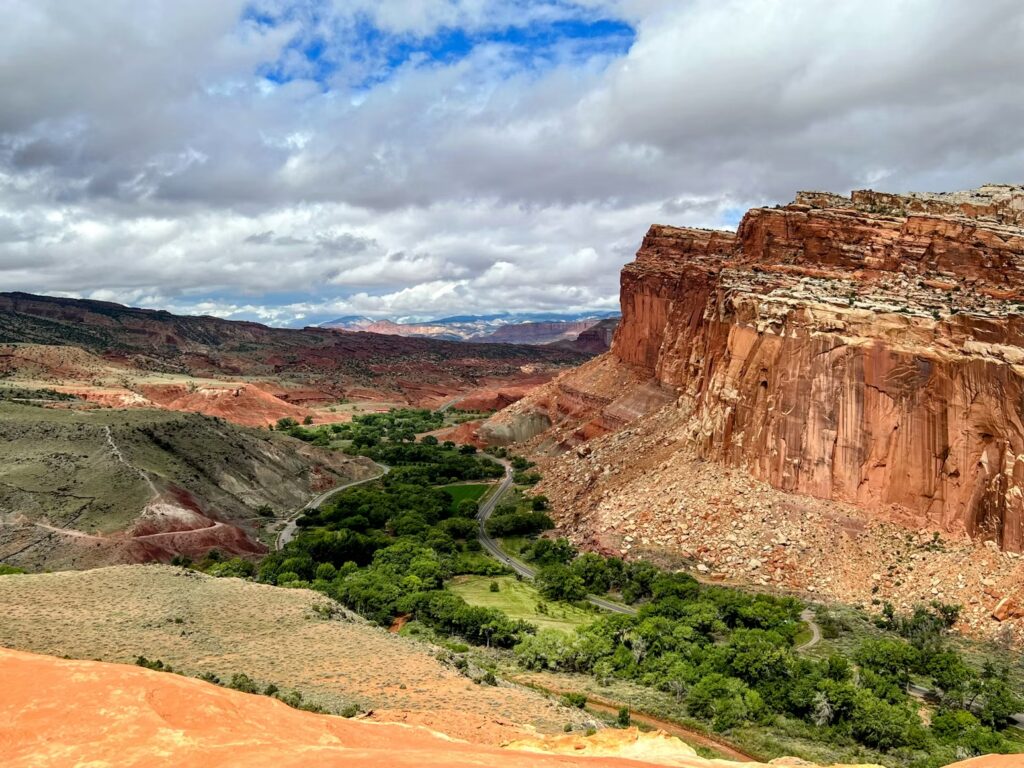
Back among developed sites but still a hidden gem, Fruita is a startling green oasis dropped into harsh red-rock desert. You camp inside the park beside historic orchards where you can pick your own fruit in season, then wander over to the Gifford House for a slice of pie that has more than earned its reputation. Sites are few and the scenery is loud, so it books up fast.
11. Moab BLM Lands (Utah)
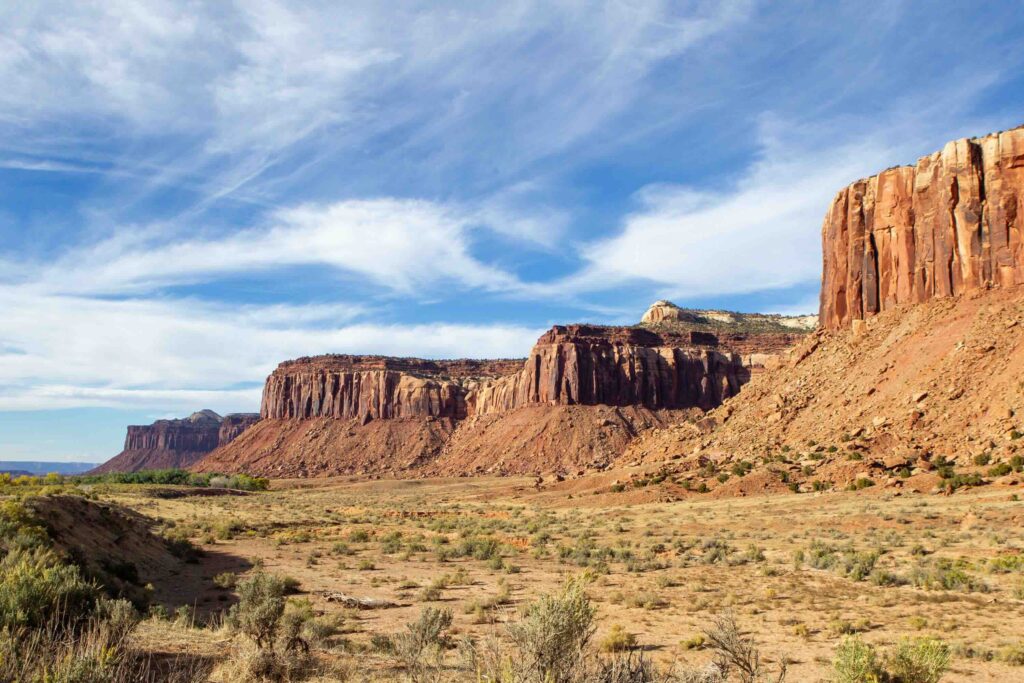
Nearby, the BLM land around Moab is the cheapest, best-placed basecamp in red-rock country, a dry plateau where the desert horizon runs on forever. By day you explore Arches, Canyonlands, or Dead Horse Point; by night you are back at the fire under a sky thick with stars. The wind out here is relentless, so pack heavy-duty stakes and tie everything down.
Scenic Beach and Coastal Campsites
Working a beach campsite into a trip changes its whole rhythm, swapping engine noise for the sound of surf under the tent.
12. Kalaloch (Olympic National Park, Washington)
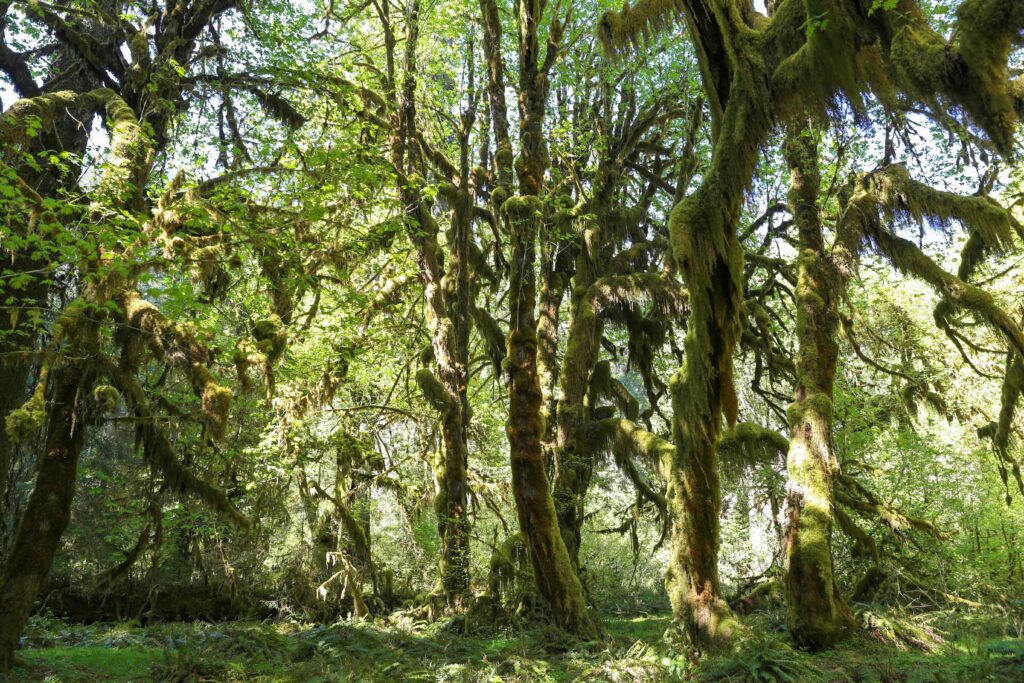
Kalaloch perches on a bluff above the Pacific, looking down on dark sand strewn with enormous silver driftwood, and it is home to the famous Tree of Life, a spruce clinging on above an eroded hollow that should have killed it years ago. Expect the cool, moody damp of the Pacific Northwest, sunsets that set the horizon alight, and gray whales offshore. The weather turns on a dime here, so a rain fly and rain gear are non-negotiable.
13. Sonoma Coast State Park (California)
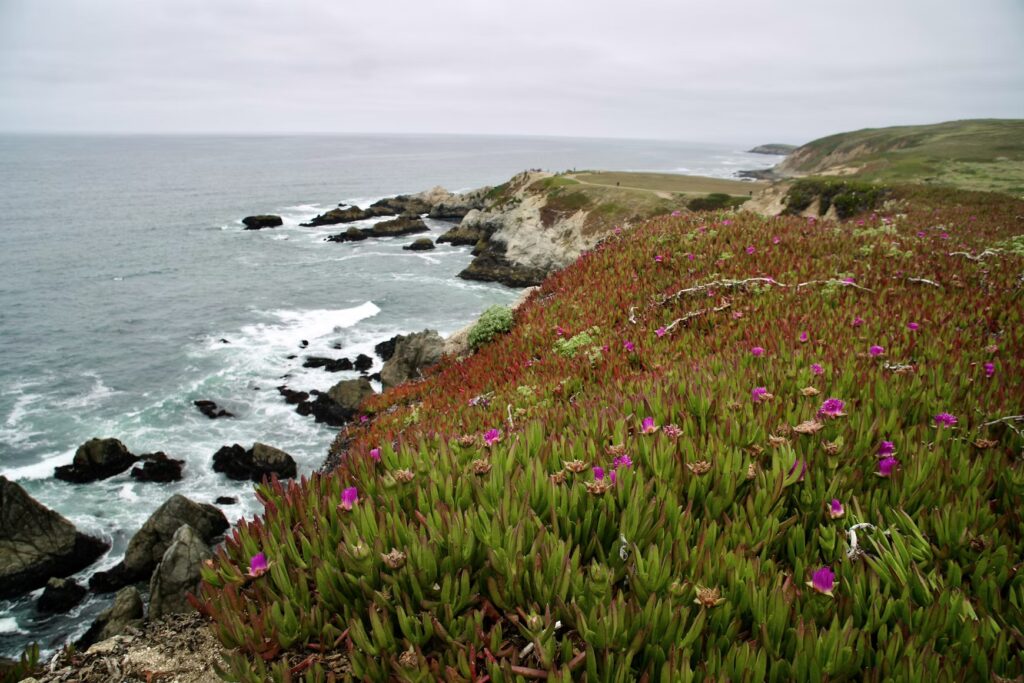
Down the coast, Sonoma Coast is rugged Northern California at its most cinematic, with white surf hammering grey headlands. It rewards you with isolation and a nostalgic, fog-scented calm, ideal for a fire and roasted marshmallows. Even in summer the nights turn cold and wet, so a proper cold-rated sleeping bag is a must.
14. Assateague Island (Maryland)
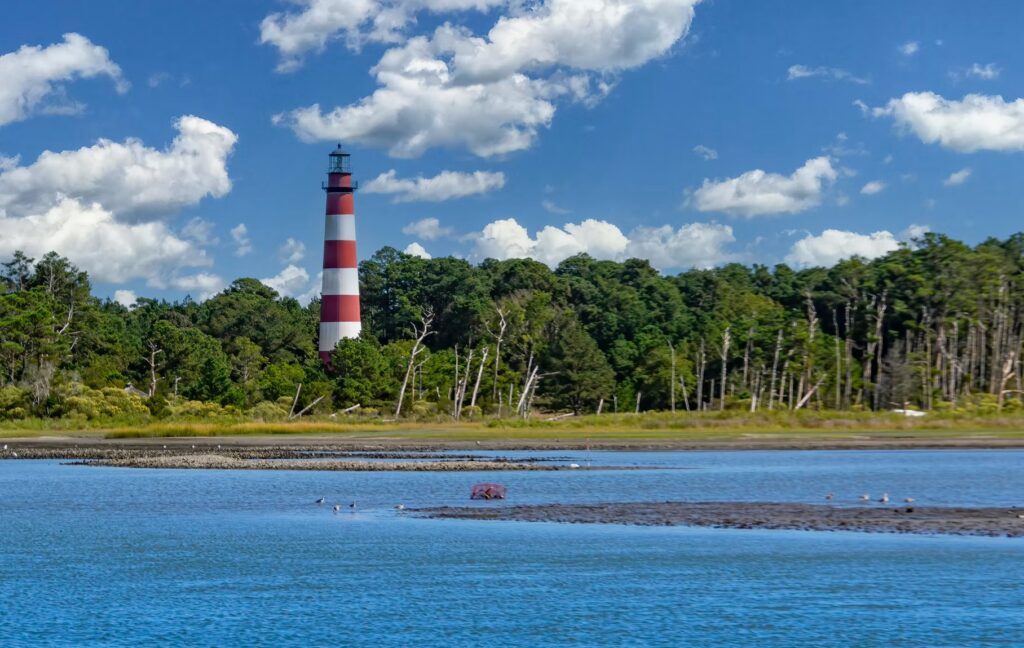
On the Atlantic side, Assateague is a wild ribbon of dune between ocean and marsh, and its claim to fame walks right past your tent: bands of wild horses roam the beach freely. The constant sea wind means you will want special sand stakes to hold the tent down, and the horses, tempting as they look, bite and kick, so keep your distance and your food sealed.
15. Garden Key (Dry Tortugas National Park, Florida)
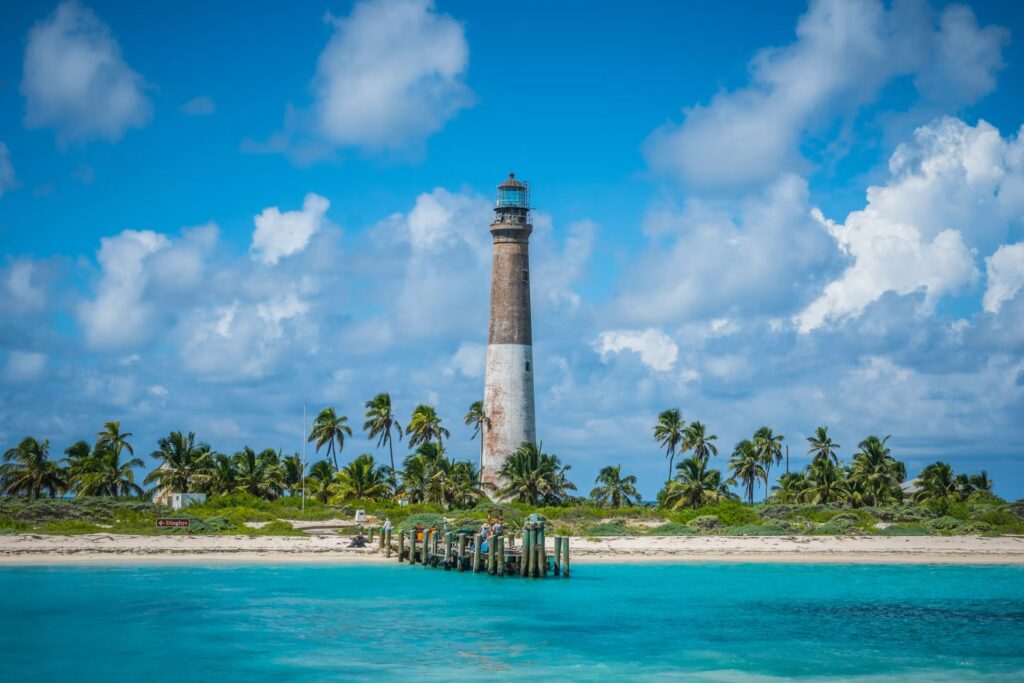
The most remote of them all is Garden Key, where a huge, weathered brick fort stands alone in the ocean, ringed by white sand and coral. You can snorkel the moment you step off the beach, and once the day-trip ferries pull away, the island is essentially yours. Reaching it means a ferry or seaplane booked 6 to 8 months ahead, and you carry in every drop of water and carry out all your trash. It sits inside one of Florida’s national parks, which are worth reading up on before you go.
Epic Backcountry, State Parks, and Wilderness
The last group is the wildest, the places that ask the most of you and hand back the deepest quiet in return.
16. Tiger Key, Ten Thousand Islands (Everglades, Florida)
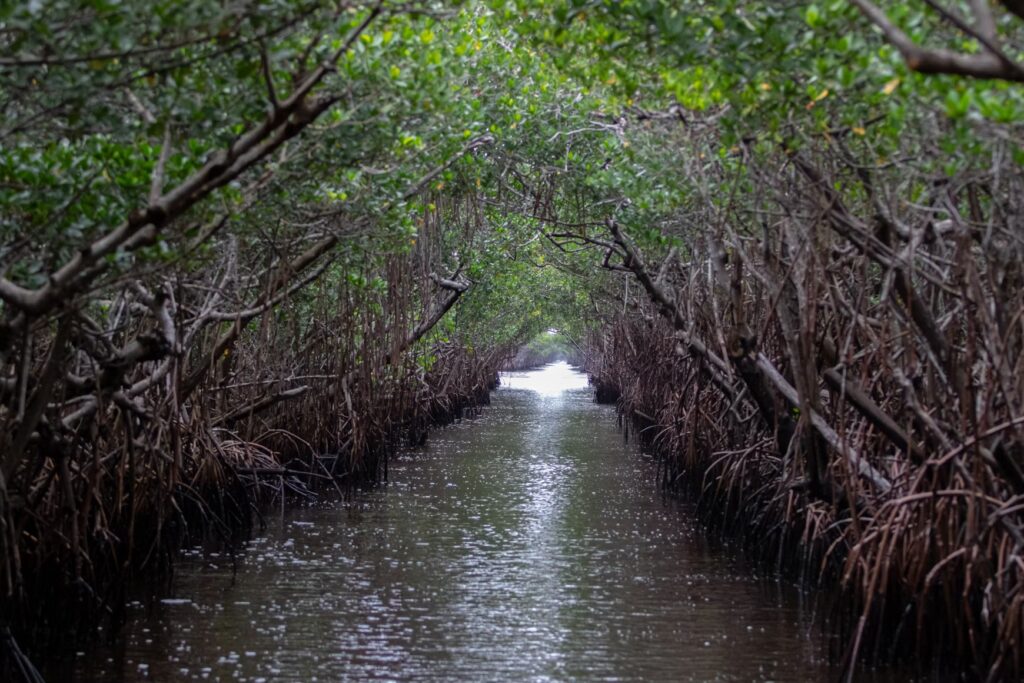
In the Everglades’ maze of mangroves and tiny sand-shell islands, Tiger Key is a paddle-in escape for anyone chasing birds and pure silence. You reach it by threading a kayak through the mangroves to a lonely island all your own. Tides rule everything out here, and timing the trip to dodge mosquito season can make or break it.
17. Florida Caverns State Park (Florida)
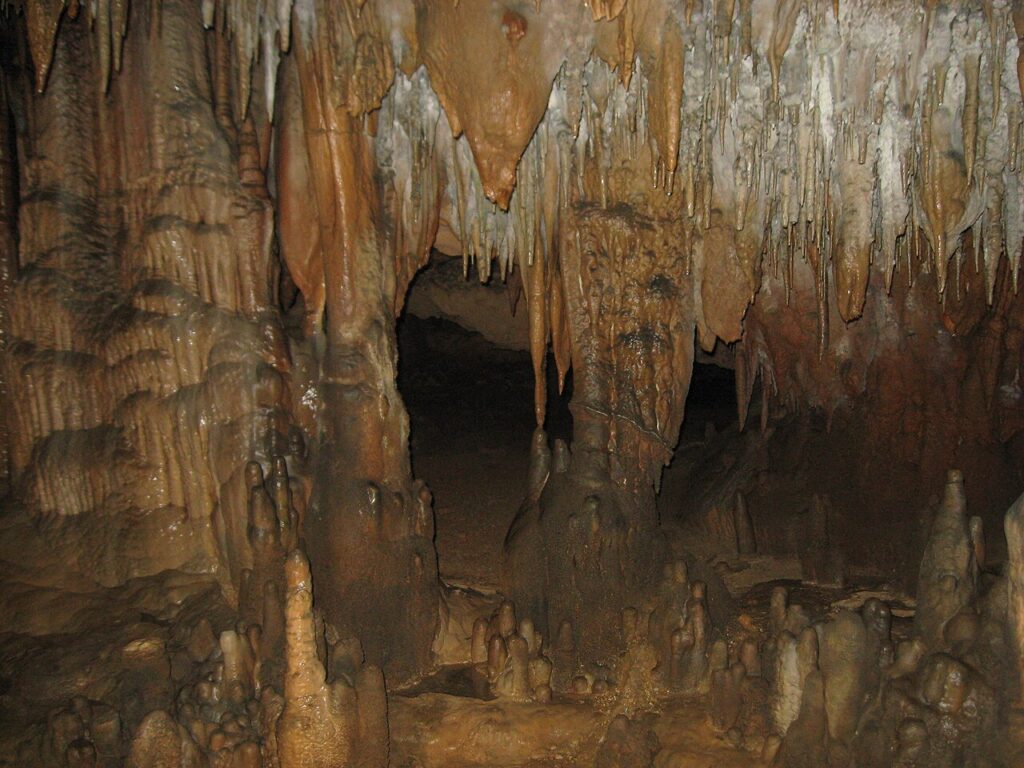
Up in the Panhandle, Florida Caverns hides a rare treat beneath its shady oak and pine: a system of limestone caves open for guided tours, making it one of the few Florida campgrounds where you sleep above ground and explore stalactites below. It can get hot and humid, and sites book through the state park system.
18. Cheaha State Park (Alabama)
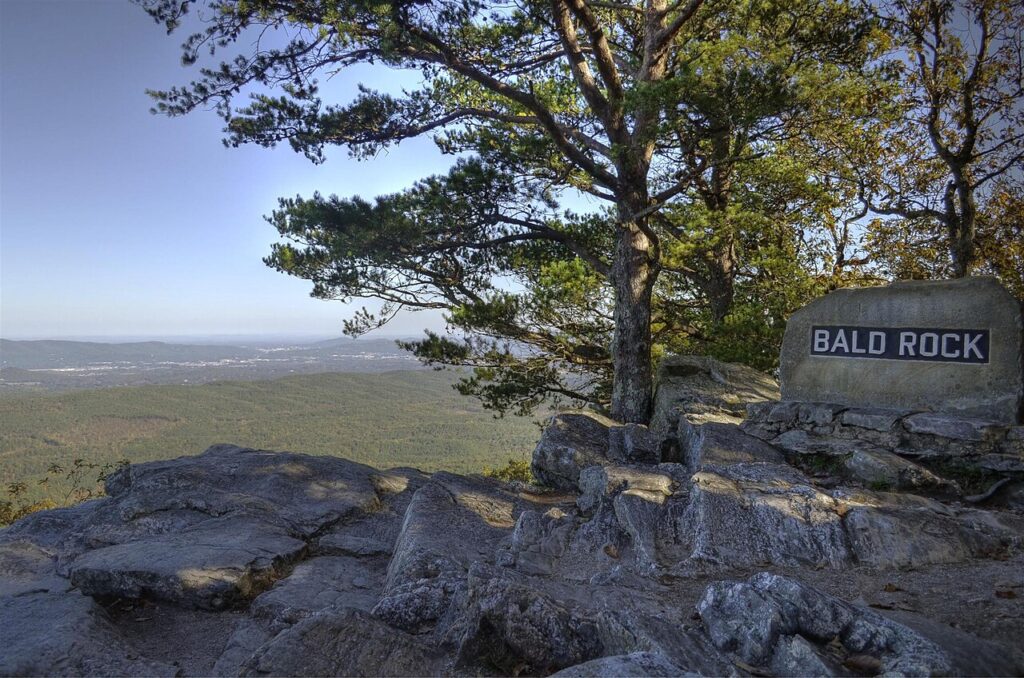
At 2,407 feet, Cheaha is the highest point in Alabama, its name meaning high place in the language of the Creek people. The open, breezy summit camp has 77 sites with a bathhouse, hookups, and fire rings, which makes it unusually friendly to hikers, bikers, and climbers. The drive up is steep, and the views over Talladega National Forest peak in the fall.
19. Teton Crest Trail (Grand Teton National Park, Wyoming)
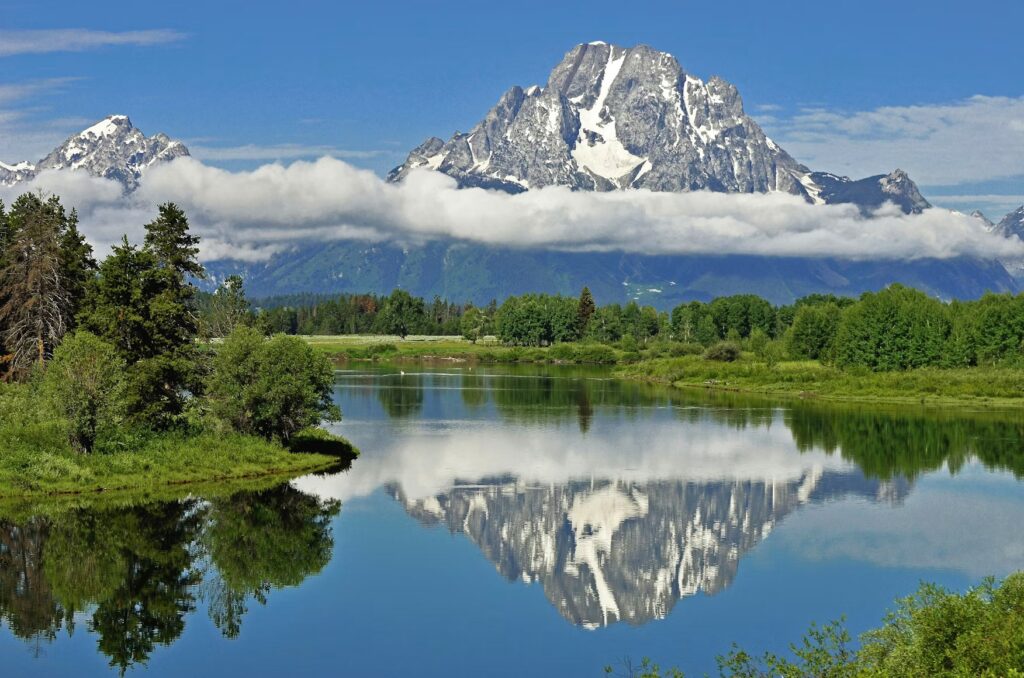
For hardened backpackers, the Teton Crest Trail strings together granite giants, clear glacial lakes, and wildflower meadows into one of the great high routes. Camping up here turns the Tetons themselves into the backdrop for your morning coffee. It requires a backcountry permit, often through an early-season lottery, and snowmelt timing decides whether the route is even safe.
20. Wonder Lake (Denali National Park, Alaska)
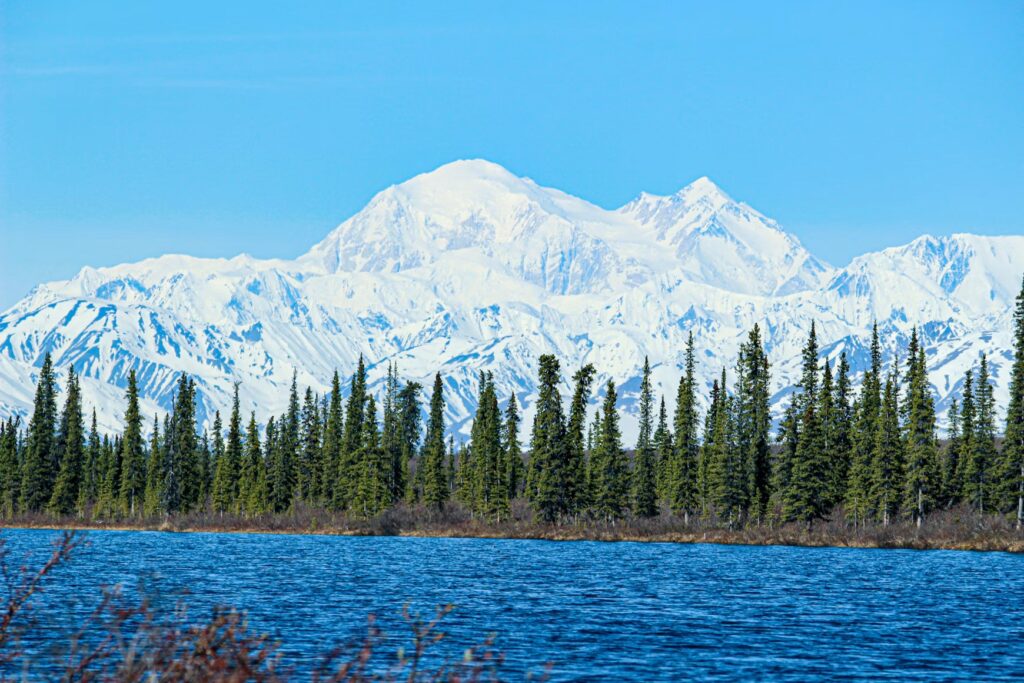
Deep in Denali, Wonder Lake sits in vast open tundra with the great peak mirrored on its surface and daylight that barely quits in summer. It is the closest most people come to true wilderness, but it demands serious planning, since reservations can open as far as 18 months out, private cars are not allowed, and you ride the park bus in. One current caveat matters most: the Pretty Rocks landslide has kept the park road closed past Mile 43 while a new bridge is built, so confirm that access has reopened before you count on reaching Wonder Lake.
21. Hidden Valley (Joshua Tree National Park, California)
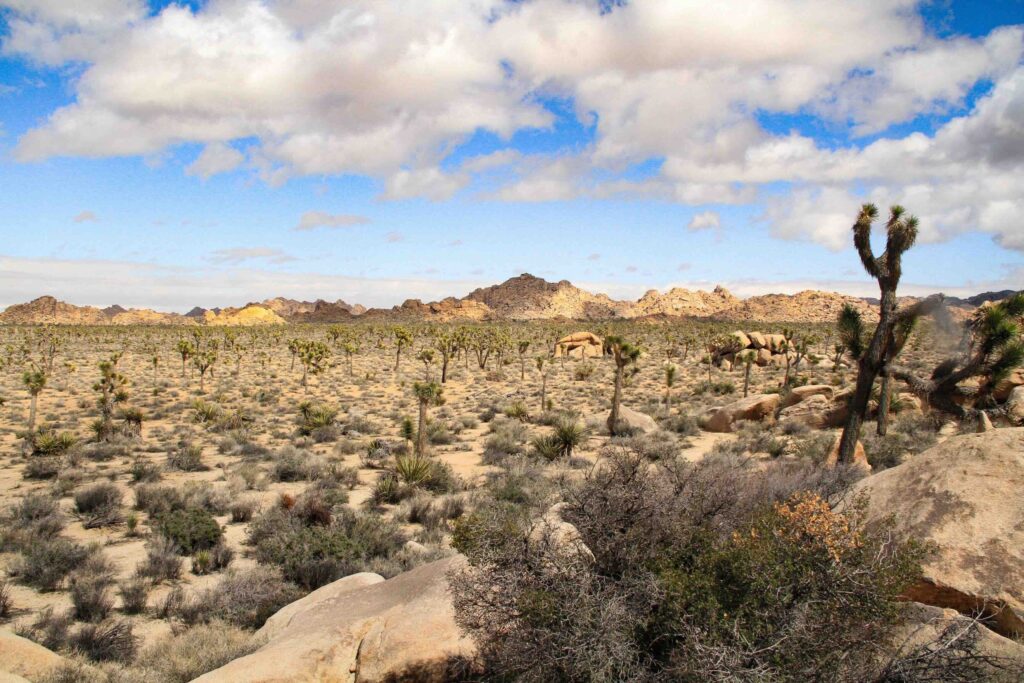
Finally, Hidden Valley feels like another planet, a jumble of giant granite boulders and twisted Joshua trees under the desert sky. It is a mecca for rock climbers and, as part of an official Dark Sky Park, one of the best stargazing spots in the country. There is no water here, and it runs first-come, first-served, so arriving early on a weekday is the only reliable way in.
Essential Survival Tips for Every Camping Trip
Wherever you land, a few rules keep both you and the place safe.
- The first is Leave No Trace: pack out every bit of trash, keep soap out of the streams, and drown your campfire completely before bed.
- The second is weather, because mountains and deserts swing hard, and a 95°F afternoon in Zion can drop to 40°F overnight, which makes layering and a correctly rated sleeping bag essential rather than optional.
- The third is wildlife: in bear country the bear box is there to be used, not admired, so lock away anything with a scent, toothpaste and sunscreen included, and out in the desert, shake out your shoes each morning in case a scorpion has moved in overnight.
Frequently Asked Questions
How far ahead should you book camping spots in national parks?
Most parks use Recreation.gov with a rolling window that opens 6 months before your dates. A few remote places go much further out, and Denali’s reservations can open as much as 18 months ahead.
Where can you find free campsites in the US?
Land managed by the Bureau of Land Management and the US Forest Service allows free dispersed camping, or boondocking, for up to 14 days. Sage Creek in the Badlands and the Caribou-Targhee National Forest are classic examples.
Is backcountry camping different from developed campgrounds?
Completely. Developed campgrounds like Yosemite’s Lower Pines come with paved access, fire rings, restrooms, and sometimes hookups. Backcountry sites like Tiger Key in the Everglades make you hike or paddle everything in, often under a strict permit cap, in exchange for near-total wilderness.
Conclusion: Meet Nature on Purpose
The US is not short on beautiful wild country, and the gap between a great trip and a frustrating one comes down to preparation. Use the decision matrix to match a spot to your vehicle and your budget, set a reminder for exactly 6 months before your dates to grab a Recreation.gov reservation, and always keep a free BLM site in your back pocket as a Plan B. The wilderness is ready whenever you are.