
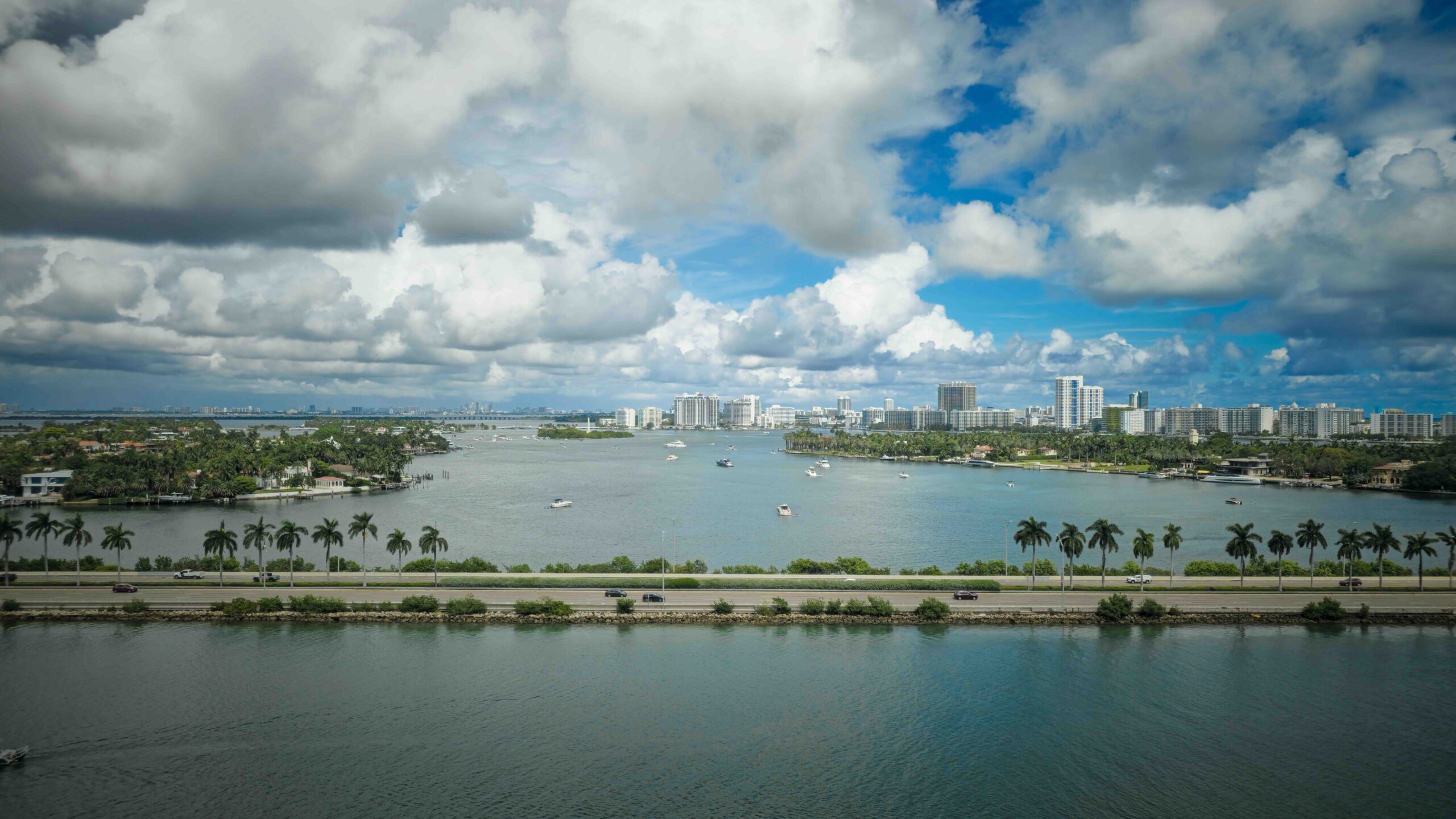
The best time to visit Florida in 2026 is March and April for spring beach weather, and November once the hurricane season has closed but before the holiday crowds arrive. Those windows give you warm, mostly dry days without the peak prices or the peak risk that bracket the calendar on either side.
What trips up most first-time planners is that Florida does not run on a single season. It runs on a pair of them, moving in opposite directions. In Miami and the south, the high season is winter, when visitors flee the cold up north. In Destin and the Panhandle, the high season is summer, because the northern Gulf is too chilly to swim in January. Understanding that split, and where hurricanes and spring break fit into it, is what separates a good trip from an expensive, sweaty one.
The 2026 Florida Decision Matrix: Weather, Prices, and Hurricane Risk
2026 estimates are typical rates for centrally located 3- to 4-star hotels at the time of writing, and temperatures are seasonal averages rather than guarantees. Verify prices directly before booking, since they swing sharply by region and event.
Month(s) | Weather (°F) | Hurricane risk | Crowds and season | Hotel price | Prime region |
|---|---|---|---|---|---|
Jan–Feb | 65 to 75, dry | None | High (snowbird season) | $250–$400+ | Miami, the Keys |
Mar–Apr | 75 to 82, ideal | None | Very high (spring break) | $200–$350 | Tampa, Orlando |
May | 85 to 88, warming | Very low | Moderate | $150–$250 | Panhandle, St. Augustine |
Jun–Jul | 90 to 95, humid | Building | Busy on the north beaches | $150–$250 | Panhandle, Space Coast |
Aug–Sep | 90+, oppressive | Peak | Low | $100–$150 | Deal-hunters only |
Oct | around 85, easing | Moderate to high | Low | $120–$180 | Orlando, Sanibel |
Nov | 78 to 82, near perfect | Very low (season ends) | Moderate | $150–$220 | Statewide |
Dec | 70 to 75, cool | None | High (holidays) | $200–$350 | The Keys, Disney World |
Decoding Florida’s Seasons: The North-South Divide
The single most useful thing to know about Florida weather is that the state is long enough to hold more than one climate at once. A month that is perfect in one region can be the wrong choice a few hundred miles away.
Miami and the Florida Keys: The Tropical South
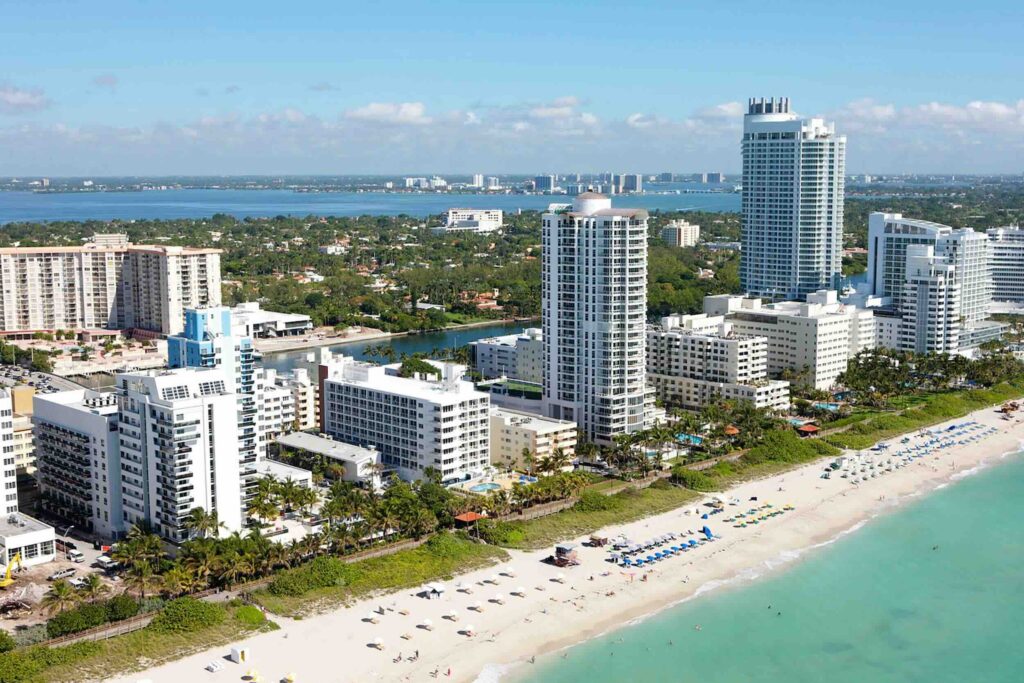
South Florida doesn’t really have winter. It has a dry season, from December through April, and a wet season the rest of the year. The dry season is also the high season, when hundreds of thousands of “snowbirds,” seasonal residents from the northern states and Canada, come down to escape the cold and push lodging costs to their yearly peak. Winter days sit in a comfortable 70°F to 78°F, while summer, from June through August, climbs past 90°F with a sticky 80% humidity that makes the afternoons hard going.
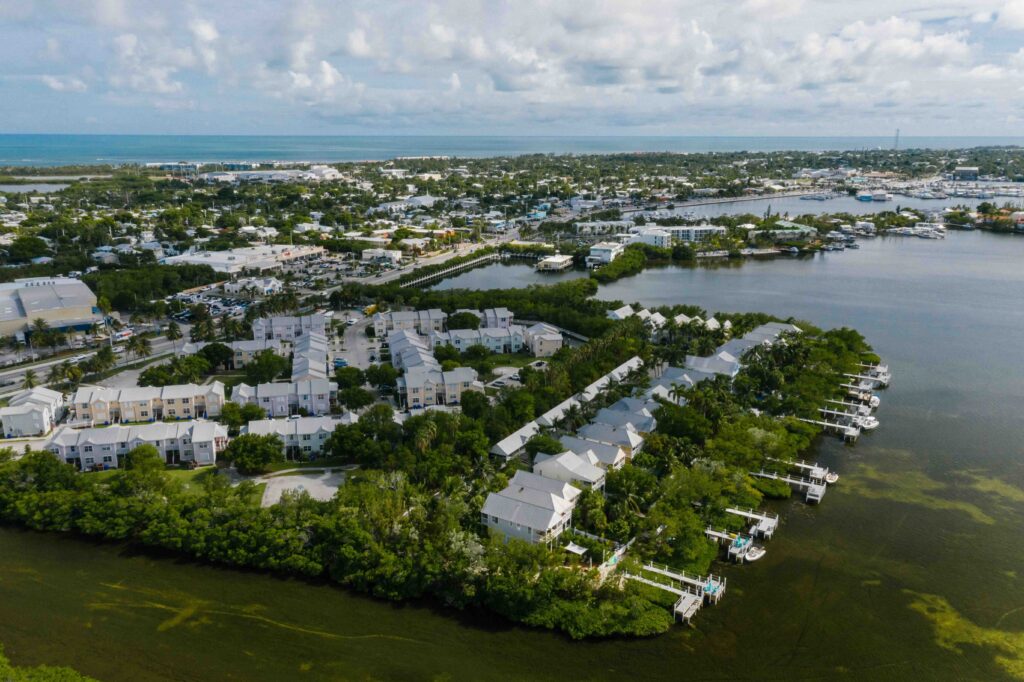
The price gap is dramatic. A room in Key West or on South Beach in winter can run $350 to $600 a night, whereas the same class of hotel in Miami or Palm Beach often drops by roughly half in August. The sweet spot is April and May, once the snowbirds have gone home: the weather stays dry and warm around 80°F to 84°F, the sea is calm, and hurricane season has not yet begun. The Keys have their own microclimate quirks on top of all this, which a dedicated Key West timing guide covers in more depth.
The Panhandle and Gulf Coast: The Subtropical North
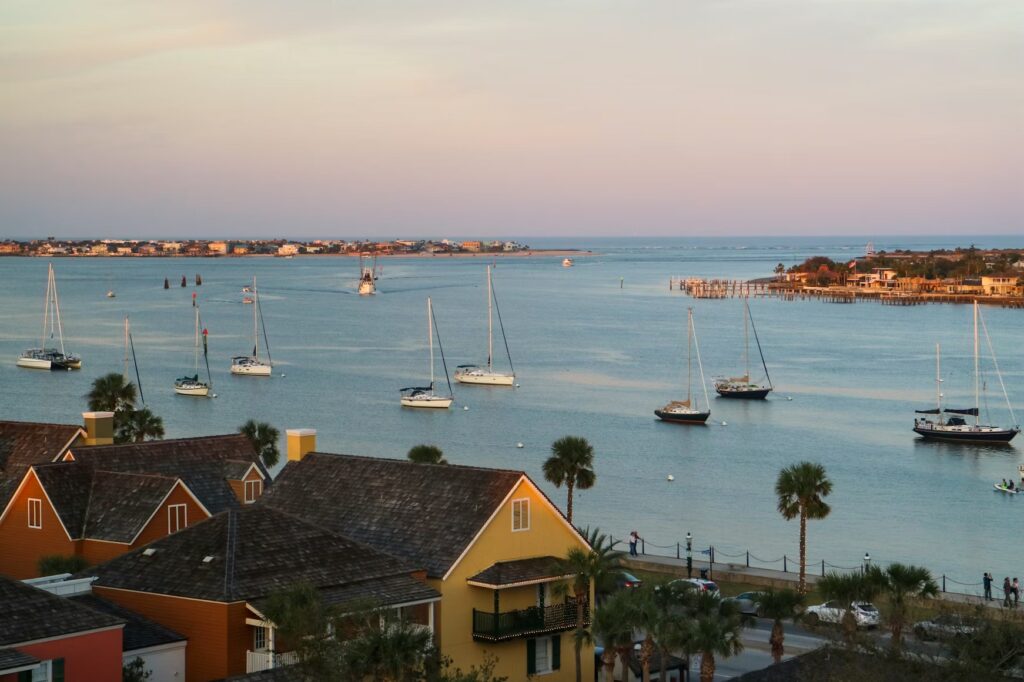
The Panhandle runs on the opposite schedule. Around Destin, Panama City Beach, and up to St. Augustine, winters are genuinely cool, with January temperatures dropping below 50°F and a Gulf too cold for swimming. The peak season here is therefore summer, when the water warms and the beaches fill. This stretch is nicknamed the Emerald Coast for its green water and sugar-white sand, which is quartz carried down over millennia from the Appalachian Mountains, unusually fine and bright underfoot.
Summer highs run 88°F to 93°F, tempered by a steady Gulf breeze, while winter is cool and dry at around 60°F. Beachfront condos in Destin hit $250 to $400 a night in June and July and sell out early, then fall to $90 to $135 in the November-through-February off-season. The sweet spots are May, when the water is warm enough to swim before the school-holiday rush, and October, when the heat eases and rates drop sharply after Labor Day. St. Augustine adds a reason of its own to visit: founded in 1565, it is the oldest continuously occupied European-established city in the United States.
Orlando and the Theme Parks: Central Florida’s Year-Round Exception
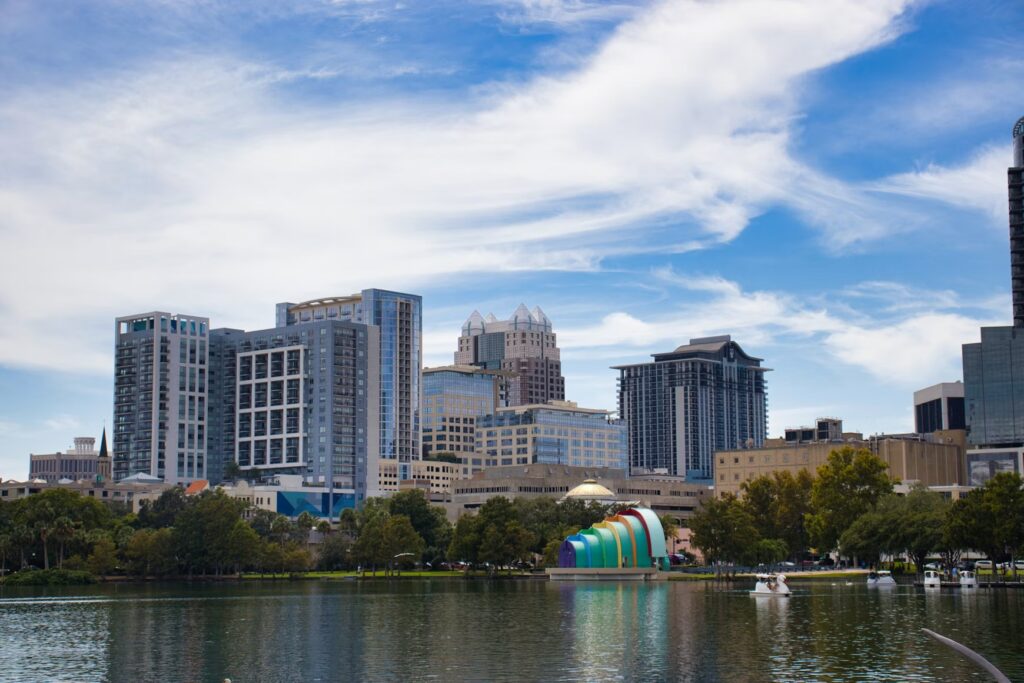

Orlando plays by different rules, because its crowds are driven almost entirely by the US school calendar rather than the weather. Summer here is a physical test, with temperatures regularly above 92°F made worse by the heat radiating off vast concrete parking lots, while winter is mild at around 70°F. The most comfortable window is early November or February, when cool, dry air makes a full day of walking bearable and the storm risk is gone. Early November has the added bonus of Disney’s Christmas decorations going up before December’s crowds arrive.
One practical note for water-park fans: Disney typically closes one of its water parks at a time through the cooler months for refurbishment, so check before you count on it. If you would rather step away from the parks, the state is full of historic and cultural landmarks worth the drive, gathered in a guide to Florida’s landmarks.
When to Visit Florida Based on Your Goals
Beyond the region, the best time to go to Florida depends on what you actually want from the trip. The same September that rewards a bargain hunter is a gamble for a family with fixed dates.
Theme Parks and Family Trips


For Disney and Universal, aim for January and February, outside the holiday weeks, or September. The winter months bring cool weather for all-day walking, and wait times for headline rides like Star Wars: Rise of the Resistance can fall from around 3 hours to closer to 45 minutes. The trade-off is that water parks often close for maintenance in this season. September has the thinnest crowds of the year once school is back in session, but you pay for it by dodging late-summer thunderstorms most afternoons.


Budget and Deal Hunting
The cheapest stretch runs from late August through September, sometimes called Florida’s value season. Domestic airlines flood the market with cheap round-trip fares, and upscale resort rates can fall 45% to 55%. The catch is significant: this is the peak of the Atlantic hurricane season, so booking here means watching the forecast closely and accepting that a trip could be disrupted at the last minute.
Nature, Wildlife, and Bioluminescence
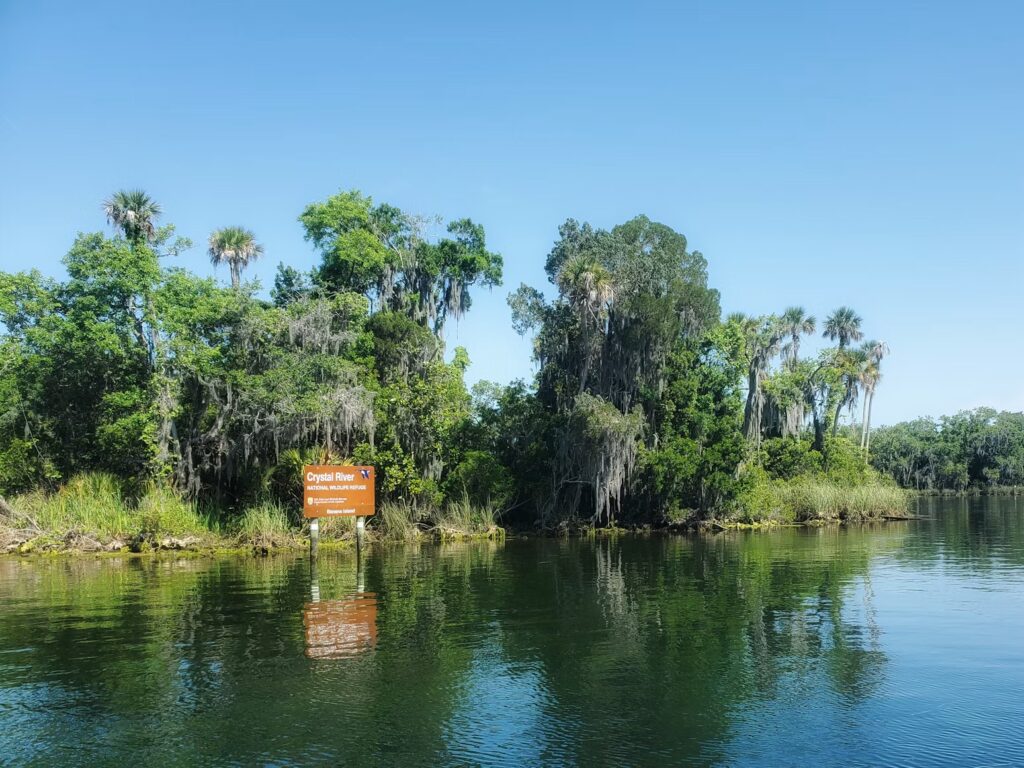
The best time to go to Florida for wildlife splits into a winter season and a summer one. In winter, from December through April, the cooling Gulf pushes hundreds of manatees into the warm 72°F springs at Crystal River, one of the few places you can reliably see them up close, and the dry season is also the best time for an Everglades airboat trip, when wildlife gathers at shrinking water holes and the mosquitoes thin out. Summer flips the script: from July through September, the Space Coast around Titusville and Mosquito Lagoon lights up after dark, when disturbed algae flash neon blue with every paddle stroke. That phenomenon is tied closely to the moon, so it is worth reading a first-time bioluminescent kayaking guide on gear and timing before you go.
The Danger Zones: Hurricane Season and Spring Break
Navigating Hurricane Season
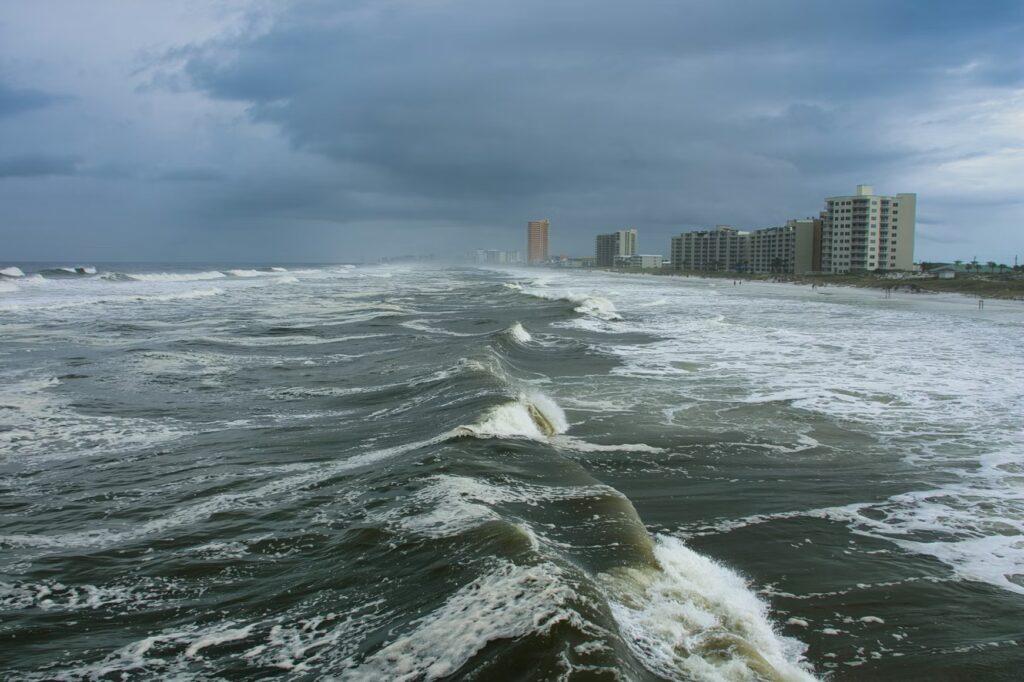
Florida’s hurricane season officially runs from June 1 to November 30, but the risk is far from evenly spread. June and July bring mostly scattered showers. The real danger concentrates from mid-August through late October, when Atlantic waters are warmest and feed the strongest storms, with the statistical peak falling around September 10. If you book into August, September, or October to chase low prices, a few habits matter: reserve only hotels with flexible cancellation, buy travel insurance that covers weather disruption, and keep the National Hurricane Center’s tracking updates handy so you have 48 hours of warning rather than a scramble at the airport.
Dodging Spring Break
Spring break stretches from early March into mid-April and peaks around Easter, when millions of high school and college students head to Florida’s beaches. Miami Beach, Fort Lauderdale, and Panama City Beach turn into loud, congested, party-heavy scenes, and in recent years Miami Beach has imposed curfews and other restrictions to rein in the crowds. Hotel prices climb to winter levels while service strains under the load. Families looking for quiet are better off shifting to calmer shores like Sanibel Island, famous for its shelling, or Amelia Island in the far northeast during these weeks.
Frequently Asked Questions
What is the cheapest month to go to Florida?
September is the least expensive, because school is back in session and it sits at the peak of hurricane season. Room rates in Orlando and Miami can fall sharply, though the savings come with real weather risk.
When is the worst time to visit Florida?
August. The combination of 95°F heat, oppressive humidity, and rising tropical-storm risk makes it the most draining month to travel, especially inland and in the south.
What is the best month to go to Disney World?
Early November. The weather is mild at around 78°F, the serious storm risk has passed, and you can see the early holiday decorations before the enormous December crowds arrive.
Conclusion
Florida isn’t a destination with a single right answer. The trick is to match the month to your priority, whether that is weather, price, or space to breathe. If you want winter warmth and nightlife in Miami, accept that you will pay peak-season rates for it. If you’re planning a family run at Disney World, the early-November window spares you the worst of the heat and the lines. And if you’re drawn to natural spectacles like the summer glow on the Space Coast, the empty, humid off-season is exactly when they happen. Decide which of those matters most, weigh it against the hurricane calendar, and the best time to visit Florida becomes a clear choice rather than a guess.