
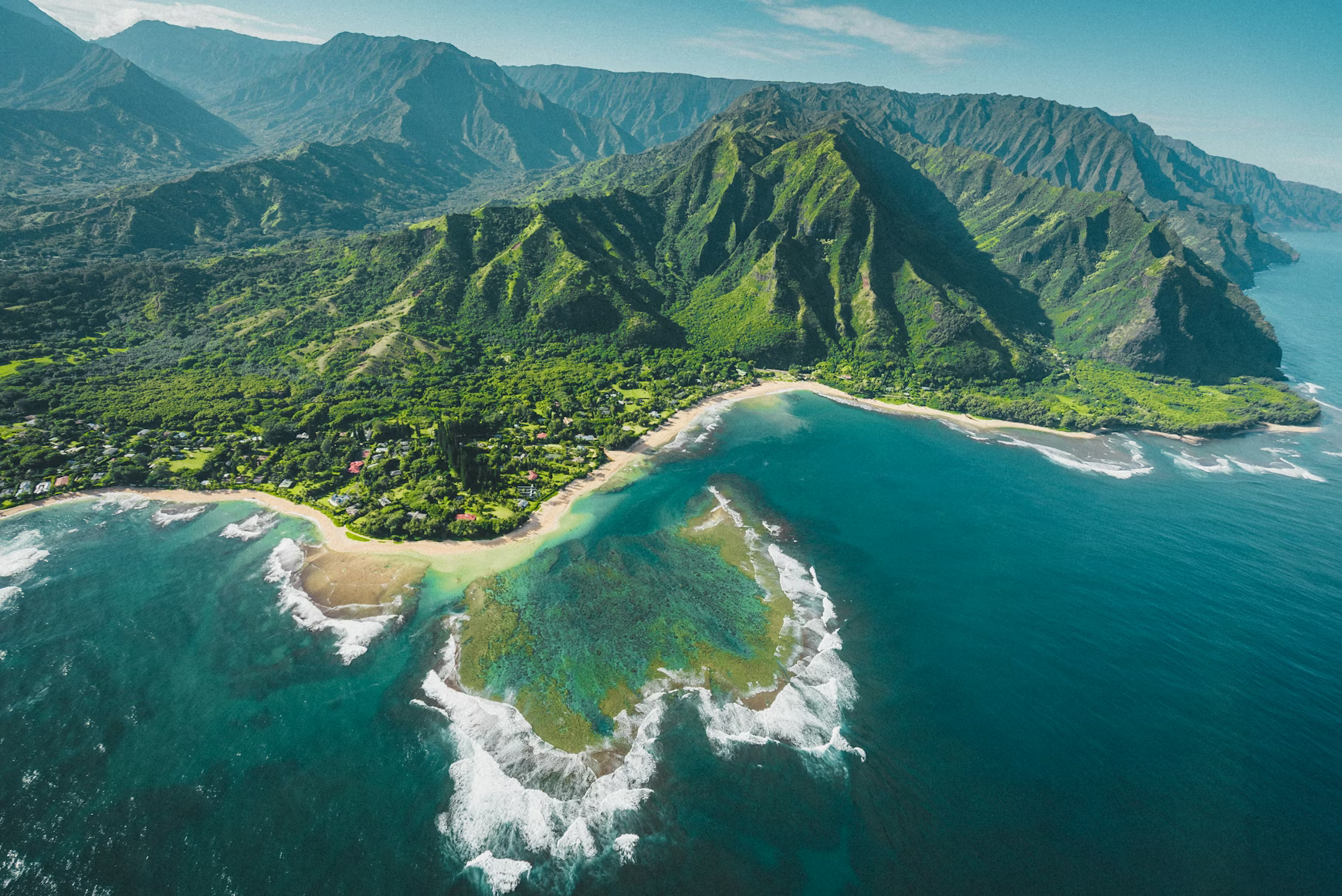
Hawaii, with its year-round warmth and stunning landscapes, is a dream destination for travelers worldwide. However, to truly experience the beauty and culture of the Hawaiian Islands, it’s essential to understand the best time to visit Hawaii, taking into account Hawaii weather by month, Hawaii travel tips for first-time visitors, and key activities such as Hawaii hiking tips for beginners. This guide explores when to visit Hawaii, based on your interests, preferences, and travel goals.
Understanding Hawaii’s Weather: A Year-Round Destination

Hawaii enjoys a tropical climate, which means warm temperatures throughout the year. However, the islands’ varied geography creates microclimates, with coastal areas often hotter and drier than the lush, rainier mountains. Typically, temperatures in Hawaii range from 70°F to 85°F (21°C to 29°C), making it a great destination at almost any time.
Despite the constant warmth, Hawaii does experience seasonal weather variations, particularly in rainfall and crowd sizes. Therefore, the best time to visit Hawaii depends on your priorities: whether you’re after outdoor activities, local festivals, or budget-friendly travel.
To help with your Hawaii vacation planning, it’s also important to consider which best Hawaiian islands to visit based on your interests. Each island, whether it’s Oahu, Maui, Kauai, or the Big Island, offers something unique throughout the year.
Best Time to Visit Hawaii: By Season
Winter (December to February): Ideal for Whale Watching & Surfing

Winter in Hawaii brings cooler temperatures and increased rainfall, especially in the north and higher elevations. However, this season offers a unique experience for those looking to enjoy whale watching tours in Hawaii. The waters off the coast of Hawaii are home to migrating humpback whales, and the best time to visit Hawaii for whale watching is from December to April, with peak sightings in January and February.

This is also the prime time for surfers, particularly on Oahu’s North Shore, where massive winter swells attract world-class surfers. However, it’s important to note that this is also a popular time for tourists, so expect higher prices and crowded conditions, especially around holidays like Christmas and New Year. Many visitors flock to Hawaii during the best time to go to Hawaii, often aligning their trips with the holiday season.
Spring (March to May): Perfect for Hiking & Exploring
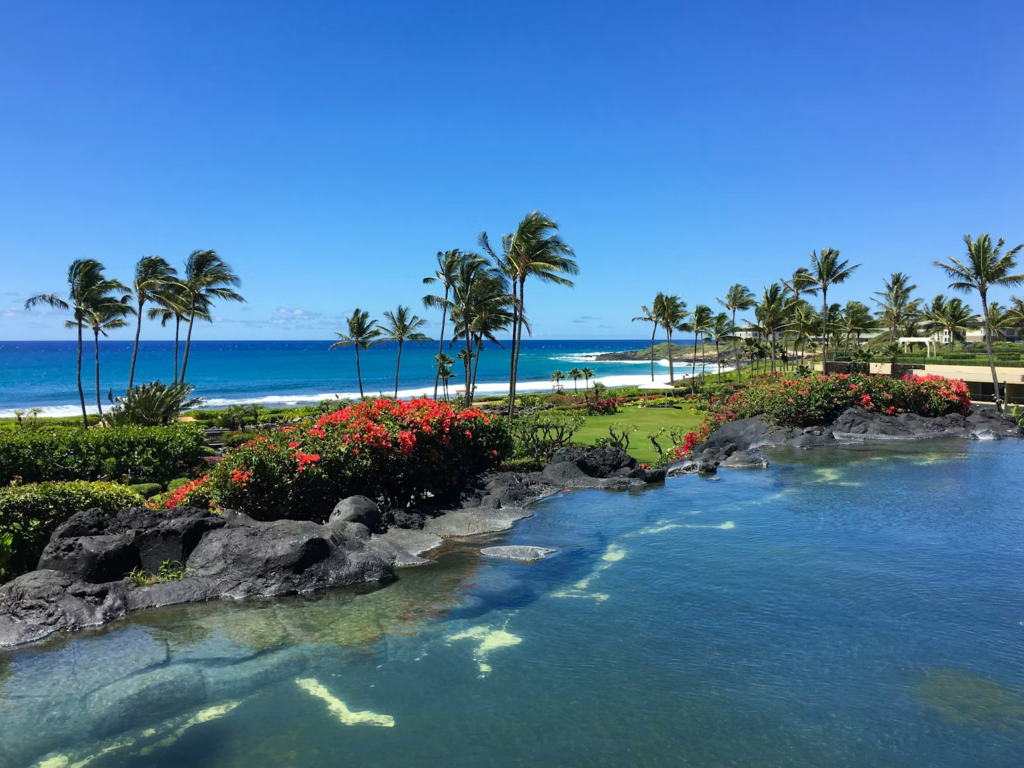
Spring offers mild temperatures and fewer crowds, making it one of the best times for hiking and outdoor activities. The trade winds help keep temperatures comfortable, and rainfall is generally lower compared to the winter months. This is also the time when flowers bloom across the islands, with vibrant landscapes that make hiking and nature walks particularly beautiful.
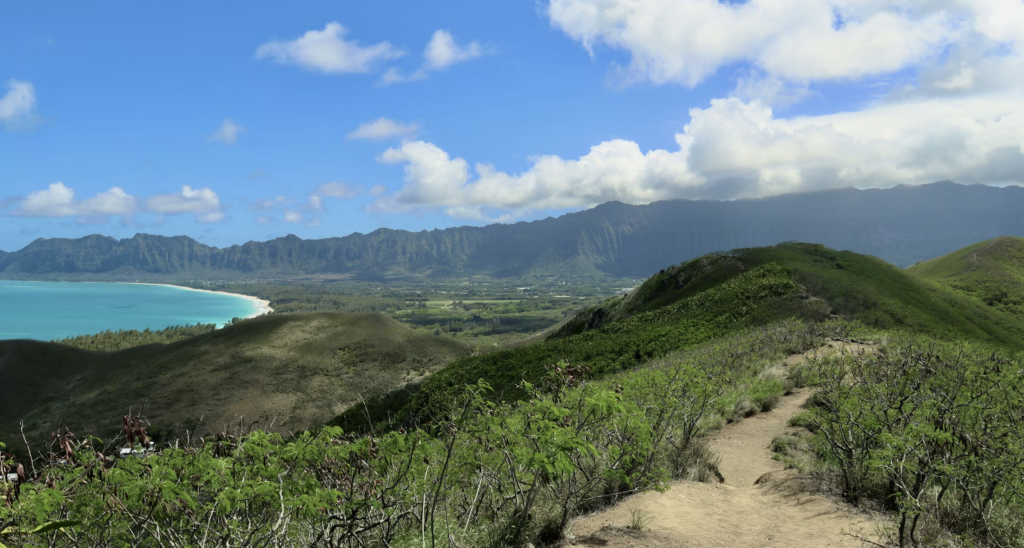
For those looking to explore Hawaii’s unique landscapes, spring offers a mix of sunny days and cool breezes. Additionally, spring break brings families and college students, but overall, crowds are thinner than during the winter holidays, making it easier to find accommodation deals and enjoy popular attractions without the overwhelming crowds.
For those seeking the best time for hiking in Hawaii, spring is a top choice, as the weather is pleasant and perfect for exploring the islands’ many trails.
Summer (June to August): Great for Family Trips & Beach Days
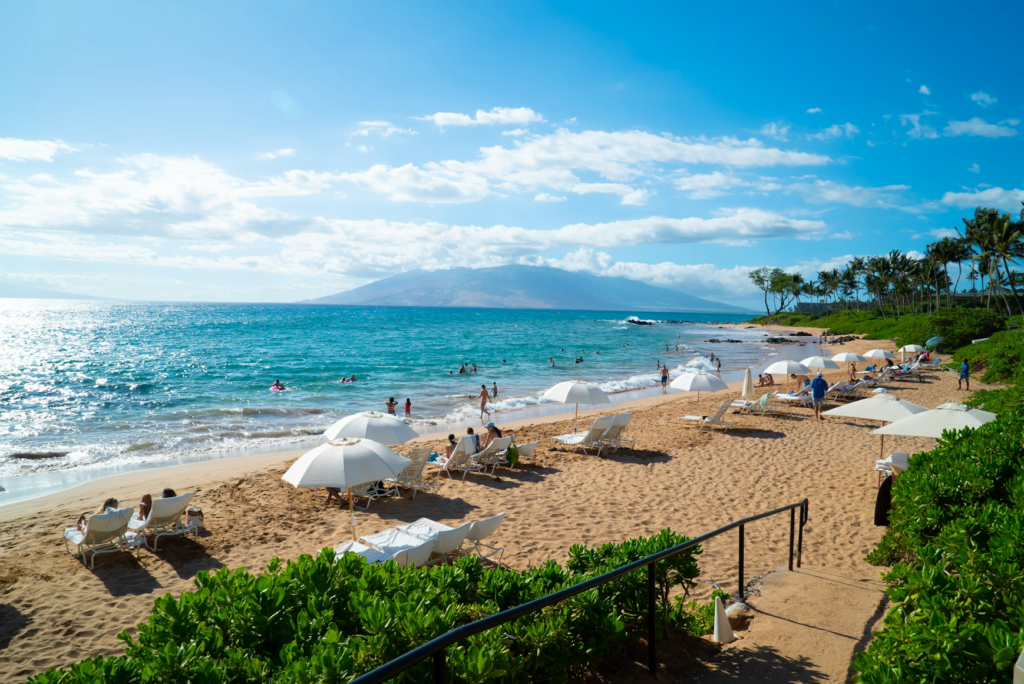
Summer is Hawaii’s peak tourist season, with long, sunny days and warm temperatures ideal for beachgoers and families. The summer months offer clear skies and warm ocean waters, perfect for snorkeling, swimming, and surfing. While popular beaches like Waikiki can be crowded, the islands offer numerous hidden gems for those willing to explore beyond the well-known spots.

Summer is also a great time for families as schools are out, and Hawaii offers plenty of family-friendly Hawaii vacations. From cultural experiences to adventurous outings like zip-lining and boat tours, there’s something for every age group. However, this is also the most expensive time to visit, with high accommodation rates and crowded attractions, particularly around the Fourth of July.
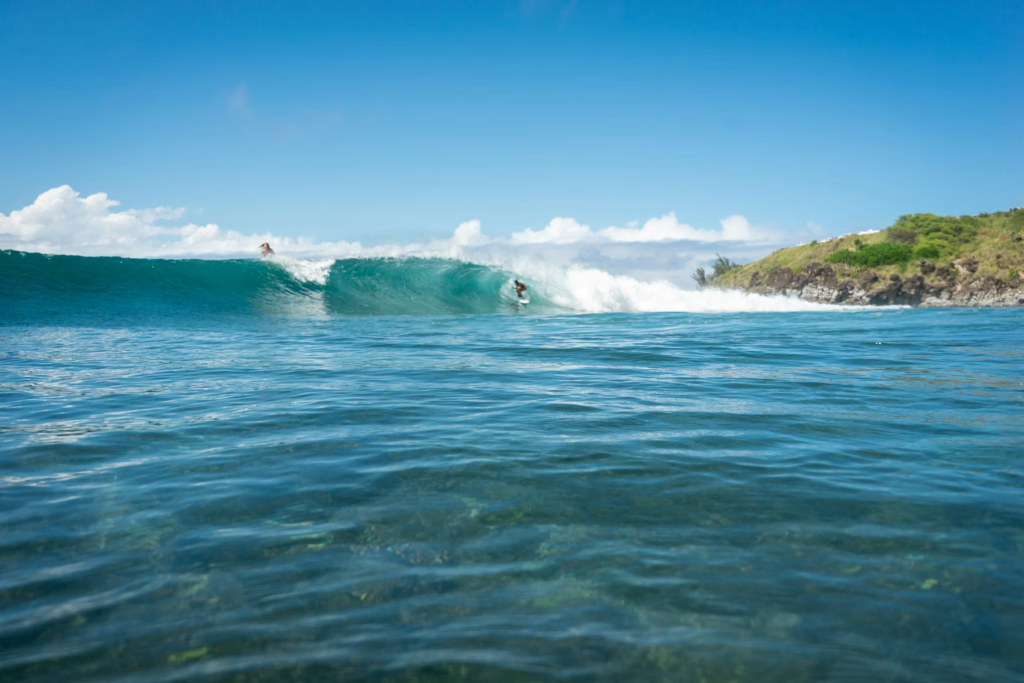
For those searching for the best time for surfing in Hawaii, summer is perfect for both beginners and advanced surfers looking to ride smaller waves on many of the islands’ beaches.
Fall (September to November): Best for Budget Travelers & Cultural Events
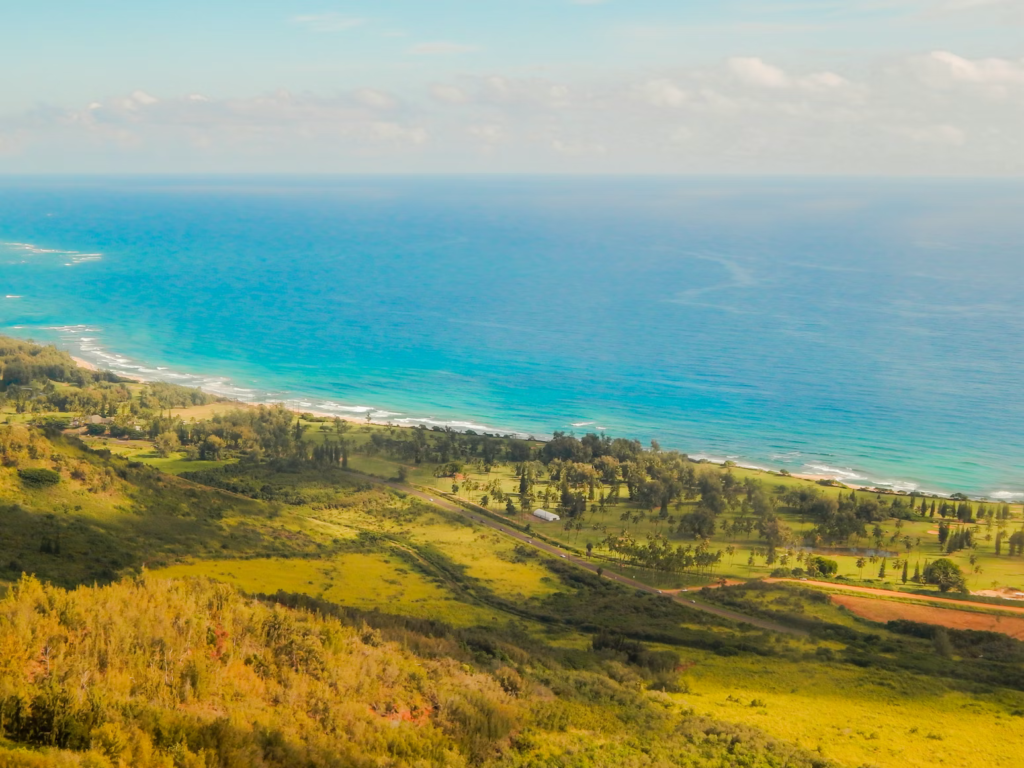
Fall is perhaps the most underrated season to visit Hawaii, offering a blend of good weather and fewer crowds. Temperatures remain warm, but the humidity begins to drop, making it a pleasant time to explore both the beaches and mountains. The island’s festivals and cultural events also make this a special time to visit.
For budget-conscious travelers, fall offers lower hotel rates and airfare compared to the summer months. While hurricane season technically runs from June to November, Hawaii is rarely impacted by major storms. If you’re looking to avoid the peak crowds while enjoying great weather, fall is a great choice.

This is also a great time for those seeking Hawaii cultural experiences or Hawaii food tours. Many festivals take place during the fall, celebrating Hawaiian traditions and offering unique local food experiences.
Festivals and Events: Immerse Yourself in Hawaiian Culture

Hawaii is known for its rich cultural heritage, and many of the best experiences on the islands are tied to local festivals. Attending a cultural festival can add a unique dimension to your trip, whether you’re interested in food, music, or traditional Hawaiian practices.
Aloha Festivals (September)
Held across multiple islands, the Aloha Festivals celebrate Hawaiian culture with parades, music, hula performances, and food. This event brings together both locals and visitors in a celebration of Hawaiian traditions.
Merrie Monarch Festival (April)

The Merrie Monarch Festival is one of Hawaii’s most prestigious hula competitions, held annually in Hilo. It attracts hula enthusiasts and offers a deep dive into the traditional Hawaiian dance form.
Hawaii International Film Festival (November)
A celebration of global cinema, the Hawaii International Film Festival showcases films from across the Pacific Rim, offering a unique experience for film lovers.
These are just a few examples of the many events that take place throughout the year. If you plan to attend a festival, make sure to book your accommodations and activities in advance, as these events can significantly increase demand for lodging and services.
Tips for Your Hawaii Vacation: What You Need to Know
Plan for the Crowds: Peak Times vs. Off-Peak Times
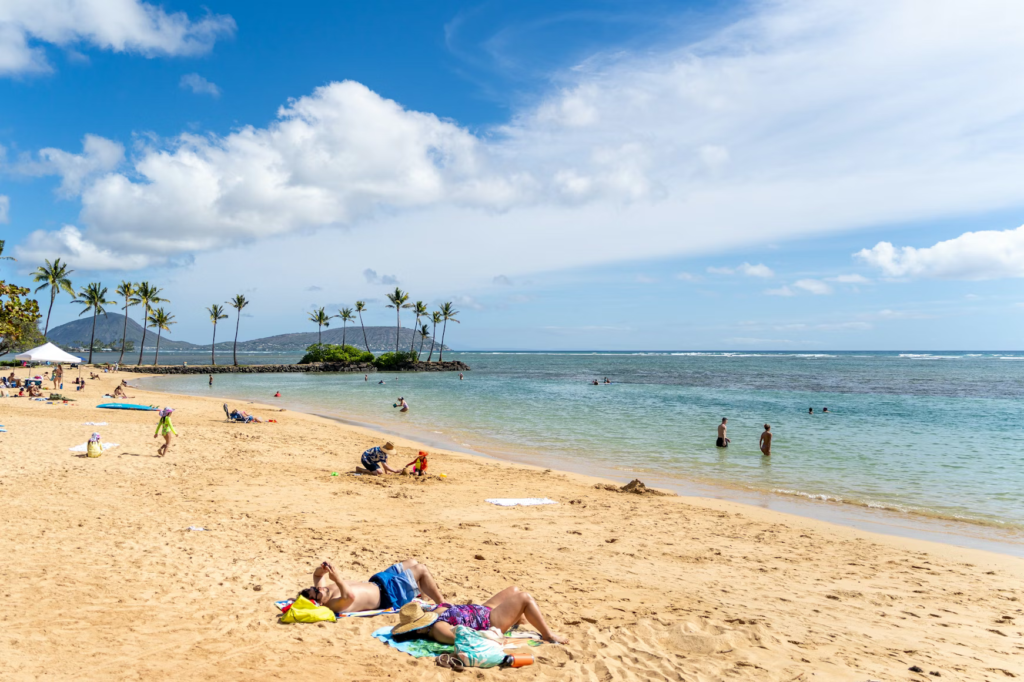
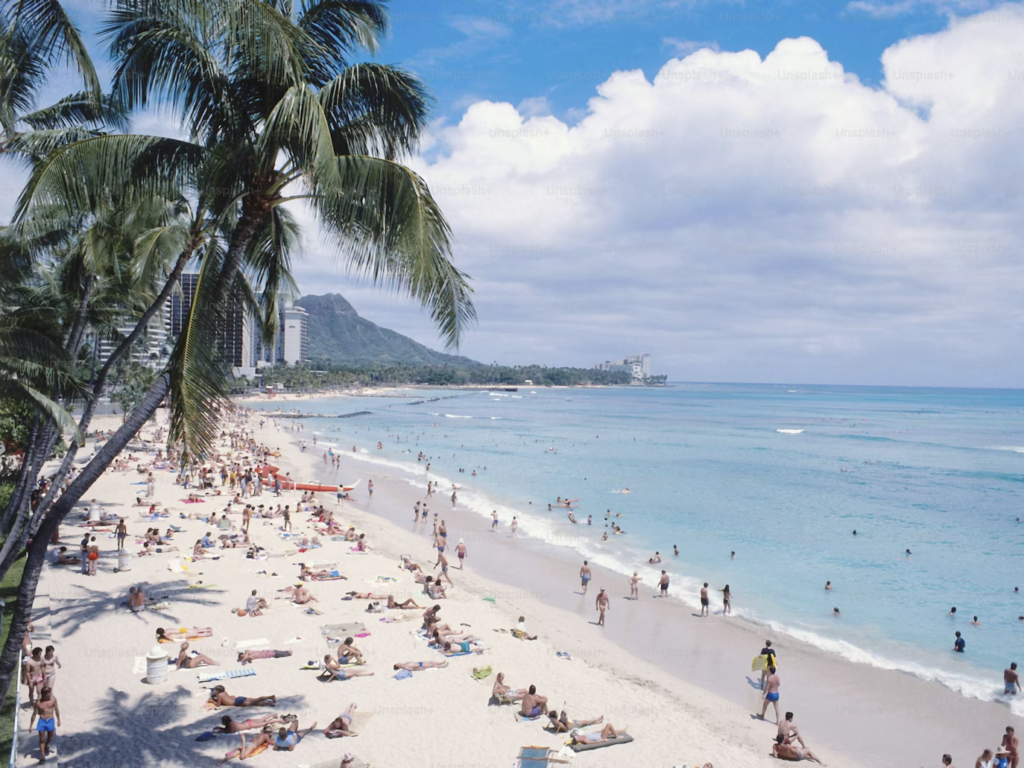
Crowd levels in Hawaii can fluctuate greatly depending on the season. During peak times like winter holidays and summer, popular spots like Waikiki can become congested. If you’re seeking a more peaceful experience, consider visiting during the shoulder seasons, such as spring or fall, when the crowds are thinner, and you can enjoy more tranquility.
Respect the Environment: Eco-Friendly Travel Tips
Hawaii’s natural beauty is one of its main attractions, and it’s essential to travel responsibly. Protect the environment by following guidelines for sustainable tourism in Hawaii, such as minimizing waste, choosing eco-friendly Hawaii travel options, and supporting local businesses. Additionally, when engaging in activities like hiking or wildlife watching, always respect local guidelines to preserve Hawaii’s delicate ecosystems.

Health and Safety Precautions
Hawaii’s tropical climate means it’s important to stay hydrated and protect yourself from the sun. Pack sunscreen, wear hats, and drink plenty of water while exploring the islands. In more remote areas, be mindful of potential hazards, such as strong ocean currents or volcanic activity, and always follow local safety recommendations.
Conclusion: Choose Your Ideal Time to Visit Hawaii
Whether you’re chasing waves, hiking through lush forests, or immersing yourself in Hawaiian culture, the best time to visit Hawaii depends on your personal preferences. Each season offers its own set of advantages and challenges, from winter’s whale watching to summer’s family-friendly beach days.
Consider what activities you most enjoy, your budget, and the type of experience you’re seeking. With this information, you’ll be better equipped to choose the ideal time to visit Hawaii and make the most of your trip.