

The United States offers a wide range of destinations, from vibrant cities and natural parks to tranquil beaches and snowy mountains. The ideal time to visit depends largely on what you plan to do, where you want to go, and the type of weather you prefer. Understanding the seasonal variations across the country will help you decide when to travel based on your interests and weather preferences. This guide breaks down the best times to visit the U.S. based on the seasons, regional climates, and activities available throughout the year.
U.S. Weather Patterns: A Quick Overview
Given the vast size of the United States, its weather varies greatly depending on the region. While the West Coast enjoys mild winters and summers, the Northeast can experience extreme cold and snow. The South has warm weather year-round, but summers can be sweltering. Meanwhile, places like Alaska and the mountainous regions in the Rockies offer unique challenges and benefits depending on the time of year. Understanding these geographical and seasonal differences is key to planning a trip that aligns with your preferences.
Key Considerations for Seasonal Travel in the U.S.
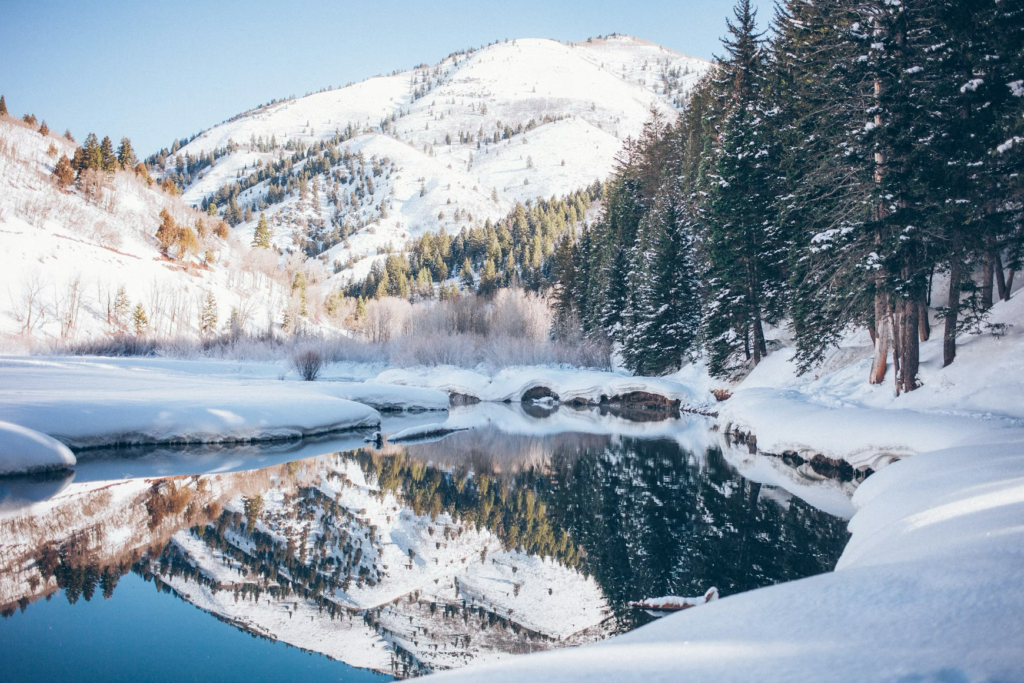
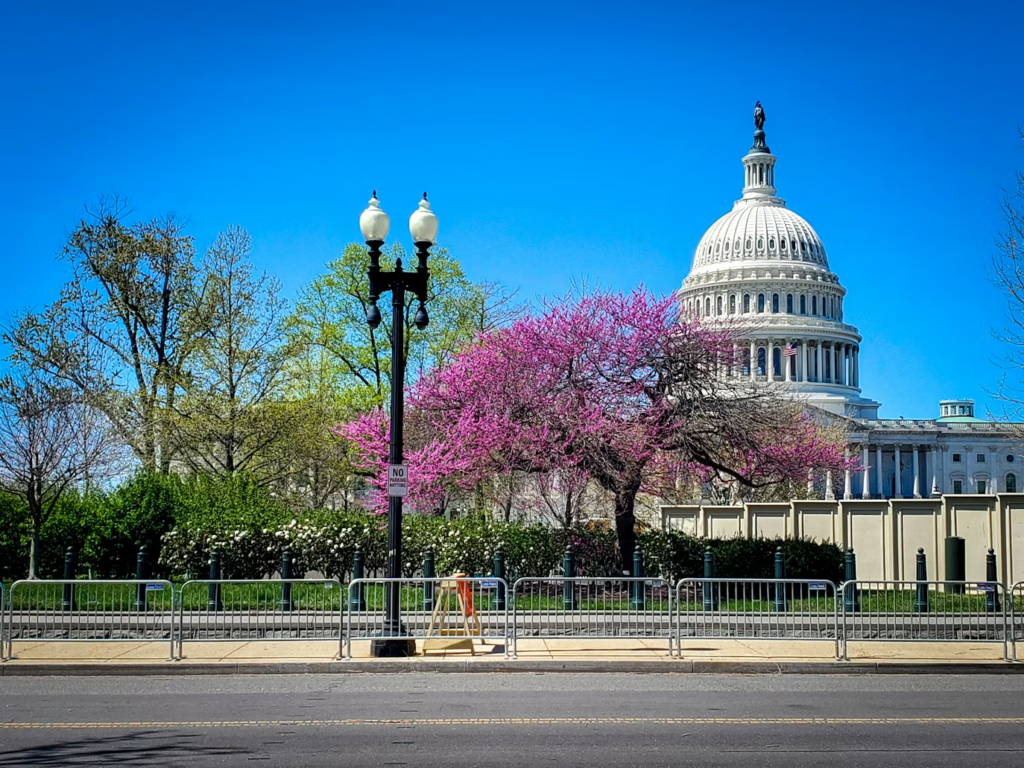
- Winter (December to February): Typically cold in most parts of the country, with exceptions in the South and parts of California and Florida. Ideal for winter sports and fewer crowds in popular tourist spots.
- Spring (March to May): A transitional period with mild temperatures, making it the perfect time for outdoor activities, festivals, and exploring national parks.
- Summer (June to August): Hot temperatures, especially in the South and West. However, it’s also a prime time for outdoor adventures and beach vacations.
- Fall (September to November): Cool and comfortable temperatures, ideal for fall foliage in places like New England, and a good time for outdoor exploration and city tours.

Best Time for Exploring Cities and Urban Experiences
The U.S. is home to some of the world’s most iconic cities, each with its own unique vibe and charm. Understanding the climate and events during different seasons will help you decide when to visit based on your interests.
New York City: Year-Round Energy


New York City is a vibrant destination that offers something for every type of traveler. The best time to visit depends on the experience you’re seeking. For pleasant weather and fewer crowds, spring (April to June) and fall (September to November) are ideal. The city’s parks, such as Central Park, come alive with colorful foliage in the fall or lush greenery in the spring. Winter, especially during Christmas, turns the city into a magical wonderland with famous attractions like Rockefeller Center and Times Square, but it can be cold and crowded. Summer is peak tourist season, with warmer temperatures and plenty of outdoor events, though the city can feel crowded.
San Francisco: Mild Year-Round Weather

San Francisco enjoys mild weather year-round, making it a great destination any time of year. However, fall (September to November) is considered the best time to visit, as the weather is typically warm and dry, perfect for exploring attractions like Golden Gate Bridge and Alcatraz Island. Summer can be foggy and chilly, especially near the coast, so visitors who prefer warmer temperatures may want to avoid it. Spring also offers pleasant conditions for outdoor activities, and you’ll find fewer tourists than in the summer months.


Los Angeles: Sunny and Warm
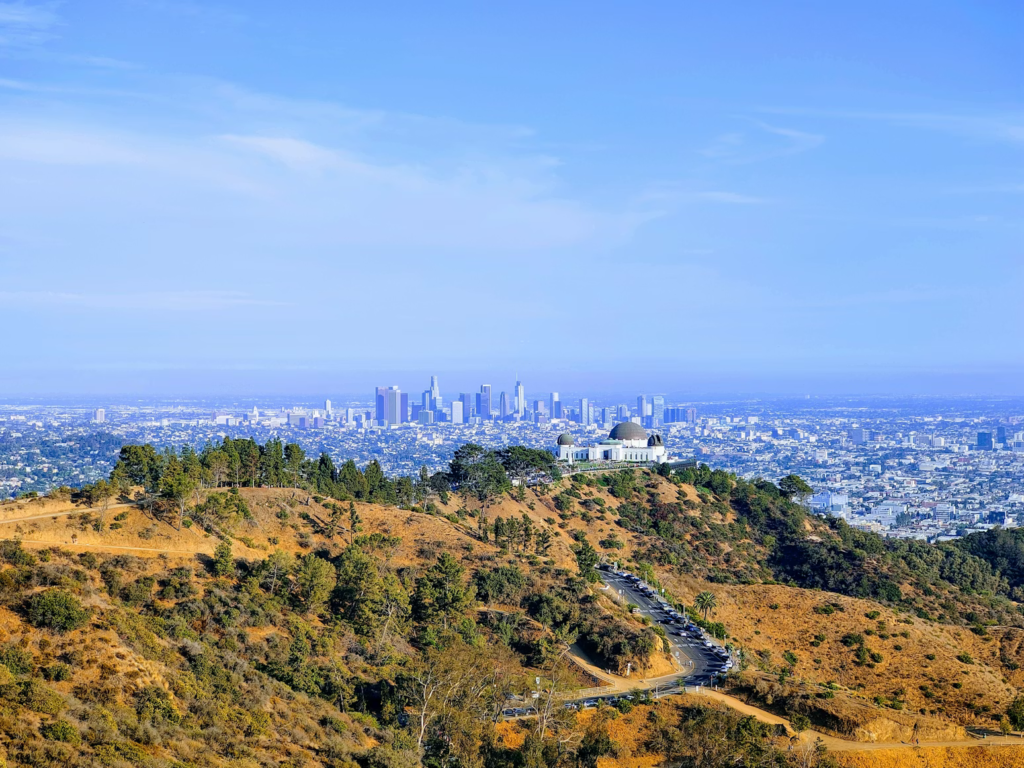
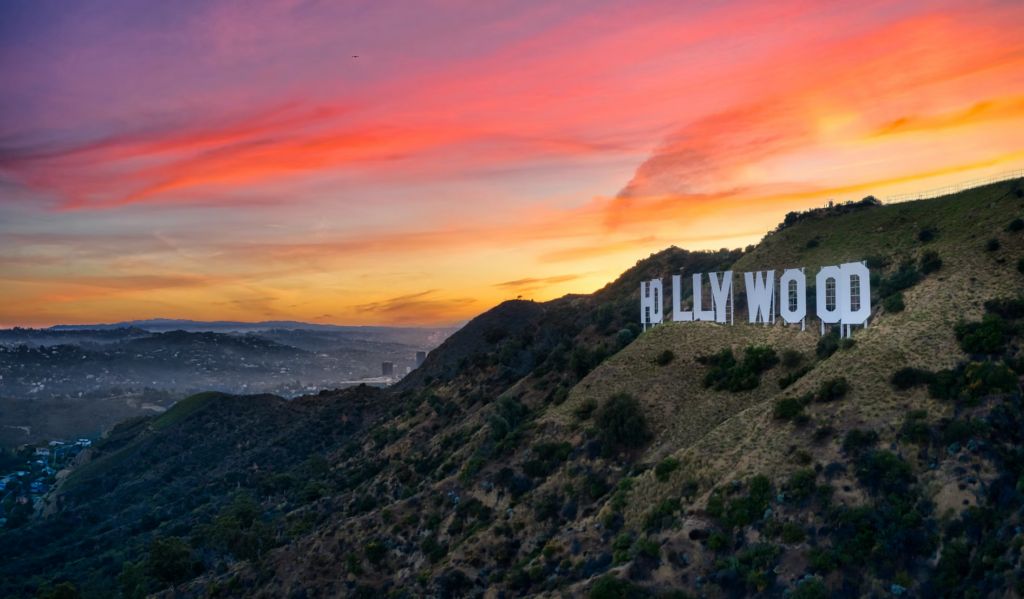
Los Angeles, with its reputation for sunny weather, is ideal for a visit almost year-round. Spring and fall are the most pleasant times to visit, with temperatures ranging from 65°F to 75°F, making it perfect for exploring the city’s outdoor attractions like Griffith Park, Santa Monica Beach, and hiking trails in the Hollywood Hills. Summer can be hot and crowded, with many tourists flocking to beaches and theme parks. Winter offers cooler but mild temperatures, and it’s a good time to visit if you want to avoid the summer crowds.

Best Time for Outdoor Adventures and Nature Exploration
Hiking in the Rocky Mountains and National Parks
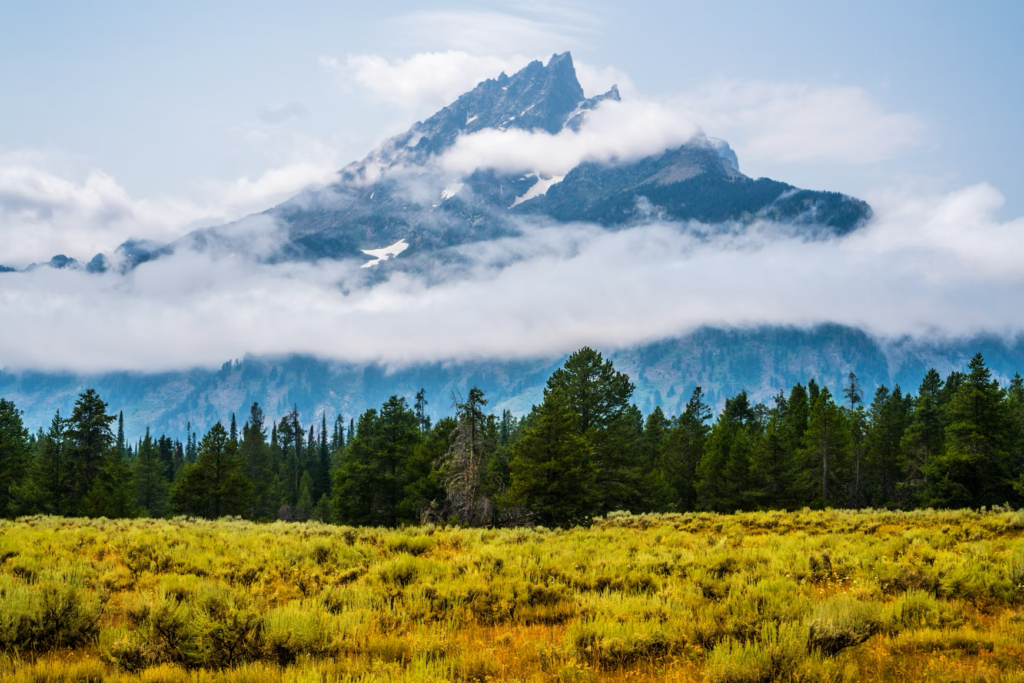

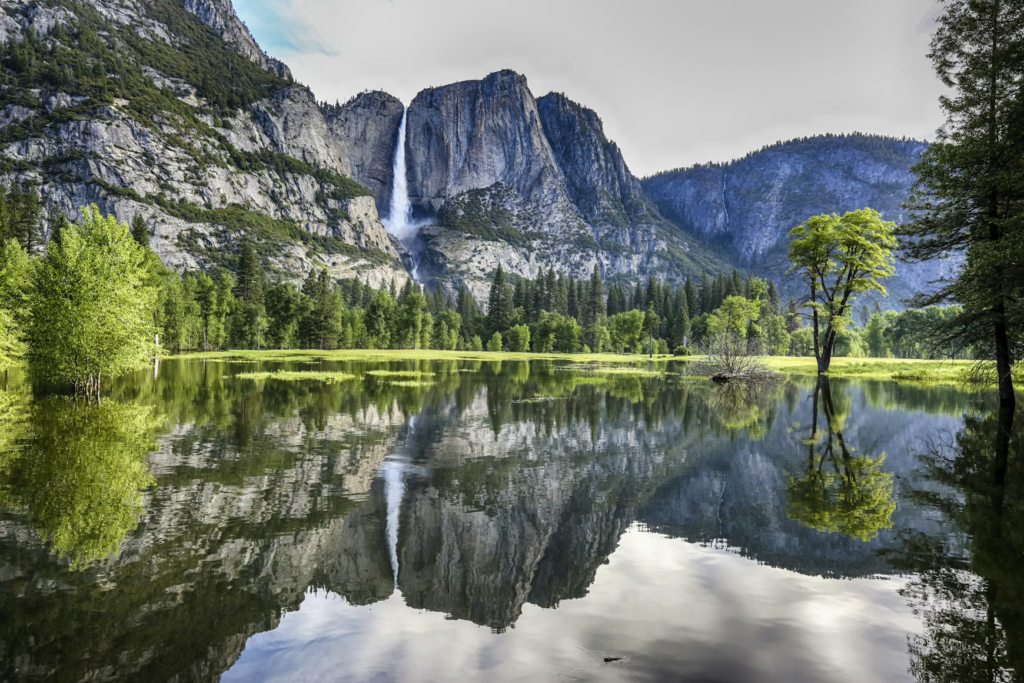
If you plan to visit destinations like Yellowstone, Grand Canyon, Yosemite, or Zion National Park, spring and fall offer mild temperatures that are perfect for hiking and outdoor exploration. The summer months (June to August) are ideal for long hikes and wildlife spotting, but they also bring larger crowds and higher temperatures, especially in desert parks like Arches or Death Valley. Winter is a quieter time for hiking in some national parks, though snow can limit access to certain trails.

Skiing and Winter Sports in the Rocky Mountains
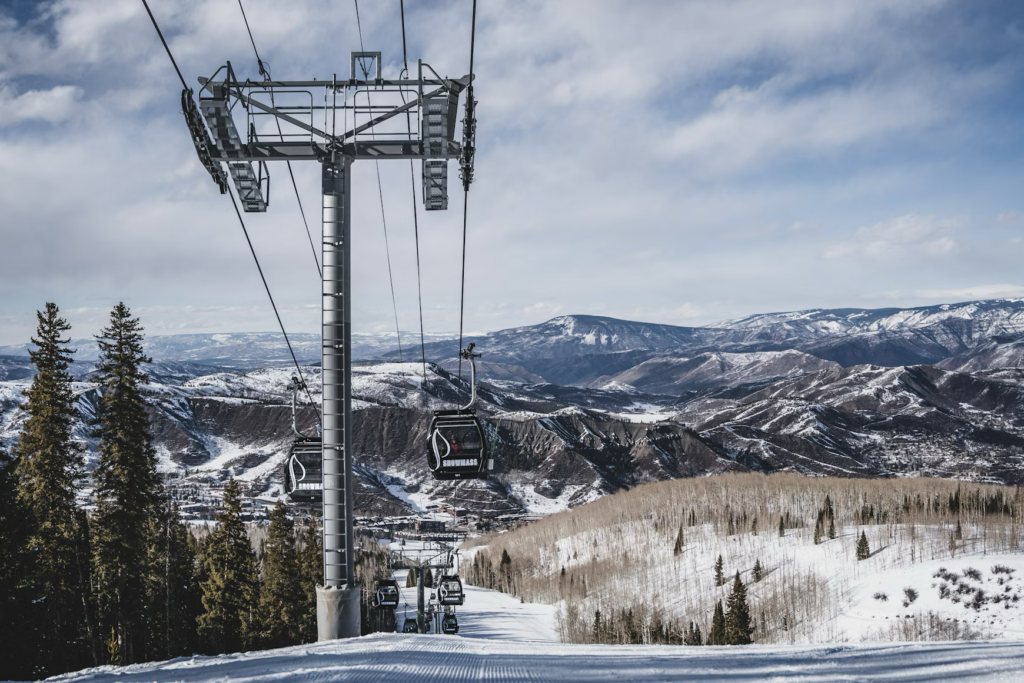
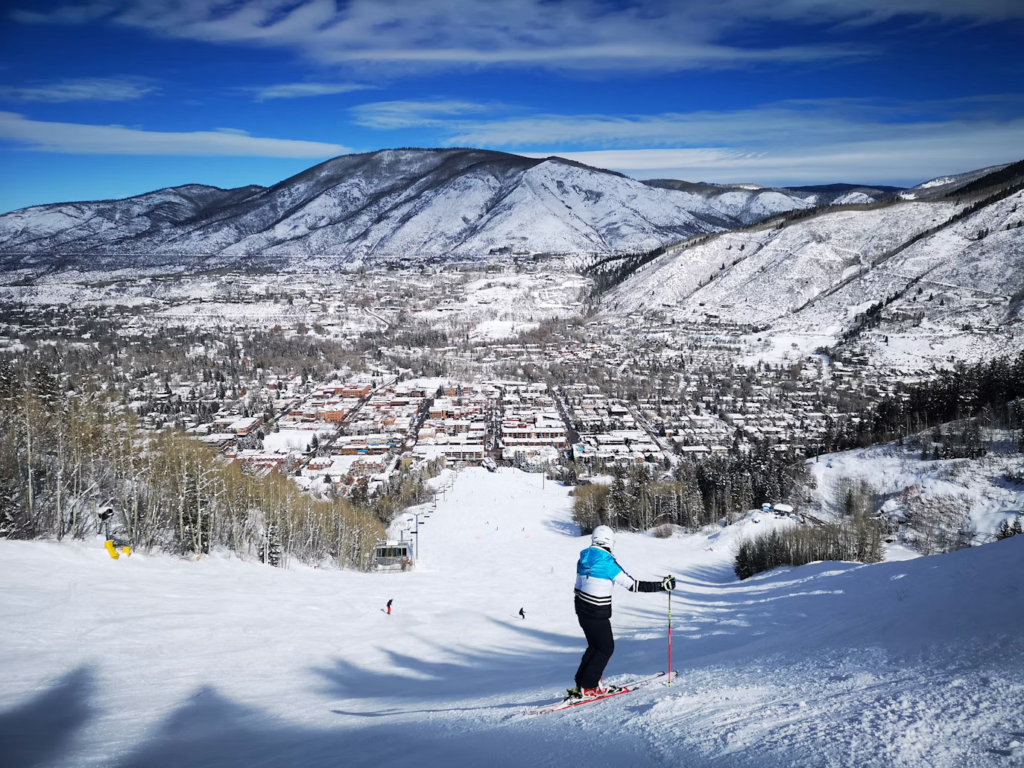
For ski enthusiasts, winter is the best time to visit Colorado, Utah, and Wyoming. Resorts in Aspen, Vail, and Jackson Hole are world-renowned for their snow-capped peaks and winter sports. While this is the high season for these areas, it’s also when the conditions are most favorable for skiing, snowboarding, and other snow-based activities. If you’re looking to avoid crowds, consider visiting in early or late winter, when resorts are less busy but still offer good snow conditions.
Beach Escapes in the South and West

For beach lovers, destinations like Florida, California, and Hawaii offer year-round options. Spring and fall are ideal for enjoying sunny beaches without the overwhelming crowds of summer. For instance, Maui and Kauai in Hawaii offer excellent weather for beach activities, including surfing and snorkeling, during these seasons. Southern California, with its famous beaches like Santa Monica and Venice, is best visited in fall, when the temperatures are warm, but the summer crowds have dispersed. Florida’s beaches, including Miami and Key West, are most enjoyable during winter when temperatures are mild, making it a great escape from colder climates.
Best Time to Visit Specific Regions for Festivals and Events

The U.S. hosts a variety of festivals throughout the year that showcase its diverse culture, arts, and food scene. Whether you’re interested in music, food, or cultural events, the best time to visit depends on the specific festival you want to attend.
Fall Festivals in New England: The Magic of Autumn Foliage
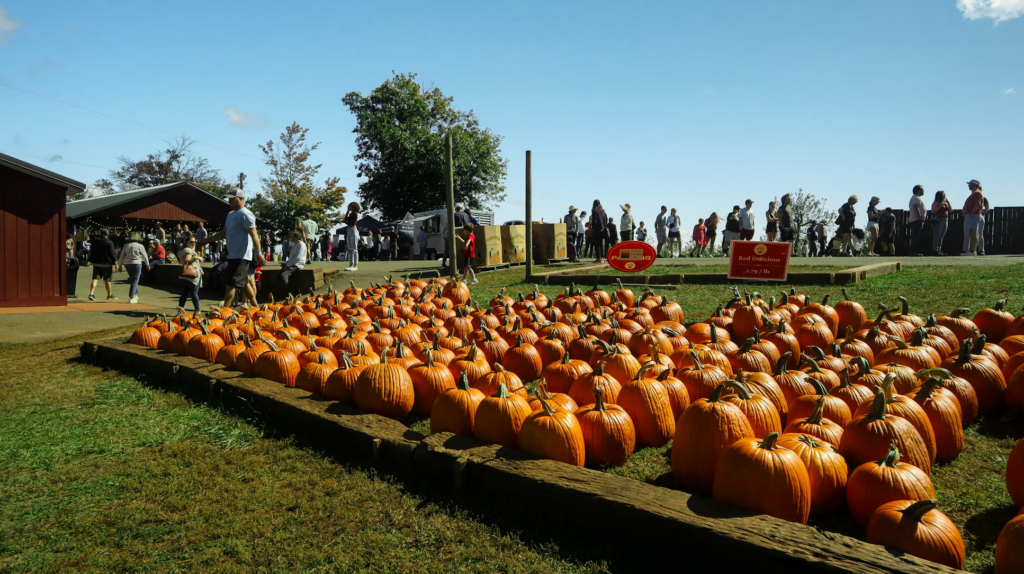
New England is famous for its stunning fall foliage, and October is the best month to visit if you want to witness the vibrant reds, oranges, and yellows that blanket the region’s forests. The area also hosts several harvest festivals and events celebrating the season’s bounty, including Pumpkin Festivals and Apple Harvest Festivals. For those who want to experience rural America at its most picturesque, a visit to Vermont, New Hampshire, or Maine during this season is perfect.
Music Festivals in the South and West

Summer (June to August) is festival season across the U.S., with major events like Coachella in California, Lollapalooza in Chicago, and Bonnaroo in Tennessee attracting music lovers from all over. These festivals feature top artists, arts, food, and performances, providing an immersive experience for those seeking to combine travel with entertainment. However, these festivals can be crowded, and ticket prices are higher during the summer months, so planning in advance is key.
Conclusion: Choosing the Best Time to Visit the U.S.
The best time to visit the U.S. depends on your interests, preferred activities, and the regions you want to explore.
Spring and fall offer mild weather, making them ideal for outdoor activities, hiking, and cultural events, especially in national parks and cities. Summer is perfect for beach vacations, festivals, and mountain adventures, though you should be prepared for higher crowds and hotter temperatures in certain regions. Winter is best for ski trips and exploring southern destinations like Florida, offering a quieter, cooler experience in many parts of the country.
By aligning your travel preferences with the right season, you can make the most of your trip to the U.S., whether you’re interested in nature, festivals, or relaxing on a beach. Understanding the weather and seasonal patterns in each region will ensure a more tailored and enjoyable experience.