

South Korea is a country rich in history, culture, and tradition, offering a variety of experiences for travelers eager to explore its unique heritage. From ancient temples to stunning palaces and vibrant festivals, South Korea’s cultural landscape is both diverse and captivating. This guide will help you navigate some of the best cultural experiences in South Korea, assisting in making an informed decision about which aspects of its history and traditions are most meaningful for your trip.
Immersive Temple Visits: A Journey into Korean Spirituality

Temples in South Korea are more than just architectural wonders, they’re living symbols of the country’s deep spiritual traditions. Visiting a Buddhist temple offers an opportunity to witness firsthand the practices and serenity that define Korean Buddhism.

One of the most iconic temples to visit is Jogyesa Temple in Seoul. This is the center of Korean Zen Buddhism and offers visitors a chance to witness daily prayers and ceremonies. The peaceful atmosphere of the temple provides a reflective experience, allowing you to connect with the spiritual side of Korean culture.
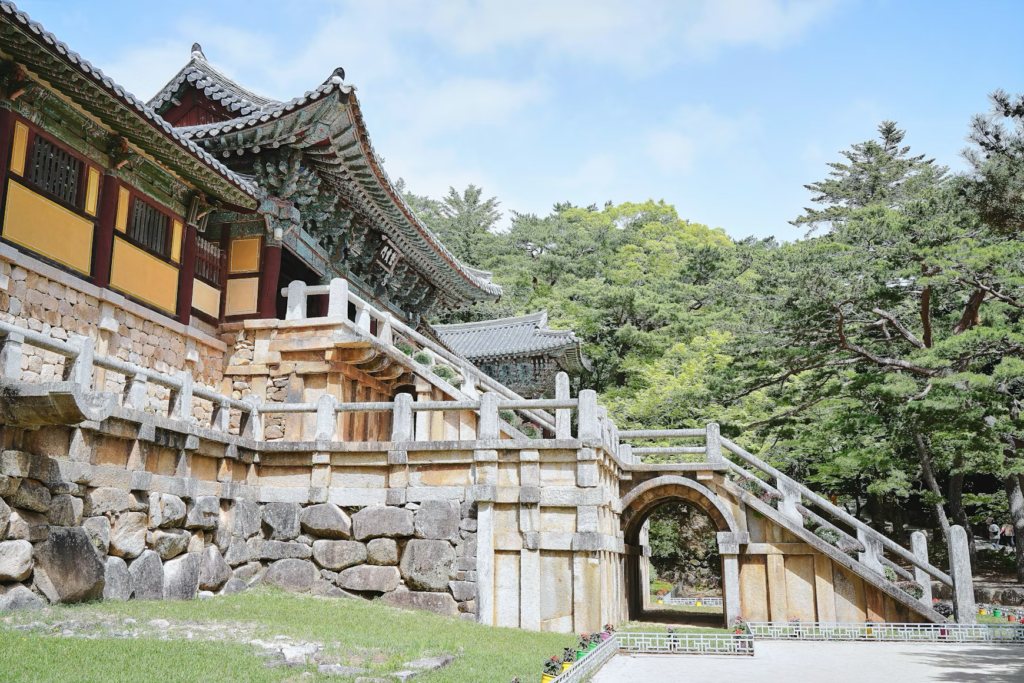
For a deeper immersion, consider staying at a temple stay program. This offers travelers a chance to live as Buddhist monks do for a few days. The experience includes meditation, Buddhist chanting, and participating in temple chores, allowing you to embrace a more spiritual side of Korean life. Popular temples like Bulguksa in Gyeongju or Haeinsa Temple in the mountains of Gyeongsangnam-do are ideal for these transformative experiences.
Exploring Historic Palaces: Royal Korea
South Korea’s royal palaces stand as grand reminders of its dynastic past. The grandeur and design of these historical sites reflect the country’s deep respect for tradition and its monarchy.
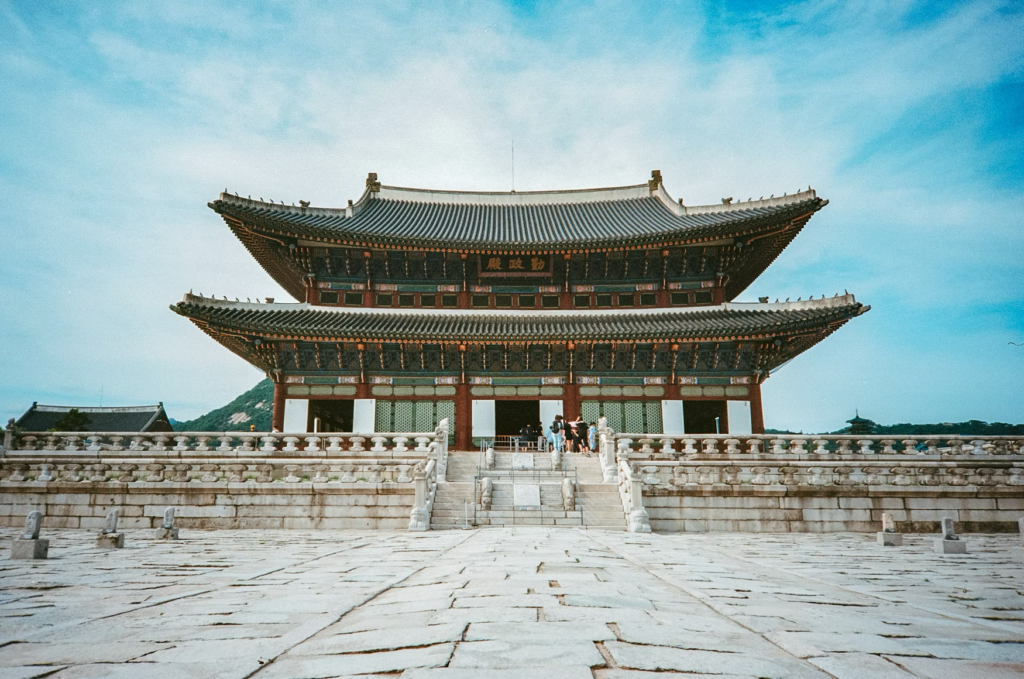
The most famous of these palaces is Gyeongbokgung, located in the heart of Seoul. Originally built in 1395 during the Joseon Dynasty, Gyeongbokgung is a beautiful representation of Korean architectural artistry. You can visit its National Palace Museum and National Folk Museum for insights into royal life and the history of the Joseon era.

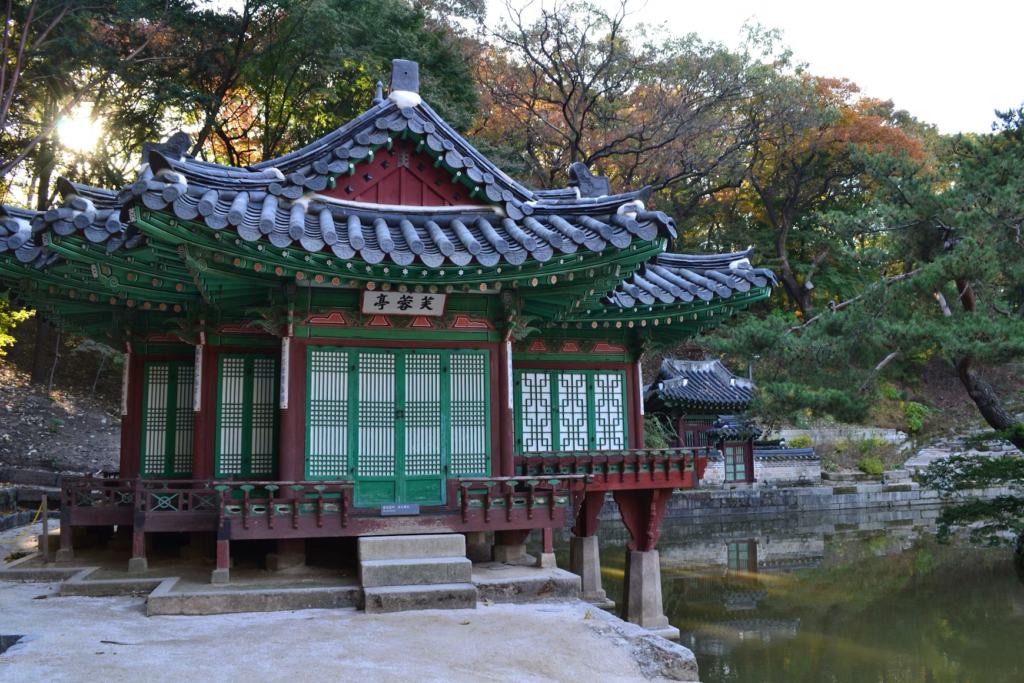
Another noteworthy palace is Changdeokgung, also in Seoul, which is known for its stunning Secret Garden (Huwon), a tranquil space once reserved for the royal family. A walk through the garden offers visitors a chance to experience the peace and harmony that permeated royal life.
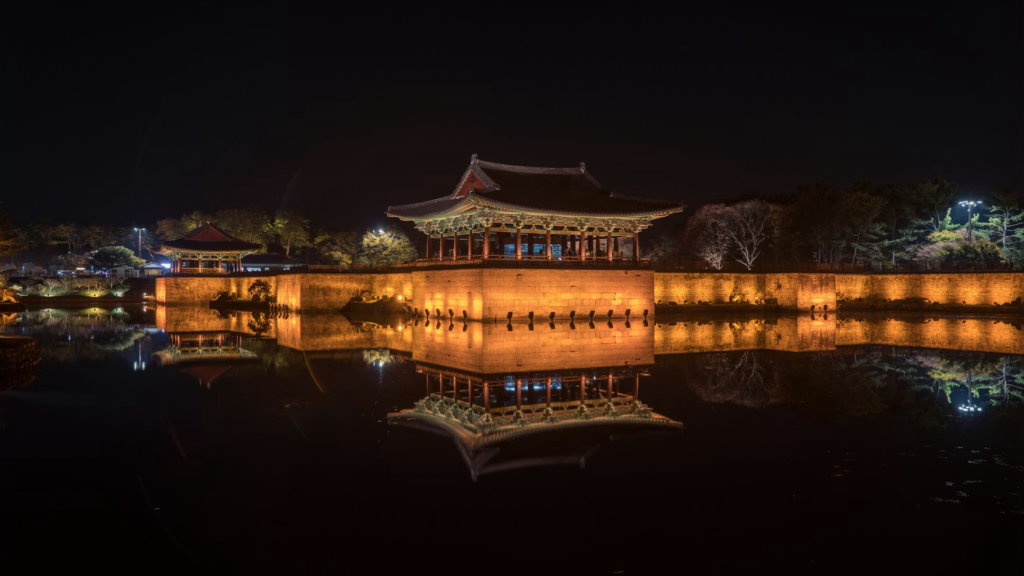
If you want to take a step back in time, Gyeongju, often referred to as “the museum without walls,” is home to Donggung Palace and Wolji Pond, which provide a glimpse into the luxurious life of the Silla Dynasty.
Hanbok: Traditional Korean Dress

One of the most unique and immersive ways to experience Korean culture is through Hanbok, the traditional Korean attire. Wearing Hanbok allows visitors to connect with the past, as it is often worn during special occasions, festivals, and celebrations. Many cultural sites in Seoul, such as Gyeongbokgung Palace, offer Hanbok rentals, allowing you to stroll through the palace grounds in traditional attire and feel a part of Korea’s royal history.
Hanbok rental shops are abundant around the palace areas, and several offer styling tips and photography services to capture the experience. This is a great way to not only connect with Korea’s cultural heritage but also to create lasting memories of your visit.
Traditional Markets: A Taste of Korean Life
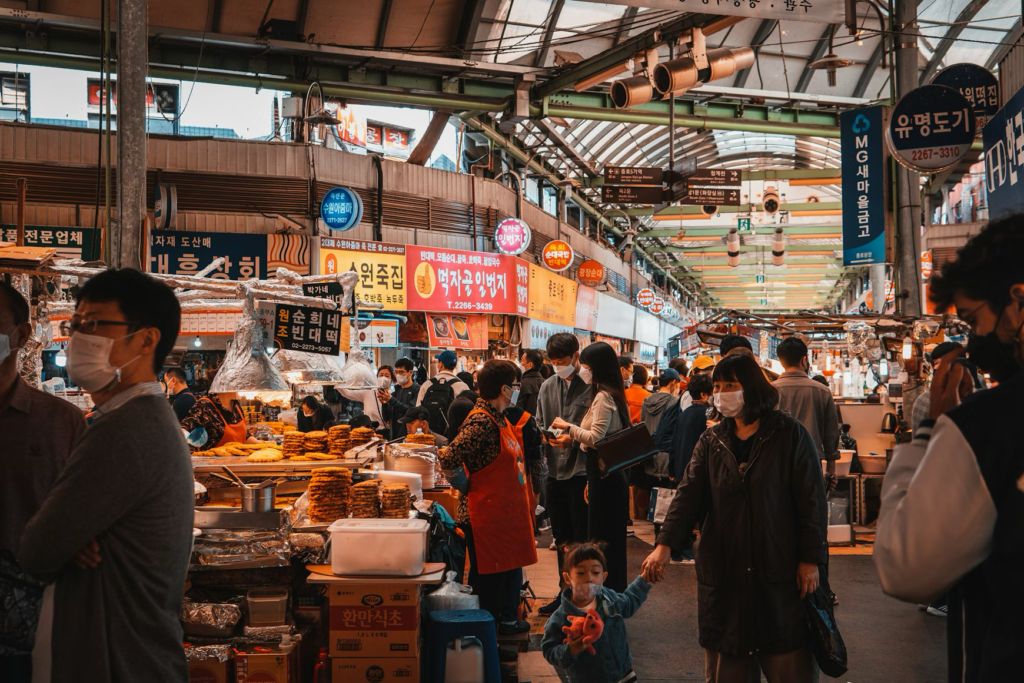
To experience South Korea’s bustling local culture, a visit to one of its traditional markets is a must.
Gwangjang Market in Seoul is one of the oldest markets in the city, offering an immersive cultural experience. The market is famous for its street food stalls, where you can taste dishes like bindaetteok (mung bean pancakes), mayak gimbap (addictive mini rice rolls), and tteokbokki (spicy rice cakes). Walking through the narrow aisles, you can also witness local crafts and textiles being sold, giving you a deeper understanding of the everyday life of Koreans.
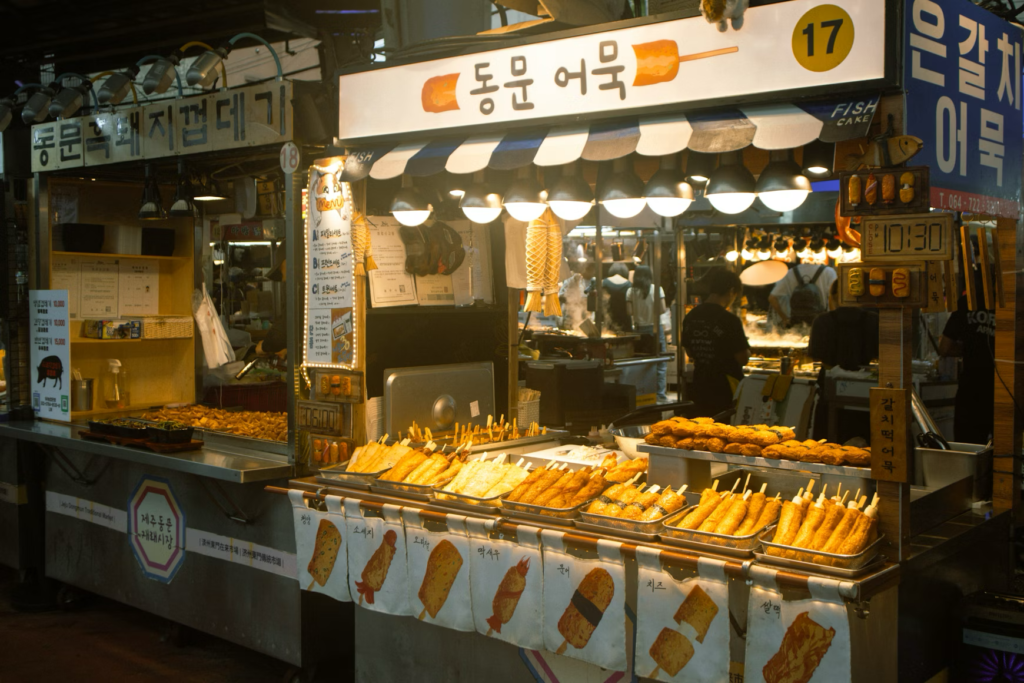
Another market worth visiting is Namdaemun Market, where you can purchase traditional Korean goods like hanji (handmade paper), ceramics, and Korean silk. The vibrant colors, smells, and sounds of these markets bring Korea’s cultural vibrancy to life, making it an essential experience for any traveler.
Korean Tea Ceremonies: A Cultural Tradition
Tea holds a special place in Korean culture, and experiencing a traditional Korean tea ceremony offers a peaceful, introspective activity that ties back to the country’s reverence for nature and mindfulness. The Korean Tea Ceremony, known as darye, focuses on the delicate art of preparing and serving tea, with a focus on harmony and etiquette.
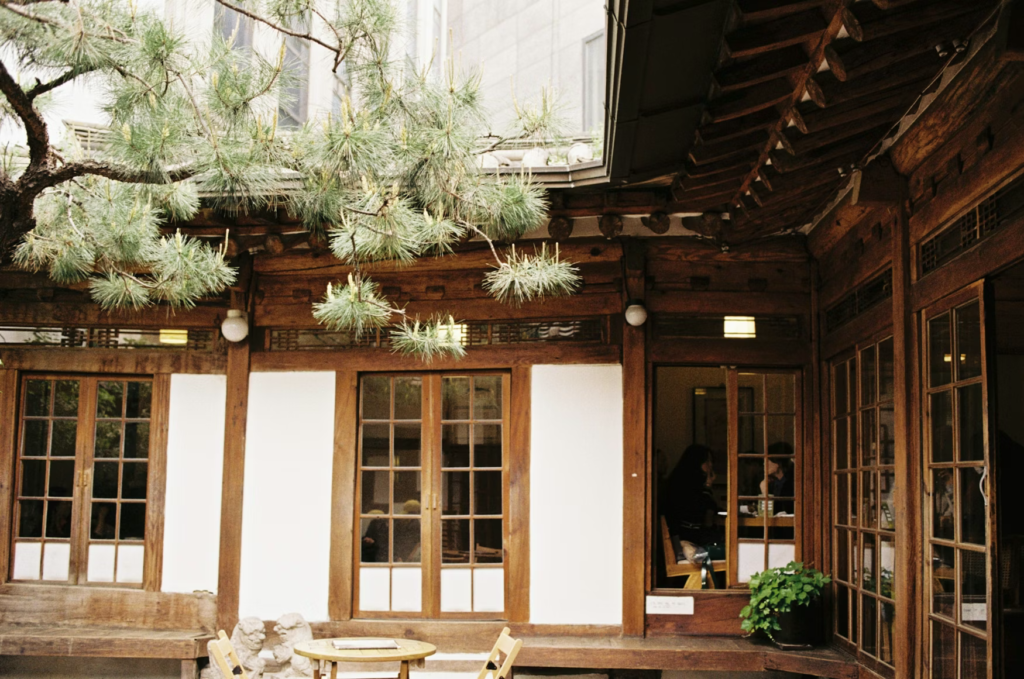
Several tea houses around Seoul offer visitors the chance to participate in a traditional tea ceremony, where you can learn about the history and symbolism behind various teas like green tea and jujube tea. Tea houses in areas like Insadong or Bukchon Hanok Village provide not only the opportunity to taste exquisite teas but also to relax in a tranquil setting, often surrounded by Korean traditional architecture.
Festivals: Celebrating Korean Traditions

South Korea’s festivals offer another vital way to experience its culture, where vibrant celebrations mix with traditional rituals. Seollal (Lunar New Year) and Chuseok (harvest festival) are two of the most significant holidays in Korean culture, offering a glimpse into Korea’s deep family traditions and customs. During these times, Koreans pay respects to their ancestors, wear traditional clothing, and partake in family feasts.
For a more hands-on festival experience, Andong Mask Dance Festival is an event that highlights Korea’s traditional mask dances, where performers use masks to depict historical figures and mythical beings. The festival not only offers performances but also hands-on workshops where visitors can create their own masks and participate in the traditional dances.
If you’re visiting in the spring, the Boryeong Mud Festival provides a more modern take on tradition, where participants engage in mud wrestling, mudslides, and more. The festival celebrates Korea’s connection to the natural world, particularly the mudflats in Boryeong, known for their health benefits.
Conclusion: Choosing Your Cultural Experiences in South Korea
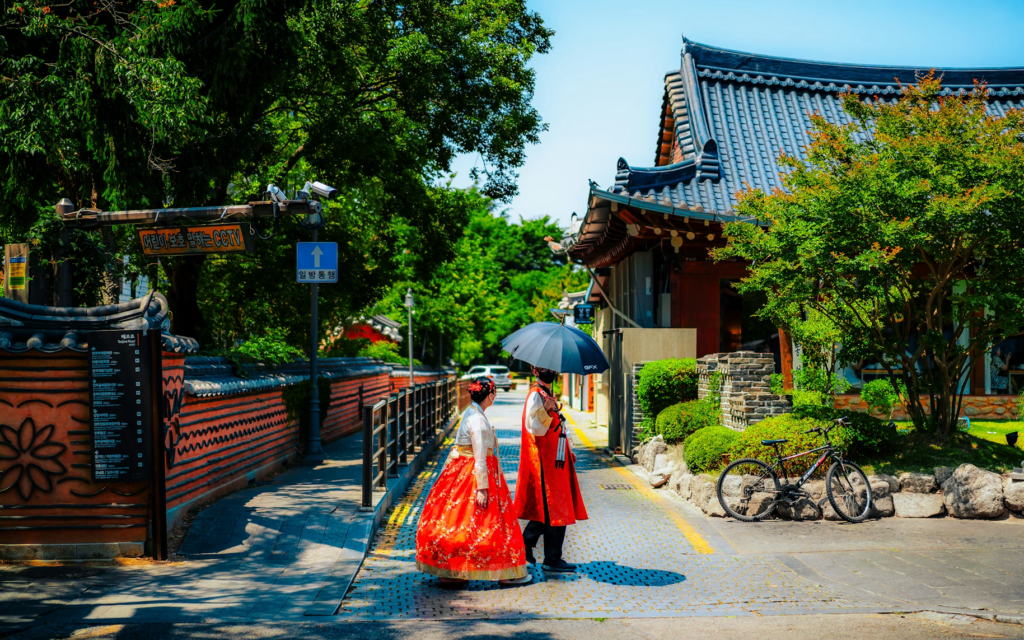
South Korea is a country where modernity meets tradition in fascinating ways. Its cultural sites, from the tranquil temples to the vibrant palaces and markets, offer travelers the chance to explore its rich history and connect with the local way of life. Whether you’re immersing yourself in the calm of a temple stay or participating in a lively festival, these experiences will help you understand the essence of Korean culture and leave you with lasting memories of your time in this dynamic country.
Each of these cultural experiences offers something unique, and deciding which to focus on depends on your personal interests. If you seek serenity and spiritual connection, consider temple stays or tea ceremonies. If history and royal grandeur captivate you, the palaces of Seoul will provide a rich and fulfilling experience. Whatever you choose, South Korea offers a cultural depth that’s waiting to be explored.