
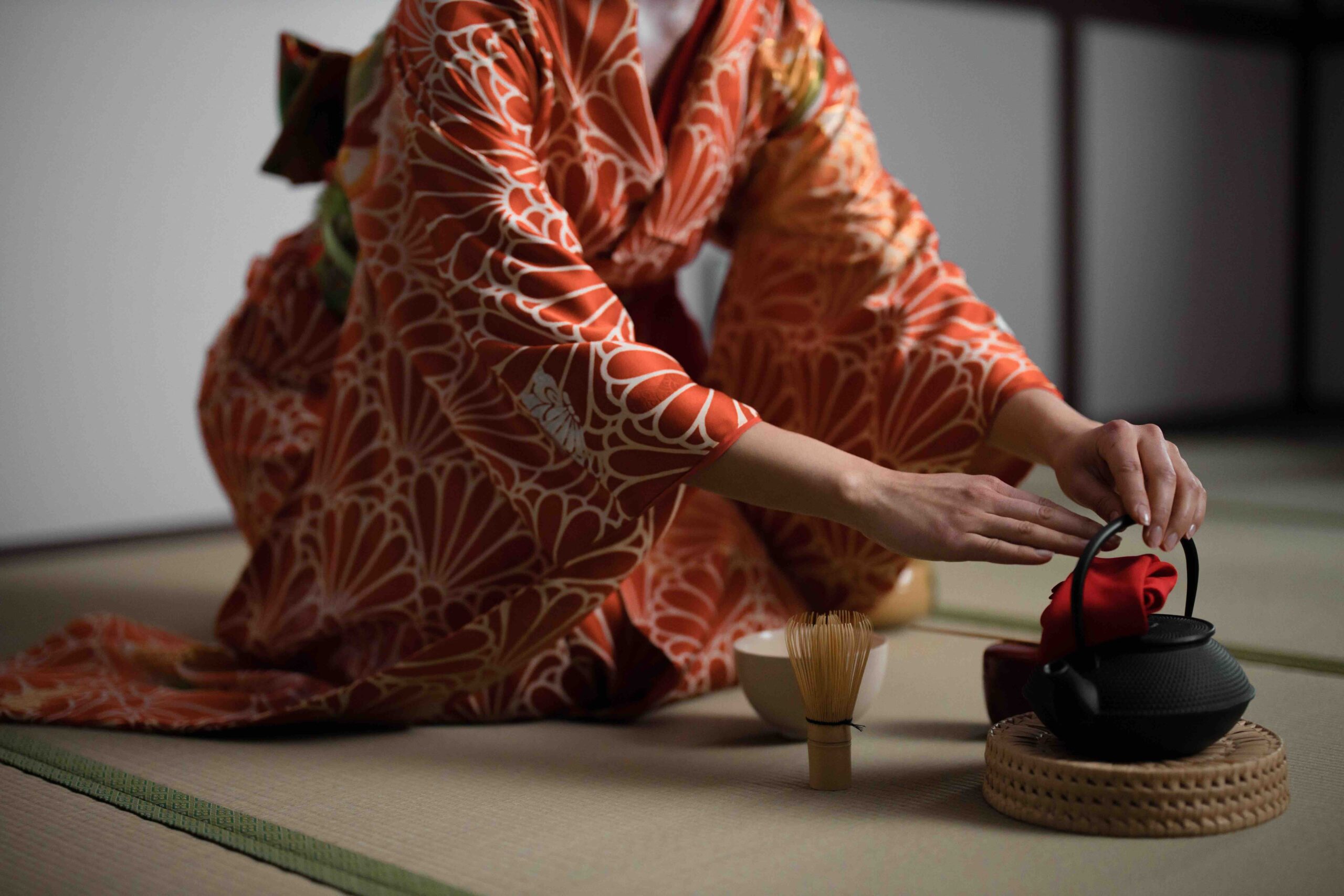
Japan is a country rich in culture, with deeply ingrained customs that shape daily life and social interactions. Whether you’re visiting for business, study, or leisure, understanding these customs can help you navigate the country’s social landscape with ease and respect. The following guide offers practical tips on essential Japanese etiquette, from greetings to dining and public behavior.
Greetings and Social Interactions
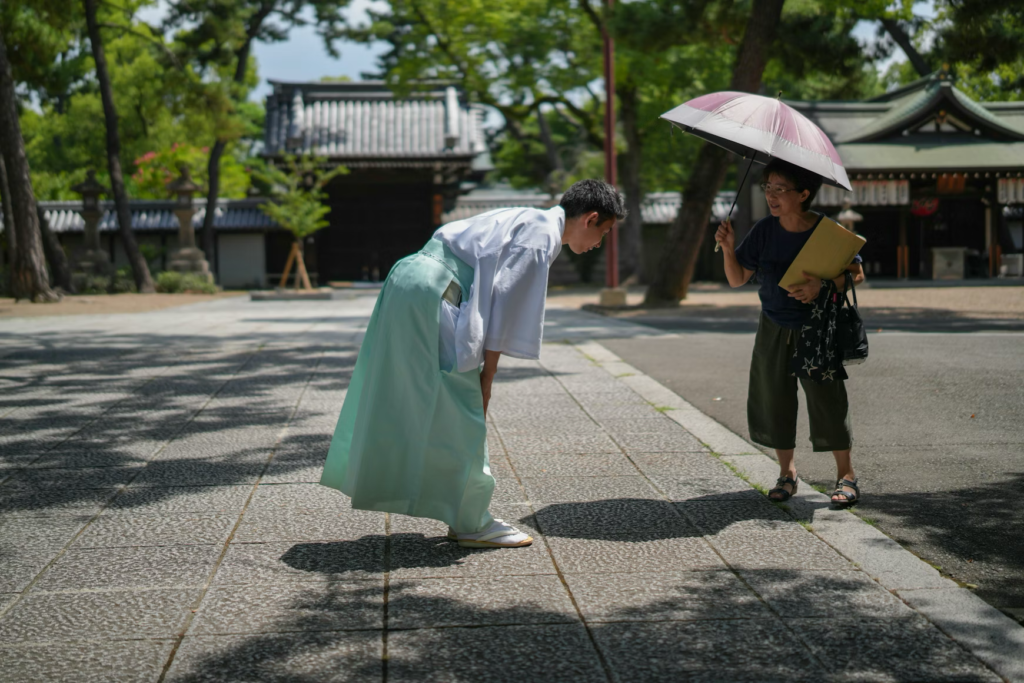
In Japan, the way you greet someone speaks volumes about your respect for them. The traditional greeting is the bow, with varying depths to indicate the level of respect you are offering. A shallow bow is common for casual greetings, while a deeper bow signals more respect, such as when greeting superiors or elders.
When addressing people, the honorifics “-san” is a safe and respectful choice. This formality extends to both first names and last names, and using it ensures you don’t inadvertently offend anyone by being overly familiar.
Shaking hands is less common in Japan and is generally reserved for formal business settings. Even in such situations, the handshake is often softer than what you may be accustomed to, and it is typically followed by a slight bow. As a foreigner, though, it’s acceptable to offer a handshake, especially in professional settings.
Dining Etiquette
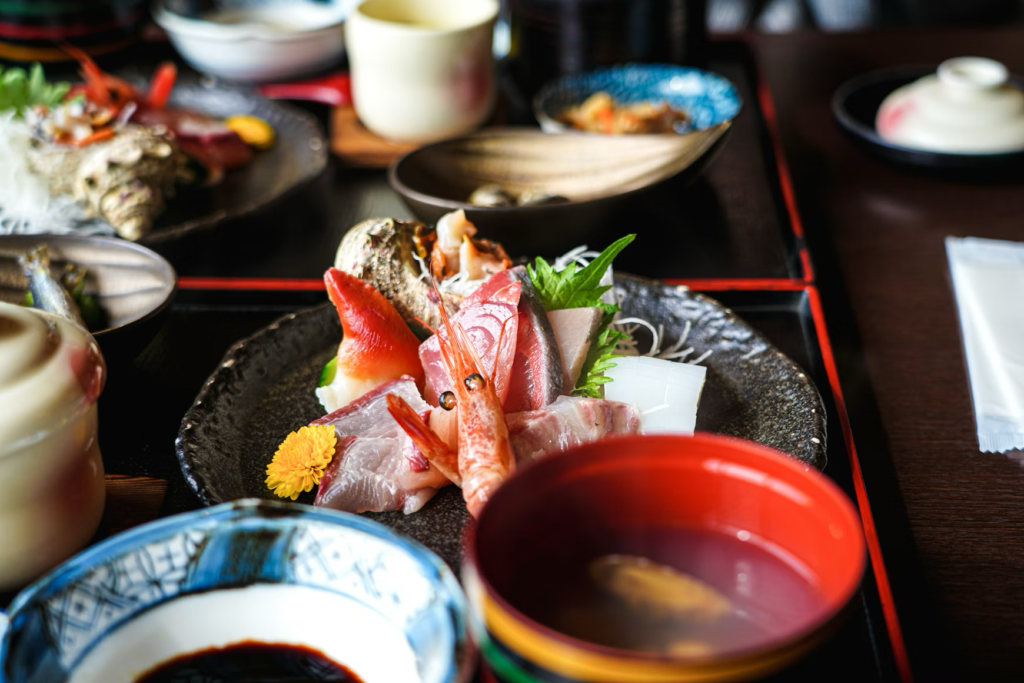

Dining etiquette is an important part of Japanese culture, and adhering to it shows respect for both the meal and the people you’re dining with. One of the first rules to remember is that when using chopsticks, avoid sticking them upright into a bowl of rice, as this resembles a funeral ritual. Similarly, passing food directly from one pair of chopsticks to another is also seen as a bad omen, so always place food on the table or in a bowl.
In restaurants, it’s customary to wait for the host or the eldest person to begin eating before you do. When finished, it’s polite to leave your chopsticks neatly on the table, not crossed or pointing toward anyone. If you’re served tea, it’s customary to offer thanks by saying “gochisousama deshita” after the meal, which expresses gratitude for the food.

If you’re dining in a formal setting, remember that Japanese meals are often enjoyed in courses, with dishes presented in a specific order. Paying attention to this sequence and savoring each dish as intended demonstrates appreciation for the effort and artistry involved.
Public Behavior and Transportation

In public spaces, Japanese society places a great emphasis on maintaining harmony and respect for others. Public transportation is an example where this is especially evident. On trains and buses, it’s considered impolite to speak on the phone, and many people prefer to communicate in silence. If you need to take a call, it’s best to step outside or find a secluded area.
When riding escalators, stand on the left side if you’re in the major cities like Tokyo or Osaka, as the right side is typically reserved for those in a hurry. In rural areas, however, this may be reversed, so observe local customs and follow the crowd.

If you’re waiting in line, make sure to stand quietly and avoid talking loudly. Japanese people are known for their patience, and respecting the queue is essential in maintaining order in public places.

Removing Shoes Indoors
An important cultural aspect to remember when visiting homes, certain restaurants, and traditional inns (ryokan) in Japan is the practice of removing your shoes upon entering. This gesture is intended to keep the living space clean and is considered a sign of respect. You’ll often be provided with indoor slippers to wear once you’ve removed your shoes. Be sure to remove your slippers when stepping onto tatami mat floors, as it’s customary to walk barefoot or in special tatami slippers.
In some places, you may be asked to remove your shoes before entering private spaces such as temples or shrines. Pay attention to signs or observe what others are doing, as not adhering to this practice can be seen as disrespectful.

Gift-Giving Etiquette
Gift-giving is a common practice in Japan, and it holds significant cultural meaning. When presenting a gift, always do so with both hands, and avoid opening the gift in front of the giver, as it’s generally considered impolite.

The value of the gift isn’t as important as the thought and the act of giving itself. However, it’s essential to avoid giving gifts that are associated with bad luck, such as handkerchiefs (which are associated with funerals) or items in sets of four (since the word for four, “shi,” also means death).
If you’re staying with a host, bringing a small token gift from your home country is a thoughtful gesture. The presentation of the gift is equally important, so consider wrapping it nicely before offering it.
Handling Mistakes
As a foreign visitor, it’s natural to worry about making mistakes in an unfamiliar cultural setting. While Japanese people are generally understanding of cultural differences, it’s important to show a willingness to respect local customs. If you make a mistake, the best approach is to remain polite and apologize. A simple “sumimasen” (excuse me) or “gomen nasai” (I’m sorry) is often sufficient. Showing humility and correcting your behavior is usually appreciated.
Mistakes in less formal settings, such as casual dining or among younger people, may be less likely to result in negative reactions. However, in more formal situations, especially in business or with elders, it’s essential to apologize promptly and sincerely.
Conclusion

Understanding Japanese customs and etiquette is essential for fostering positive relationships and experiences during your visit. By respecting the local culture, from greetings to dining practices and public behavior, you’ll not only avoid potential faux pas but also enhance your immersion in Japan’s rich and respectful culture. While it’s important to be aware of these customs, remember that Japanese people will often appreciate your efforts to adapt, even if you make mistakes. With mindfulness and respect, your time in Japan will be both rewarding and enriching.